REVIEW · KILIMANJARO
4 Days Tanzania Luxury Safari Serengeti and Ngorongoro Crater
Book on Viator →Operated by Afrishare Trekking and Safaris · Bookable on Viator
Serengeti and Ngorongoro in four days is a lot. You get game drives in Serengeti first, then a dramatic early descent into Ngorongoro Crater, with packed lunches and heavy dinners that keep the pace steady. I love the way the schedule gives you real choices for day timing—so you can chase wildlife at dawn or sleep in a bit when you want.
I also like that this is a private safari with a professional guide, plus park-admission handling and meals baked into the price (so you spend less time on logistics). The main drawback to consider: you’re in for long drives and early starts, so comfort matters more than you might expect.
In This Review
- Highlights: What Makes This Safari Work So Well
- Serengeti First: Why Starting in the Plains Makes Sense
- Day 1 in Serengeti: 8AM Pickup, a 240 km Drive, Picnic Lunch on Route
- Day 2 Options in Serengeti: 6AM Morning Drive vs a 9AM Start
- Moving Toward Ngorongoro: From Serengeti Plains to the Caldera Vibe
- The 6:30AM Crater Descent: Five Hours on Ngorongoro’s Floor
- Lodging and Meals: Camping-Style Nights With Real Comfort
- Guides, Private Touring, and Why Okuli and Moses Matter
- Price and Value: What $1,900 Gets You (and What to Plan For)
- Who This Safari Fits Best (and Who Might Want a Different Pace)
- Should You Book This 4-Day Serengeti and Ngorongoro Safari?
- FAQ
- FAQ
- How long is the safari?
- Where does the safari start?
- What meals are included?
- Are park admission fees included?
- Is this a private safari or shared group?
- Can I choose a vegetarian meal?
- What time is the descent into Ngorongoro Crater?
- Is free cancellation available?
- Is the safari suitable for families and children?
Highlights: What Makes This Safari Work So Well
- Great Migration energy in the Serengeti plains, where zebras and wildebeest can move in huge numbers.
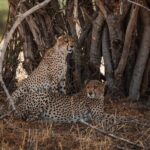
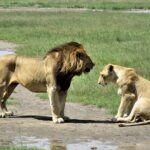
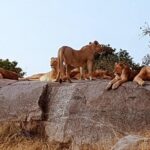
- Seronera (central Serengeti) wildlife focus, known for strong lion and leopard chances.
- Choice-driven day structure: 6AM or 9AM options on Serengeti days, plus an afternoon drive plan.
- Ngorongoro’s 6:30AM descent and ~5-hour crater floor drive with a camera-ready pace.
- Hippo pool lunch inside the crater, a memorable setting for a picnic break.
- Guides like Okuli and Moses get praised for driving skill and wildlife explanations, and Ibrahim is repeatedly described as attentive during planning.
Serengeti First: Why Starting in the Plains Makes Sense
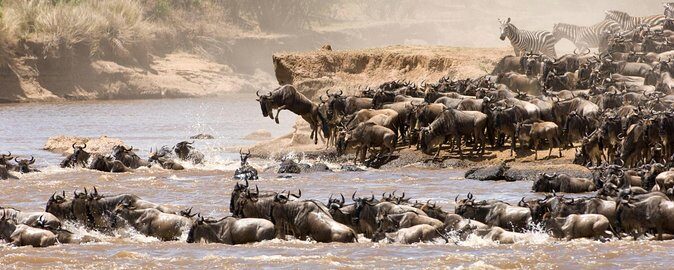
If you want the classic Tanzania feeling, Serengeti is where it starts. The big draw here is not just animals—it’s the sheer sense of motion across open ground. The program is designed around that, with time in the park during the Great Migration window when zebras and wildebeest can be out in serious numbers.
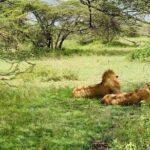
Another smart move: the safari spends time in the Seronera/central area. That matters because this region is often a reliable wildlife zone, especially for lions and leopards. You’re not only waiting for luck; you’re working from an area the safari is built around.
And because it’s private, your guide can adjust the plan based on what’s happening out there. That doesn’t guarantee sightings, but it usually improves how you spend each hour.
You can also read our reviews of more tours and experiences in Kilimanjaro.

Day 1 in Serengeti: 8AM Pickup, a 240 km Drive, Picnic Lunch on Route
You start at 8:00 AM with pickup from your hotel in Arusha. Then it’s a long but straightforward transfer—around 240 km that typically takes about 6 hours.
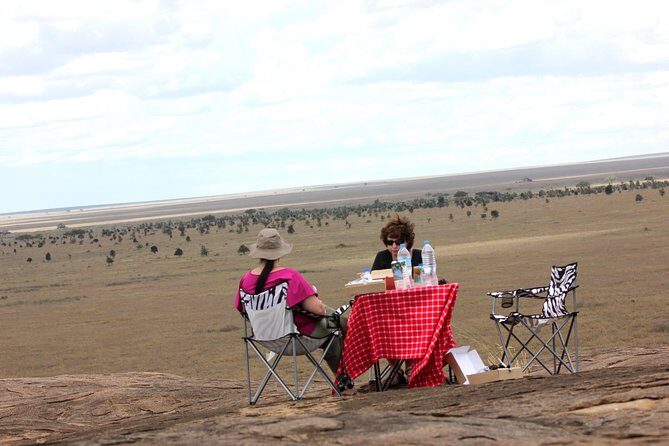
What makes day one feel worth it is the structure. You’re not just driving to say you arrived. Your day includes a picnic lunch during the game drive, so you can keep your rhythm instead of pausing every few hours. By the end of the day, you’ll have a heavy dinner and a proper night’s rest back at your accommodation.
One practical note: those road hours can be bumpy depending on conditions. If you’re the type who gets annoyed by discomfort, pack a light layer and plan on bringing your best “I’m here for animals” attitude. It pays off once the wildlife starts showing.
Day 2 Options in Serengeti: 6AM Morning Drive vs a 9AM Start
Day two is where the safari gives you flexibility. You can choose a full-day game drive approach starting around 9:00 AM, with a packed lunch and a return to your lodge around 6:00 PM. Or you can go for the early option at around 6:00 AM, then build in time to rest and switch to an afternoon drive.
In real-world safari terms, that choice changes the feeling of the whole day:
- A 6AM start usually means cooler temperatures and a stronger chance to catch animals active in the early light.
- A 9AM start often feels easier on your body, especially after a long travel day.
Either way, you’re still targeting Serengeti’s central wildlife zone, where the mix of predators and prey can be especially intense. The pace is full-day, so you’ll want to be comfortable sitting in a vehicle for hours. Hydrate, wear breathable layers, and keep your camera ready—because sightings on this route can pop up fast.
Moving Toward Ngorongoro: From Serengeti Plains to the Caldera Vibe
After breakfast, your day begins with a morning game drive in Serengeti. Then you head toward Ngorongoro Conservation Area with a picnic lunch.
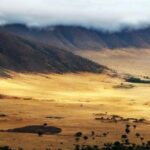
This is the transition point that makes the itinerary interesting even if you’ve done safaris before. The Serengeti experience is open plains. Ngorongoro is a big, enclosed stage. The crater itself is a collapsed volcanic caldera that’s described as the largest of its kind, with a ring of extinct volcanoes around it.
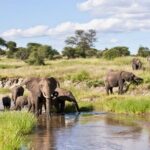
The floor of Ngorongoro is huge—about 260 sq km—and it supports a large concentration of wildlife. The program’s wording also highlights the scale: around 30,000 animals using the space and water sources. That’s one reason people love this place. You’re not just seeing animals; you’re watching an ecosystem in a bowl-shaped world.
By the end of day three, you’ll finish with dinner and rest, positioned for an early crater start.
The 6:30AM Crater Descent: Five Hours on Ngorongoro’s Floor
Day four starts early—after a quick breakfast you’ll begin descent around 6:30 AM. This is the moment where Ngorongoro really earns its reputation.
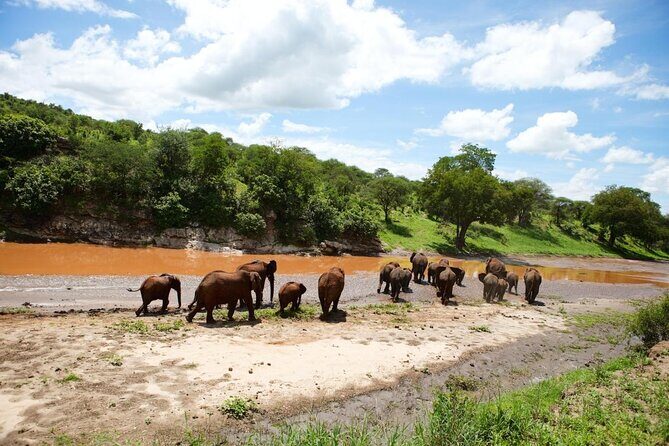
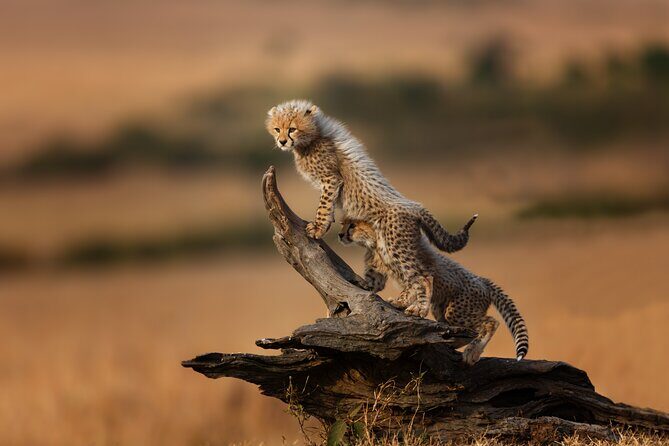
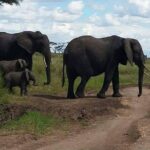
Once you’re down on the crater floor, you get about 5 hours of game driving. The program notes that you’ll see plenty of iconic species, including African elephant, buffalo, black rhino, hippos, hyenas, cheetahs, and lions.
A practical tip: plan on being camera-active right after the descent. In a crater environment, animal sightings can cluster around watering areas and movement routes, so you don’t want to be fumbling for gear when something appears.
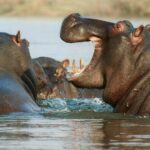
Lunch is another standout detail. You’ll have a picnic lunch at the Hippo pool, then begin the steep climb back out of the crater. That uphill drive is no joke, but it’s the price of getting the crater views you came for.
A few more Kilimanjaro tours and experiences worth a look
Lodging and Meals: Camping-Style Nights With Real Comfort
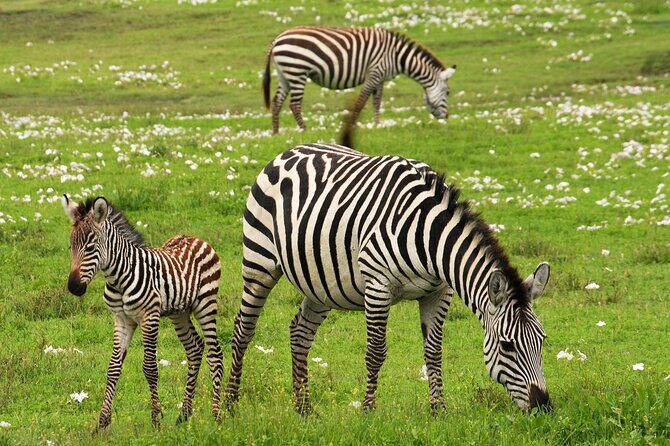
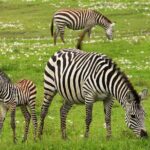
The safari includes 3 nights camping accommodation. That sounds simple, but in practice it usually means you’re sleeping close to nature, often with tent-camp comfort rather than rough, bare-bones camping. One of the memorable points shared in feedback is the sense of being near animals—like zebras grazing near the camp area—while still having bathroom comfort.
Meal coverage is one of the clearest value wins. You’re included for:
- Breakfast (3)
- Dinner (3)
- Lunch (4)
Most safari days use packed lunches during game drives, and the program also specifically mentions a picnic lunch day after day. That matters because it keeps your time in prime viewing hours instead of wasting time hunting for food stops.
If you eat vegetarian, there’s a vegetarian option available with notice at booking. That’s important because some safari operators treat meal requests as an afterthought—here it’s explicitly supported.
Also remember: the safari operates in all weather conditions, and you’re asked to dress appropriately. Bring light rain protection and a warmer layer for early morning starts.
Guides, Private Touring, and Why Okuli and Moses Matter
A safari lives or dies by your guide. In the feedback tied to this operator, people repeatedly highlight the guiding quality, and names show up often.
- Okuli is praised for being an excellent driver and an effective wildlife explainer, with groups describing him as experienced and skilled at finding animals.
- Moses shows up in planning and arrival experiences, described as friendly and involved from the start.
This kind of guiding difference is more than personality. Good driving affects your sightlines, your ability to position the vehicle safely, and how quickly you get to sightings when the action starts. Strong wildlife explanations also change your experience from seeing animals to understanding what you’re actually watching.
You’ll also benefit from a company that communicates clearly. Ibrahim is described as communicative, detail-oriented, and attentive during planning, and Hillary is mentioned positively in responses about making the trip enjoyable.
Even if you don’t meet the same guide, the message is consistent: you’re not just buying seats—you’re buying interpretation and driving skill.
Price and Value: What $1,900 Gets You (and What to Plan For)
At $1,900 per person, this isn’t a bargain-basement safari. It’s positioned as a higher-value package because it includes key costs that often surprise people later.
Included items cover the big budget items:
- All fees and taxes
- Professional guide
- Meals across the days
- Admission ticket free (park-entry handling is stated as included)
- Pickup offered from Arusha
That means fewer extra payments on the ground and less time dealing with paperwork.
What’s not included is mainly tips: tips of up to $50 are suggested. For many first-time safari goers, that’s the one budget item you need to remember. I’d treat it as a planning line, not an afterthought.
One more value note: the safari is labeled as private. Private touring usually costs more than shared group formats, but it gives you flexibility and a more consistent guiding style. If you’re traveling as a couple or with family, that can be the difference between a trip that feels rushed and one that feels personal.
Who This Safari Fits Best (and Who Might Want a Different Pace)
This safari fits best if you:
- Want a classic Serengeti + Ngorongoro combo in a tight 4-day window
- Appreciate full days of wildlife searching
- Are comfortable with long drives and early starts
- Like the idea of a private guide and a tailored rhythm on game drive timing
It may feel less ideal if you:
- Need lots of downtime between activities
- Get motion-sick easily on bumpy roads
- Expect a slow, lounge-heavy luxury retreat style (this is active, not passive)
But for most people, that “active” feeling is exactly the point. You’re paying to maximize time in the right places.
Should You Book This 4-Day Serengeti and Ngorongoro Safari?
I’d book it if your priority is real safari time—especially Serengeti game drives, then a properly timed Ngorongoro descent around 6:30 AM that keeps the crater floor experience long enough to matter. The included meals, the guide, and the handling of fees/park entry are also the kind of practical value that makes decision-making easier.
Before you book, think about two things: your tolerance for early mornings and your comfort with long days. If you’re good with that, this itinerary gives you a strong mix—migration energy in the plains, predator-focused Serengeti time, and a crater day where iconic species can show up close to the action.
FAQ
FAQ
How long is the safari?
It runs for 4 days (about 3 nights).
Where does the safari start?
You’ll be picked up from your hotel in Arusha, then driven toward Serengeti and later Ngorongoro.
What meals are included?
The package includes breakfast (3), dinner (3), and lunch (4).
Are park admission fees included?
Yes. All fees and taxes are included, and admission tickets are listed as free.
Is this a private safari or shared group?
It’s a private tour/activity, so only your group participates.
Can I choose a vegetarian meal?
Yes. A vegetarian option is available—you need to advise at the time of booking.
What time is the descent into Ngorongoro Crater?
You’ll start the crater descent at around 6:30 AM for the crater floor game drive.
Is free cancellation available?
Yes. You can cancel up to 24 hours in advance for a full refund.
Is the safari suitable for families and children?
Most travelers can participate. Children must be accompanied by an adult, and child rates apply only when sharing with 2 paying adults.