REVIEW · ZANZIBAR
Stonetown Private Half-day Walking Tour
Book on Viator →Operated by Charisma_Experience · Bookable on Viator
Stone Town can feel like a living museum. This private walk ties together famous sights, local markets, and a few stops you’d likely miss on your own. You’ll get a guided route through tight lanes, and you’ll also get time for the kinds of stops that make the place feel real, not just photographed.
Two things I especially like: the focus on big, specific landmarks (including House of Wonders) and the way the tour builds in food and shopping time at the right moments. One thing to consider is that this is a walking tour with multiple stops packed into about 4 hours 45 minutes, so comfortable shoes matter.
In This Review
- Key things to know before you go
- Walking Stone Town with a plan that actually works
- Old Slave Market / Anglican Cathedral: a heavy start, handled with care
- Darajani Bazaar: spices, local prices, and market rhythm
- Freddie Mercury Museum: pop history with a real sense of place
- Old Fort (Ngome Kongwe): Portuguese roots and Arab reconstruction
- People’s Palace Museum, also called the House of Wonders
- Old Dispensary: medicine and modern service in an earlier era
- Forodhani Gardens: sunset views and the food market vibe
- Lukmaan Restaurant: Swahili flavors and a needed break
- Pickup, pacing, and who this tour fits best
- Value check: is $35 worth it for Stone Town?
- Should you book this Stone Town private walking tour?
- FAQ
- FAQ
- How long is the Stone Town private walking tour?
- What does the tour cost?
- Is this tour private or shared?
- Is pickup included?
- Are admission tickets included for all stops?
- What is included at Darajani Bazaar?
- Is the Freddie Mercury Museum stop part of the tour?
- Is there time for food during the tour?
- What should I know about weather and cancellations?
Key things to know before you go
- Private group pacing: Only your group joins in, so you can ask questions and adjust the rhythm.
- Landmarks plus markets: You’ll see major historic spots and then hit Darajani Bazaar for spices.
- Freddie Mercury Museum stop: A dedicated, time-boxed visit to the Queen star’s Stone Town connection.
- Forodhani Gardens timing: It’s set up for evening atmosphere and a sunset view.
- Most admissions are free: Several museums/points are included with no extra ticket required, with one notable exception.
Walking Stone Town with a plan that actually works

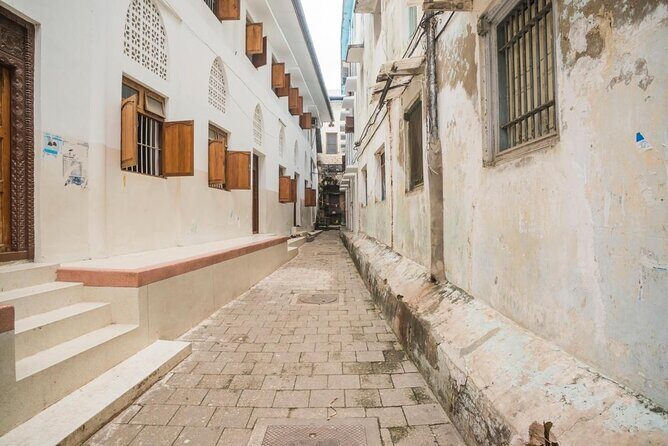
Stone Town has a way of confusing you fast. Streets bend, signs vanish into crowds, and you start wondering if you’re heading toward a landmark or just walking in circles. A private walking tour fixes that with a clear sequence and a guide who can point out what you’d otherwise glide past.
This one is also built for variety. You’re not doing a museum-only tour. You move from a painful historical site, to trade and spices, to one of the most famous personal histories in pop culture, then back into daily life with a classic food market stop. It’s a good half-day format because it gives you structure without taking over your whole schedule.
The price is $35 per person for about 4 hours 45 minutes, and that’s where the value comes from. Many stops listed are free to enter, and there’s also a refreshment stop. The only stop flagged as not included for admission is the Old Slave Market/Anglican Cathedral, so most of what you pay for is the route, timing, and guide-led context.
You can also read our reviews of more walking tours in Zanzibar



Old Slave Market / Anglican Cathedral: a heavy start, handled with care
Your first major stop is the Old Slave Market area, also known as the Anglican Cathedral. This is not just an old building. It’s tied to the era when enslaved people were bought and sold, and today it’s used as a place that forces you to look directly at that past.
Why this stop matters in a tour like this: it sets the historical baseline for everything else you’ll see in Stone Town. After you understand what this city lived through, the architecture and trade history you learn later land with more meaning.
One practical consideration: this is listed with 35 minutes and an admission ticket that is not included. If you’re trying to keep your day simple, that’s the one thing to budget for. Also, because it’s the first stop, it can feel a bit intense if you’re still waking up. Plan to arrive on time so you can ease into the day rather than rush through it.
Darajani Bazaar: spices, local prices, and market rhythm
Next comes Darajani Bazaar, often associated with Zanzibar’s spice trade. It’s described as a major market across East Africa coastal areas, and in Zanzibar you’ll hear it tied to spices—right down to being able to buy them at cheap local prices.
What I like about placing this stop here in the route: you’re already oriented in Stone Town, and now you’re moving from solemn history into everyday commerce. Markets work best when you’re not late for them, and a guided walk helps you know where to focus.
You also get a set time window—about 35 minutes—so it’s not a never-ending wandering session. If you do want to shop, bring a little cash and keep an eye on what’s sold as loose spices versus packaged goods. (Your guide can usually help with what to buy and what to skip.)
Freddie Mercury Museum: pop history with a real sense of place
Then the tour shifts gears with a stop at the Freddie Mercury Museum. This is the museum where you can learn the story of Freddie Mercury’s life (as a member of Queen) and connect it to his time in Zanzibar. The listing notes he stayed in the house for nearly nine years.
This stop tends to be a crowd-pleaser because it gives you a bridge between global fame and local geography. It’s one thing to know the name Freddie Mercury; it’s another to understand that his life intersected with Stone Town in a specific, trackable way.
You’ll have about 30 minutes, and it’s marked free. That time length is practical. It’s enough to get the key story beats without turning the tour into a slow museum day.
Tip: if you’re into music history, plan your questions. Guides often do well at connecting what you’re seeing with the broader cultural setting around it.
Old Fort (Ngome Kongwe): Portuguese roots and Arab reconstruction

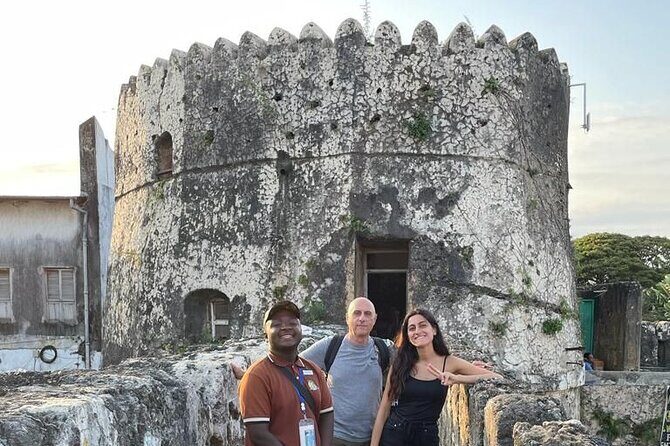
From there you head to the Old Fort, also known as Ngome Kongwe. The description is clear about why this place is interesting: it’s one of the oldest buildings in Stone Town, originally constructed by the Portuguese around the 15th century, and later reconstructed by Arabs in the 19th century as a military camp.
This is one of those stops where architecture is basically the textbook. You’re looking at layers: Portuguese influence first, then Arab military-era changes later. When you walk around with context, you start seeing how different eras shaped the same physical footprint.
The listed time is 30 minutes, and entry is free. The only drawback I’d flag is that this is more of a sight-and-stroll stop than a sit-down museum moment, so if you’re hoping for lots of indoor interpretation, your guide’s explanations become the main source of depth.
You can also read our reviews of more private tours in Zanzibar

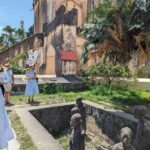




People’s Palace Museum, also called the House of Wonders

Now for the star building: People’s Palace Museum, known locally as the House of Wonders. This is one of the best stops for first-timers because it mixes architecture with a very concrete “how modern was this?” story.
The listing notes it was the first building to have electricity, an electronic lift, and tape water. Today it functions as a national museum where you can learn about Zanzibar’s island history.
This is a perfect midpoint stop because it’s informative without being overwhelming. The time block is 30 minutes, and entry is marked free.
Possible consideration: since the tour moves on to other points afterward, don’t assume you’ll have unlimited time inside. If there’s a specific theme you want to focus on, pick a few topics first—like technology and everyday life—so you get the most out of the fixed schedule.
Old Dispensary: medicine and modern service in an earlier era
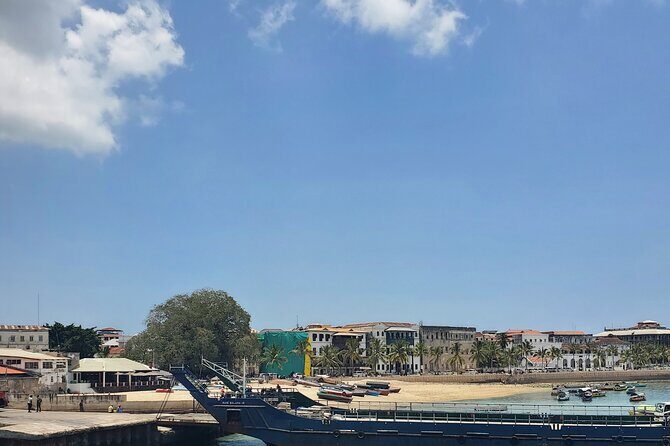
Next is the Old Dispensary. The description calls it a modern dispensary that provided treatments not only in Zanzibar but also across East Africa coastal areas.
This kind of stop is easy to overlook if you’re just chasing the most famous photo spots. It matters because it tells a different kind of story—how services and health care infrastructure developed, not just how empires and traders moved.
You’ll get about 30 minutes, and it’s listed free. Because it’s not described as an interactive museum in the data you provided, plan to rely on your guide’s explanation and the visual cues you see on-site.
Forodhani Gardens: sunset views and the food market vibe
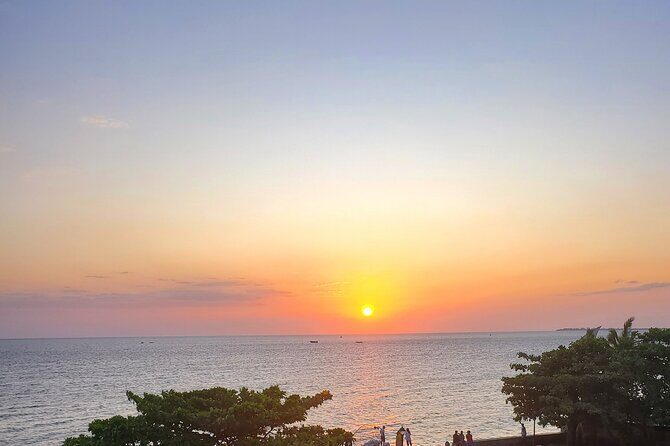
Then the tour lands at Forodhani Gardens, one of the best-known places in Stone Town. The key detail here is timing: during the evening, it becomes a Zanzibar local foods market for both locals and visitors. It’s also a spot where you can enjoy a sunset view during golden hours.
The listing gives you about 35 minutes here and marks admission as free. This stop is where the tour turns into an experience you can feel. You get sights, smells, and that sense of being in the city after hours—not just sightseeing in daylight.
One practical consideration: food markets can vary day to day and can get crowded. If you have dietary restrictions, ask your guide what’s easiest to eat and what to avoid. This is also the moment to slow down a bit—don’t try to rush through the walk and then sprint at the end.
Lukmaan Restaurant: Swahili flavors and a needed break
For refreshments, the tour stops at Lukmaan Restaurant. The listing describes it as a famous place in Stone Town where you can try Swahili local foods that originated from Zanzibar. This is built as a refreshment break inside the walking loop.
You’ll have about 45 minutes, and it’s listed as free within the tour. The listing frames it as your best chance to sample local food during the tour.
Why I like this stop in particular: it’s not just “here’s a restaurant.” It’s placed after a market and sightseeing cluster, so you’re ready for a rest and you’re likely hungry. Also, switching from snack browsing at Forodhani to an ordered meal helps you actually taste something, instead of just sampling a bite here and there.
Pickup, pacing, and who this tour fits best
This is a private walking tour, so only your group participates. Pickup is offered, and the tour ends back at the starting meeting point in Stone Town. That matters because Stone Town is not the kind of place where you want to negotiate your own route after hours of walking.
The format is also flexible in a way that feels practical. In the feedback you shared, people liked that the guide contacted them in advance, showed up on time, and didn’t rush the walk. One named guide you’ll hear about is Osman, noted for knowing the details and being fun while also adapting if you wanted your own stop.
That means this is a great pick for:
- first-time Stone Town visitors who want a guided spine
- couples and small groups who don’t want to merge into a large crowd
- history-minded travelers who want context, not just locations
- music fans who want Freddie Mercury’s Zanzibar connection explained
If you prefer a fully self-guided day, this tour may feel structured. But if you want to get your bearings fast and still have freedom to ask questions, this hits a nice balance.
Value check: is $35 worth it for Stone Town?
At $35 per person for nearly 5 hours, the value comes from how many high-interest stops you get and how many are free. The tour includes time at major locations like the Freddie Mercury Museum, House of Wonders, Old Fort, and others, plus market time and a food stop.
The one admission item not included is the Old Slave Market/Anglican Cathedral, so plan for that add-on. If you’re doing Stone Town anyway, this tour effectively bundles a route, timing, and interpretation for multiple sites into one booking instead of paying for separate tickets and trying to coordinate everything yourself.
And because it’s private, you’re not stuck with a pace that doesn’t match your group.
Should you book this Stone Town private walking tour?
I’d book it if you want a clear, high-impact day in Stone Town without turning your schedule into a checklist. You get a strong mix: a serious historical start, spice-market shopping time, a pop-culture museum stop, key architecture, then evening food-market energy.
Skip it or consider carefully if you:
- dislike walking a lot in tight streets
- want a long, slow museum day rather than short, focused visits
- are counting on only free sights and want zero admission anywhere (there is at least one ticket not included)
If your priority is getting the story straight while also tasting and seeing real Stone Town, this is a solid choice.
FAQ
FAQ
How long is the Stone Town private walking tour?
It runs for about 4 hours 45 minutes.
What does the tour cost?
The price is $35.00 per person.
Is this tour private or shared?
It’s a private tour/activity, so only your group participates.
Is pickup included?
Pickup is offered, and the tour returns to the meeting point at the end.
Are admission tickets included for all stops?
Not all stops. The Old Slave Market/Anglican Cathedral lists admission not included, while several other stops are listed as free.
What is included at Darajani Bazaar?
Darajani Bazaar is a market stop where you can buy spices at local prices, with about 35 minutes allocated.
Is the Freddie Mercury Museum stop part of the tour?
Yes. The Freddie Mercury Museum is included, with about 30 minutes allocated and admission listed as free.
Is there time for food during the tour?
Yes. Forodhani Gardens is an evening food market area, and there’s also a refreshment stop at Lukmaan Restaurant.
What should I know about weather and cancellations?
The experience requires good weather. It has free cancellation, and you can cancel up to 24 hours in advance for a full refund. If canceled within 24 hours, no refund is available.