REVIEW · MOSHI
From Arusha : 11-day Amazing North Tanzania safari tour
Book on Viator →Operated by Beach & Safari · Bookable on Viator
Four parks, one crater, and optional culture time.
I like how this route hits the major Northern Tanzania stars without feeling rushed, and I also like that you can add the Lake Eyasi Hadzabe & Datoga option if you want real human-scale culture. One thing to plan for: the visa isn’t included in the tour price.
You’ll start at Kilimanjaro Airport, get picked up, and spend the first night in Arusha before rolling into parks and crater country. This is priced at $3,745 per person, but what you’re really paying for is a tight private circuit with airport transfers plus meals (breakfast, lunch, dinner are included).
If you’re the type who gets antsy sitting in a vehicle all day, this trip may feel like a lot. Most days are built around game drives and driving time between regions, so the “safari rhythm” is the whole point.
In This Review
- Key highlights worth your attention
- Setting off from Kilimanjaro Airport and getting your safari legs
- Arusha National Park: the small park that helps you learn the safari game
- Tarangire National Park: elephants and dry-country energy
- Lake Manyara National Park: the chance at tree-climbing lions
- Lake Eyasi: add the Hadzabe & Datoga culture day (or take a reset day)
- Ngorongoro Crater: rim views plus a full-day Big Five push
- Serengeti National Park: two drives, two moods
- Ngorongoro Conservation Area and the Pololeti Game Reserve pass
- Price and value: what $3,745 per person is really buying
- What the included meals feel like day-to-day
- Guides matter: the service quality you can expect
- Practical tips you should plan before you go
- Should you book the 11-day Amazing North Tanzania safari?
- FAQ
- Where does this safari start?
- How many days is the tour?
- What major parks are included in the safari?
- Is the Lake Eyasi tribe visit included?
- Are meals included in the price?
- Is an airport transfer included?
- Is the visa included?
- Is this tour private or shared?
- Do you provide a ticket digitally?
- What is the cancellation refund policy?
Key highlights worth your attention
- Serengeti with two chances to go big: one full-day drive plus a second drive on a quieter night stop
- Ngorongoro Crater twice in different ways: rim views and a full-day crater safari in Big Five terrain
- Tarangire for elephants: one of the best places in the north for elephant sightings
- Lake Manyara for the oddball stuff: especially the famous tree-climbing lions
- Lake Eyasi tribe visit is optional: Hadzabe hunters and gatherers plus Datoga herders and blacksmiths
- Meals and transfers included: helps you budget without constant restaurant stops
Setting off from Kilimanjaro Airport and getting your safari legs
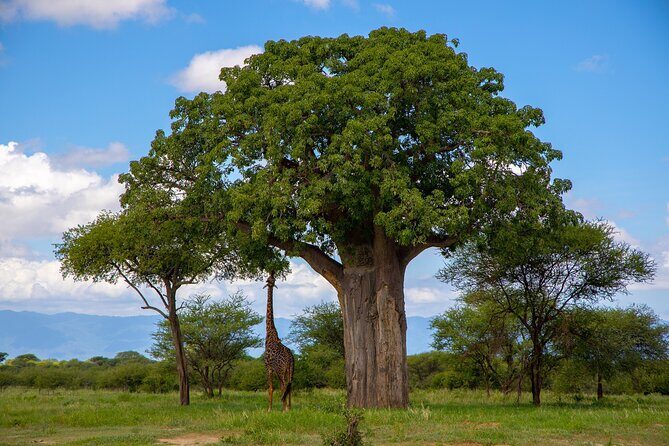
Most Northern Tanzania safaris live or die by the first 24 hours, because that’s when jet lag tries to take control. Here, you start at Kilimanjaro Airport and get airport transfers included, so you’re not guessing, bargaining, or hunting for a ride.
Your first night is in Arusha, often described as the tourism base for the north. It’s a practical choice: you can reset your mind, organize your camera gear, and get briefed before you start doing long game-drive days. If you’ve never done a safari before, Arusha also gives you an early feel for how the region runs—what to expect, and what daily timing looks like.
A few more Moshi tours and experiences worth a look
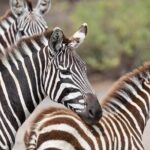

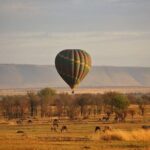
Arusha National Park: the small park that helps you learn the safari game
Your first real wildlife day is Arusha National Park, and it’s a smart warm-up. It’s smaller than the headline parks, but that’s exactly why it works early in the trip: you get game drives without spending your whole day fighting huge-distance logistics.
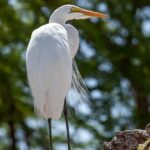
A big plus here is birdlife. This park is known for bird species you don’t see everywhere, so it’s a good day to slow down and practice spotting. Early on, I find this matters: once you know how local guides point out tracks, calls, and behavior, the big parks start clicking fast.
One practical note: because it’s a warm-up day, don’t expect the same scale as Serengeti. That’s not the point. The point is learning how to read the terrain and where wildlife likes to show up.
Tarangire National Park: elephants and dry-country energy
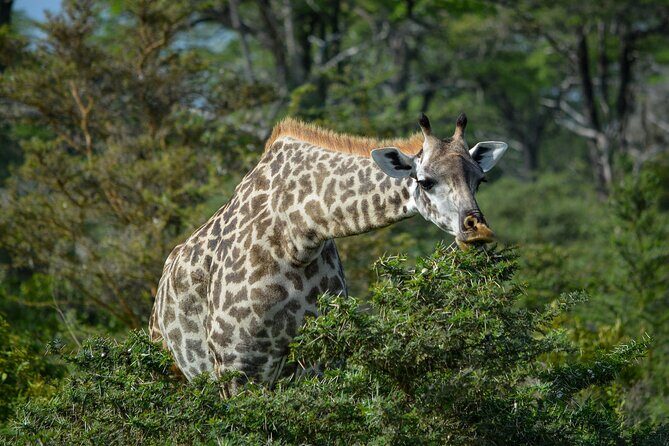
Then you move into Tarangire National Park, often called the best place outside Serengeti for sheer wildlife density. The key detail you should know is the elephant focus. If you want elephants that don’t feel like a lucky accident, this is the stop where you set yourself up well.
Tarangire also tends to bring more of that classic “savanna pulse” people imagine: open areas, clear sight lines, and animals working the landscape like they own it. The drive time is long enough to feel like a real safari day, not a quick photo stop, so you get time to track movement instead of just stopping when something walks by.
If you’re a first-time safari photographer, Tarangire can be a confidence builder. When animals show up around the same areas repeatedly, you get chances to test camera settings without feeling like you’re chasing chaos.
Lake Manyara National Park: the chance at tree-climbing lions
After Tarangire, you hit Lake Manyara National Park for a full day game drive. This is where the trip gives you that headline “wow” moment people talk about: the tree-climbing lions.
Now, a reality check that helps you plan: lions don’t climb on demand. But that’s why Manyara is valuable anyway. The park’s ecological variety means wildlife can appear in different zones, and guides can work the right areas when sightings are active. So even if the climbing lion moment doesn’t land for you, you still have a strong chance at other classic lion country behaviors.
This is also a good day for people who enjoy watching behavior more than just getting a photo. Manyara rewards patience—pause, scan, and trust the guide’s ability to connect what you’re seeing with what’s happening nearby.
Lake Eyasi: add the Hadzabe & Datoga culture day (or take a reset day)
One of the most interesting choices in this tour is the Lake Eyasi day. The tribe visit is explicitly optional, and it centers on the Hadzabe (described as hunters and gatherers) plus the Datoga (herders and blacksmiths).
What I like about this structure is that you can match the trip to your comfort level. If you want culture as part of the safari experience, you can do it. If you prefer a break—maybe you’ve been in a vehicle longer than expected—you can use the day to relax at Africa Safari Karatu and get ready for the crater and Serengeti stretch.
Culture days can be hit-or-miss depending on how they’re handled, but this one is at least set up as an optional component, not forced on you. If you do go, think of it as a chance to understand livelihoods and skills that exist alongside wildlife tourism—different pace, different focus.
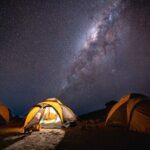
Ngorongoro Crater: rim views plus a full-day Big Five push
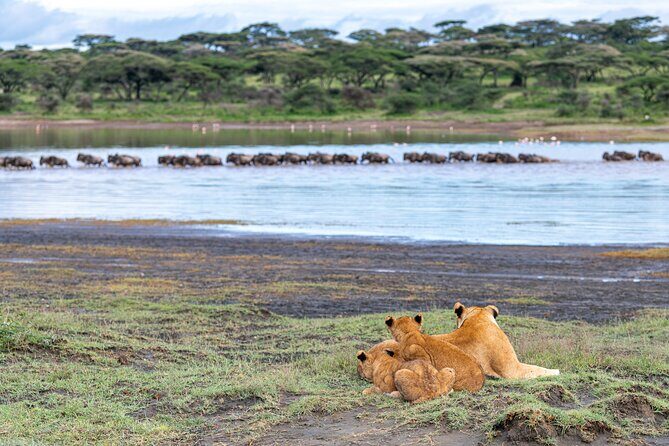
No Northern Tanzania trip feels complete without Ngorongoro Crater, and this one builds it in two ways. First, you reach the rim and enjoy an afternoon safari while moving toward Lake Ndutu. Later, you return for a full-day game drive in the crater conservation area.
That “two-step crater approach” makes sense for practical reasons. The rim viewpoint gives you the scale and drama without demanding you see everything at once. Then the full-day crater safari gives you time to actually watch animals use the crater as habitat—hyenas, zebras, elephants, and more are part of the conservation area mix.
The big promise you’re aiming at here is Big Five terrain, including the African black rhino. It doesn’t mean rhino will be guaranteed for every departure—safari rules still apply—but the area is described as home to the kind of wildlife people travel for.
My advice: treat the crater like a full-day chess match. Bring patience and plan to watch patterns: where animals tend to gather, how they react when others move, and when the guide decides to reposition. That’s where your best sightings often happen.
Serengeti National Park: two drives, two moods
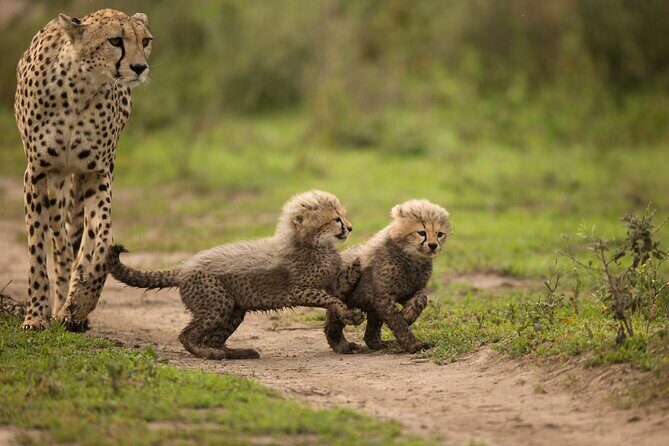
Next comes Serengeti National Park, and you’ll get more than one shot at it. One day is described as a full-day game drive in the Serengeti, and another later day includes a second game drive after you travel to Africa Safari South Serengeti for the night.
That second drive is a quiet advantage. Serengeti can feel enormous, and repeating the region helps you get different light, different animal activity, and different positioning. On a practical level, it also reduces the stress of hoping one day gives you everything.
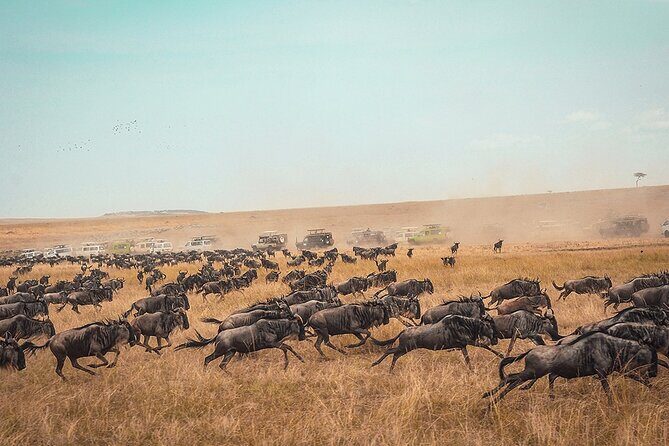
The tour highlights the annual migration timing—when large numbers of wildebeest move across the plains, joined by zebra and other grazing species. Your exact sightings depend on season, of course, but this is the region where those migration stories become real, not just textbook words.
When you’re planning your own expectations, here’s the key: Serengeti is not one “scene.” It’s plains, riverside areas, grassland behavior, predator hunting patterns, and long-distance movement. Two days help you see more than one side of it.
Ngorongoro Conservation Area and the Pololeti Game Reserve pass
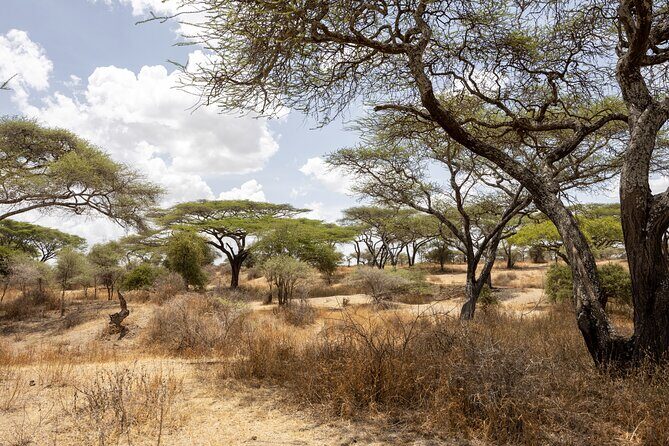
Between Serengeti and the final crater day, the route includes the Ngorongoro Conservation Area, with driving through the Pololeti Game Reserve. This is another good example of how the tour uses “in-between” time as an actual safari opportunity, not just a transfer.
The wildlife types listed for this section include lions hunting, elephants roaming, buffalo grazing, and galloping antelope. That combination hints at a drive where you might see both predators in action and herbivores in motion—exactly the kind of variety that keeps your camera busy without feeling like you’re only seeing one species all day.
This is a day that can also help you take a mental breather. You’re still hunting wildlife, but you’re also changing landscapes and getting fresh sight lines for animals moving across open country.
Price and value: what $3,745 per person is really buying
Let’s talk value without pretending all safaris are the same.
At $3,745 per person, you’re paying for an 11-day circuit that includes:
- Airport transfers
- Meals: breakfast, lunch, dinner are included (each listed as 10)
- A structured set of major wildlife areas: Arusha, Tarangire, Lake Manyara, Serengeti (twice), Ngorongoro (twice), plus the Ngorongoro Conservation Area/Pololeti segment
- A chance to add Lake Eyasi tribe time (optional)
- A private setup where it’s only your group
So the real value isn’t just the parks. It’s the fact that you’re not trying to piece together logistics across multiple regions while doing wildlife drives each day. In a country like Tanzania, that planning burden is part of what costs money—and here, it’s handled for you.
One more consideration: visa isn’t included, and you’ll want to budget that separately. Also, the tour price is per person, so if you’re traveling solo, your cost is higher than shared-vehicle group safaris.
What the included meals feel like day-to-day
Meals can make or break long tours because safari days rarely follow normal schedules. Here, breakfast, lunch, and dinner are included, which helps keep your energy steady for early starts and long drives.
You’ll likely be eating in rhythm with game-drive days rather than on your own schedule. That’s actually a positive if you hate making decisions every day. It also means you can pack your day bag without worrying you’ll be stuck hunting food.
Guides matter: the service quality you can expect
The strongest praise in the provided review snippets centers on guides who know how to make the trip feel smooth and worth it. Names that come up include Muktar, Christopher, and Libe, and the pattern is the same: strong communication, a real effort to deliver good sightings, and help with requests like adding extras.
If you’re booking, ask the operator which guide you’ll have and what flexibility exists for extra activities. The trip description itself mentions options (like Lake Eyasi), so that question is fair.
Practical tips you should plan before you go
I’d pack and plan like this because Northern Tanzania safari days are physical, even when you’re just sitting in a vehicle:
- Bring binoculars if you can. If not, consider renting once you’re there, but binoculars make spotting much easier.
- Use a sun-proof hat and sunscreen. Days in open country add up fast.
- Have lens cloths and a small cleaning kit. Dust happens.
- Put your chargers in one place. You’ll thank yourself during transfer days.
- If you do the Lake Eyasi tribe visit, wear clothing that’s comfortable for close-up interactions and walking.
Also, mentally prepare for a “focus mode.” This isn’t sightseeing in a city. It’s wildlife viewing, repeated in different ecosystems, with driving between them.
Should you book the 11-day Amazing North Tanzania safari?
If you want a classic Northern Tanzania circuit—Serengeti and Ngorongoro front and center, plus Tarangire, Lake Manyara, and optional Lake Eyasi culture—this tour fits well. I especially like the two opportunities for Serengeti and the two crater experiences, because you get more chances at sightings and less pressure on one day.
Book this if:
- You want a structured safari with meals and transfers included
- You’re okay with lots of driving time between major regions
- You’d like the option to add culture at Lake Eyasi
Skip it or rethink it if:
- You don’t want to spend long days in the vehicle
- You’re sensitive to extra costs like the visa, which you’ll need to arrange separately
If your goal is simple—see the northern highlights in a well-run flow—this is a solid choice. And if you bring patience for wildlife timing, it has the right ingredients for a trip you’ll remember long after you get home.
FAQ
Where does this safari start?
It starts at Kilimanjaro Airport with airport transfers included.
How many days is the tour?
The tour is about 11 days.
What major parks are included in the safari?
You’ll visit Arusha National Park, Tarangire National Park, Lake Manyara National Park, Serengeti National Park, and Ngorongoro Crater/Ngorongoro Conservation Area, including a drive through Pololeti Game Reserve.
Is the Lake Eyasi tribe visit included?
The Lake Eyasi Hadzabe & Datoga experience is listed as optional. If you prefer not to do it, that day can be used to relax at Africa Safari Karatu.
Are meals included in the price?
Yes. Breakfast, lunch, and dinner are included (each listed as 10).
Is an airport transfer included?
Yes, airport transfers are included.
Is the visa included?
No. The visa is not included.
Is this tour private or shared?
This is a private tour/activity. Only your group participates.
Do you provide a ticket digitally?
The tour features include a mobile ticket.
What is the cancellation refund policy?
You can cancel up to 6 days in advance for a full refund. Between 2–6 days before the start time, refunds are listed as 50%, and within 2 days there is no refund.