REVIEW · ZANZIBAR CITY
Stone town Private walking tour
Book on GetYourGuide →Operated by ALSA TRAVEL & TOURS · Bookable on GetYourGuide
Stone Town can feel like one long hallway of stories, and this private walking tour turns those streets into a living lesson. You’ll trace the era when Zanzibar became a major hub in the slave trade, and you’ll also see how different cultures left fingerprints on the city. I love the way this tour connects heavy history with real places you can still walk past, and I especially liked the guide touch that keeps it engaging.
What really works for you here is the mix of stops: the old slave market site paired with day-to-day scenes like Darajani fish market, plus landmarks tied to architecture and influence. You’re also getting a private guide and hotel pickup/drop-off, so it’s easier to stay on schedule and ask questions as you go. One thing to consider: this is a walking tour through tight streets, so if you’re short on stamina, you’ll want to plan for frequent stops and take breaks when you need them.
In This Review
- Key Highlights You’ll Notice Fast
- A 3-hour private walk that links slave-trade sites with Zanzibar’s built identity
- Getting picked up and starting in the right mood
- Old slave market site: the core stop you’ll remember
- Darajani fish market: a real-time contrast that makes the lesson land
- Freddie Mercury house area: pop culture in the same maze
- House of Wonders and the shifting influences you can actually see
- Old Fort: standing where control was visible
- Cathedral Anglican Church: included entrance, included context
- Price and what $90 buys you for a private 3-hour guide
- What to wear and how to pace yourself in narrow Stone Town streets
- Who this tour is for, and who should think twice
- Should you book this Stone Town Private Walking Tour?
- FAQ
- How long is the Stone Town Private Walking Tour?
- How much does the tour cost?
- Is the tour private?
- Where will I be picked up?
- What stops are included during the walk?
- What’s included in the price?
- What is not included?
- What languages does the live guide speak?
- Is free cancellation available?
- Is there a pay-later option?
Key Highlights You’ll Notice Fast

- Old slave market site with context on Zanzibar’s role in the slave trade
- Darajani fish market for the contrast of daily life beside difficult history
- Freddie Mercury house area showing how pop culture sits in the same maze of streets
- House of Wonders and the city’s shifting cultural influences over time
- Old Fort to help you picture why this place mattered for trade and control
- Cathedral Anglican church stop where the tour includes the entrance fee
A 3-hour private walk that links slave-trade sites with Zanzibar’s built identity
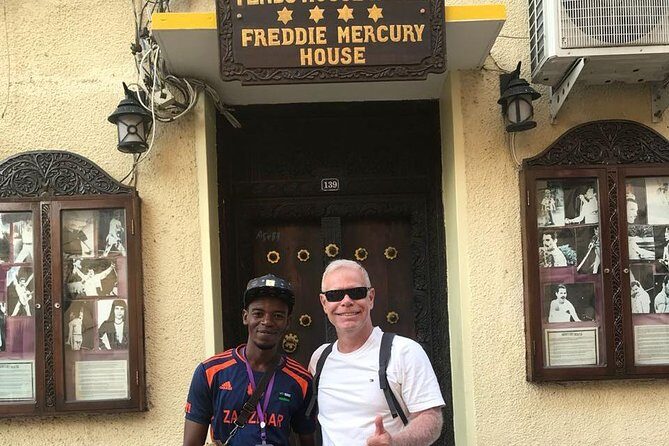
A lot of tours in Zanzibar skim the surface. This one is built around walking, and it stays focused on why Stone Town looks and feels the way it does. In about three hours, you’ll move through key points tied to the slave trade from the 17th and 18th centuries, and you’ll also learn how Zanzibar became a center in that system.
The reason this matters for your trip is simple: if you only see Stone Town as pretty doors and carved balconies, you miss what shaped the city. Here, you get the narrative thread that ties people, power, and trade to specific locations. And because it’s private, the guide can pace things for your questions instead of running on a group timetable.
One more detail I like: the tour is explicit about the mix of Arabs, Oman, British, and earlier European and Persian connections mentioned in the story. It’s not just one-theme storytelling. You’ll hear how different waves influenced the architecture and the city’s role.
You can also read our reviews of more walking tours in Zanzibar City



Getting picked up and starting in the right mood

The day begins with hotel pickup. Your driver/guide meets you at the lobby of your hotel and checks your names, so you’re not wasting time hunting in an unfamiliar city. That may sound minor, but on a compact tour like this, it helps you settle in faster.
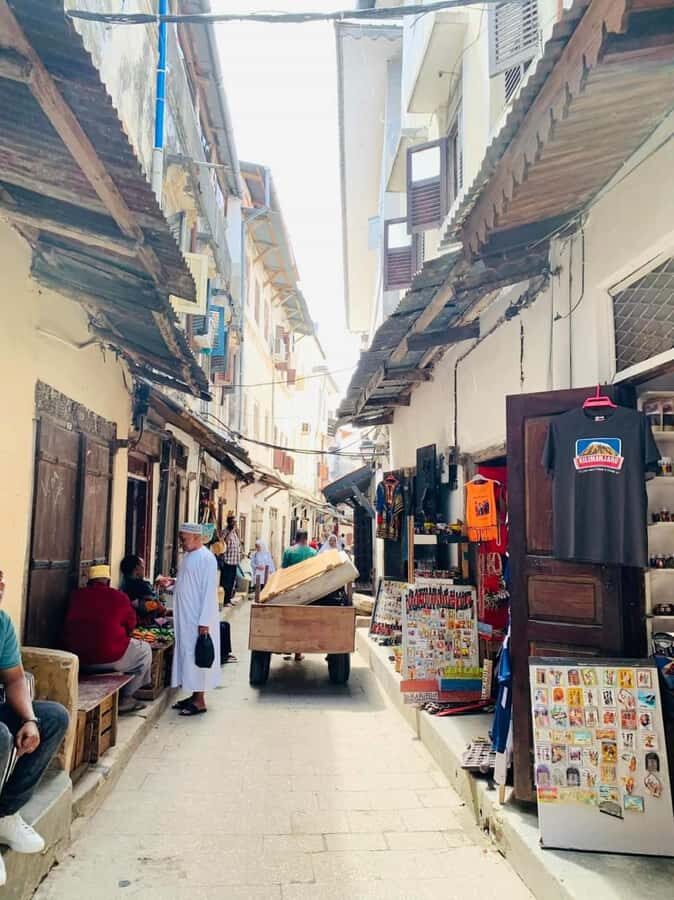
Once you’re on foot, Stone Town makes you slow down without trying. The roads are narrow, and the streets braid together different styles and eras. You’ll feel the city’s layered identity as you walk. Expect a route that keeps you looking at buildings and corners, not just crossing from point A to point B.
This is also where the guide matters. In particular, the guide Mu stood out for being prepared, charming, and funny, which is a great combination when the subject matter gets heavy. A good sense of timing keeps the experience from feeling like a classroom lecture.
Old slave market site: the core stop you’ll remember

This tour’s emotional center is the old slave market site. The tour frames Zanzibar as a hub in the slave trade, and it connects that role to the broader story of control during the period when Arabs held power in the 18th century.
You don’t need to know the history before you arrive. The value is that you’ll get the story in the place where it happened, and the guide ties that to what you’re seeing around you. Walking here helps your brain connect timeline and geography at the same time, which is tough to do when everything is described far away.
Possible consideration: since the topic is about slavery and forced human movement, it can feel emotionally intense. If you’re sensitive to dark history, plan your mindset. I’d also suggest bringing a little patience for yourself. The best tours don’t rush this section.
Darajani fish market: a real-time contrast that makes the lesson land
Right after the heavy focus, you’ll head to Darajani fish market. This stop is valuable because it pulls you out of pure memorial mode and brings you into the living city.
Why that contrast works: it reminds you that Stone Town isn’t just a museum. People still trade, cook, buy, and sell here. That everyday energy doesn’t erase what happened, but it prevents the tour from turning into only grief. You’ll see how the city continues to function while carrying difficult memories.
Also, markets help you read a place through senses. Even if you don’t spend much time here buying anything, you’ll understand why locals never talk about Stone Town as if it froze in time.
Practical note: the tour doesn’t include foods and drinks, so if you want something to nibble during your walk, plan to purchase it yourself. Keep it simple and pace-friendly.
Freddie Mercury house area: pop culture in the same maze
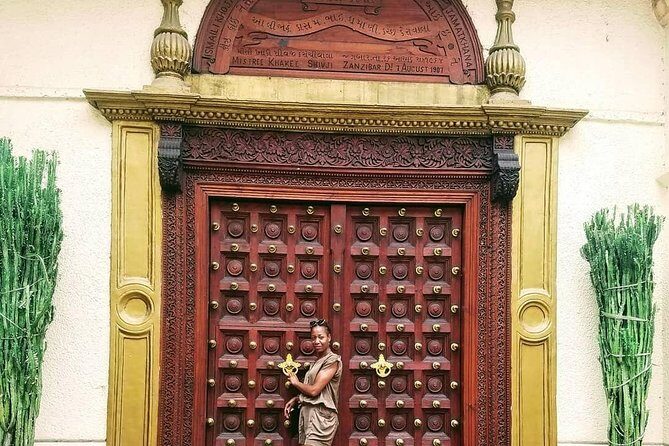
Yes, you’ll get to Freddie Mercury related sights during the walk. This part can surprise first-timers, because it feels like a totally different vibe from slave-trade storytelling.
Here’s why it’s still meaningful: Stone Town is a place where eras overlap. A global superstar’s home is located inside a city that has also hosted trading networks and colonial pressures. Seeing these together gives you a more accurate picture of how cities evolve—people remember them differently, but the streets hold every layer.
If you care about music history, you’ll enjoy how the tour uses a famous connection to keep the walk moving and the mood from going dark all the way through. Just don’t treat it as a distraction. Think of it as an example of how Stone Town became global in more than one way.
You can also read our reviews of more private tours in Zanzibar City





House of Wonders and the shifting influences you can actually see
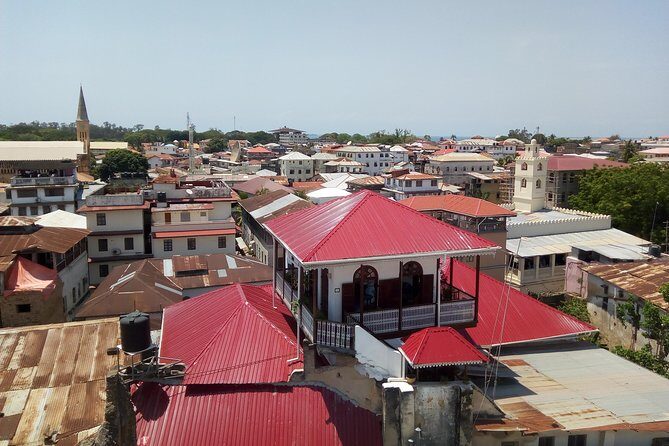
Another anchor stop is the House of Wonders. The tour frames it within the larger theme of who arrived, who ruled, and what influence took root in Zanzibar.
You’ll hear a sequence of arrivals and eras mentioned in the tour story, including references to early connections described as Persian origins, Portuguese-era links tied to Vasco da Gama, and later Arabs from Oman plus the British. The key point you should take from this stop is not to memorize every name—it’s to understand why Stone Town looks like it does. You’re looking at a city shaped by trade routes and political control.
When you walk, you’re also comparing vibes: architecture, street patterns, and the way spaces feel. Even if you’re not an architecture expert, your brain can pick up the differences when you’re standing right there.
If you’re hoping for a stop that’s mostly about details and facts, you’ll likely appreciate this part. It gives you a bridge between the slavery focus and the broader story of how power shaped the built environment.
Old Fort: standing where control was visible

The walk continues to the Old Fort, which helps you picture the city as more than a trading stage. Forts tell you where security mattered, where authority was enforced, and where outsiders and goods had to pass through systems.
This stop is useful because it rounds out the theme. Slave trading wasn’t just a market. It was also a network with control points. The Old Fort gives you a sense of how the city’s layout supported that kind of power.
One consideration: if you prefer purely interpretive stops with lots of discussion, you might want to give yourself a moment to settle here. Fort areas can feel more open and less “street-museum” than the narrow lanes. That’s not a negative, just a different energy.
Cathedral Anglican Church: included entrance, included context

The tour includes the entrance fee at the Cathedral Anglican church. This is a good inclusion because it means you’re not stopping at one of the tour’s planned landmarks and then needing to figure out costs mid-walk.
At this stage, the story has already covered the slave trade’s center role, plus the city’s influences. The church stop adds another layer: you’re seeing how Zanzibar’s history also included institutional and religious presence connected to colonial-era currents.
Even if you’re not a church-focused visitor, the included entrance turns this into a “planned value” moment. You’ll likely spend enough time to notice architectural cues and how this space fits into the larger Stone Town scene.
Price and what $90 buys you for a private 3-hour guide
At $90 per person for a 3-hour private walking tour, you’re paying for several things that matter in practice:
- Private pacing: you’re not sharing the guide’s attention with a larger group
- Hotel pickup and drop-off: you’re saving time and friction at the start and end
- A guide who can steer the story: including the mix of slavery-era context and cultural influences
- Entrance fee included at the Cathedral Anglican church
In other words, you’re not just buying walking access. You’re buying guided interpretation plus logistics that keep you from spending your time figuring out routes.
When the topic is complex, a strong guide can save you from confusion. And the guide performance is backed by what people have said about their experiences, including feedback that Mu was prepared, knowledgeable, charming, and had a good sense of humor. That last part matters more than you might think, especially when the tour covers slavery.
What to wear and how to pace yourself in narrow Stone Town streets
Since this is a walking tour through Stone Town’s narrow roads, plan for comfort. Choose shoes with grip and wear clothes that handle lots of turning your head and stopping for photos.
Also, expect the tour to move between emotionally heavy and everyday scenes. That means you’ll benefit from a simple personal strategy: go slowly, drink water when needed, and don’t feel pressured to keep a nonstop pace just because you hired a private guide. If you want a quick pause, you can ask for it.
And since foods and drinks aren’t included, consider whether you’ll want a snack after the market area or before the most intense historical segments. Keep it light and easy.
Who this tour is for, and who should think twice
This tour is a strong fit if you:
- want a guided walk through Stone Town that takes the slave trade era seriously
- like seeing a place through multiple lenses: history, daily life, architecture, and cultural layers
- prefer private pacing and direct conversation with your guide
- value a guide who can keep a difficult topic readable without turning it into a lecture
It may be less ideal if you:
- strongly dislike emotionally heavy subject matter and don’t want context about slavery
- have mobility limits that make sustained walking difficult (this is a walking tour, so pacing matters)
Should you book this Stone Town Private Walking Tour?
I think you should book this tour if your goal is understanding Stone Town beyond postcards. The combination of the old slave market site, Darajani fish market, landmarks like House of Wonders, and key areas such as Old Fort gives you a more complete picture than a single-theme walk.
The price also feels fair for what you get: private guide time, hotel pickup/drop-off, and an included entrance fee. And the guide experience matters here. With feedback that Mu was prepared, charming, and funny, you’re more likely to get a tour that’s both accurate and comfortable to listen to, even when it’s covering hard history.
FAQ
How long is the Stone Town Private Walking Tour?
It lasts 3 hours.
How much does the tour cost?
The price is $90 per person.
Is the tour private?
Yes. It’s listed as a private group.
Where will I be picked up?
Your driver/guide will meet you at the lobby of your hotel with your names. Pickup is in Zanzibar.
What stops are included during the walk?
The tour includes stops such as the old slave market site, Darajani fish market, Freddie Mercury house area, House of Wonders, and Old Fort, plus an entrance at Cathedral Anglican church.
What’s included in the price?
The tour includes hotel pick up and drop-off, a tour guide, and the entrance fee at Cathedral Anglican church.
What is not included?
Personal needs, tip, and foods and drinks are not included.
What languages does the live guide speak?
The guide offers live commentary in English, French, German, and Italian.
Is free cancellation available?
Yes. You can cancel up to 24 hours in advance for a full refund.
Is there a pay-later option?
Yes. You can reserve now and pay later, meaning you can book your spot and pay nothing today.