REVIEW · ARUSHA
5 Days Group Camping Safari
Book on GetYourGuide →Operated by Suricata Safaris Ltd · Bookable on GetYourGuide
A safari that mixes comfort with wild Africa. This 5-day group camping safari from Arusha is built around big parks, real game drives, and sleeping under the sky when the bush gets quiet. You’ll move through Tarangire, Lake Manyara, Serengeti, and Ngorongoro with an English-speaking guide and a 4×4 vehicle.
Two things I like a lot: you get a small group capped at 6 people, and the itinerary hits four iconic ecosystems instead of just one or two. I also appreciate the way the trip is organized around day-to-day game viewing, with meals and camping taken care of so you can focus on spotting animals.
One drawback to think about: nights can get cold (around 5°C), and camping plus lots of time on uneven tracks isn’t ideal if you have a back issue or trouble with long drives.
In This Review
- Key highlights worth packing for
- Arusha camping safari basics: what this trip is built to do
- Four parks in one rhythm: what each stop really offers
- Tarangire National Park: elephants, baobabs, and steady sightings
- Lake Manyara National Park: tree-climbing lions and flamingos
- Serengeti National Park: Big Five odds and Migration timing
- Ngorongoro Conservation Area: crater wildlife in high concentration
- Day-by-day walkthrough: how the week flows
- Day 1: Tarangire National Park and your first bush-night
- Day 2: Lake Manyara game drive, then a relaxed night under the stars
- Day 3: Serengeti day with a camp night in private sites
- Day 4: Morning drive in Serengeti, then to Ngorongoro
- Day 5: Ngorongoro Crater morning game drive and picnic lunch back to Arusha
- Guides and the small-group limit: why 6 people changes everything
- Camping reality check: meals, comfort, and what to bring
- Wildlife rules that keep the experience ethical and better for you
- Packing and limits: the safari kit that keeps you sane
- Clothing
- Luggage
- Mosquito repellent
- Price and value: what $1,350 buys you (and what it doesn’t)
- Who this safari fits best
- Should you book Suricata Safaris for this 5-day camping safari?
- FAQ
- Which parks are visited on this 5-day safari?
- How big is the group and what language is the guide?
- What is included in the $1,350 per person price?
- What is not included?
- What packing rules should I follow?
- Are binoculars and basic bathroom items provided?
- Is it refundable, and can I pay later?
Key highlights worth packing for
- Small group (max 6) means more eyes on the spotting game and less chaos at camp
- Tarangire + baobabs + huge elephant herds for classic East Africa safari vibes
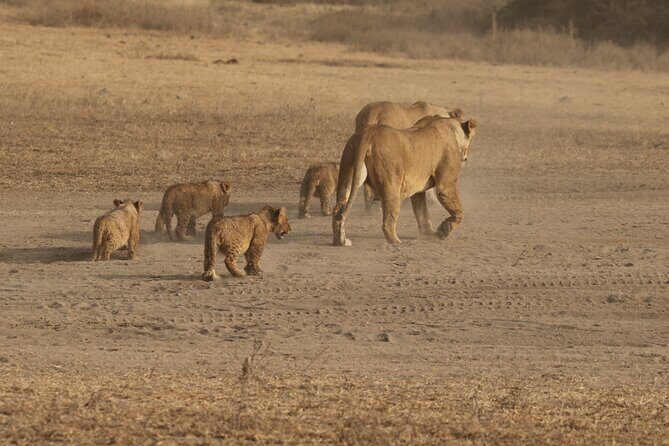
- Lake Manyara includes a real chance at tree-climbing lions and flamingos
- Serengeti days give you the Big Five odds and a shot at the Great Migration timing if it matches your dates
- Ngorongoro Crater concentrates wildlife, including chances for the rare black rhino
- Camping under African skies with meals included, plus mineral water during the safari
Arusha camping safari basics: what this trip is built to do
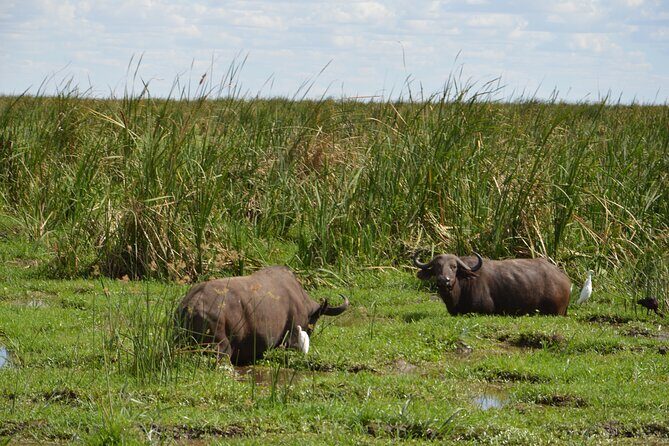
This is a 5-day group safari run by Suricata Safaris from Arusha, focused on getting you into the right places at the right times for game viewing. The structure is simple: drive, look, stop, listen, then camp and do it again the next morning. If you want the classic Tanzania feel without turning it into a complicated logistics project, the setup here is practical.
The value comes from what’s included. In one price, you get 4×4 safari transportation, an English-speaking professional guide, park entrance fees, and accommodation plus meals during the safari. That matters because those costs add up quickly once you start mixing and matching tours.
The trip is also designed for watching animals up close—without cutting rules or breaking etiquette. You won’t be doing risky stuff like feeding wildlife or touching animals. You will spend long enough out on the road for the guide to find the right stretches of activity.
A few more Arusha tours and experiences worth a look
Four parks in one rhythm: what each stop really offers
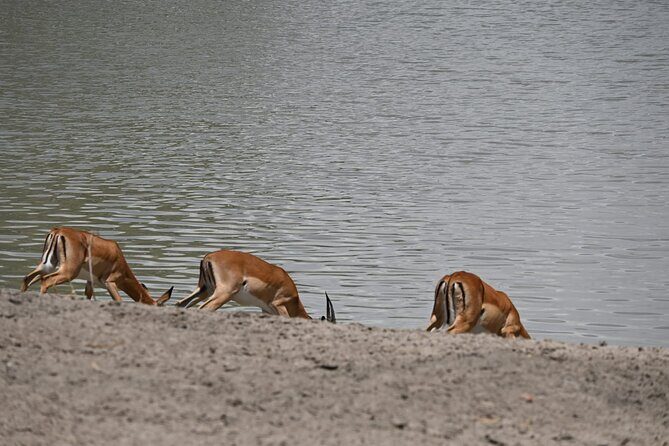
This safari is paced to hit four major parks that each feel different, so you’re not repeating the same scenery all week. Here’s what each place brings, and what you should expect to focus on.
Tarangire National Park: elephants, baobabs, and steady sightings
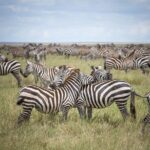
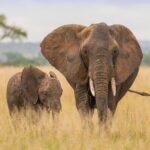
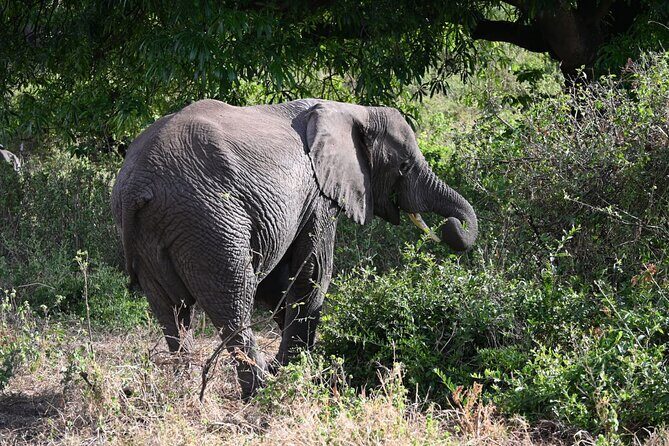
Tarangire is famous for big elephant herds and ancient baobab trees, which create a safari look that feels instantly recognizable. You’ll get a full day of game viewing with the chance to spot common stars like lions, giraffes, zebras, and wildebeests.
Why this stop works early in your trip: on Day 1, your eyes are fresh and your guide has time to set the rhythm—where to position the vehicle, how to read animal movement, and when to pause. Even if you’ve seen elephants in photos before, Tarangire’s herd energy is different.
Lake Manyara National Park: tree-climbing lions and flamingos
Lake Manyara can feel dramatic because the park sits around the lake, and wildlife uses the area in obvious ways. Here you’ll look for tree-climbing lions (a signature feature of this region), along with elephants and flamingos.
The practical takeaway: Manyara is a good day for variety. You might get dramatic wildlife sightings, then switch to calmer moments at the water’s edge. Either way, it’s a strong day for getting your spotting skills dialed in.
Serengeti National Park: Big Five odds and Migration timing
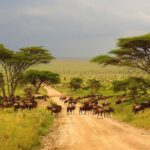
Serengeti is where expectations get real. You’ll spend a day exploring the park’s plains, and your guide will work toward the big targets. Depending on the timing of your travel, you may have a chance to see the Great Migration. If not, you still have serious wildlife opportunities, including the Big Five in their natural habitat.
This is also where you’ll feel the difference between “seeing animals” and “understanding what you’re seeing.” In Serengeti, animals move constantly. Your guide’s job is to help you notice patterns—where activity clusters, how predators position, and when it’s worth staying with a sighting.
A few more Arusha tours and experiences worth a look
Ngorongoro Conservation Area: crater wildlife in high concentration
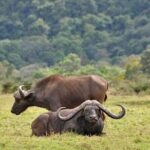
Ngorongoro is about density. The crater floor supports a heavy concentration of wildlife, and that’s what makes the area so productive for game drives. On your final day, you’ll head out in the morning for one more strong viewing window and you’ll aim for lions, elephants, buffalo, and the rare black rhino.
You also get a scenic transfer day from the Serengeti into the conservation area, which helps break up the week. The highlands drive gives you views and a chance to reset before the crater day.
Day-by-day walkthrough: how the week flows
I like how this itinerary avoids filler. Each day has a clear mission: drive hard, camp well, repeat.
Day 1: Tarangire National Park and your first bush-night
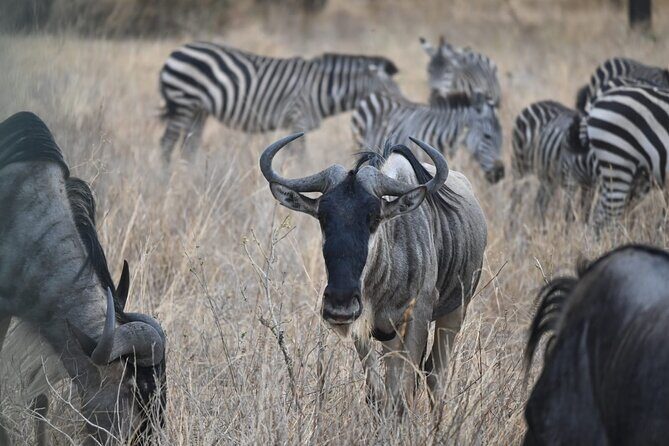
You start in Tarangire and settle into the safari rhythm right away. Expect the classic combination of elephants, giraffes, zebra, and wildebeest, plus a real chance to spot predators like lions.
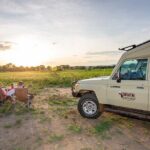
At camp, you’re not heading straight back to a city hotel and losing the mood. You’ll return to a campsite where you can actually hear the bush working. That’s part of what makes the camping safari feel like a safari and not just a series of parking-lot sightings.
Day 2: Lake Manyara game drive, then a relaxed night under the stars
Lake Manyara day starts with game viewing and pushes you toward the famous targets, especially tree-climbing lions. You’ll also keep an eye out for elephants and flamingos.
After the drive, you sleep at a designated campsite. The calmer pace here is smart because it keeps you from burning out before Serengeti.
Day 3: Serengeti day with a camp night in private sites
Serengeti gets you a full day exploring the plains. If you’re traveling during the right season, Migration moments can happen. If you’re not, you still have big-game chances and plenty of wildlife action at the right distances.
At night, you camp in one of Serengeti’s private campsites. That’s a nice compromise: you get the safari feeling while still having structured camping instead of roughing it with unclear services.
Day 4: Morning drive in Serengeti, then to Ngorongoro
You start early with a morning game drive in Serengeti, which is usually when wildlife activity feels sharpest. After that, you drive to Ngorongoro Conservation Area.
This transfer day matters more than it sounds. The road time stretches out the week so you’re not always rushing, and you’ll get views through the highlands before you set up camp for the crater morning.
Day 5: Ngorongoro Crater morning game drive and picnic lunch back to Arusha
Your last morning is crater time. The Ngorongoro Crater is known for dense wildlife on the floor, so your guide aims for the classic set: lions, elephants, buffalo, and a shot at the rare black rhino.
You’ll enjoy a picnic lunch, then head back to Arusha to close out the safari.
Guides and the small-group limit: why 6 people changes everything
A safari with up to 6 participants is a big deal. Fewer people means less crowding around animal sightings and more flexibility in how your guide maneuvers the vehicle. It also makes camp life feel easier—quieter, more organized, and less waiting around.
The trip includes a professional English-speaking guide, and that guide is your main “gear.” You’re depending on their eye and their patience as much as on any binocular. In one of the experiences shared, Emanuel was noted for strong spotting skills, including a rare black rhino and even a pair of lions. You should still expect wildlife to be wildlife—no one can promise specific sightings—but the right guide style improves your odds.
A small group also helps you learn faster. You’ll notice how guides read behavior: when to hold position, when to drive slowly, when to keep scanning the same area longer. That’s how you squeeze more value out of each game drive.
Camping reality check: meals, comfort, and what to bring
The safari includes accommodation and meals during the trip, so you don’t have to plan where to eat each day. Mineral water is provided during the safari, which is helpful when you’re out driving and sweating off the excitement.
That said, camping has rules and basic comforts vary by setup. The best move is to pack smart for weather swings. Night temperatures can drop to around 5°C, so you’ll want a warm layer ready—think sweater, socks, and a jacket.
Also, bring what the safari doesn’t provide: the info specifically notes you should pack a towel for shower and toilet paper. Plan for those small “daily life” items, or you’ll end up borrowing or improvising.
You might also want to mentally accept that Tanzania mornings are not gentle. You’ll be up early for game drives, and getting out of camp with cold air on your skin is part of the deal.
Wildlife rules that keep the experience ethical and better for you
This safari is clear about what you should not do: no feeding animals, no bright colors, and no touching wildlife. Those rules protect you and protect the animals.
The clothing advice ties right into that. Neutral colors like white, beige, and green help your presence blend into the environment instead of screaming for attention. It also reduces sun glare if you’re out driving in open areas.
One more practical note: you won’t be walking up to wildlife, so your best viewing tools are distance and patience. Binoculars are mentioned, with guides sharing one available in the vehicle. You can bring your own if you like, but it’s good to know you’re not stuck without help.
Packing and limits: the safari kit that keeps you sane
Here are the packing points that actually matter on this kind of safari.
Clothing
Neutral colors are recommended, and warm layers are non-negotiable because nights can sit around 5°C. Bring socks and a jacket, not just a light day outfit.
Luggage
There’s a 10kg luggage limit per person. If you pack heavy, expect to shuffle items, or you’ll have trouble fitting everything. Duffel bags are recommended, which usually makes life easier in cramped vehicle spaces.
Mosquito repellent
You’re advised to use mosquito repellent with a high mint concentration. Even if you don’t love the smell, it’s an easy win for comfort during evening and early morning.
Price and value: what $1,350 buys you (and what it doesn’t)
At $1,350 per person for 5 days, this is positioned as a midrange, “all-in safari mechanics” option rather than a budget puzzle. You get transportation in a 4×4 vehicle, guide support, park entrance fees, and meals plus accommodation during the safari.
That’s the real value part. If you try to assemble these pieces yourself, park fees and logistics quickly add up, and you often lose the tight schedule that makes early game drives possible.
What’s not included is also clear:
- Visa
- International and domestic flights
- Travel insurance
So your real planning job is to add airfare and insurance on top, plus make sure your passport and visa paperwork are sorted. If you’re traveling from outside Tanzania, budget time for that admin.
Also, the “reserve now & pay later” approach gives some flexibility if your dates aren’t fully locked.
Who this safari fits best
This trip is a good match if you want organized camping, a small group, and a route that hits major parks without turning your week into constant transfers. It’s also a strong fit for wildlife lovers who care about ethics, timing, and having a guide who knows where to look.
It may not fit you if you have:
- back problems
- wheelchair needs
- age limits that apply (babies under 1 year, and people over 95)
If your body handles early mornings and time in a safari vehicle, you’ll likely enjoy the pace.
Should you book Suricata Safaris for this 5-day camping safari?
I’d book this if you want a safari that feels grounded: four iconic parks, a small group cap, English guiding, and camping plus meals handled for you. The $1,350 price looks fair when you factor in the included vehicle, entrance fees, and daily support.
I’d pause before booking if cold nights and physical travel time don’t work for you, or if your packing style ignores the 10kg luggage limit. Also, if you’re the kind of traveler who wants hotel-level comfort every night, this is not that format.
If you can handle early starts and you’re excited to sleep under the African sky, this is the kind of trip that tends to stick in your memory for the right reasons.
FAQ
Which parks are visited on this 5-day safari?
The safari visits Tarangire National Park, Lake Manyara National Park, Serengeti National Park, and the Ngorongoro Conservation Area (including Ngorongoro Crater).
How big is the group and what language is the guide?
The group is small, limited to 6 participants, and the guide provides live English interpretation.
What is included in the $1,350 per person price?
Included are 4×4 safari vehicle transportation, a professional English-speaking guide, park entrance fees, mineral water during the safari, and accommodation and meals during the safari.
What is not included?
Not included are visa, international and domestic flights, and travel insurance.
What packing rules should I follow?
Neutral colors are recommended (like white, beige, and green). Bring warm layers because nights can drop to around 5°C, and keep luggage within the 10kg per person limit. A duffel bag is recommended, and mosquito repellent is advised.
Are binoculars and basic bathroom items provided?
Binoculars are mentioned, with a binocular available to share in the vehicle. The tour information also notes you should bring a towel for shower and toilet paper.
Is it refundable, and can I pay later?
Yes. There is free cancellation up to 24 hours in advance for a full refund, and there is a reserve now & pay later option (book your spot and pay nothing today).