REVIEW · MOSHI
Climb Kilimanjaro via Marangu Route 6 Days
Book on Viator →Operated by Enjoy Kili Limited · Bookable on Viator
Kilimanjaro starts with muddy rainforest steps. This 6-day Marangu climb runs from Marangu Gate through moorland to Kibo, giving you classic “roof of Africa” views with a solid support setup. I especially like the mix of planned rest time for altitude (Horombo acclimatization) and the crew setup that includes tents and double sleeping mats. One thing to weigh: Marangu can feel busy on popular days, and the minimum 6 days is tight if you’re slow to acclimatize.
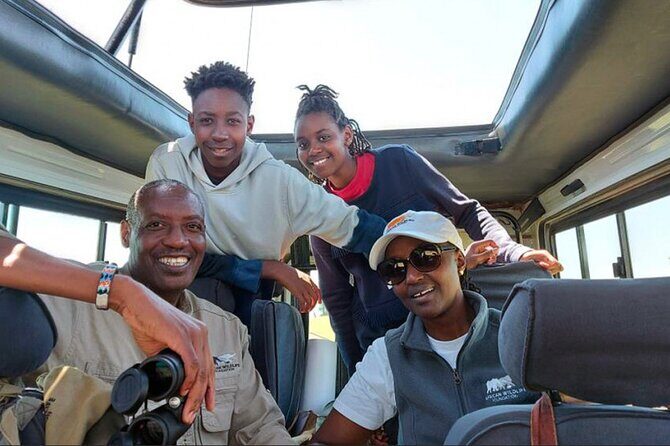
You’ll be in the care of a real team, not just a driver-and-go. In the reviews, the guides and chef are repeatedly named, including David (owner), Seleman Honguo, Allen Katunzi, and Joachim, which lines up with what you want on summit day: calm, organized help and good food. The route is demanding, but it’s also structured, so you’re not guessing.
In This Review
- Key Things That Make This Marangu Climb Worth It
- Why the Marangu Route Feels Like a Real Expedition
- Price and What You’re Actually Paying For at $1,800
- Day 1: Moshi to Marangu Gate and the Rainforest Start
- Day 2: Moorland Opens Up and Mawenzi Shows Up
- Day 3: Acclimatization Day at Horombo (This Is Where Winners Are Made)
- Day 4: Volcanic Highlands to Kibo Huts and the Early-Night Plan
- Day 5: Uhuru Peak Summit Day With Possible Snow
- Day 6: Final Descent Through Rainforest Back to Marangu Gate and Arusha
- The Crew, Food, and the Small Things That Make or Break It
- Who Should Book This Marangu 6-Day Climb (and Who Should Think Twice)
- Should You Book This 6-Day Marangu Kilimanjaro?
- FAQ
- How long is the Kilimanjaro climb on this program?
- Where does the climb start and where is the meeting point?
- Is pickup included?
- What meals and camp support are included?
- Are any medical services included?
- Are toilets provided?
- What should I plan for in addition to the tour price?
Key Things That Make This Marangu Climb Worth It

- Marangu route structure: a clear progression from rainforest to heath/moorland to alpine desert, with built-in acclimatization time
- Horombo Hus acclimatization: an extra day to help your body adjust before the push toward Kibo
- Tents and double sleeping mats included: fewer gear headaches, especially as temperatures drop
- Food support you can count on: meals are included throughout the climb (breakfast, lunch, dinner)
- A named, accountable team: David plus guides like Seleman Honguo and Allen Katunzi, and chef Joachim in past experiences
- Flexible finishing pace (when conditions allow): one case noted finishing in 4 days by adjusting the plan
Why the Marangu Route Feels Like a Real Expedition
The Marangu route is often nicknamed the Whiskey route, and that matters because it hints at the vibe. This is not a “light hike.” It’s a serious, multi-day climb where weather, altitude, and pace all matter. Still, Marangu tends to feel more straightforward than the longer, more step-heavy variants, and the itinerary is designed to keep you moving without burning yourself out too early.
The big tradeoff is timing. The minimum number of days for this route is six, but seven days is recommended. If you’re someone who runs cold, gets headaches easily, or tends to climb “fast and optimistic,” plan like the extra day matters. Even if you’re fit, altitude doesn’t care.
You’ll also get a classic Kilimanjaro rhythm:
- earlier days focus on gaining altitude slowly
- the middle days focus on adjusting
- summit day is the hardest, coldest, and most mentally intense part
And yes, there’s a catch: the route can be crowded at times, which can take the edge off the sense of wild solitude.
A few more Moshi tours and experiences worth a look
Price and What You’re Actually Paying For at $1,800
At $1,800 per person, you’re not only paying for footsteps and views. You’re paying for a whole operating system: permits/fees handled, meals planned, camp gear arranged, and people on the mountain who do the heavy lifting (porters, guiding, cooking, logistics).
Here’s what’s included in a practical sense:
- All fees and taxes (including 18% VAT on tour fees and services)
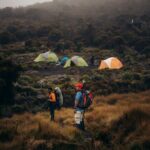
- mountain camp setup: 3-season tents and double-layered sleeping mats
- meals during the climb: breakfast (5), lunch (5), dinner (5)
- WiFi on board (likely for vehicle transfers rather than at altitude)
- crew compensation aligned with Kilimanjaro National Park Authority approvals
What’s not included:
- flights
- tips for the mountain crew
- a doctor for the group
- personal items
- and an optional portable flush toilet add-on (listed at US$150 per toilet + toilet tent)
My take on value: this price feels strongest if you want a lower-stress climb where camp logistics are handled and you don’t have to chase basic gear. If you’re a do-it-yourself gear hunter, you might feel like you’re paying for structure you could assemble. But if you want to focus on acclimatization and summit day, the included setup is the point.
Day 1: Moshi to Marangu Gate and the Rainforest Start

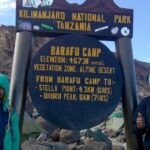
On day 1, you’ll leave Moshi and head to the southeast entrance of Kilimanjaro National Park, Marangu Gate. When you arrive, there’s a check-in and registration step, and that’s your official start line. Expect a bit of waiting, then boots-on-trail time.
The first hike takes you through woods and rainforest. This is where you tend to notice details that make the mountain feel alive:
- eucalyptus trees
- bird life
- and, if you’re lucky, Colobus monkeys with black or white fur
The practical drawback on day 1 is mud. Low altitude can mean wet, slippery ground, so you’ll want footwear that handles sloppy trails and at least one dry-thinking plan for socks and boots.
Timing-wise, the hike is listed at 5–7 hours, so pace yourself from the start. You’re not “training for speed.” You’re setting your body up for altitude later.
Overnight altitude is listed around 8,858 and the habitat is rainforest. That means your body is still getting used to the climb, and the air can feel damp even when the weather looks fine.
Day 2: Moorland Opens Up and Mawenzi Shows Up
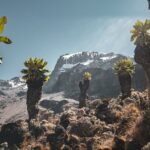
Day 2 starts in the last stretch of woodland, and then the big change comes fast: the moorland begins to open up ahead of you. This is the day when Kilimanjaro starts looking like Kilimanjaro in a more dramatic way.
One highlight is the view of Mawenzi, the jagged peak rising toward the sky. It’s a good reminder that you’re not hiking a hill. You’re moving through an enormous volcanic system.
Altitude matters on day 2. The schedule notes that the onset of altitude sickness can happen at these heights, and the key advice is simple:
- tell your guide early
- don’t push through “maybe it’s nothing”
Horombo Huts are your overnight camp. After you unpack, you’ll get time to take in the view of Kibo before dinner.
The hiking window is also 5–7 hours, so don’t treat this like a casual walk even if the terrain feels manageable at first.
Overnight altitude is listed around 12,205, with the habitat shifting to heath/moorland. Think cooler nights and a different kind of dryness in the air compared with day 1.
Day 3: Acclimatization Day at Horombo (This Is Where Winners Are Made)
Day 3 is the one I like most, because it’s the day that helps you summit with a better shot.
Instead of climbing higher immediately, you get extra time at Horombo Huts to acclimate. The rule is clear: if you’re showing signs of altitude illness or you feel wiped out, you stay at camp and rest.
If you’re feeling good and your body is adjusting well, you have options:
- walk up toward Mawenzi Hut for a view of Kibo and Mawenzi
- or head to Zebra Rocks, a climb listed at 310 meters
The hiking time listed is 1–2 hours, which is short enough to help you keep momentum without stealing tomorrow’s energy.
Overnight altitude is listed around 14,400 in heath/moorland. That’s high enough that you’ll notice sleep can be lighter and your breathing can feel more noticeable. So treat day 3 as a training day for calmness. Your goal isn’t to “prove fitness.” It’s to arrive ready.
Day 4: Volcanic Highlands to Kibo Huts and the Early-Night Plan
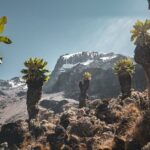
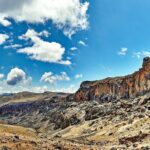
Day 4 is where the scenery starts shifting into stark, high-altitude terrain. The heath turns into parched, desolate highlands between Mawenzi and Kibo, and you’ll see huge and small volcanic rocks scattered along the path. It’s a reminder that Kilimanjaro is a living mountain system, shaped by past volcanic activity.
The hardest part is the final stretch to the Kibo Huts—it’s described as very steep and physically challenging. This is not the day to get cocky because you’re “used to the trail.” Save that energy.
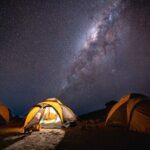
Once you reach Kibo Huts, you’re not done planning. This is when you:
- organize gear and warm clothes for the summit push
- plan water storage for cold temperatures
One practical tip is mentioned: keep water you plan on bringing in a thermos to prevent freezing. On summit night, that kind of small detail can save you from feeling miserable early.
You’ll want an early night. Tomorrow requires a full night’s sleep worth of energy, and even if you’re excited (you will be), prioritize rest.
Hiking time is 5–7 hours, with overnight altitude listed around 15,430 in alpine desert. That’s cold country. Even if daytime feels manageable, the temperature drop at night is real.
Day 5: Uhuru Peak Summit Day With Possible Snow
Summit day is the core reason you’re here. The schedule describes a final stretch where you might face snow, depending on timing and conditions. Cold is expected, even if it’s not snowing.
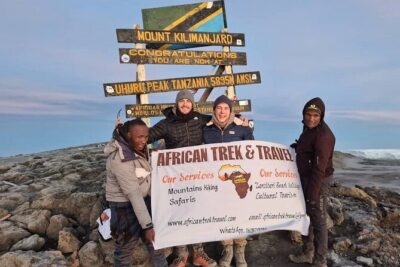
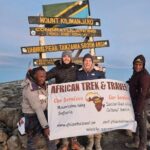
As you reach Uhuru Peak, the highest point in Africa, the itinerary lists an altitude of 5,895. You’ll get the moment: a top-of-the-world view and the classic photo at the Uhuru Peak sign.
Then comes the mental shift from joy to discipline. After summiting, you head back toward the Kibo Huts, and that descent can feel surprisingly fast compared to the climb up. At Kibo Huts you stop for lunch, then you continue on to Horombo Huts for a full night’s rest.
Hiking time on day 5 is 4–5 hours, with overnight altitude listed around 12,205.
This is where good support earns its keep. Food, warm drinks, and steady guiding matter because summit day is not only physically hard. It’s also emotionally demanding. The goal is to get down safely, not to sprint your way through exhaustion.
Day 6: Final Descent Through Rainforest Back to Marangu Gate and Arusha
On the last day, you’ll make the final descent through the rainforest to Marangu Gate. That switch—from high, thin air to greener conditions—is often what makes day 6 feel like a victory lap.
You’ll have lunch along the way, then say farewell to the mountain crew. After that, the schedule has you leaving the national park and driving back toward Arusha, where you can enjoy a shower and a commemorative dinner.
The hiking time is listed at 5–7 hours. The schedule also shows an overnight altitude around 1,843, but the key thing to focus on is the experience: you’re dropping from altitude back into something more familiar.
You’ll likely notice how loud normal things feel again after days of wind and quiet.
The Crew, Food, and the Small Things That Make or Break It
Kilimanjaro is one of those trips where your comfort is built from dozens of small decisions. This operator’s included setup and the way people describe the team show a consistent pattern: you’re guided and fed, not just transported.
In the reviews connected to this experience, I saw multiple nods to specific people:
- David (owner)
- Seleman Honguo and Allen Katunzi (guides)
- Joachim (chef)
- Dullah (mentioned in a friendly, service-focused context)
It’s not just names on a page. On summit night, you want:
- clear pacing
- a guide who watches how you’re feeling
- food that’s actually filling
- and a crew that keeps things calm so you can focus
Also worth noting: tips are not included, and that means you should plan a budget for them. If you’re unsure, ask ahead. You already know you’ll feel grateful up there.
Who Should Book This Marangu 6-Day Climb (and Who Should Think Twice)
This climb is listed as best for people with strong physical fitness. That doesn’t mean you need to be a marathoner. It means you should be comfortable with long hiking days and steep sections, plus the mental load of summit night.
It fits you if:
- you want a structured route with acclimatization built in
- you prefer having camp gear like tents and sleeping mats provided
- you like the idea of a private group, so you’re not sharing your pace with strangers
It might not be the best match if:
- you’re worried about crowds and quiet solitude
- you want a quick trip and you’re the type who pushes through symptoms
- you’re relying on a medical professional in the group (a doctor is not included)
One more reality check: the minimum is six days, but acclimatization can be the difference between a smooth climb and a tough one. If you can afford the extra time, it’s often worth it.
Should You Book This 6-Day Marangu Kilimanjaro?
If you want a guided, gear-supported climb that helps you stay on track for altitude, I’d say yes, this is a solid choice. The included tents, double sleeping mats, and meal support reduce the most annoying parts of planning. The itinerary also gives you that important Horombo acclimatization day, which is where you build your summit odds.
I’d book with extra caution if you know you get altitude symptoms easily or you’re set on the minimum timeline. In that case, push the trip longer if you can, and treat day-by-day guidance as non-negotiable.
Finally, choose it if you care about team quality. When you have a named owner and guides who get called out by name in past experiences—plus a chef who’s praised for food—that’s a good sign you’ll feel looked after, especially when it’s cold and you’re tired.
FAQ
How long is the Kilimanjaro climb on this program?
The climb is listed as 6 days (approx.).
Where does the climb start and where is the meeting point?
You’ll travel from Moshi and start at Marangu Gate for the ascent. The listed start time is 12:00 am, and the meeting point is noted as near public transportation.
Is pickup included?
Yes, pickup is offered.
What meals and camp support are included?
The tour includes breakfast (5), lunch (5), and dinner (5), plus camp setup with 3-season mountain tents and double layered sleeping mats.
Are any medical services included?
A doctor for the group is not included.
Are toilets provided?
A portable flush toilet with a toilet tent is extra, listed at US$150 per toilet + toilet tent.
What should I plan for in addition to the tour price?
Flights, tips to the mountain crew, items of a personal nature, and any optional toilet add-ons are not included.