REVIEW · ZANZIBAR
Zanzibar Stone Town Walking Tour
Book on Viator →Operated by HALISI AFRICA TOURS · Bookable on Viator
A good walk can save hours in Stone Town. This private tour is a practical way to get oriented, with Hamza guiding you through narrow lanes, markets, and key sights like the Palace Museum and Anglican Cathedral area. The main downside: it’s still a walking tour, so expect a moderate pace through crowded streets and lots of stops.
I especially like how the route is built around real-life parts of Stone Town—markets, bazaars, and streets where you can actually shop and snack. And I like that you’re not rushed through big monuments; you can pause for food, browsing, and questions. If you hate walking or crowds, you may want to plan for a slower day or consider a shorter option.
You start at Tembo House Hotel on Shangani Street at 9:00am, then end back there. The tour runs about 2 to 3 hours, and the provider includes bottled water, all fees, and the guide—so you can focus on the experience instead of figuring out logistics mid-walk.
In This Review
- Key highlights to look for on your Stone Town walk
- Why this Stone Town walking tour works so well
- Meeting point at Tembo House and what the 9:00 start means
- How you’ll move through Stone Town’s narrow lanes and markets
- House of Wonders: the stop that connects architecture to stories
- Palace Museum: when the tour turns into real orientation
- Anglican Cathedral area and the former slave market site
- Zanzibar doors, architecture, and why the small details matter
- Shopping and food sampling without losing the tour
- Transfers, private format, and the 2–3 hour pacing
- Price and value: is $30 a fair deal for Stone Town?
- Who should book this tour (and who might want to skip it)
- Should you book the Zanzibar Stone Town Walking Tour?
- FAQ
- Is this a private tour?
- How long is the Zanzibar Stone Town walking tour?
- Where does the tour start?
- Is pickup available?
- What’s included in the price?
- What’s not included?
- Does the tour run in any weather?
Key highlights to look for on your Stone Town walk
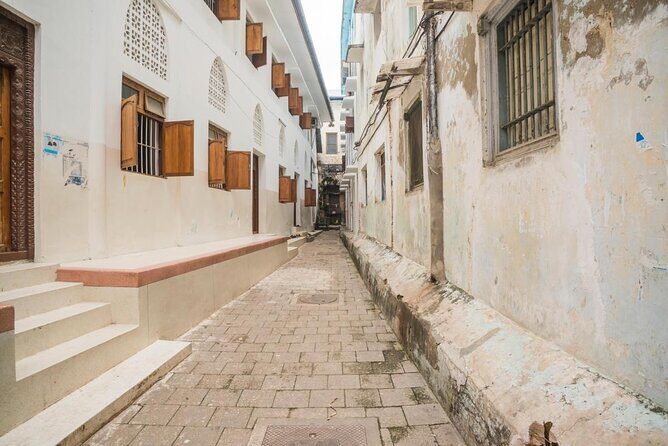
- Private guide with flexibility so you can adjust stops for shopping and quick snack breaks
- Hamza-style market navigation, helpful when the lanes get crowded and confusing
- Iconic stops on foot including the House of Wonders and the Palace Museum
- Anglican Cathedral area and the former slave market site for a sobering historical moment
- Time for shopping and sampling foods/drinks on your own cost
- Simple logistics with the tour starting at Tembo House and ending back there
Why this Stone Town walking tour works so well
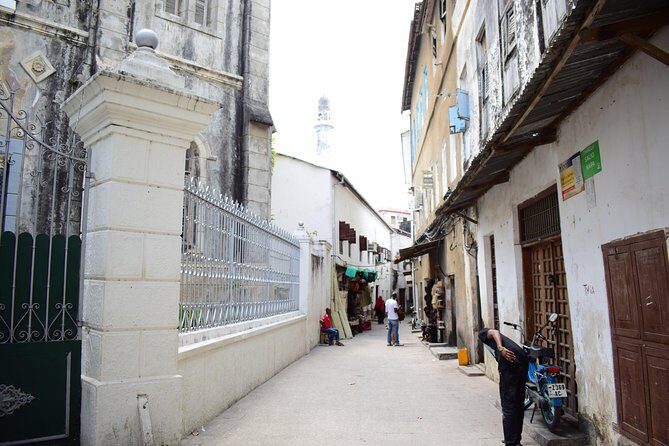
Stone Town can feel like a maze at first. The lanes twist, buildings press in close, and signage can be hit-or-miss. That’s exactly why I like a guided walk here: you get structure without killing the freedom. With a private guide, you’re not stuck watching a large group file past while you miss turns or skip the parts you actually care about.
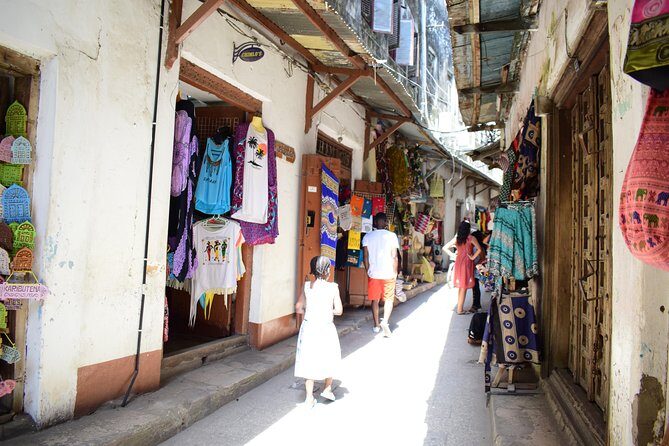
This tour also makes room for the everyday Stone Town experience. You’re not only looking at historic facades—you’re moving through markets and bazaars, where people shop for clothes materials, carvings, drawings, and other goods. It’s the kind of setting where you learn how the city feels, not just how it’s described in a guidebook.
Finally, you get a mix of lighter exploration and heavier context. Stops near the Anglican Cathedral area connect the walk to the former slave market site, so the tour doesn’t stay shallow. You’ll come away with a more complete sense of what this place has meant.
You can also read our reviews of more walking tours in Zanzibar



Meeting point at Tembo House and what the 9:00 start means
The tour meets at Tembo House Hotel on Shangani Street, near Forodhani Street. Starting at 9:00am is smart for two reasons: you beat some of the later-day heat, and you often get more comfortable walking conditions in busy pedestrian areas. The tour ends back at the same meeting point, which keeps it easy—no need to coordinate a separate pickup or pay for a random ride home at the end.
This also matters for how you spend your time. Because you return to the same central spot, you can plan a relaxed next activity afterward—like a later lunch, a beach break, or more browsing—without feeling trapped by end-of-tour logistics.
One practical note: the tour says it’s near public transportation. So if your plans shift, it’s generally easier to reach your starting point and get back out.
How you’ll move through Stone Town’s narrow lanes and markets

You’ll spend most of the tour walking through Stone Town’s lanes and stopping where the city’s architecture and daily life meet. That means you’ll be close to those distinctive features people come for—like curved Zanzibar doors—and also close to the human rhythm of the markets.
A good guide makes the difference here. The review highlight about Hamza isn’t random praise—it points to a real need. When you’re in a crowded market area, it’s easy to lose your bearings, miss key turns, or get stuck hovering in the middle of foot traffic. A guide helps you move with purpose while still giving you room to slow down and look.
Expect multiple moments where you’ll want to ask questions:
- What are the buildings and doors showing you?
- Why is this stop here, and what should you notice?
- Where’s the most practical place to pause for snacks or shopping?
Because this is a private tour, your guide can answer in real time without sticking to a rigid script.
House of Wonders: the stop that connects architecture to stories
One of the named highlights on the walk is the House of Wonders. Even if you’re not an architecture expert, this is the kind of stop that pays off because you’re seeing the context from street level. You’re not just staring at one building. You’re learning how it fits into the broader Stone Town layout—what kind of prominence it had and why it stands out within the city’s fabric.
What I like about this kind of stop on a walking tour: it gives you a visual anchor. After you see the House of Wonders area, other buildings start to make more sense. You’re better at noticing contrasts—where spaces open up, where lanes compress, and how different building styles show up along the route.
If you’re a person who likes details—materials, door shapes, and layout—this stop will reward you. If you’re not, it still gives you a clear historic landmark to keep the rest of the walk grounded.
Palace Museum: when the tour turns into real orientation

The Palace Museum stop is another major point on the route. This is where a guided walk helps you connect what you’re seeing with what it meant. You’re walking through Stone Town, and then you’re stopping near a place that represents power and governance from earlier periods.
Even without getting overly technical, I think this stop is valuable because it helps you understand the city beyond the market scene. Stone Town isn’t only about shopping lanes and street life. It’s also about how the city was shaped by political and cultural forces. A guide can point out what to focus on so you don’t wander around and miss the most relevant parts.
A practical plus: because the tour is private, you’re not pushed to rush through your stops. If something catches your eye—an exhibit-related detail, a view point, or a specific feature—you can spend a little more time before continuing.






Anglican Cathedral area and the former slave market site

This is the sobering stop that gives the tour weight. The itinerary includes the Anglican Cathedral Church and the site of the former slave market. I recommend treating this portion of the walk with a slower, more reflective pace. It’s not a quick photo break unless you truly want it to be. Think of it as a moment to understand the city’s history in a direct, physical way.
A guide’s role matters here too. Without someone to frame what you’re looking at, it’s easy to either skip the significance or feel overwhelmed without context. With a good guide, you can connect the dots while still respecting the seriousness of the site.
If you’re traveling with kids, you’ll want to gauge their attention level here. The good news is that since it’s a private tour, you can adjust your pace more easily than on a large group schedule.
Zanzibar doors, architecture, and why the small details matter

The tour explicitly calls out attention to Zanzibar doors and different building architecture. I love this approach because it’s a way to see the city as a collection of design choices—not just a list of “things to visit.”
Doors in Stone Town aren’t random. Their shapes, carvings, and placement reflect craftsmanship and cultural influence. When you spot one and then see another a few turns later, the patterns start to register. That’s the kind of learning you can’t get just by snapping one great picture and moving on.
Also, noticing architecture helps you make sense of the street layout. When lanes bend and buildings sit close together, you naturally begin to understand the city’s logic: where entrances face, how spaces relate, and why certain areas feel tight while others open up.
If you like photography, bring your camera-ready mindset—but also be aware that some spots can be crowded and shops may be active. Keep it polite and move when people need to pass.
Shopping and food sampling without losing the tour

This tour is designed with shopping and sampling built in, and it treats them as part of the experience rather than an afterthought. You’ll pass bazaars and stores where you can look for:
- clothes materials
- carvings
- drawings
- items ranging to more expensive jewelry
Because it’s a private walk, your guide can help you pause at practical points, then keep moving when you’re ready. That matters if you’re the type who likes to browse but hates being rushed.
Food and drinks are also mentioned as on your own cost. This is important. The tour gives you the opportunity to try things, but it’s not forcing you into a set meal plan that may or may not match your tastes. You’ll still want to plan for small spending during the tour—think snacks rather than a full lunch.
A small strategy that helps: decide in advance whether you want one treat or several small bites. Markets can tempt you into collecting too many things at once. With a guide pacing you, it’s easier to choose one or two favorites and keep momentum.
Transfers, private format, and the 2–3 hour pacing
The tour offers transfers from hotels outside Stone Town for a fee, and it’s a private format (only your group participates). For some travelers, that’s the difference between enjoying Stone Town and spending your precious first morning stuck negotiating rides.
Duration is listed as 2 to 3 hours. That’s a good length for first-timers. You get enough time to cover the main sights and still make room for stops at markets and shops. It’s also short enough that you can return to your hotel before your energy collapses.
You’ll want to bring moderate walking readiness. The tour notes a moderate fitness level. Stone Town lanes can be uneven and crowded. Wear comfortable shoes and keep water handy—bottled water is included, which is a nice simple touch.
Price-wise, this works best as an orientation tool: you pay for guidance through the streets, not just access to a couple of monuments. At that point, even if you skip one or two optional shopping moments, you still get value from the guide’s route and explanations.
Price and value: is $30 a fair deal for Stone Town?
At $30 per person, this tour is positioned as an affordable way to get a guided orientation through a World Heritage area. The key value isn’t just that it’s “cheap.” It’s what’s included: all fees and taxes, a guide, and bottled water.
Also, the tour time—2 to 3 hours—is long enough to feel like you covered something, but short enough that you’re not paying for a half-day you could spend elsewhere. Since shopping and snack stops are part of the walk, you can tailor your spending without committing to an expensive packaged lunch.
If you’re someone who wants freedom plus structure, this price tends to make sense. If you already know exactly where you want to go and you enjoy planning your own route, you might compare costs against what you’d spend on guides via taxi-rides or multiple tickets. But for many first visits, having someone handle the street navigation and stop selection saves time and stress.
Who should book this tour (and who might want to skip it)
I think this fits best if:
- you want an easy way to get oriented in Stone Town fast
- you like walking, markets, and street-level architecture
- you want a guide who can help you handle crowded lanes, especially around market areas
It may be less ideal if:
- you prefer minimal walking or step-free routes
- you’re trying to spend zero time in markets or shopping
- you’re sensitive to historical sites that include the former slave market area
Because it’s private and flexible, it’s also a solid option if your group likes to control pacing—stop longer for shopping, move quickly through less interesting sections, or ask lots of questions.
Should you book the Zanzibar Stone Town Walking Tour?
Yes, if you want a guided orientation that also respects how Stone Town feels day-to-day. The big selling point for me is the combination of historic stops (House of Wonders, Palace Museum, and the Anglican Cathedral area/former slave market site) with practical time for markets, shopping, and food sampling.
One last “real-life” tip: go into it with comfortable shoes, a small budget for snacks and browsing, and a mindset that you’re learning the city as you walk it. If that sounds like your travel style, this one is an easy yes.
FAQ
Is this a private tour?
Yes. It’s listed as a private tour/activity, and only your group participates.
How long is the Zanzibar Stone Town walking tour?
The duration is approximately 2 to 3 hours.
Where does the tour start?
The meeting point is Tembo House Hotel on Shangani Street by Forodhani Street, Zanzibar.
Is pickup available?
Transfers from hotels outside of Stone Town are available for a fee.
What’s included in the price?
The tour includes all fees and taxes, a guide, and bottled water.
What’s not included?
Lunch and tips are not included.
Does the tour run in any weather?
The experience requires good weather. If it’s canceled due to poor weather, you’ll be offered a different date or a full refund. Free cancellation is available up to 24 hours before the start time.