REVIEW · MOSHI
Best Kilimanjaro Adventures 6 Days Marangu Route Experience
Book on Viator →Operated by Kilinge Adventures · Bookable on Viator
Rainforest starts, summit ends: that’s the deal. This 6-day Kilimanjaro Marangu Route from Moshi is built around day-by-day hiking blocks with hut lodging, plus a midnight climb aimed at Uhuru Peak. It’s also handled in a straightforward way: pickup is offered, and you get a mobile ticket for a smoother arrival.
What I like most is how the trek is structured for real hiking time, not just “checking a box.” You also sleep in hut-style accommodations with beds and mattresses, which matters when the mountain gets cold at night and your legs are cooked.
One thing to consider: the Marangu huts can feel crowded on busier days, and the last push starts at midnight. If you hate tight quarters or you’re worried about altitude, you’ll want to plan your expectations carefully and listen closely to your guide.
In This Review
- Key highlights worth noting
- Why the Marangu Route fits a 6-day plan
- Moshi to Marangu Gate: the rainforest warm-up day
- Mandara to Horombo: moorland hiking and the view gamble
- Day 3 acclimatization: why Mawenzi Hut matters
- Up toward Kibo Hut: Maua River, Red Hill, and the upper-alitude shift
- Summit night to Uhuru Peak: the hard part, step by step
- Descent to Marangu Gate: cloud forest and slippery footing
- The price question: is $1,000 good value for this trek?
- Group size, hut reality, and what comfort looks like
- Who should book this Kilimanjaro Marangu climb
- Should you book Best Kilimanjaro Adventures 6 Days Marangu Route?
- FAQ
- What time does the trek start?
- How long is the Kilimanjaro trek on this Marangu route?
- Is pickup included?
- What’s included in the price?
- What costs are not included?
- What if weather is bad or I need to cancel?
Key highlights worth noting
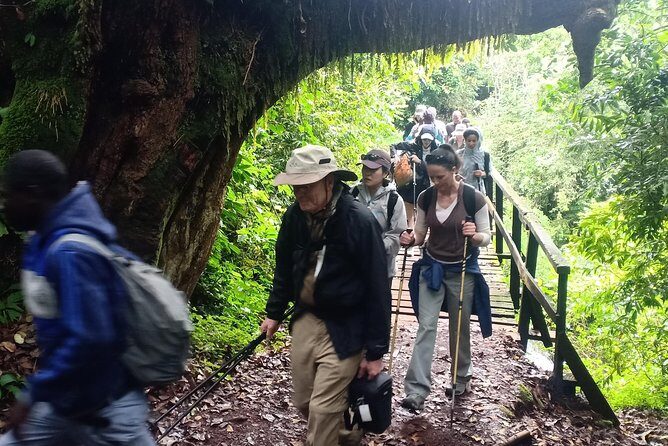
- Rainforest to moorland to alpine desert, with steady altitude steps that keep the rhythm logical
- Hut stays on the Marangu Route, including beds with mattresses, which makes recovery easier
- A true acclimatization plan, including an optional hike up toward Mawenzi Hut on day 3
- Midnight summit night with a clear route: to Gillman’s Point, then onward to Uhuru Peak
- Included purified drinking water and big meals, so you’re not rationing energy on the trail
- Porter fairness built in via ethical treatment and salaries included in the package
Why the Marangu Route fits a 6-day plan
If you want Kilimanjaro without going full wilderness-camping mode, the Marangu Route is one of the most popular choices for a reason. You get hut accommodation instead of tents, and you’re not constantly dealing with gear setup. That makes a big difference for people who want a serious trek but still appreciate basic comfort after long walking days.
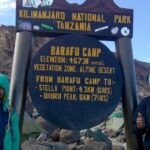
This particular 6-day version keeps the schedule tight but not random. Day 1 starts you with rainforest hiking up to Mandara Hut, then you gradually shift into moorland on day 2. After that, the plan aims to build acclimatization before you head into the upper, bleaker zones. The end result is a trek that feels like a progression, not a series of road trips stacked together.
Another underrated factor: the tour is designed around people traveling through Moshi/Arusha. You’re typically picked up, transported to the trailhead, and guided through registration at Marangu Gate. That removes a lot of stress on day 1, when you’re most likely to be nervous and cold.
A few more Moshi tours and experiences worth a look
Moshi to Marangu Gate: the rainforest warm-up day
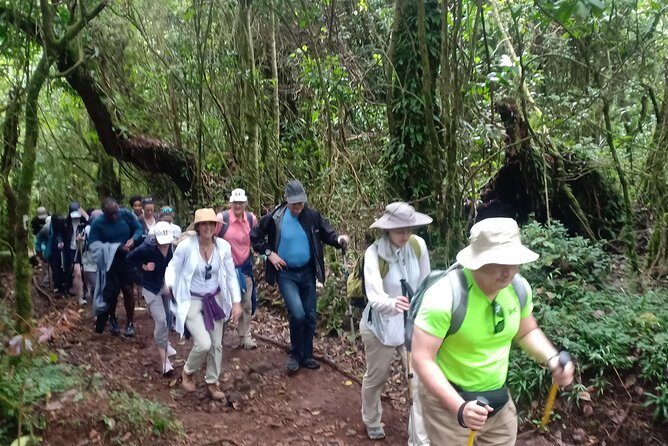
On day 1, you leave Moshi or Arusha early (with the tour start listed at 8:30 am), then head to Marangu Gate for registration. After that, you’re walking on a narrow trail through Kilimanjaro rainforest for most of the day. If you like your hikes shaded and alive with bird sounds and humidity, this is a great opener.
You’ll stop for lunch around the halfway point, then continue deeper through the trees until you reach Mandara Hut. The hut itself is A-frame style and can handle a lot of people (up to about seventy). The upside is clear: you get a bed setup with mattresses, so you can actually sleep instead of just collapsing.
In the afternoon, you can relax at Mandara Hut or take a short walk to Maundi Crater. On a clear day, the views are described as stunning, including east over Taveta and northwest toward Mawenzi Peak. Even if the day isn’t perfect, that short extra leg can make you feel like you’re stretching your legs instead of just waiting.
Practical note: rainforest hiking usually means slick footing and changing weather. Bring footwear you trust and don’t assume dry ground all day.
Mandara to Horombo: moorland hiking and the view gamble
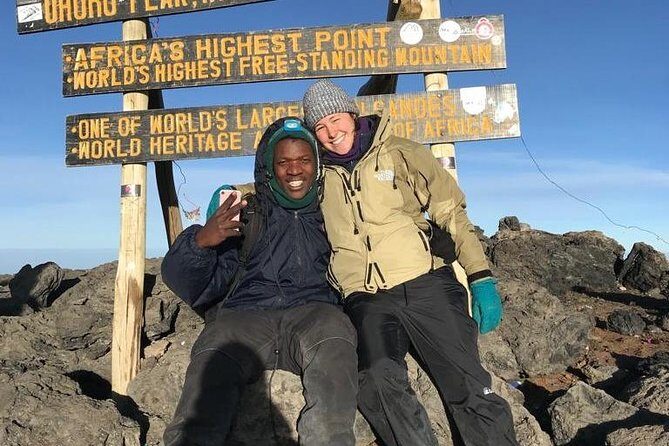
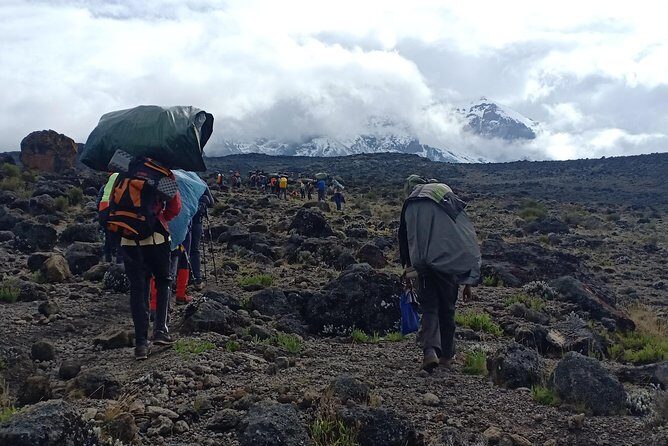
Day 2 shifts you out of the rainforest and into a rocky moorland. This part of the mountain looks more like high-altitude terrain with desert-like plants, and the air can feel drier. It’s a big visual change, and it’s where many people start to feel the altitude more.
The day includes a picnic lunch at Kambi ya Taabu, then continues up toward Horombo Hut. The schedule aims for arrival around 3 pm, with time to settle in and rest. Horombo Hut is also A-frame style, and it’s known as one of the nicest hut stops on Kilimanjaro. It’s busy, but the setup is practical for groups and the hut layout helps people rest and regroup.
If the weather is clear, you might catch views of Mawenzi and Kibo peaks. That’s the classic Kilimanjaro trick: the mountain spends a lot of time teasing you, so you’ll want to stay mentally flexible. If you don’t get the views, the hiking still matters because it’s moving you toward acclimatization.
Day 3 acclimatization: why Mawenzi Hut matters
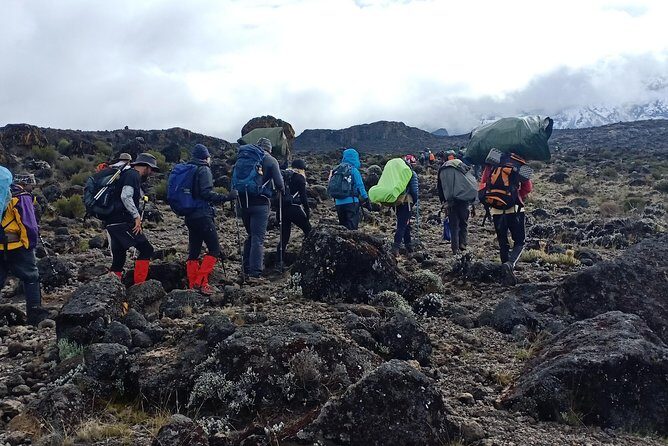
Day 3 is an acclimatization day, and this trek takes that seriously. The plan suggests hiking all the way to Mawenzi Hut for maximum acclimatization, then returning to Horombo for a late lunch.
This is one of those “it feels like effort” choices that can pay off later. Going higher during acclimatization helps your body adapt, and the added benefit is that you may get magnificent views of Kibo on the way. Then you rest again at Horombo.
If you’re hoping for a comfortable slow day, keep in mind this still involves real walking. The upside is that it’s purposeful. You’re not just sitting around. You’re giving your body a better chance before the summit attempt night.
In the reviews, I’ve seen a pattern of praise for guides who keep people calm and focused during tough moments. Names that came up include Gewa and Erick, and that kind of guidance is most valuable on days like day 3, when the climb is partly about patience.
Up toward Kibo Hut: Maua River, Red Hill, and the upper-alitude shift
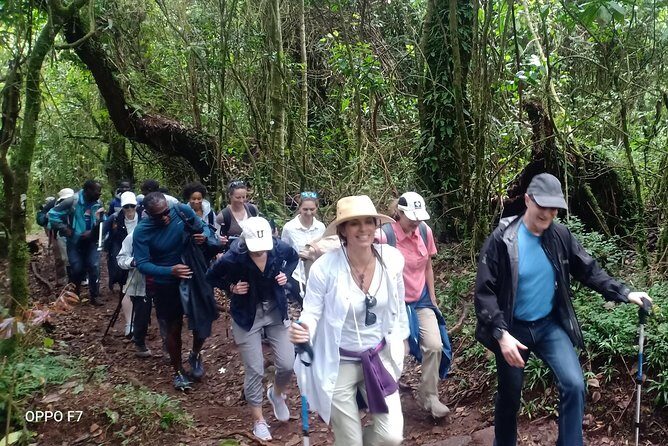
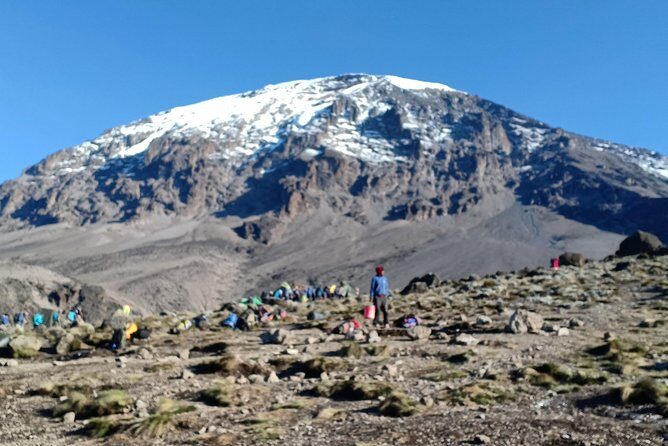
Day 4 is where the trek starts to feel more like “summit prep.” You leave Horombo after breakfast and hike through moorland and alpine desert across upper altitudes. After about an hour, you reach Maua River, described as a small mountain stream. From there, the terrain flattens and vegetation disappears more.
Lunch comes at Middle Red Hill. Then you continue on a steady incline through Kilimanjaro’s Saddle. This portion is often bleak—little vegetation, more raw exposure—but the payoff can be big if the skies cooperate. The route description highlights stunning views of Kibo and Mawenzi peaks, even when the surroundings look harsh.
You reach Kibo Hut around 3 pm, then spend the afternoon resting and preparing for the midnight climb. This is where your strategy matters. Eat well, hydrate, and follow your guide’s instructions about pacing on the final night.
If you’re the type who gets anxious before the big moment, day 4 is when you should lean on your group and guide. In the reviews, guide names like Thomas, Victor, and Stephano came up with praise for support and organization, which is exactly what helps people stay steady once the midnight start gets close.
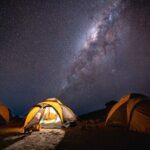
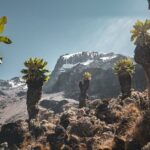
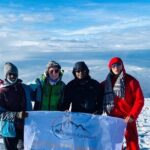
Summit night to Uhuru Peak: the hard part, step by step
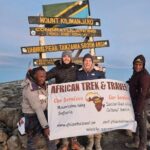
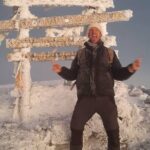
Day 5 begins around midnight. You’ll wake for the final ascent to Uhuru Peak, the roof of Africa. The hike starts with a demanding climb of about five hours to Gillman’s Point on the crater rim. This route is described as the easiest of the three crater ascent paths, but let’s be clear: easier does not mean easy. The altitude makes it brutal.
The plan mentions William’s Point as a major rest stop at around 5,000 meters, about a two-hour hike from Kibo Hut. After that, you continue around thirty minutes before the rocky switchbacks that carry you to Gillman’s Point at about 5,681 meters.
Then comes the crater rim hike from Gillman’s Point to Uhuru Peak. It’s described as more gradual and not very difficult technically, but it’s long and tiring because the altitude drains your energy. This is one of those “slow is the only speed” moments.
A useful mindset: think of summit day as two different hikes. The first part is the climb to the rim (harder), and the second is the rim-to-peak slog (longer). If your body fails, it usually fails in both phases, so staying steady matters more than chasing speed.
If you’re a new hiker, it also helps to know that success often comes from good guiding and encouragement. One review specifically highlighted support from a guide named Gewa, including patience and the right words when people doubted themselves. That’s not fluff. On summit night, motivation can be the difference between powering on and freezing up.
Descent to Marangu Gate: cloud forest and slippery footing
Day 6 is a win because it’s completion, not because it’s effortless. After breakfast, you descend to Marangu Gate. This descent is described as passing through cloud forest, which can feel cooler and damp.
Watch your step. The trail can be slippery on the way down. That matters for knees and for confidence. Take your time. If your legs feel unstable, it’s smarter to move slower and keep balance than to rush and pay for it later.
Once you reach Marangu Gate, vehicles are waiting to take you back to Moshi or Arusha. You can also buy t-shirts and sodas at the gate, which is a nice little reward after six days of trekking.
The price question: is $1,000 good value for this trek?
At $1,000 per person, the big value angle is what you actually get for that money. The package includes all hut nights, professional mountain guides, and a full set of meals: breakfast (6), lunch (6), and dinner (5). You also get clean, purified drinking water. That’s huge on Kilimanjaro because you’re burning calories nonstop, and water planning becomes real.
It also includes fair and ethical treatment of porters, plus porter and cook salaries. That matters because it’s part of the operational backbone of the trek. Good porter support often means your gear is handled well and your hiking day feels less chaotic.
What’s not included is important. The Kilimanjaro national park fee and tax are not included, and tips plus personal items are also extra. Optional add-ons like a short safari after your climb aren’t part of this price either.
So the true cost can be higher than $1,000, but the structure is still good value if you want a smooth, guided hut-based trek with meals and water already covered.
Group size, hut reality, and what comfort looks like
This trek is capped at a maximum of 100 travelers. That number doesn’t mean you’ll spend every second shoulder-to-shoulder, but it does hint at potential busyness at hut stops. Horombo and Mandara can both feel active, especially at peak seasons.
Hut reality:
- Mandara Hut: A-frame huts, up to about seventy people, and beds with mattresses.
- Horombo Hut: A-frame huts with small lodging units; also large-capacity for one hundred-plus hikers and many porters/cooks.
- Kibo Hut: where you rest and prepare for the midnight climb.
In real life, hut nights are about warmth, sleep, and regrouping. Don’t expect a private room. If you pack for comfort (layers, a headlamp, and dry socks), you’ll handle the sleeping conditions much better.
And here’s where the reviews line up with the tour design: people often praise the organization and the “team behind the scenes.” Names that surfaced include porters Fred, Julius, Edward, and Tumarini, along with chef Elia and waiter Richard. When meal timing, luggage handling, and hut logistics run smoothly, your physical experience improves fast.
Who should book this Kilimanjaro Marangu climb
This tour is a strong fit if you want:
- Hut lodging instead of camping
- A well-paced 6-day structure with acclimatization built in
- Included meals and purified water
- A guided climb where the team handles the mountain logistics
It may not be ideal if:
- You need lots of privacy at night
- You’re very sensitive to crowded shared spaces
- You’re not comfortable with a midnight summit attempt plan
If you’re hiking with limited experience, you’re not automatically shut out. The tour info says most travelers can participate, and the repeated praise for guides like Gewa and Erick suggests that good guidance can help first-timers keep moving with confidence.
Should you book Best Kilimanjaro Adventures 6 Days Marangu Route?
I’d book this trek if your priority is a guided, hut-based Kilimanjaro experience with meals and purified water handled for you. The itinerary structure makes sense, and the operational details (pickup offered, registration at the gate, ethical porter treatment, and mattress beds) reduce the usual stress of planning a mountain trip.
I would pause if you’re extremely bothered by group energy at hut stops or you know you struggle with night starts. In that case, choose a pace that fits your temperament, and talk to the operator about your concerns before you go.
If you want a practical Kilimanjaro entry point that mixes classic routes with solid support, the Marangu Route with this team is a reasonable choice.
FAQ
What time does the trek start?
The meeting information lists a start time of 8:30 am.
How long is the Kilimanjaro trek on this Marangu route?
The duration is approximately 6 days.
Is pickup included?
Yes, pickup is offered, and you’ll also have vehicles waiting at Marangu Gate to return you to Moshi or Arusha.
What’s included in the price?
The package includes professional mountain guides, all nights accommodation in huts, sleeping mattress, purified drinking water, and meals (breakfast 6 times, lunch 6 times, dinner 5 times). It also includes fair and ethical treatment of porters and porter and cook salaries.
What costs are not included?
Not included are the Kilimanjaro national park fee and tax, tips, optional tours (like a short safari after your climb), and personal items.
What if weather is bad or I need to cancel?
This experience requires good weather. If it’s canceled due to poor weather, you’ll be offered a different date or a full refund. Free cancellation is available up to 24 hours before the start time.