REVIEW · ARUSHA
Arusha: Traditional Tanzania Cooking class& Food Market Tour
Book on GetYourGuide →Operated by African Snarl Safari · Bookable on GetYourGuide
The fastest way to understand Tanzanian food is to cook it. This Arusha class pairs a real market walk with a hands-on cooking session led by local hosts like Neema.
I really like the hotel pickup plus the way the market tour teaches you what ingredients actually mean before you start cooking. One thing to keep in mind: you’re eating and cooking in a home-style setting, so hygiene will feel less strict than US kitchens.
You’ll spend about 5 hours total, and most of it is practical: see ingredients, make dishes, then sit down and eat. The possible drawback is simple—drinks are not included—so bring your own plan for water if you tend to get thirsty while you’re walking and cooking.
In This Review
- Key Highlights You’ll Care About
- Hotel Pickup to Market Food Run: The Arusha Part You’ll Remember
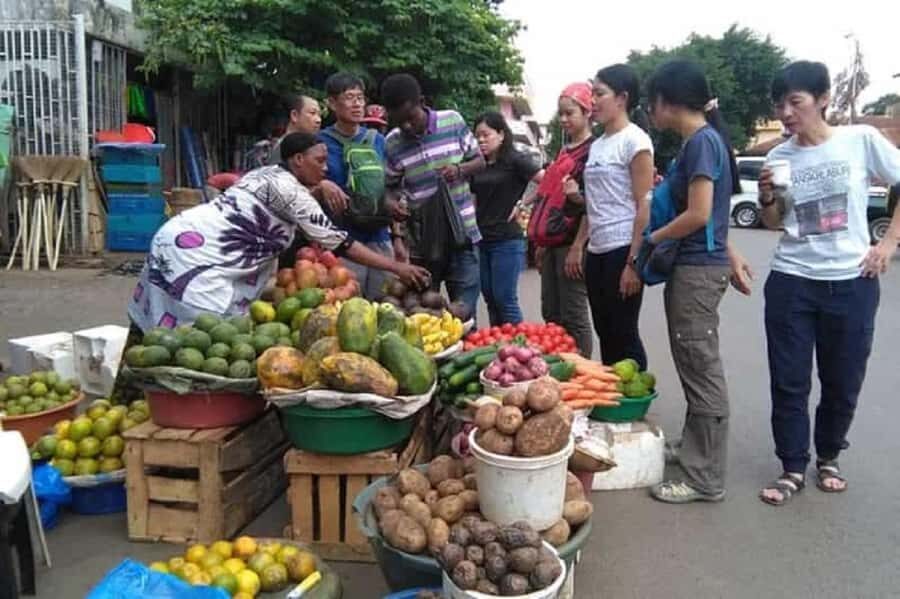
- Arusha Central Market: What to Look For (Besides Souvenirs)
- Cooking Class at Home-Style Setup: How the Lesson Really Works
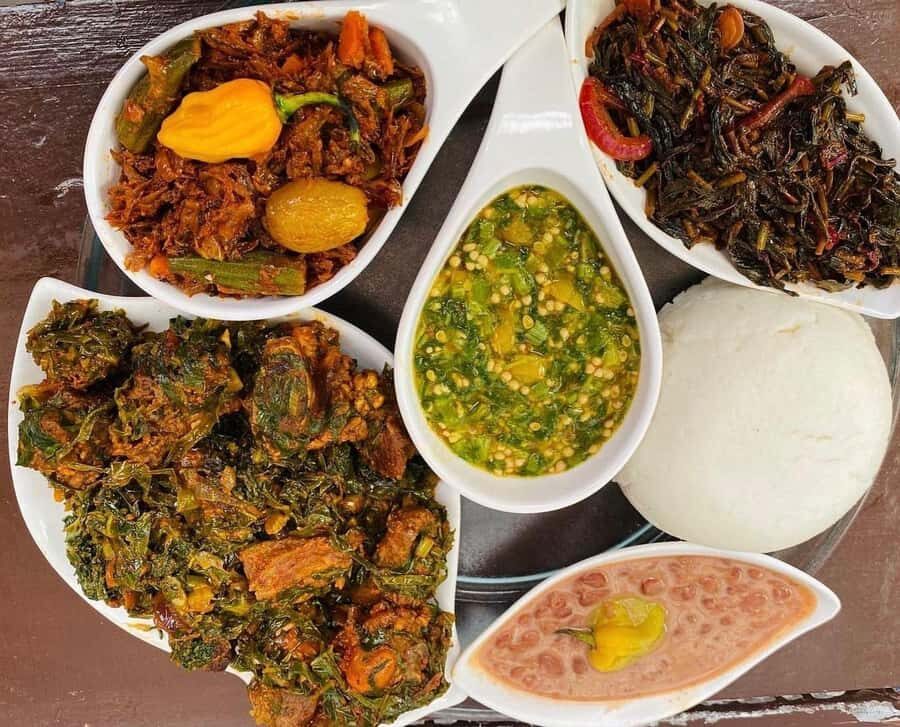
- The Menu: Chapati, Ugali, Plantain Banana, Veggies, and Optional Meat
- Meat Options: Stewed or Barbecued
- The Meal You Make: Eat With Confidence, Not Expectations
- A quick reality check on drinks
- Price and Value: Why $45 Can Feel Fair (If You Want the Real Thing)
- Practical Tips That Make This Day Easier
- Wear for walking and cooking
- Bring curiosity, not complicated gear
- Keep it simple and follow the safety rule
- Who This Is Best For (and Who Might Skip It)
- Should You Book This Arusha Market and Cooking Class?
- FAQ
- How long is the Arusha traditional cooking and market tour?
- Does the tour include pickup and drop-off from my hotel?
- What dishes will I cook during the class?
- Is a meal included after the cooking?
- Are drinks included?
- What should I bring?
- Do I get free cancellation?
Key Highlights You’ll Care About
- Market first, then cooking: you shop for the exact ingredients you’ll use in your dishes
- Chef Neema guides you step by step so you’re cooking with context, not just following steps
- You’ll make common Tanzanian staples like chapati and ugali, plus plantain banana and vegetables
- Optional meat dishes are available if you want stewed or barbecued options
- You eat as a group afterward and sometimes you may pack leftovers to bring back to your hotel
- English-speaking guidance helps you ask questions as you cook
Hotel Pickup to Market Food Run: The Arusha Part You’ll Remember
This tour starts where most good travel days should start—at your hotel in Arusha town center. A driver or guide collects you, then you head toward the local central food market where the day’s food lesson begins.
Right away, you’re not just sightseeing. You’re learning how people shop for daily meals: dry goods, meats, fruits, and ingredients you might not recognize. Even if you’re a confident cook at home, market shopping changes your view. You stop thinking in “recipe ingredients” and start thinking in what’s available, what tastes right together, and what local cooks reach for without a second thought.
One detail I appreciate: you’re given time to take photos and interact with vendors. That matters because market life in East Africa isn’t only about transactions. It’s also about learning names, uses, and what’s in season.
You can also read our reviews of more food & drink experiences in Arusha
Arusha Central Market: What to Look For (Besides Souvenirs)
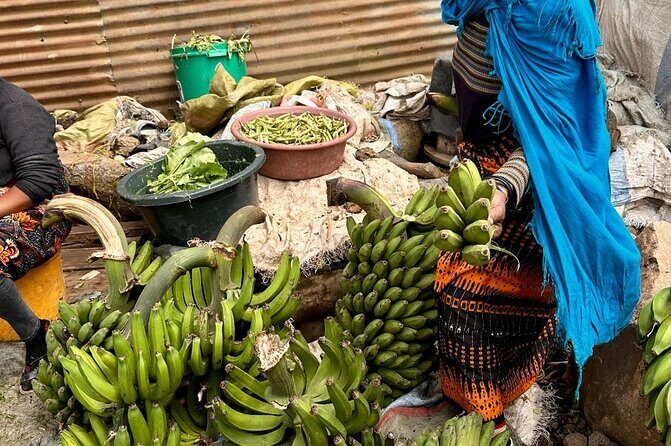
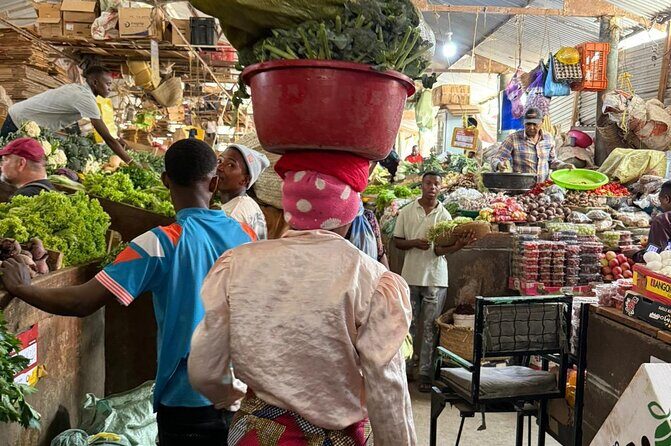
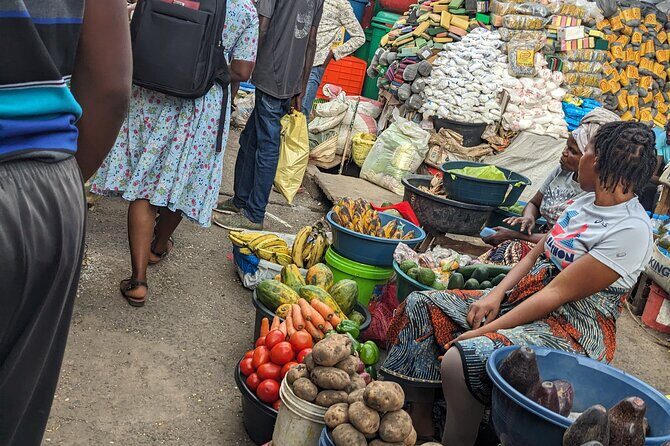
The market portion typically lasts about 30–50 minutes. That’s enough time to get oriented, but not so long that you feel trapped in crowds. You’ll see ingredients arranged for real cooking, not for tourists.
Here’s what I recommend you watch for while you walk:
- Staples for everyday meals: items linked to ugali and chapati
- Fresh produce: vegetables you’ll later cook into your meal
- Meat and grilling ingredients: especially if you’re choosing the stewed or barbecued option
- Dry foods: things that store well and show up often in local cooking
Your guide explains what’s going on as you go. In at least one case, the guide also explained the products and the life around the market in a way that made it feel like you understood more than just what things are called.
Also, expect you’ll be sharing space with locals carrying heavy loads. It’s not always slow and tidy. Just keep your footing, move when your guide signals, and treat the market like what it is: a working food place.
Cooking Class at Home-Style Setup: How the Lesson Really Works
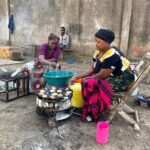
After the market stop, you head to the cooking location for the class portion. The cooking session can run between 1 and 3 hours, depending on timing and how your group moves through each step.
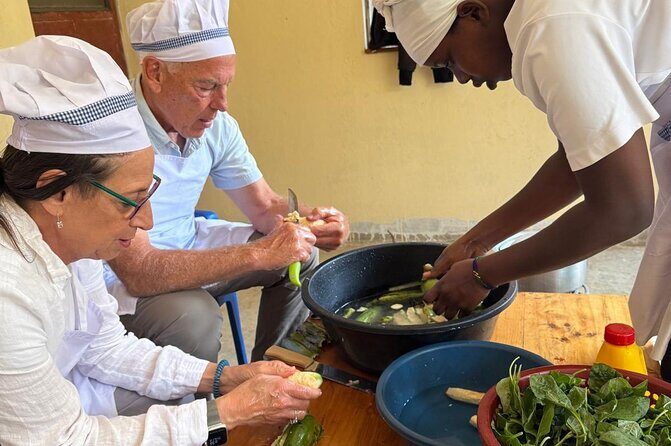
You’ll cook inside a small, home-style space—think practical tools, real ingredients, and a chef who’s done this a hundred times. That’s why the class works. You’re not just “learning a recipe.” You’re watching how someone builds flavor in a kitchen that’s designed for everyday meals.
The best part for me is the pacing: the chef demonstrates the steps, then you take over tasks while the chef handles the parts that need experienced timing. That keeps things fun without turning the lesson into chaos.
If you’re worried about doing it wrong, don’t. This is set up so you can succeed. One English-speaking instructor/chef pairing mentioned guiding each step clearly, then letting the student finish portions—exactly what you want when cooking for the first time.
The Menu: Chapati, Ugali, Plantain Banana, Veggies, and Optional Meat
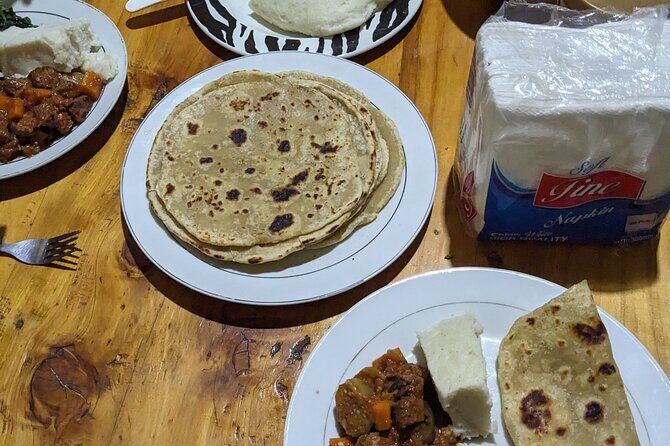
The cooking class menu focuses on three common Tanzanian foods plus vegetables. The listed staples you can expect are:
- Plantain banana
- Chapati
- Ugali
- Vegetables
Ugali is the kind of dish that teaches you what “sturdy comfort food” really means. It’s simple in ingredients, but it’s not simple in technique. When done right, it holds up, tastes right, and makes the rest of the plate make sense.
Chapati adds a different texture and feel. You’ll learn how it comes together into something you can break and scoop with. Even if yours isn’t picture-perfect, you’ll taste what matters: flavor and how it pairs with the other foods.
Then there’s plantain banana and the vegetables. This is where the plate shifts from “starch satisfaction” to something with balance and freshness. Your vegetables aren’t just an afterthought—they’re part of the meal’s structure.
Meat Options: Stewed or Barbecued
If you eat meat, the class may offer stewed or barbecued dishes as an option. That means your final meal could vary based on what’s available and what your group chooses.
I like that this isn’t a one-size-fits-all menu. It gives you a chance to match your preferences while still staying within a traditional menu structure.
A few more Arusha tours and experiences worth a look
The Meal You Make: Eat With Confidence, Not Expectations
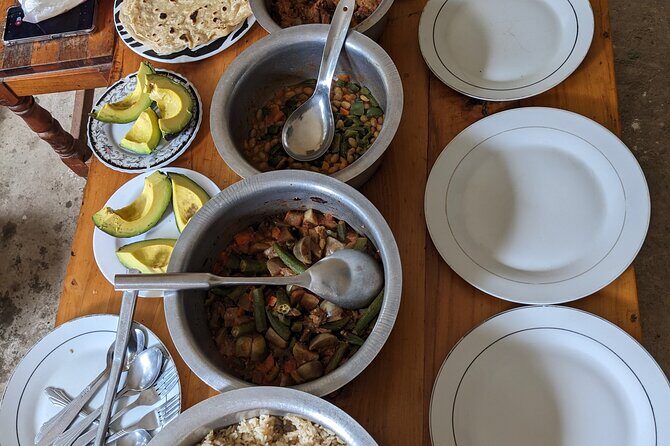
After cooking, you sit down and eat the dishes you prepared. This is one of those moments that sounds obvious on paper—then surprises you in real life.
Why? Because cooking teaches you the effort behind each bite. When you finally eat, you understand why someone cooks it this way. You don’t just taste food. You taste the choices: how it’s seasoned, how it’s cooked through, and how the textures work together.
If there’s leftover food, you may be able to pack extra portions to take back to your hotel. That’s a small thing, but it’s practical. It also gives you a chance to stretch the experience—one meal becomes two.
A quick reality check on drinks
Drinks are not included. That’s important if you’re the type who wants water with every walking stretch and every cooking step. One account specifically noted that there wasn’t much to drink on-site, even though the guide helped with water and even beer in that situation. Don’t count on alcohol. Just plan for water.
Price and Value: Why $45 Can Feel Fair (If You Want the Real Thing)
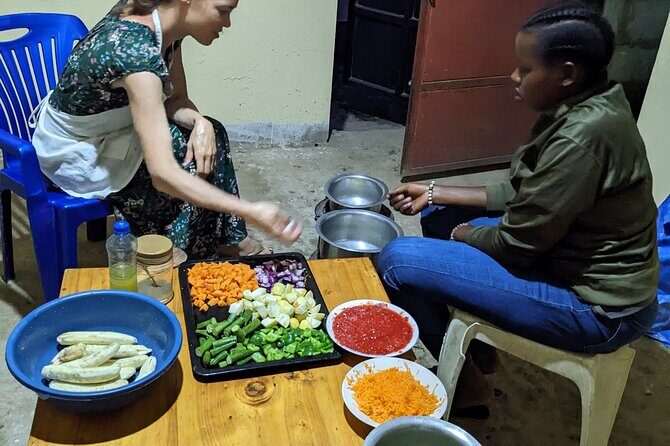
At $45 per person for about 5 hours, this class offers more value than it seems at first glance because it bundles the full arc:
- hotel pickup and drop-off
- market visit
- cooking class with ingredients
- the meal you cook
You’re paying for time with local people, plus the ingredients and labor needed to teach you. In many places, buying a market tour and a cooking class separately ends up costing more for less. Here, the market leads directly into the cooking, so you’re not wasting half your day trying to match ingredients to a recipe.
Where you might spend extra:
- drinks (not included)
- anything you choose to buy at the market beyond what’s needed for the class ingredients
Practical Tips That Make This Day Easier
A few simple choices will make the experience smoother.
Wear for walking and cooking
Bring comfortable shoes and comfortable clothes, ideally with long pants. The market involves moving on uneven or busy ground. Even if you’re only there for 30–50 minutes, your feet will notice if your shoes don’t.
Bring curiosity, not complicated gear
The day is hands-on, so you don’t need special equipment. Photos are allowed, so if you like documenting food and hands-on cooking, you’ll have good moments to capture.
Keep it simple and follow the safety rule
Weapons or sharp objects are not allowed. That’s easy—just pack like you’re going to a normal class.
Who This Is Best For (and Who Might Skip It)
This tour is a strong fit if you want:
- a real taste of Tanzanian home cooking, not just restaurant sightseeing
- a guided market experience where someone explains ingredients clearly in English
- a cooking lesson where you actually do the work, not just watch
It’s less ideal if you’re expecting a high-end cooking studio with strict cleanliness standards similar to US facilities. The food will still be fully cooked, but the washing habits may not match what you’re used to. One person specifically noted that soap and water were available, but hands and boards weren’t scrubbed as thoroughly as US routines, which made them pause. If that level of hygiene is a dealbreaker, you’ll need to weigh that against the authentic, practical feel of the day.
Should You Book This Arusha Market and Cooking Class?
I’d book it if you want a day that teaches through doing. The combo of market shopping and cooking with chef Neema turns food into something you can recreate, not just something you ate once.
Skip or reconsider if:
- you dislike home-style cooking setups and need stricter hygiene standards
- you strongly prefer all meals and drinks being included
- you want a longer, slower food experience with very detailed hands-on practice beyond the standard class flow
For most people, this is one of the smartest values in Arusha if you like food, markets, and learning how locals actually eat.
FAQ
How long is the Arusha traditional cooking and market tour?
The experience lasts about 5 hours total, with the cooking class portion lasting between 1 and 3 hours.
Does the tour include pickup and drop-off from my hotel?
Yes. The tour includes hotel pickup and drop-off within Arusha town center.
What dishes will I cook during the class?
You’ll cook plantain banana, chapati, ugali, and vegetables. There is also an option for stewed or barbecued meat if you want it.
Is a meal included after the cooking?
Yes. You’ll enjoy a meal made from the dishes you prepared.
Are drinks included?
No. Drinks are not included.
What should I bring?
Wear comfortable shoes and comfortable clothes, and plan on bringing long pants.
Do I get free cancellation?
You can cancel up to 24 hours in advance for a full refund.