REVIEW · ARUSHA
3 Days Tanzania Safari
Book on Viator →Operated by Super Game Tanzania Tours and Safaris · Bookable on Viator
Three days, three big wildlife worlds. This tight Tanzania safari is built for people who want the Northern Circuit feel without the full week, hitting Lake Manyara and Ngorongoro Crater with an experienced driver-guide and airport pickup. You’ll get structured game drives, plus lodge and crater timing that helps you see more than just driving-bys.
The only catch is the pace: by the end of day 1 and day 2 you’re working around long drives and early starts, so it’s not the trip for total lounging.
In This Review
- Key Bits Before You Go
- Getting From Arusha: The 7:30am Start and Small-Group Advantage
- Day 1 at Lake Manyara: Soda Lake Flamingos and Tree-Climbing Lions
- Day 2 at Ngorongoro Crater: The 600m Descent and Predator Density
- Day 3 at Tarangire: Baobabs, the Tarangire River, and Big Elephant Herds
- Guides and the Jeep Setup: Comfort, Communication, and Real Safari Rhythm
- Price and Value: Is $780 for 3 Days a Good Deal?
- Who Should Book This Tanzania Northern Circuit Sampler
- FAQ
- What time does the safari start, and where do we meet in Arusha?
- Which parks are included in this 3-day safari?
- How many travelers are in the group?
- Is pickup and drop-off included?
- What is the price for the trip?
- What if the minimum number of travelers isn’t met?
Key Bits Before You Go
- Small group (max 6 travelers) keeps the safari feel personal, not chaotic.
- Airport pickup and drop-off means less stress the moment you land in Tanzania.
- Lake Manyara’s soda lake and flamingos come with a very different habitat than the classic savanna.
- Ngorongoro’s 600m descent is one of the quickest ways to understand why the crater is wildlife-dense.
- Tarangire’s river + baobabs are the setup for elephant viewing, especially in the dry season.
- Safari jeeps with creature comforts show up in real-world feedback: cooler, chargers, Wi‑Fi, and a pop-up roof.
Getting From Arusha: The 7:30am Start and Small-Group Advantage
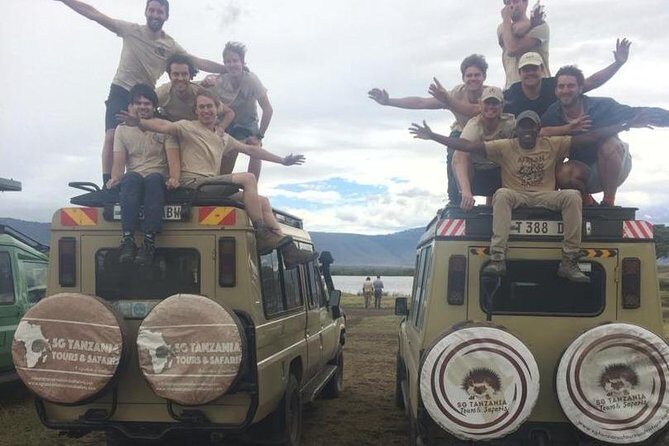
This safari is anchored in Arusha. Your day begins at the meeting point at Mvuli Hotel on Kundayo Road, with a 7:30am start time. That early start matters in safari land. It buys you more daylight for wildlife activity and gives the guide time to plan routes based on what’s happening in the parks that day.
The group size is capped at six travelers, which I like. You’re not fighting for sightlines, and your guide can shift attention without juggling too many people. In the reviews, you also see the practical perks of the vehicle setup: a clean, well-maintained jeep, and extras like a cooler, chargers, Wi‑Fi, and a pop-up roof. Those sound small, but on a multi-park, multi-drive schedule, they help you stay comfortable.
If you’re doing this as a quick Tanzania sampler, this is a strong format. In just about three days, you’re in Lake Manyara, down into Ngorongoro Crater, then out to Tarangire—a condensed Northern Circuit-style hit of variety.
A few more Arusha tours and experiences worth a look



Day 1 at Lake Manyara: Soda Lake Flamingos and Tree-Climbing Lions
Day 1 is all about getting your first big “wow” fast. You meet the driver-guide in Arusha for a short safari briefing, then you roll out to Lake Manyara National Park. The plan is to arrive in time for lunch at the lodge, then head into the park after lunch for game viewing.
Why Lake Manyara hits differently:
- The park sits at the foot of the Great Rift Valley’s western escarpment. That location shapes everything—the terrain, the light, and the animal behavior.
- The park’s main feature is a massive but shallow soda lake, covering roughly two-thirds of the park. It’s not just scenery. It’s habitat.
- Flamingos are attracted by algae in the lake. If you like birdlife, this is one of the easier places to understand that the safari isn’t only about big mammals.
And then there’s the Manyara headline:
- Elephants are said to be among the largest concentrations in Africa here.
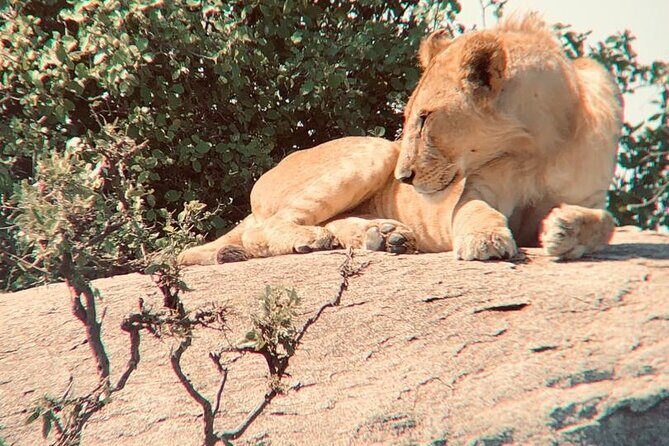
- Manyara is also famous for tree-climbing lions. Even if you don’t see one on a given drive, knowing they live in this ecosystem changes how you scan trees, branches, and ridgelines.
A practical thing I’d keep in mind: because Lake Manyara is water- and habitat-driven, animal sightings can feel a bit “timing-based.” Your guide’s skill matters. In the feedback, guides like Saluu were praised for being alert and hands-on—exactly what you want when the action isn’t uniform across the day.
Potential drawback to plan around: because day 1 is your arrival + briefing + drive + afternoon game drive combo, you won’t have much buffer time for delays. If your flight timing is tight, build in slack with your arrival schedule.
Day 2 at Ngorongoro Crater: The 600m Descent and Predator Density
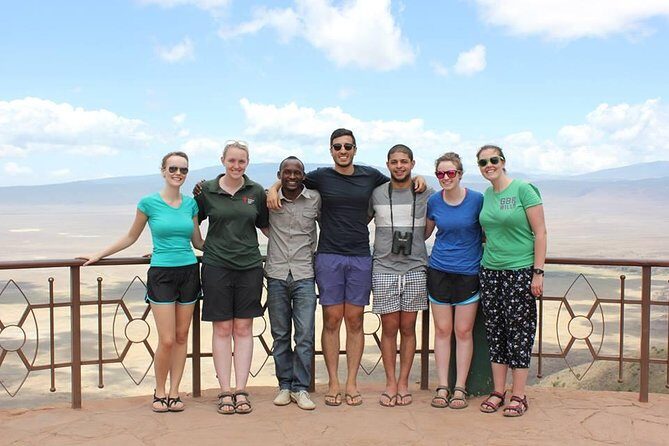
Ngorongoro Crater is the centerpiece of this itinerary. After breakfast, you descend about 600 meters into the crater for a morning game drive that’s roughly a half-day. This is one of the best “compressed learning experiences” in East Africa: you quickly see how altitude, water access, and grazing concentration create wildlife density.
Here’s what makes the crater special and why your guide’s scanning matters:
- Ngorongoro is estimated to support around 30,000 animals.
- It includes some of the last remaining black rhino in Tanzania.
- Because the crater has a year-round supply of water and fodder, animals can stick around rather than constantly relocating.
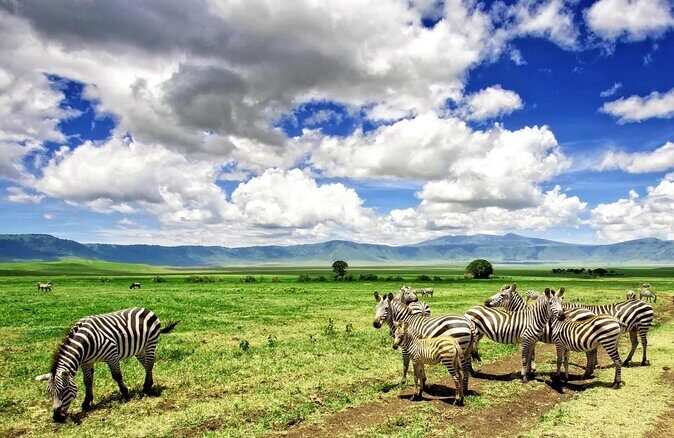
- You can expect a mix of classic grazers and residents: wildebeest, zebra, buffalo, eland, warthog, hippo, and even giant African elephants.
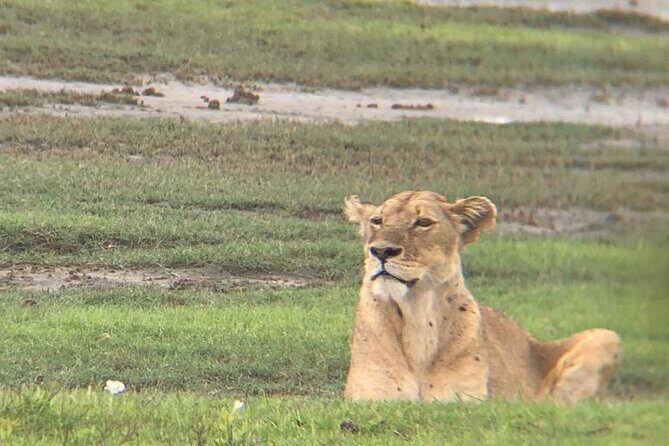
Then there’s the predator angle. The crater is known for relatively high predator presence, including lions, hyenas, jackals, cheetahs, and an elusive leopard that sometimes takes a trained eye to spot. I like that this day isn’t only about collecting animals on a checklist. It’s built for tracking behavior—who’s feeding, who’s alert, and what’s happening around cover.
Lunch is a highlight too: you get a picnic lunch inside the crater, which changes the feel of the day. It’s one less “we must move immediately” moment and one more “look around and notice” moment.
After lunch, the day moves on to Tarangire National Park. That transition is part of why this itinerary works for short trips. It’s also part of why the schedule feels busy: you’re shifting from crater to a different ecosystem rather than staying put.
My advice for this day: if you’re the type who likes photos, you’ll want to be ready at all times. Ngorongoro can produce bursts of sightings in short windows. Your guide’s pace and positioning are everything.
Day 3 at Tarangire: Baobabs, the Tarangire River, and Big Elephant Herds
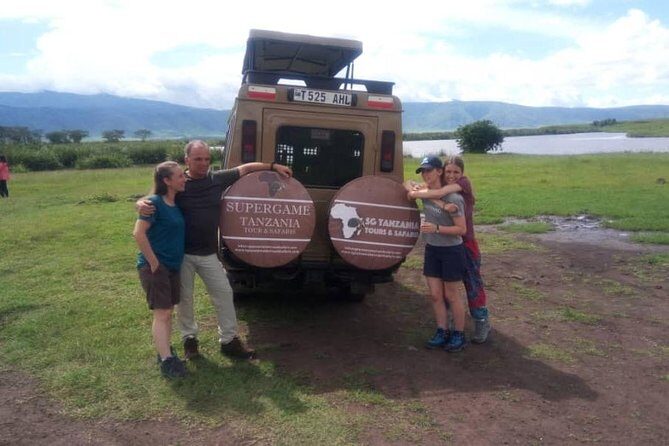
Tarangire is your final morning game drive. After breakfast, you head into Tarangire National Park for the early viewing window. Tarangire runs along the Tarangire River, and the park’s character comes from low-lying hills and acacia woodlands, plus the dramatic presence of giant African baobab trees.
Two details here matter for animal viewing:
- The park also has huge swamp areas in the south.
- During the dry season, the river and swamps act like a magnet for animals.
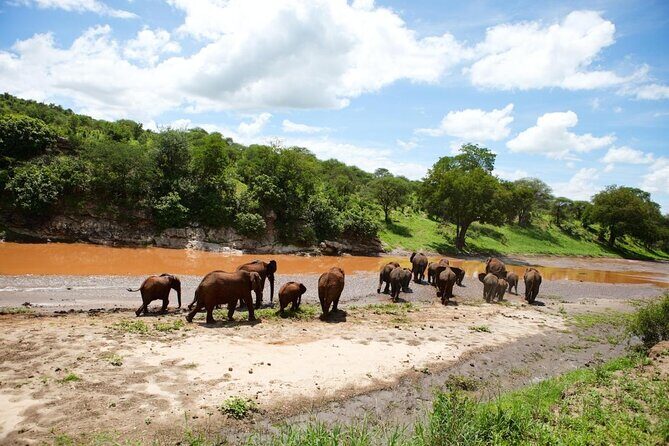
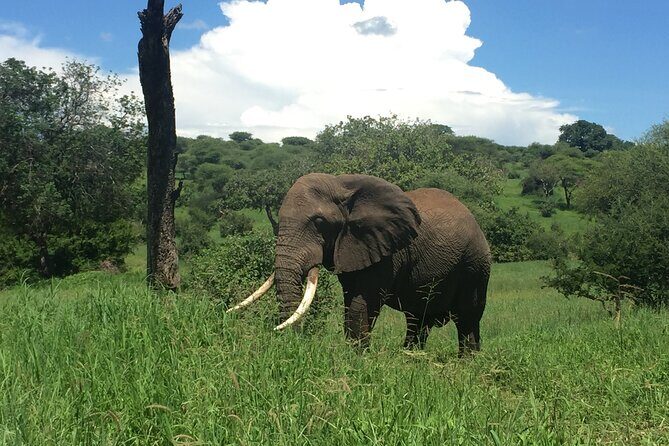
That’s why Tarangire is reputed for large elephant herds. If you’ve been picturing elephants as your main target, this is a good place to close the loop.
Tarangire also offers some “specialty species” viewing, including:
- Greater Kudu
- Fringed-eared Oryx
- Ashy Starlings (rare, but part of the park’s bird-and-wildlife identity)
After the morning drive, you return to the lodge for lunch, and then the trip finishes with airport drop-off included. That final handoff is a big deal if you’re chaining flights or continuing to other parts of Tanzania.
A realistic consideration: because you’re wrapping up after just three park days, your “big five” expectations should be flexible. This itinerary is built more around variety—Manyara’s Rift Valley drama, Ngorongoro’s density, Tarangire’s river and baobabs—than on guaranteeing one exact animal lineup.
Guides and the Jeep Setup: Comfort, Communication, and Real Safari Rhythm
The experience lives or dies with the people behind it. The guide role here is a real one: spotting, positioning, and managing the timing between parks.
In the feedback you can see a pattern:
- Guides like Saluu were praised for guiding skill and for keeping the jeep setup comfortable (clean, maintained, with a cooler, chargers, Wi‑Fi, and a pop-up roof).
- Other write-ups highlight guides such as Jonas for knowledge and for teaching you what you’re looking at.
- The driver Jeff was specifically noted for the service side—getting people handled smoothly between stops.
I also like that you’re not just thrown into the wild with a driver and a checklist. Office communications showed up in reviews too, including responsive staff like Miss Huruma. If you’ve ever planned a short trip with tight logistics, responsive communication is a genuine value driver, even if it’s not a “safari thing.”
A few more Arusha tours and experiences worth a look



Price and Value: Is $780 for 3 Days a Good Deal?
At $780 per person for three days, this safari isn’t the cheapest way to see Tanzania’s northern parks—but it’s not a sky-high luxury number either. For the price, you’re buying three major park days—Lake Manyara, Ngorongoro Crater, and Tarangire—plus airport pickup and drop-off.
Here’s what makes it feel like value rather than just cost:
- Concentration of parks: you’re doing three big ecosystems in roughly three days. For short timeframes, that’s the point.
- Small group size (max 6): you’re not paying for a huge cattle-cart feel.
- Vehicle comfort that shows up in reviews: a cleaner, better-equipped jeep makes the long drives less draining.
- Guide-led game viewing: the guide isn’t optional decoration. You need them for predator spotting, animal behavior reading, and getting the right positioning.
One caution on value: because the itinerary is compact, you should compare it to your travel style. If you want slow mornings, long lodge afternoons, and fewer drive segments, a longer safari duration might match your pace better. If you want maximum wildlife variety in minimal time, this format usually fits.
Also, booking timing matters. This tour is commonly booked about nine days in advance, which suggests it’s in demand. If you’re traveling around popular periods, earlier booking can help lock in your date.
Who Should Book This Tanzania Northern Circuit Sampler
This is a great fit if:
- You have limited time and want a real Northern Circuit feel in three days.
- You want both wildlife variety and iconic settings: Lake Manyara, Ngorongoro Crater, and Tarangire.
- You appreciate a guide-led structure and prefer a small group.
You might want to skip or reconsider if:
- You hate early starts and back-to-back park days.
- You want a slower safari with more time in one park, rather than “see three systems quickly.”
If you’re a first-time Tanzania visitor, this itinerary is also a smart way to learn what you like—do you prefer crater density, Rift Valley birdlife and elephants, or river-and-baobab big-herd viewing? After three days, you’ll know what to aim for next.
FAQ
What time does the safari start, and where do we meet in Arusha?
The meeting point is Mvuli Hotel, Kundayo Road, Arusha 16114, Tanzania, with a start time of 7:30am.
Which parks are included in this 3-day safari?
This safari covers Lake Manyara National Park, Ngorongoro Crater, and Tarangire National Park.
How many travelers are in the group?
The tour has a maximum group size of 6 travelers.
Is pickup and drop-off included?
Yes. Pickup offered and airport drop-off are included, and the start includes a meeting with the guide/driver in Arusha.
What is the price for the trip?
The price is $780.00 per person.
What if the minimum number of travelers isn’t met?
If the experience is canceled because the minimum number of travelers isn’t met, you’ll be offered a different date/experience or a full refund.
If you want, tell me your travel month and where you’re flying from (Kilimanjaro vs. Arusha/other), and I’ll help you judge whether this timing and pace will feel great or a bit intense for your style.