REVIEW · ARUSHA
Waterfalls, Coffee, Hotsprings, Food Cuisine, & Serval Wildlife
Book on Viator →Operated by Moorland Safari and Trekking · Bookable on Viator
If you want a Tanzania day that’s more than a safari drive, this one fits the bill. You’ll spend your morning hiking to Materuni Waterfalls, then cool off and warm up again at Kikuletwa Hot Springs, with lunch and coffee built in along the way.
What I like most is the mix: you get a real walk through Kilimanjaro foothill villages, plus the kind of hot-spring water that makes you want to stay longer than planned. I also love that your coffee is not a passive tasting—at the coffee stop, you roast and prepare it step by step.
One thing to consider: you’re in for a long day with an early start, and the waterfall hike includes time on a trail, so comfortable shoes matter.
In This Review
- Key things to know before you go
- Your full day route: Arusha to Materuni, then Kikuletwa, then Moshi
- Stop 1: Materuni Waterfalls hike in Kilimanjaro foothill country
- What the waterfall experience feels like
- A practical consideration for the hike
- Stop 2: Kikuletwa Hot Springs and that surreal turquoise water
- What you should bring (and what to skip)
- Coffee and lunch: Chagga food plus step-by-step organic roasting
- Why this is good value
- Stop 3 in Moshi: a sanctuary built for animal welfare and rehab
- What to expect in a short visit like this
- Guides, service, and the small details that make the day smoother
- Price and value: what $350 buys you in real-world terms
- Who this tour is best for (and when you might want to choose something else)
- Should you book this tour?
- FAQ
- What time does the tour start in Arusha?
- How long is the tour?
- Is pickup from central Arusha included?
- What are lunch and coffee like on this tour?
- Are admission fees included?
- Is alcohol included?
Key things to know before you go
- Early start from Arusha: meeting point is 6:30am around Clocktower Roundabout, with first drive time kicking off quickly
- Materuni hike through Chagga communities: you’ll get an on-the-ground look at local life as you walk
- Kikuletwa Hot Springs time: plan for a few hours to actually enjoy the warm, turquoise-blue water
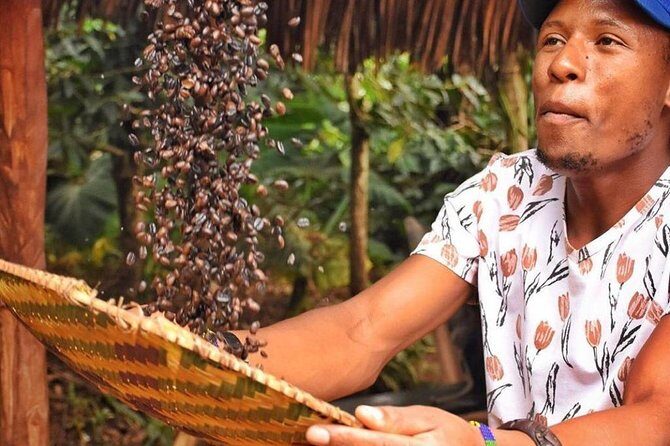
- Coffee isn’t just served—it’s made: you’ll roast and prepare organic coffee step by step
- Conservation stop in Moshi: short visit to a large sanctuary with a rehabilitation focus (admission ticket free)
- Private tour comfort: round-trip transport from central Arusha and personal attention from your guide
Your full day route: Arusha to Materuni, then Kikuletwa, then Moshi
This is a private, full-day outing built around three very different experiences, all within the Arusha–Moshi area. You start in Arusha with pickup and a driver/guide team, then head toward the Kilimanjaro foothills for the Materuni Waterfalls hike. After that, you move on to Kikuletwa Hot Springs, where you’ll have time to soak. The last leg brings you to a conservation sanctuary in the Moshi area, finishing back where you started.
Timing is the main thing to wrap your head around. The published start time points to 6:30am at the Clocktower Roundabout area, and the waterfall day schedule includes getting underway early from your hotel (often around 7:30am pickup). Either way, you’ll want breakfast handled before the day becomes all “go-go-go.”
Duration is listed at 10 to 12 hours. That range feels about right when you combine drive time (about two hours to Materuni by car) with walking and a few hours at the hot springs. If you’re the type who hates being rushed, treat this as a “one big day” instead of trying to stack extra plans afterward.
You can also read our reviews of more food & drink experiences in Arusha
Stop 1: Materuni Waterfalls hike in Kilimanjaro foothill country
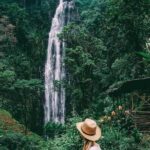
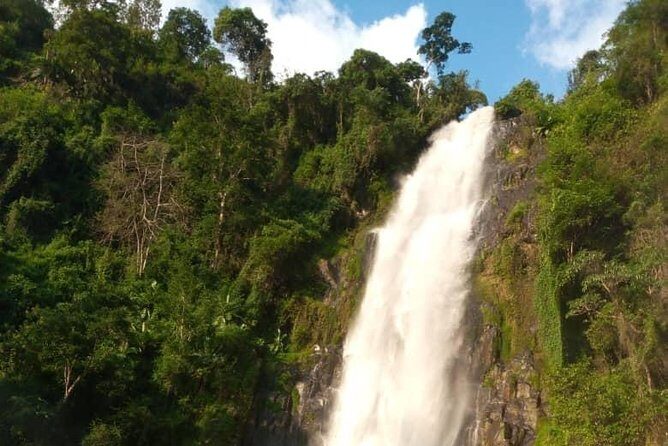
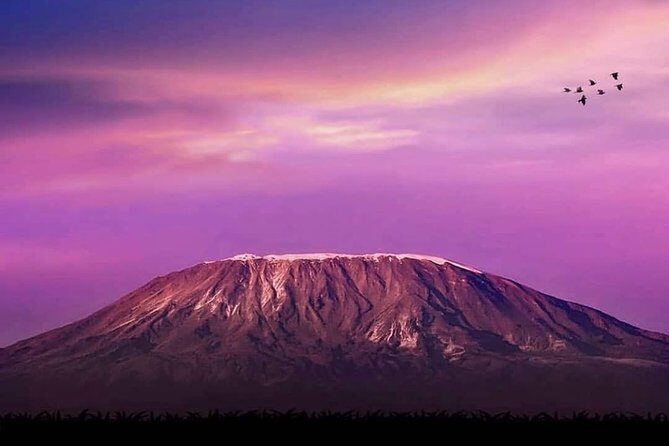
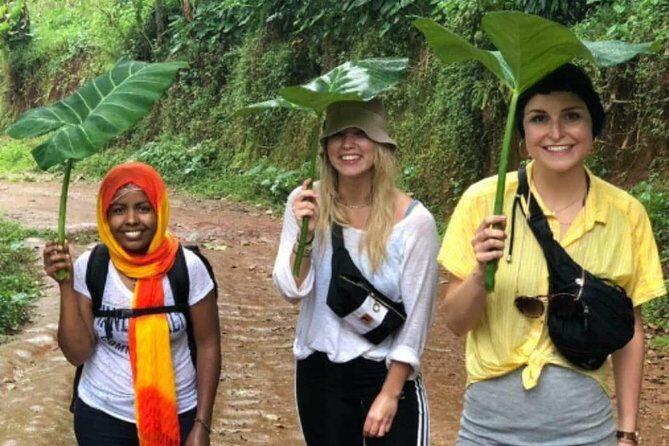
Materuni is in the foothills of Mount Kilimanjaro, and the hike is set up like a guided walk through working village surroundings, not just a scenic sprint. After your early departure from Arusha, you’ll drive for around two hours to Materuni. From there, you’ll hike for about an hour on a route through lush green vegetation and past homes of the Chagga people.
Here’s what makes this stop feel meaningful: your guide isn’t only pointing out the view. You’ll hear about Chagga life and daily rhythms while you’re walking. That’s the kind of context that turns a waterfall stop into a cultural one, even if your main goal is water and photos.
What the waterfall experience feels like
When you reach the falls, the payoff is immediate: you’re hit with the scale of Materuni Waterfalls, with water cascading through the surrounding area. The tour description frames it as something that leaves you speechless, and the “good” version of that is exactly what you should expect—this is not a tiny roadside trickle.
A practical consideration for the hike
The itinerary describes the trail as about an hour, but it doesn’t spell out steepness or footing. That means you should plan like it could be uneven at times. Wear shoes you trust, and bring a light layer because morning air and humidity can feel very different as you move from village areas into the wetter pockets near the falls.
Stop 2: Kikuletwa Hot Springs and that surreal turquoise water
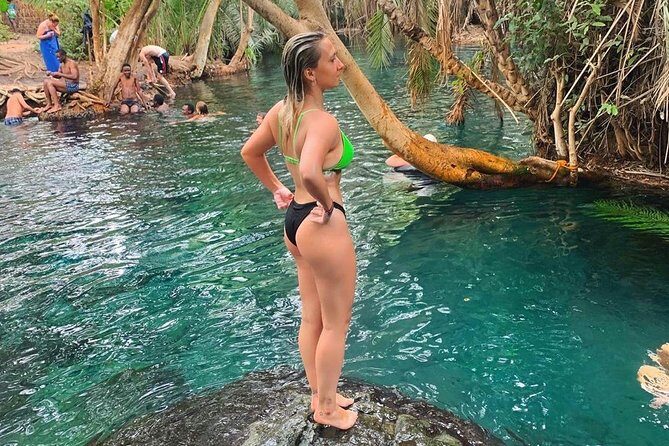
After Materuni, the day shifts into pure comfort. Kikuletwa Hot Springs is known for warm water that comes up naturally. The water is described as turquoise-blue and crystal clear, and the feeling here is simple: you get time to relax and swim in water that’s warm enough to make you forget you’re on a schedule.
You’re allocated about four hours at this stop, which is great. Four hours gives you breathing room for the first “wow” moment, plus the slower part—standing around, rinsing off, and deciding whether you want to go in again.
A few more Arusha tours and experiences worth a look
What you should bring (and what to skip)
The tour doesn’t list packing items, so I can’t promise facilities or changing areas. But because hot springs are a water stop, you’ll likely be happier if you show up ready to get wet. At minimum, think about bringing swimwear and a towel you don’t mind getting a little gritty.
Also: if you hate holding onto damp items all day, bring a zip bag. It makes a big difference during long drives.
Coffee and lunch: Chagga food plus step-by-step organic roasting
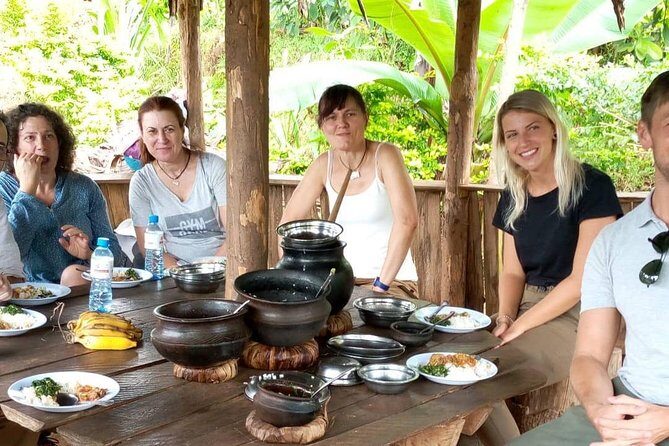
This tour handles two things that can make or break a day trip in Tanzania: food and coffee. Lunch is described as a well-prepared local Chagga Cultural food buffet. That’s a good setup for a private tour because buffet-style meals tend to let you eat what you’re comfortable with, at your pace, without turning lunch into a long sit-down ordeal.
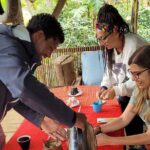
Then there’s the coffee. The inclusion is specific: you’ll get coffee and/or tea, and you’ll roast and prepare your own organic coffee step by step. Instead of only tasting what someone else made, you get to participate in the process. That matters more than it sounds—coffee in this region often carries meaning beyond caffeine, because it’s tied to local farming and daily routines.
Why this is good value
A lot of tours say they include coffee, but it’s usually a small drink and a photo. Here, the “own roast” approach adds time and hands-on involvement. Combined with lunch and admissions, it’s part of why this tour can feel fairly priced for a private day rather than a basic drive-and-stand itinerary.
Stop 3 in Moshi: a sanctuary built for animal welfare and rehab
The final structured stop is a sanctuary visit in the Moshi area. It’s described as over 1000 acres, prepared in phases—50 acres at a time—based on animal needs. You also learn their approach to sourcing animals: they’re ethically obtained from zoos and injured animals from the wild.
The long-term goal is rehab with support from TAWA and TAWIRI, with the aim of rehabilitating animals and eventually returning them to the wild. The tour allots about one hour here, and the admission ticket is listed as free for this stop.
What to expect in a short visit like this
Because you’re only there for about an hour, the experience is unlikely to be “deep and drawn out.” Instead, it’s a focused overview: how the sanctuary operates, why they manage space in phases, and what rehab looks like in practice.
If you care about how conservation works on the ground—beyond the usual park-entry talk—this stop is a strong contrast to the nature-based parts of the day. It’s still outdoors, but the message is about care, recovery, and natural behavior.
Guides, service, and the small details that make the day smoother
One of the reasons this tour keeps earning top marks is the human side. I’ve seen examples of guides like Andrew who manage the day from start to finish with a calm, professional approach. There’s also a personal-touch vibe described through support from guides such as Justin—including a moment where Justin accompanied someone to the top by climbing, which signals they’ll adapt to how you experience the site.
And then there’s Eli, who added a lot of personality during the coffee part—making the coffee process feel fun, not just educational. Those names are not just branding; they’re the kinds of guide moments that turn a schedule into a memory.
Private tours also matter here. You’re not competing with other groups for time at the same viewpoint, and you can ask questions while the guide is still close by. That makes the Chagga storytelling feel more like conversation than a scripted explanation.
Price and value: what $350 buys you in real-world terms
At $350 per person, this isn’t a budget “hop on a bus” kind of day. But it also isn’t a stripped-down tour either. For that price, you get:
- Round-trip transportation from central Arusha
- All admission fees included in the tour price
- Lunch (Chagga cultural buffet)
- Coffee and/or tea, including step-by-step organic roasting
- Private tour with guide attention
- Mobile ticket (so you’re not stuck with paper paperwork)
So the value question becomes: does paying for a private day help you enjoy the full lineup without stress? In this case, yes, because you’re combining multiple stops (hike, hot springs, coffee-making, sanctuary learning) that would be annoying to coordinate independently. The tour stitches it into one smooth timeline, with you only needing to show up, walk where you can, and soak when it’s time.
If you’re traveling in a small group, private attention usually feels less expensive than you’d think, because you split the logistics benefit across fewer people.
Who this tour is best for (and when you might want to choose something else)
This works well if you want:
- A day in Arusha–Moshi that goes beyond safari gates
- A balance of water + walking + food + conservation learning
- Hands-on coffee time, not just a quick drink
It’s also marked as most travelers can participate, which is encouraging if you’re not looking to do anything super technical. Still, you should assume the waterfall walk requires normal hiking comfort and sensible footwear.
If you’re someone who can’t handle early mornings, or if you really dislike long drives, you might find the 10–12 hour day a stretch. In that case, you could consider a shorter activity that focuses on just one location.
Should you book this tour?
I’d book it if your dream day includes real local atmosphere: hiking into the Materuni area with Chagga cultural context, then taking real time at Kikuletwa Hot Springs, then ending with a conservation-minded sanctuary stop in the Moshi area. The coffee part—roasting and preparing it step by step—is the kind of inclusion that often turns a “nice excursion” into something you’ll talk about later.
You should think twice if you want a relaxed schedule with no early start. Otherwise, bring comfy shoes, expect a full day, and go for the experience as a whole. The tour is designed to connect the dots between Kilimanjaro foothills life, natural hot-water relaxation, and conservation work—without making you manage the logistics yourself.
FAQ
What time does the tour start in Arusha?
The start time is listed as 6:30am at Clocktower Roundabout, Arusha, Tanzania.
How long is the tour?
The duration is listed as 10 to 12 hours (approx.).
Is pickup from central Arusha included?
Yes. Round-trip transportation from central Arusha is included.
What are lunch and coffee like on this tour?
Lunch is provided as a local Chagga Cultural food buffet. You’ll also get coffee and/or tea, and you’ll roast and prepare your own organic coffee step by step.
Are admission fees included?
Yes. All admission fees are included in the tour price.
Is alcohol included?
No. Alcoholic beverages are not included.

![Zanzibar Cooking Class [Swahili food test ] and Spice farm Private tour - The 3-Hour Spice Farm Walk: Why It’s More Than a Tour](https://i.exploringtanzania.com/wp-content/uploads/zanzibar-cooking-class-swahili-food-test-and-spice-farm-private-tour.jpg)