REVIEW · ARUSHA
Mama Aziz Food Court
Book on GetYourGuide →Operated by Mama Aziz Homestay · Bookable on GetYourGuide
Spices tell a story in Arusha. This Mama Aziz Food Court class blends a hands-on Swahili cooking session with a city market tour for ingredients, then ends with you eating what you made.
I also love how the group stays small, limited to 10 people, so you can actually ask questions instead of watching from the sidelines. One possible drawback: it’s not suitable for wheelchair users or visually impaired people, so check this first if accessibility matters for you.
You’ll spend about 3 hours learning how Swahili food reflects a mix of African, Arab, Indian, and European influences. The instruction is in English, and the experience is led by experienced chefs who focus on spice combinations and practical techniques, not just a scripted demo.
In This Review
- Key highlights you should care about
- Why Swahili cooking tastes like a mixed heritage
- Meeting at Arusha landmarks and getting oriented fast
- City market stop: spices, fruit, and what you’re really learning
- Hands-on kitchen time for biriyani, pilau, chai masala, and ugali
- Chapati and BBQ with veggies: learning where comfort turns savory
- Coconut iftaar and seasonal fruit: the sweet side of coastal cooking
- What’s included in the $25 price (and why it feels fair)
- Social, family-style hospitality in a small group
- Practical tips before you go to Mama Aziz Food Court
- Who this Swahili food lesson is best for
- Should you book this Mama Aziz Food Court cooking lesson?
- FAQ
- How long is the Mama Aziz Food Court cooking lesson?
- How much does it cost?
- Is the cooking lesson hands-on?
- Does the price include the market tour and ingredients?
- What dishes are included in the lesson?
- What language is the instructor?
- Is pickup included, and where does it happen?
- Can I pay later or reserve without paying right away?
- Is there free cancellation?
- Is it suitable for wheelchair users or visually impaired people?
Key highlights you should care about
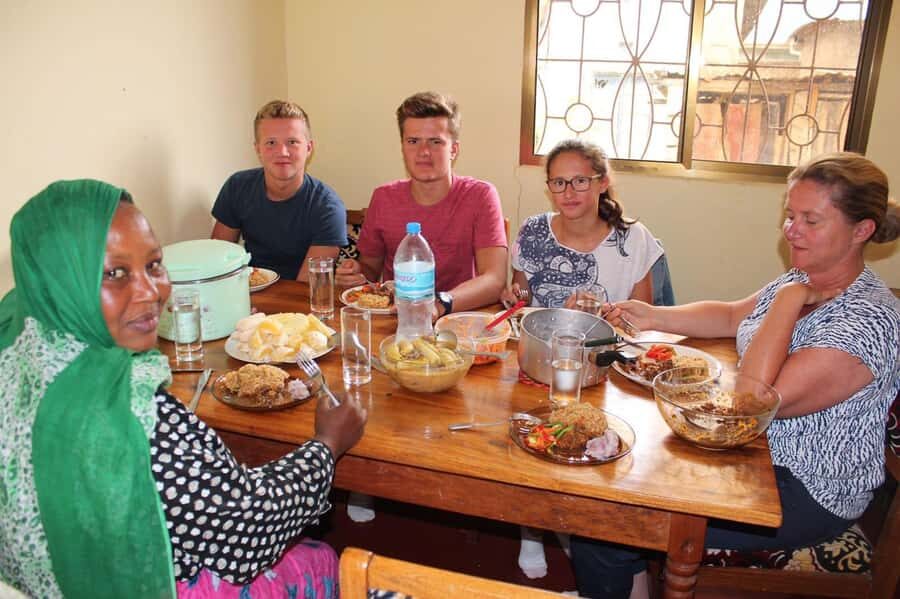
- Market shopping for real ingredients before you cook
- Hands-on recipes built around classic Swahili dishes
- English-led instruction with chefs who explain the why behind flavors
- Signature dishes on the menu like biriyani, pilau, ugali, chapati, and coconut iftaar
- Freshness focus with aromatic spices, herbs, and tropical fruits
- Garden time and tasting that makes the whole meal feel complete
Why Swahili cooking tastes like a mixed heritage
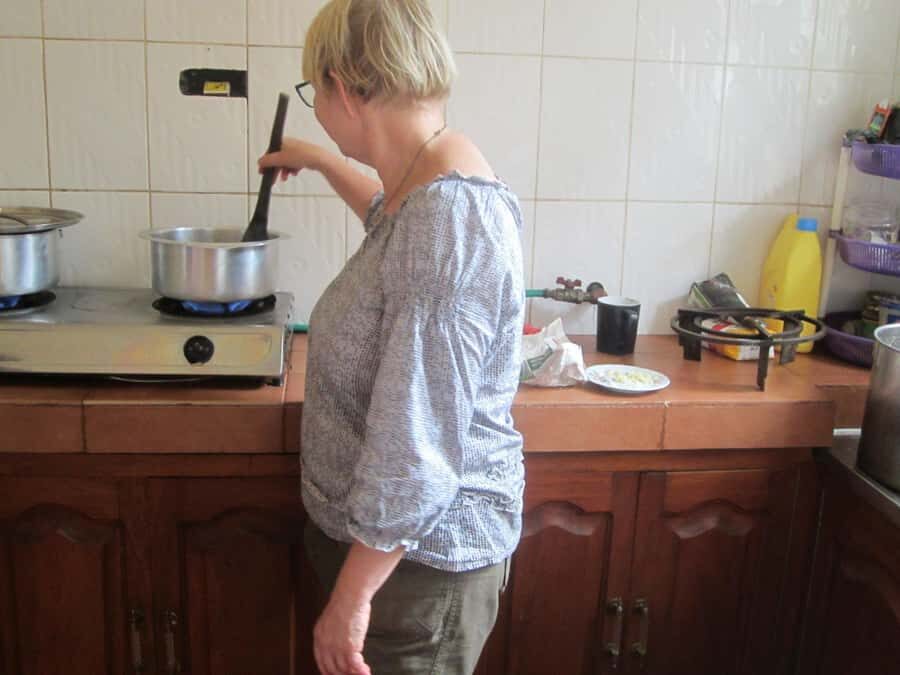
Swahili cuisine isn’t one single flavor style. It’s a food language shaped by trade routes along the East African coast, plus Arab, Indian, and European influences that settled into local cooking.
That’s why the dishes you’ll make feel both familiar and different. You get comfort foods like ugali, then you pair them with spice blends and coastal-style preparations that can taste subtly sweet, smoky, or richly savory depending on the recipe.
If you care about food as culture (not just food as calories), this is the point of the lesson. You learn how ingredients and methods change the final taste, and you start recognizing patterns you can reuse later at home.
You can also read our reviews of more food & drink experiences in Arusha
Meeting at Arusha landmarks and getting oriented fast
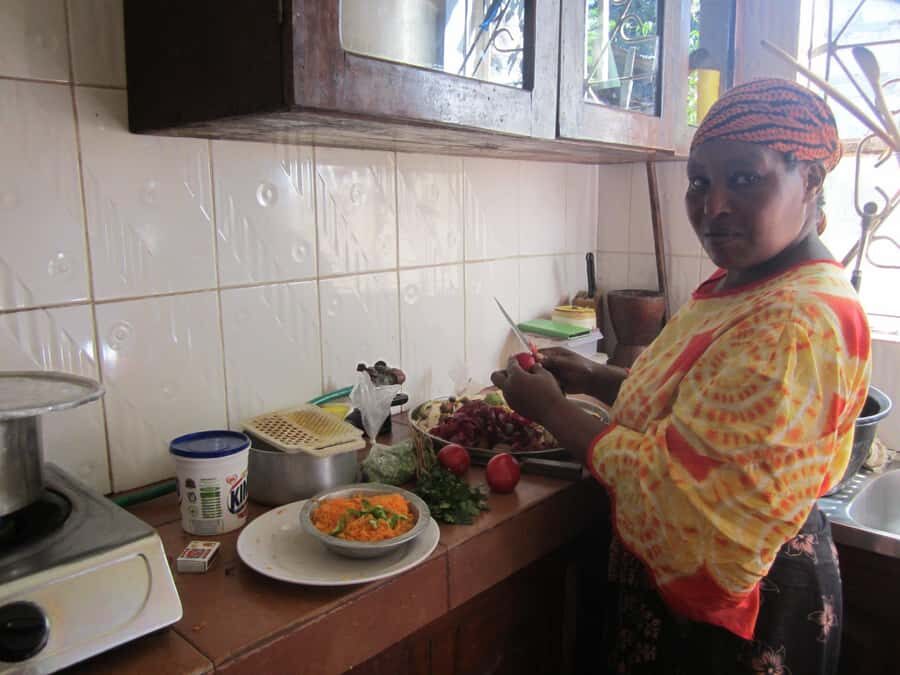
This runs as a small group experience with pickup included. You’ll meet a nearby restaurant around Clock Tower, or at the museum along the monument area, depending on where you start.
Expect a clear start-to-finish flow: market time, cooking work, then tasting. Because the group is limited to 10, you’re less likely to feel like you’re waiting for someone else to finish before you can participate.
Come ready to pay what you’re asked to pay on the day (cash and credit card are both listed as acceptable). Also bring a camera if you like to document your food steps.
City market stop: spices, fruit, and what you’re really learning
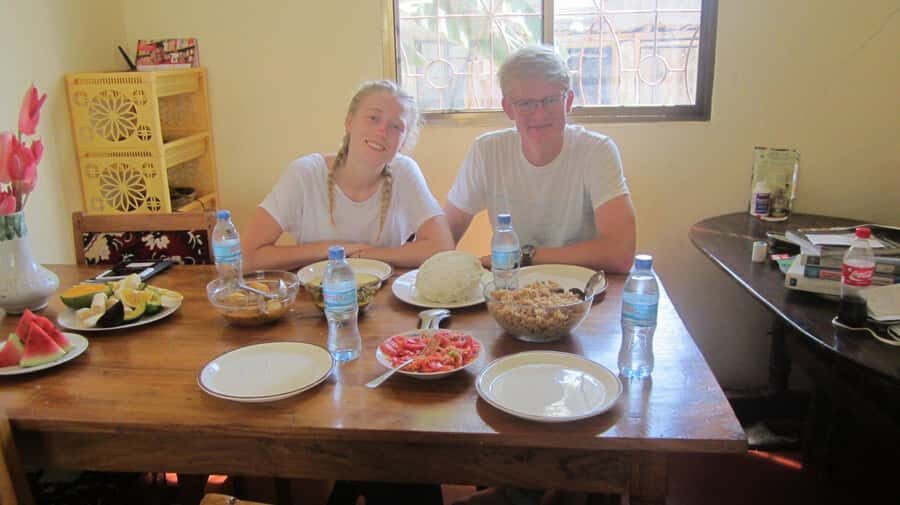
The market part matters more than it sounds. You’re not just buying food; you’re learning which ingredients are worth noticing and how they get used in Swahili cooking.
You’ll shop for items like aromatic spices, tropical fruits, and fragrant herbs. That freshness focus is one reason the final dishes taste the way they’re supposed to, rather than like “generic spices” from a jar.
Here’s the practical takeaway: when you taste later, you’ll understand what you’re tasting. That turns the meal into a lesson you can actually repeat, not just a one-time show.
Hands-on kitchen time for biriyani, pilau, chai masala, and ugali
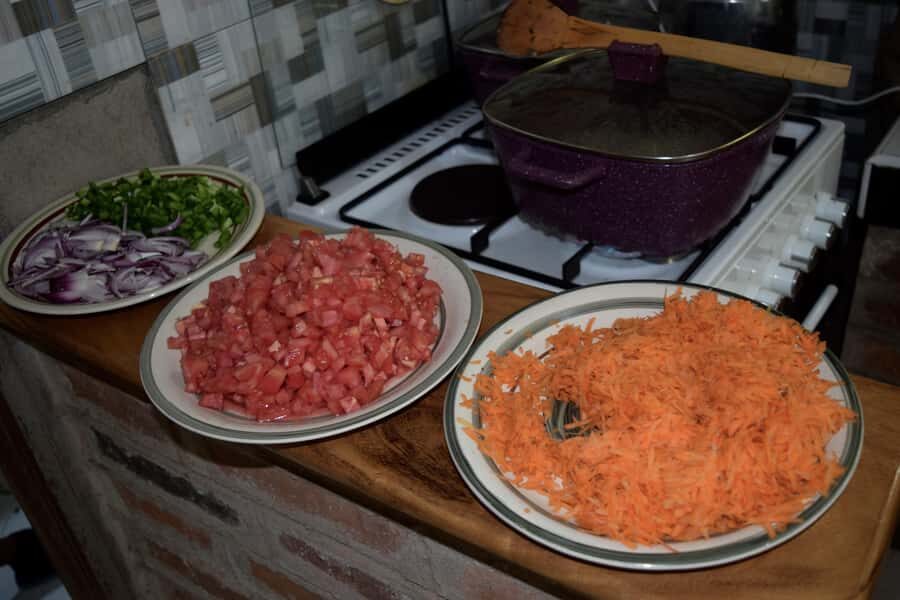
This is the core of the experience: you’ll roll up your sleeves and cook. You’ll be guided by experienced chefs who help you work through spice combinations and cooking techniques step by step.
The signature menu includes biriyani and pilau, and both get paired with kachumbari. Kachumbari is an important detail because it brings crunch and brightness to heavier, spiced rice dishes, keeping the meal from feeling one-note.
You’ll also work with chai masala, spiced tea. It’s not just a drink on the side. In Swahili cooking, spice is a theme, and chai shows you how warmth and spice can work in liquid form too.
Then comes ugali, a staple. You’ll pair it with grilled meat, and that combo teaches you how Swahili meals often balance plain staples with bolder flavor sources. Ugali gives structure, then the grilled meat provides depth, smoke, and seasoning.
One thing I appreciate about a class like this is that it forces you to pay attention to texture. Cooking ugali and preparing rice dishes makes you notice doneness, thickness, and how ingredients behave when heat hits them.
Chapati and BBQ with veggies: learning where comfort turns savory
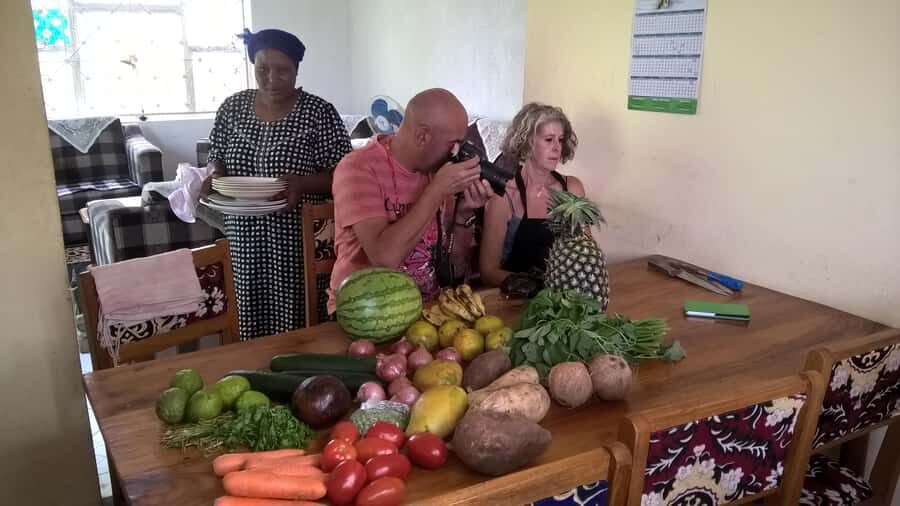
The lesson doesn’t stop at rice and staples. You’ll also learn chapati and gravy, plus BBQ served with veggies.
Chapati is a practical skill because it teaches the balance between flour, fat, heat, and timing. Gravy adds another layer: you see how a sauce can pull flavors together and make a meal feel cohesive.
BBQ with veggies adds contrast. Grilled meat gives smoky flavor, while the vegetables add freshness and chew. It’s the kind of combination that makes you understand why Swahili menus often look varied on the plate, even when the ingredients are familiar.
When you’re in a hands-on class, you’re not just tasting. You’re training your senses. You learn what smells good at each stage, what changes as food cooks, and when a dish is ready to serve.
A few more Arusha tours and experiences worth a look

Coconut iftaar and seasonal fruit: the sweet side of coastal cooking
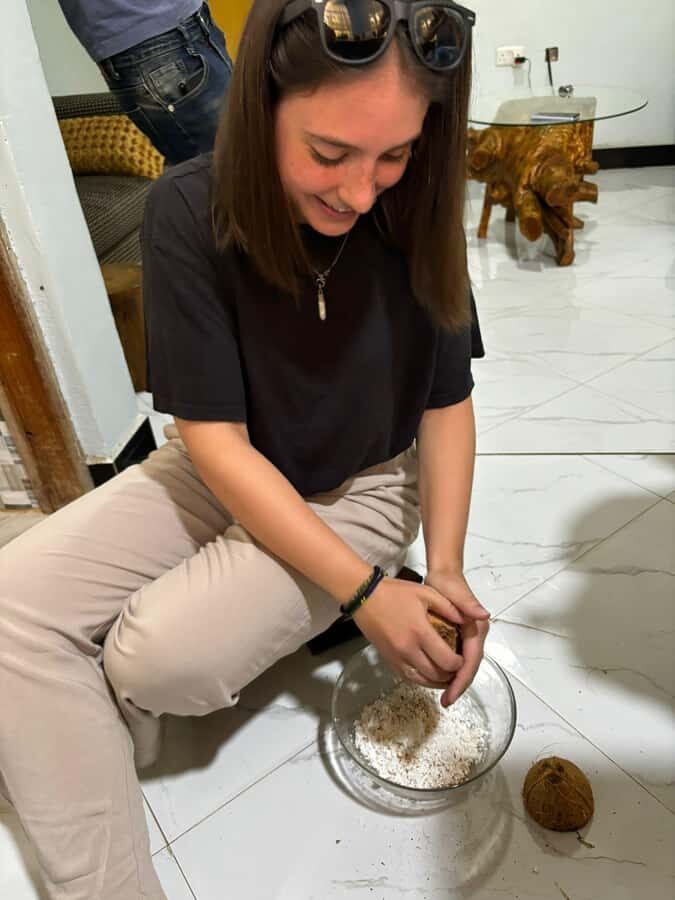
One of the most memorable parts of the menu is coconut iftaar. It’s built around plantains and sweet plantains, plus sweet potatoes, Irish potatoes, and arrow roots.
This isn’t a random dessert-like add-on. It’s a starch-forward, coconut-leaning dish that shows how Swahili cooking can be both hearty and gently sweet, depending on the ingredients and how they’re prepared.
And you’ll round out the meal with seasonal fruits available. That matters because seasonal fruit connects the menu to what’s actually growing locally, not what’s easiest to import or store.
The garden time you get as part of the experience also supports this. You see the environment behind the ingredients, and the tasting feels less like a food show and more like a full meal context.
What’s included in the $25 price (and why it feels fair)
At $25 per person for about 3 hours, the value comes from what’s included—not just the cooking class itself.
Your price covers buying groceries and fruits, plus all necessary ingredients for the recipes and the city market tour. That means you’re paying for the whole learning process: choosing ingredients, preparing them, cooking, and then eating what you made.
Because the group is limited to 10, the chef attention stays more personal than you’d get in a bigger “line-cook” style experience. You’re also paying for an English-speaking instructor who can explain spice and technique in a way that helps you actually cook again later.
If you’re trying to stretch your Tanzania budget, this is a smart buy. It’s not only a meal. It’s a skill-building food experience with a full ingredient component.
Social, family-style hospitality in a small group
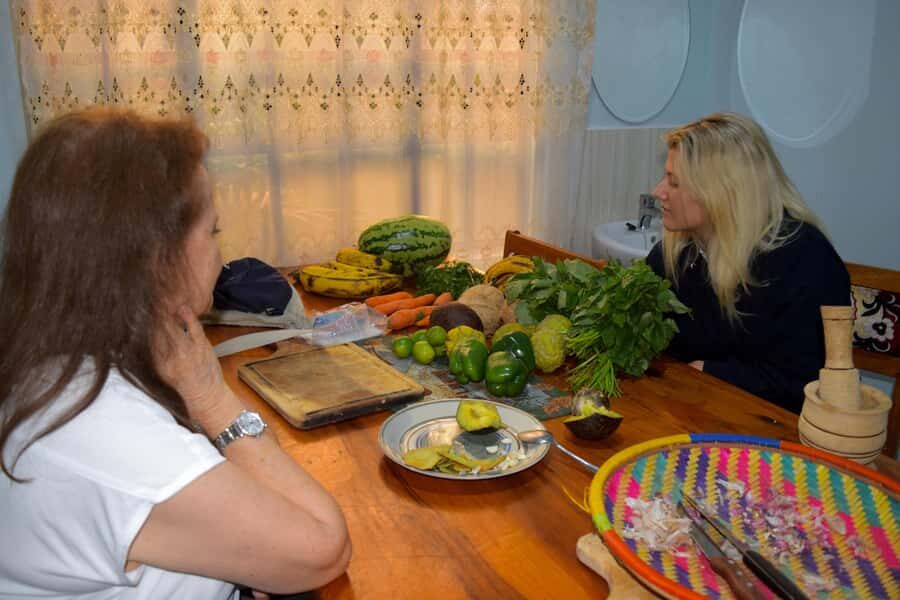
This setup feels welcoming and personal. The hosts are described as a family team, and the vibe is friendly, with clear attention to making you comfortable during the cooking and eating parts.
That social side is not fluff. In a market and kitchen setting, people learn faster when they feel at ease. You ask questions more easily, and you’re more likely to participate instead of hanging back.
It also helps that the menu is specific. You know what you’ll be making—biriyani, pilau with kachumbari, ugali with grilled meat, chapati and gravy, BBQ with veggies, chai masala, coconut iftaar, and fruits—so the time doesn’t feel vague.
Practical tips before you go to Mama Aziz Food Court
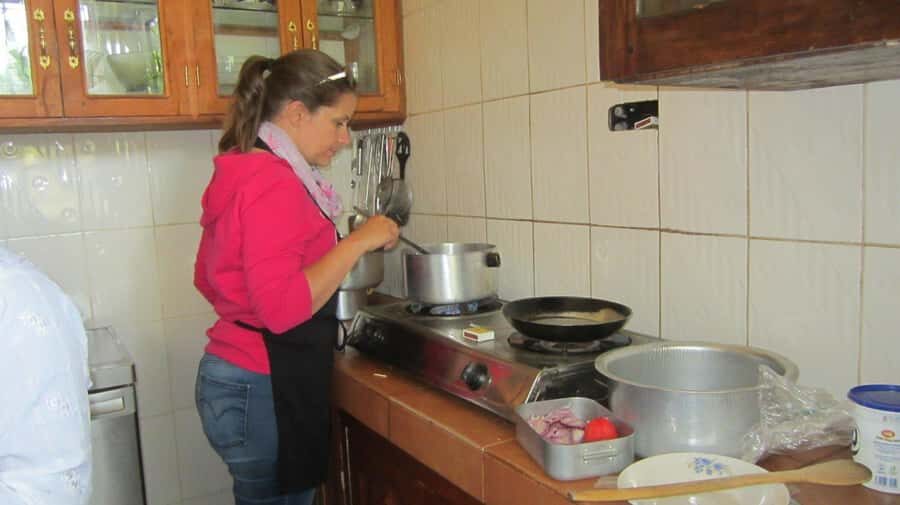
A few small things will make your 3 hours smoother.
Bring a camera if you want photos of the market and the food prep. Also bring cash and a credit card, since both are listed as options for what you might need during the experience.
Don’t plan on bringing pets. And skip alcohol and drugs during the activity, since they’re not allowed.
And if you’re traveling with accessibility needs, take this seriously. The experience isn’t suitable for wheelchair users or visually impaired people, so it’s better to look for an alternative if that applies to you.
Who this Swahili food lesson is best for
This is ideal if you like food that has a story and you want to learn by doing. You’ll get the most out of it if you enjoy spices, don’t mind active kitchen time, and want to understand how coastal East African flavors work.
It also fits well for couples and small groups who want something more local than a typical dinner. The class structure, English instruction, and limited group size make it easier to connect with the chef and hosts.
If you want a quiet, sit-back-and-watch-only experience, this might feel too hands-on for your taste. The point here is participation: you’ll be cooking and tasting, not just observing.
Should you book this Mama Aziz Food Court cooking lesson?
Yes, if you want a practical Swahili cuisine experience in Arusha that includes a market ingredient walk, hands-on cooking, and a full tasting meal. The $25 price is more than a dinner rate because it covers groceries, fruits, and the ingredient work behind each dish.
Skip it only if accessibility is a dealbreaker for you, since it isn’t suitable for wheelchair users or visually impaired people. Also, if you prefer a purely observational tour, know this is built around rolling up your sleeves and cooking.
If you fit the sweet spot, this is the kind of class that leaves you with both full stomach and usable skills.
FAQ
How long is the Mama Aziz Food Court cooking lesson?
It lasts 3 hours.
How much does it cost?
The price is $25 per person.
Is the cooking lesson hands-on?
Yes. The experience is described as hands-on learning with interactive cooking sessions.
Does the price include the market tour and ingredients?
Yes. The price includes buying groceries and fruits, all necessary ingredients required for the recipes, and the city market tour.
What dishes are included in the lesson?
The lesson includes Swahili dishes such as biriyani, pilau served with kachumbari, chai masala, ugali served with grilled meat, BBQ with veggies, chapati and gravy, coconut iftaar (with plantains, sweet potatoes, Irish potatoes, and arrow roots), plus seasonal fruits.
What language is the instructor?
The instructor provides the lesson in English.
Is pickup included, and where does it happen?
Pickup is included from any nearby restaurant around Clock Tower, or from the museum along the monument.
Can I pay later or reserve without paying right away?
Yes. The listing offers reserve now & pay later, so you can book your spot and pay nothing today.
Is there free cancellation?
Yes. Free cancellation is available up to 24 hours in advance for a full refund.
Is it suitable for wheelchair users or visually impaired people?
No. It is not suitable for wheelchair users or visually impaired people.