REVIEW · ARUSHA
Arusha: Traditional Tanzania Cooking Class & Food Market Tour
Book on Viator →Operated by Tanzania Songbirds Safaris · Bookable on Viator
Food markets and cooking classes are a great match in Arusha. You start with a guided run through the central food market, then you head to Sanawari to cook what you picked with a local chef—using a working local kitchen, not a showroom setup.
Two things I really like: the market walk gives you context for what you’re eating (from staples to everyday ingredients), and the cooking part stays practical and hands-on, even if the space is basic. One thing to keep in mind is that this is not a modern, high-end kitchen experience—you’ll cook on charcoal burners with simple tools, so expect rustic conditions rather than polished counters.
In This Review
- Key things that make this tour worth your time
- Arusha’s central food market: where your appetite gets a story
- Sanawari and the ride that feels like real life
- The cooking class: a real kitchen, hands-on learning
- From shopping to the plate: how the meal fits together
- Price and logistics: what $42 really buys you
- Timing, guides, and the pace you can actually handle
- Who should book this Arusha cooking class (and who might want to skip)
- Quick decision guide: should you book it?
- FAQ
- How long is the Arusha traditional cooking class and food market tour?
- Do I get hotel pickup and drop-off?
- What happens first during the tour?
- Is the market admission included?
- Can I choose what to cook?
- How long is the Sanawari part before cooking?
- Are meals included?
- Are drinks included?
- Is takeaway food available?
- What if the weather is poor?
Key things that make this tour worth your time
- Central food market orientation: You get 30 minutes of guided browsing so you know what you’re looking at (and why it matters).
- You choose 2 dishes: Your guide explains local options, and you select the two you want to cook that day.
- Sanawari transfer uses local transport: You’ll experience a popular public-transport route between areas, not a private bubble.
- Local kitchen cooking setup: The class happens in a real neighborhood-style kitchen, with charcoal burners and basic equipment.
- Lunch or dinner is included: After cooking, you eat what you made, with an option for takeaway food.
- Drinks are extra: Water or soda can be purchased along the way, but they’re not part of the package.
Arusha’s central food market: where your appetite gets a story
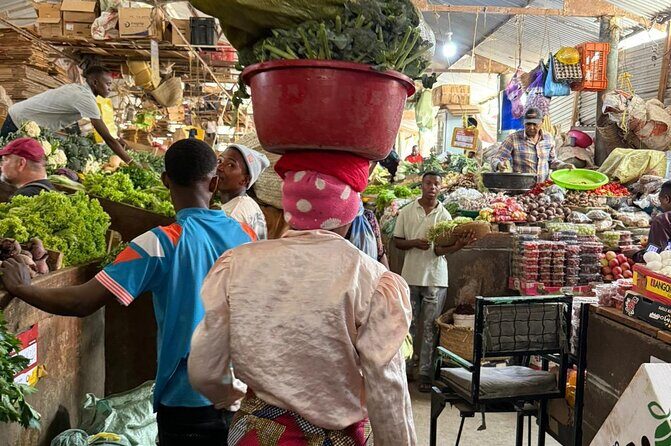
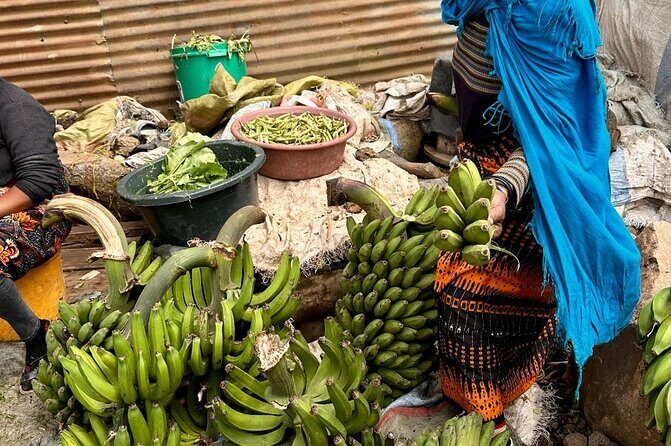
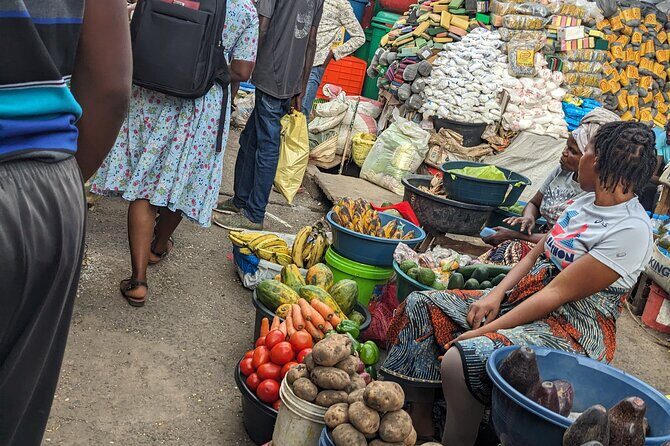
The day starts with a short trip into Arusha’s central food market, and I like how the timing works. You get roughly 30 minutes to see how the market functions without turning it into an all-day endurance test. The goal is not just to look—it’s to understand what’s fresh, what locals buy for daily meals, and how food moves from sellers to kitchens.
This market is a genuine local stop. Food is mostly sourced from Tanzania, with only a small portion coming from outside the country. That matters because it shapes what you cook later. When ingredients come from nearby farms and suppliers, you taste the difference in freshness and flavor, and you avoid the feeling that you’re buying a purely tourist-themed menu.
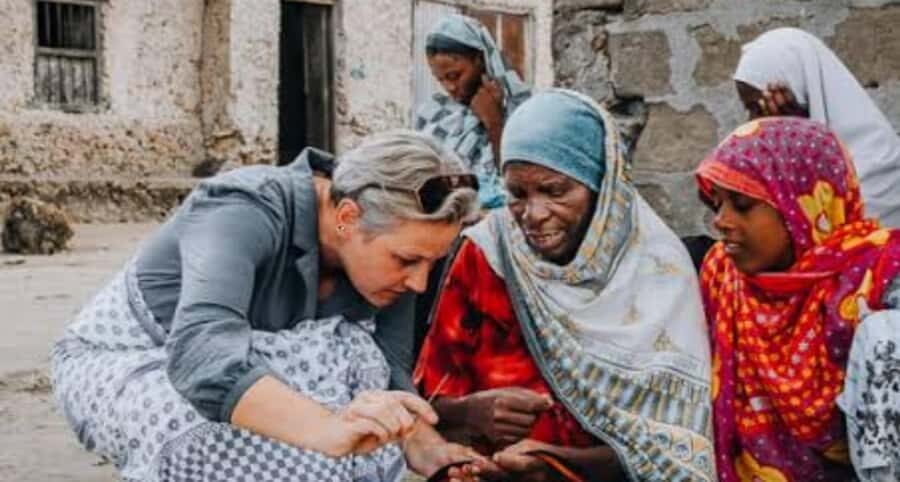
You also get face time with local people who are friendly and approachable. Your guide helps you connect names of foods to their common uses, so you don’t leave with a list of items you can’t place. Guides in this experience (including people like Israel, Jack, James, Magret, and Lameck, based on past departures) tend to explain food as culture, not just as recipes.
What to watch for: markets can be overwhelming if you’re expecting quiet museum pacing. Give yourself permission to slow down, ask questions, and focus on your guide’s explanations so you can make smarter choices when it’s time to pick dishes.
You can also read our reviews of more food & drink experiences in Arusha
Sanawari and the ride that feels like real life
After the market, you’ll head toward Sanawari. It’s described as a bit farther from the central area, and part of the fun is that you go with normal routes locals use for shopping. In practical terms, this means you don’t just travel from one activity to another—you experience how people actually get around for errands.
The Sanawari portion is where the day shifts from browsing to planning. You meet the chef, and your guide explains the local foods available for that day’s cooking lesson. Then comes the key moment: you select two dishes you want to cook.
This selection step is one of the strongest parts of the concept. If you’ve ever taken a cooking class where you make what the instructor chose, you know how easy it is to lose interest. Here, your choice gives you ownership. You’ll pay closer attention during shopping and learning because you’re cooking toward a meal you actually chose.
One more detail I appreciate: you’re not rushed. You get about 1 hour 30 minutes in the Sanawari area before cooking, which gives time for cultural talk and decision-making. That helps the rest of the experience feel less like a checklist and more like a day with a purpose.
Practical note: because this uses normal public transport, the ride may feel a little less polished than a private transfer. It’s still part of the local experience.
The cooking class: a real kitchen, hands-on learning
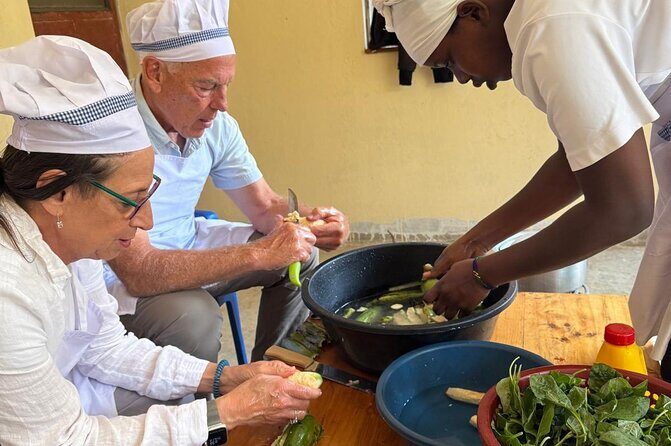
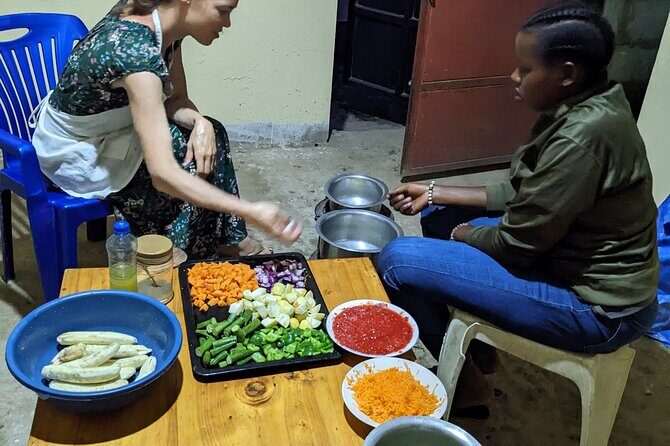
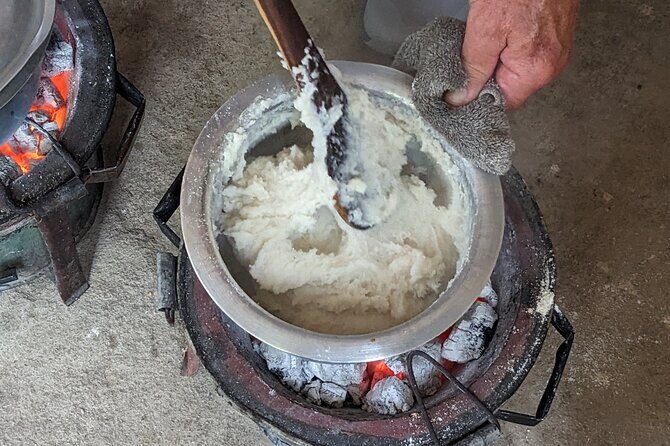
When people hear cooking class, they often picture a clean culinary studio. Here, the opposite is the point. You’re told not to expect the same kitchen you come from, and that’s exactly what you should anticipate: a local cooking area with a low table, basic tools, and charcoal burners (plus a gas burner in the setup described). You’ll see large tubs and simple equipment—nothing staged.
That sounds rustic, but it’s also what makes the class feel honest. Cooking in a basic neighborhood-style kitchen forces you to focus on technique rather than gadgets. You learn how everyday cooking works with what people have on hand: fire control, timing, mixing, and adjusting as ingredients change on the stove.
You’ll also get interaction, not just watching. The class is set up so you’re part of the process. That’s important because Tanzanian meals are often about texture and balance—something you learn by doing. Based on past dish examples, you might cook staples like ugali (a common cornmeal dish) and other foods that may include ndizi (banana-based dishes) depending on what your guide offers that day. Don’t treat those as guarantees, but treat them as examples of the kind of home-style cooking you could be making.
What I’d advise: come ready to get a little messy. If you’re the type who hates food on your hands or sleeves, you’ll enjoy this less. Bring practical clothing you don’t mind.
From shopping to the plate: how the meal fits together
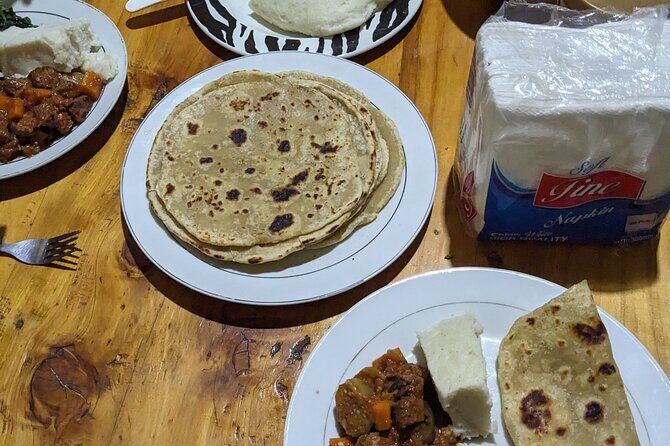
One reason this tour works is that the menu isn’t random. Ingredients are tied to the market shopping, and you cook the ones you select. That link—market to pot—is what turns a cooking class into a food experience.
After cooking, you eat what you made for lunch or dinner. That’s a real perk for value. Instead of paying for a class and then hunting for food afterward, you’re fed by the end of the session. Many food-focused tours sell the meal as a bonus; here, it’s the end goal.
You’ll also have an option for takeaway food. That’s useful if you want to keep eating later (or if you’re with friends and want to share without turning your day into a second meal plan).
Spice detail: spice from the market is not included. If you want to buy spices to take home or add extra flavor at cooking time, you may need to cover those costs separately. I like that the tour doesn’t pretend spices are free—market shopping costs real money.
Price and logistics: what $42 really buys you
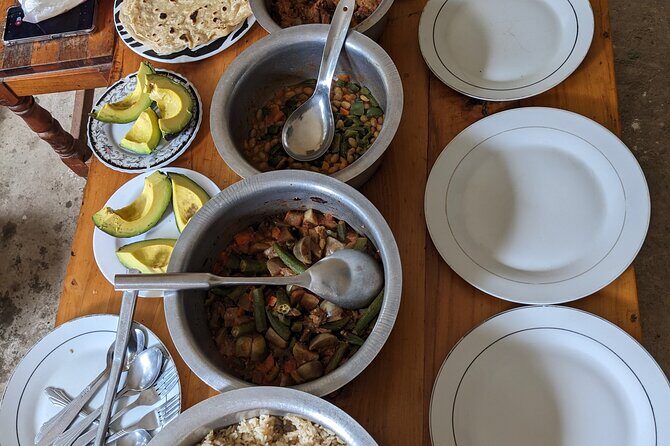
At $42.00 per person for about 4 hours, this feels like strong value for Arusha because it bundles three things most people want:
1) a guided local food market introduction,
2) a chef-led cooking lesson, and
3) the meal you produce (lunch or dinner).
Also, pickup and drop-off are included near Arusha city center. That’s a time-saver. In a place where transfers can be a chore, not having to coordinate your own ride makes the plan easier to execute.
Ingredient shopping costs are included, along with the local kitchen setup. So you’re not paying extra for the parts that make cooking classes work. The only routine extras are drinks and tips. Drinks are not included, but you can buy water or soda on the way.
One more practical detail: the tour lists a maximum of 200 travelers. For you, that mainly matters for overall availability and scheduling feel. In reality, the experience is still structured around your group working through the market and cooking steps, so your takeaway is more about personal participation than crowd size.
My caution on expectations: the kitchen is basic by design. If your idea of a great cooking class includes modern sinks, countertop prep space, and a fully controlled environment, this might not match your mental picture.
A few more Arusha tours and experiences worth a look
Timing, guides, and the pace you can actually handle
The whole experience runs about 4 hours. That’s the sweet spot for people who want culture and food without losing the rest of their day. The flow is simple:
- start with the market visit,
- move to Sanawari and choose what you’ll cook,
- head into the local cooking area,
- cook, eat, optionally pack food,
- then return via drop-off.
Your guide plays a big role in keeping that flow smooth. Past departures mention guides like Israel, Jack, James, Bariki, Fen, and others, and the consistent theme is friendliness plus practical explanation. You’re not left guessing what’s happening.
Pacing is also thoughtful. You’re not asked to sprint through the market. The market segment is short on purpose, and the decision time in Sanawari is long enough to learn what each dish category means and then pick two.
What you’ll want from the guide: ask about how people eat the ingredients day to day. The tour is designed to connect foods to local habits, and questions help you get more out of it than simply following along.
Who should book this Arusha cooking class (and who might want to skip)
This tour fits best if you want:
- a market-first experience that helps you understand what you eat,
- a hands-on cooking class where you choose the dishes,
- a real local kitchen setup, even if it’s not the cleanest or fanciest environment,
- and a meal included at the end of the session.
You might skip it if:
- you strongly prefer modern cooking facilities and private, fully controlled experiences,
- you’re not comfortable with charcoal and basic kitchen tools,
- or you want a class focused on very specific recipes with written instructions (the provided info emphasizes cultural learning and market selection more than recipe book output).
Also, it’s listed as suitable for most travelers and offered with hotel pickup near the city center. If you’re staying in Arusha city, you’re likely to find it convenient.
Quick decision guide: should you book it?
If your goal is to eat like someone in Arusha eats and learn why those ingredients show up on everyday tables, I’d book this. The biggest strengths are the link between the central food market and the cooking you do afterward, plus the fact that you cook in a local style kitchen instead of a sanitized version of home cooking.
Book it when you want an experience that feels grounded in daily life, not a performance. Just go in with the right expectation: drinks cost extra, spice may cost extra, and the kitchen is basic. If that sounds fair, you’ll likely leave full, informed, and with a meal you picked yourself.
FAQ
How long is the Arusha traditional cooking class and food market tour?
It runs about 4 hours.
Do I get hotel pickup and drop-off?
Yes. Pickup and drop-off are included at your hotel near the city center.
What happens first during the tour?
You start at the central food market with a guided tour of about 30 minutes, then you head toward Sanawari for the cooking lesson part of the experience.
Is the market admission included?
Yes. The market ticket is listed as free.
Can I choose what to cook?
Yes. You’ll select two dishes from the options your guide discusses with you during the Sanawari portion.
How long is the Sanawari part before cooking?
You spend about 1 hour 30 minutes in Sanawari.
Are meals included?
Yes. Meals after cooking are included, and you can have them as lunch or dinner.
Are drinks included?
No. Drinks like water, soda, or beer are not included, but you can buy them along the way.
Is takeaway food available?
Yes, there’s an option for takeaway food after you cook.
What if the weather is poor?
The experience requires good weather. If it’s canceled due to poor weather, you’ll be offered a different date or a full refund.