Kilimanjaro in one day is a serious test. I like that this hike takes you up through rainforest and wildlife, then lands at Mandara Hut with a real mountain break and lunch; I also like the guided pace and safety focus with a licensed, first-aid trained mountain guide. The main drawback to consider: it’s a steady uphill day with altitude effects possible around 2,700m, so you need solid fitness and a realistic attitude about views.
What makes this experience feel practical is the built-in logistics: hotel pickup from Moshi or Arusha, private transport, park registration at Marangu Gate, and a smooth return drive. You’ll be moving for hours (roughly 7.5, and often longer depending on your group), so think of it less like a casual walk and more like a concentrated Kilimanjaro day. If the weather is cloudy, you may not get dramatic crater-and-peak panoramas at every stop.
In This Review
- Key points before you go
- Kilimanjaro Day Hike Reality Check: What One Day Actually Means
- Moshi or Arusha Pickup: The Logistics That Make It Feel Effortless
- Marangu Gate to Mandara Hut: Rainforest Walking and Real Wildlife Encounters
- Mandara Hut to Maundi Crater: The Short Climb That Changes the Day
- The Descent Back to Marangu Gate: Pace, Legs, and Feeling Done (Not Defeated)
- Price and Logistics: What You’re Really Paying For
- Guide and Safety: English Support and First-Aid Trained Means Less Worry
- What to Pack for a One-Day Kilimanjaro Hike (That Isn’t Overkill)
- Who This Trip Fits Best (and Who Should Skip It)
- Views vs. Effort: A Straight Talk Comparison
- Small Caution on Cancellations and Refunds
- Should You Book This Kilimanjaro Day Hike?
- FAQ
- How long is the Kilimanjaro day hike?
- Where does the hike start and what altitude do you reach?
- Do I get picked up from Moshi or Arusha?
- What’s included in the $290 price?
- What language will my guide speak?
- What should I bring?
- What isn’t included?
- Is this hike suitable for kids or people with medical conditions?
Key points before you go
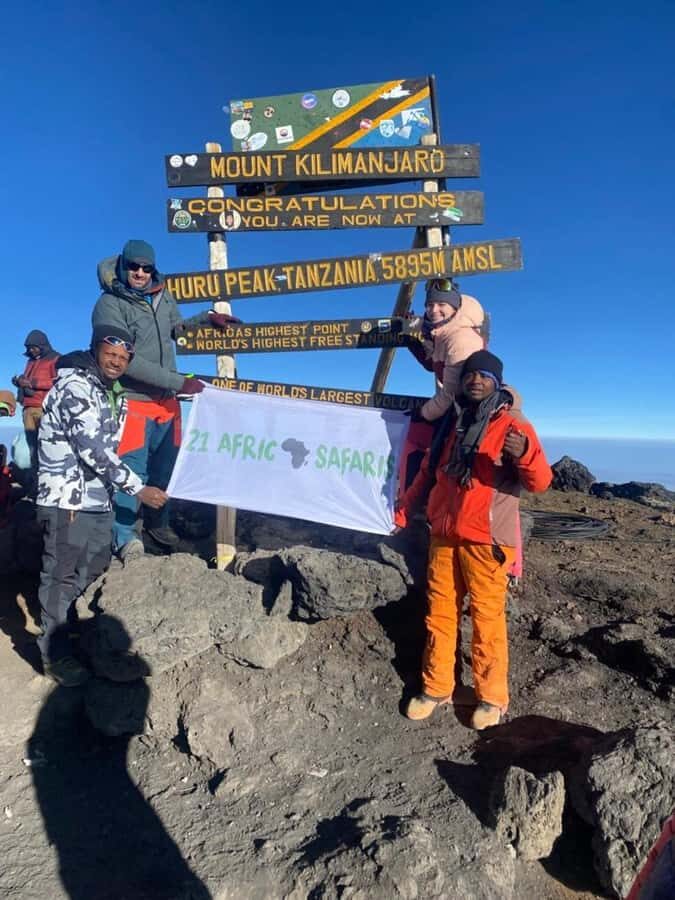
- Marangu Route day hike that starts at Marangu Gate and climbs to Mandara Hut
- Rainforest wildlife (including colobus and blue monkeys) along the way
- Maundi Crater stop for a short rise and photo chances when visibility is good
- Private transport plus guide with park fees, taxes, and rescue fees included
- English-speaking guides with first-aid training; you’ll feel the emphasis on pacing
- Not a good fit if you have heart/back issues, are pregnant, or need a low-effort outing
Kilimanjaro Day Hike Reality Check: What One Day Actually Means
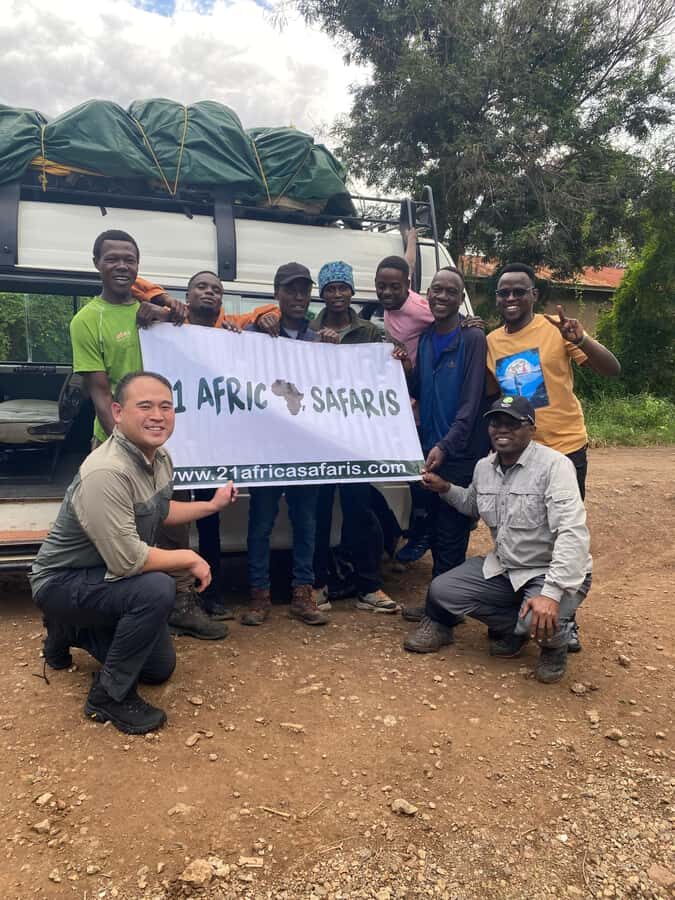
A “Kilimanjaro day hike” is not the same thing as a multi-day acclimatization trek. This is a concentrated hike on the Marangu Route, built around getting you high enough to feel the mountain, then turning around and coming back the same day.
The big win is that you experience a slice of Kilimanjaro without committing to a full climb. The honest tradeoff is that your body has less time to adjust. You’ll be walking steadily uphill from about 1,860m at Marangu Gate to roughly 2,700m at Mandara Hut, with altitude possibly affecting some people. That doesn’t automatically mean you’ll struggle, but it does mean you should take pacing seriously and tell your guide quickly if you feel unwell.
This hike also has a “nature first” vibe. You’re not just chasing summit bragging rights. You’re walking through rainforest and listening for birds, spotting monkeys, and learning what’s living up here at each elevation band.
You can also read our reviews of more hiking tours in Moshi
Moshi or Arusha Pickup: The Logistics That Make It Feel Effortless
The day starts with an early pickup from your hotel area, either in Moshi or Arusha. From Moshi, it’s about a one-hour scenic drive; from Arusha, plan around three hours on the road. That matters because you’re saving yourself the stress of figuring out transport and timing, especially when you have a long day ahead.
Once you reach Marangu Gate (1,860m), you do park registration and get a briefing with your guide. This is where you’ll learn what to expect on the trail and how your day will flow—safety notes, route context, and what the ecosystem looks like at different heights. Then you start hiking right away through the forest.
Private transport keeps the day from turning into a “wait around and guess” situation. You also get a proper return plan: you descend back to Marangu Gate and your vehicle is waiting for the trip home.
Marangu Gate to Mandara Hut: Rainforest Walking and Real Wildlife Encounters
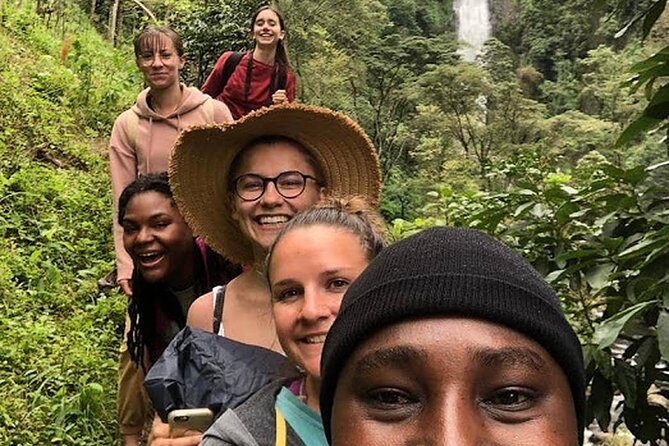
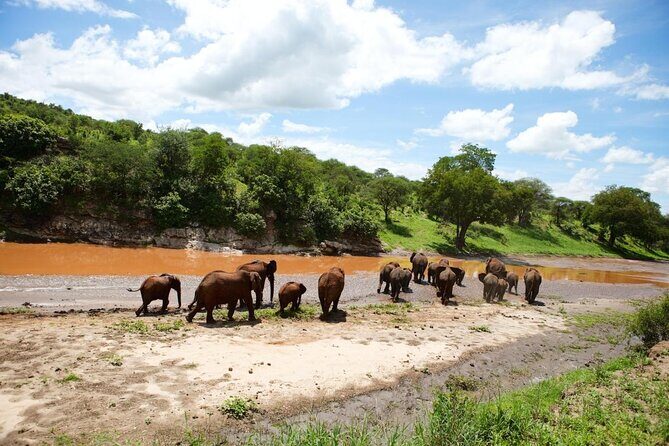
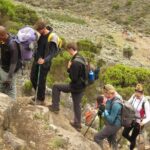
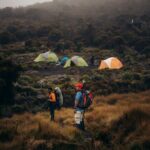
The first stretch is lush, green, and alive. The trail heads through rainforest, where you’ll hear birds long before you see them. This is also where wildlife tends to show up. Along the way, you may encounter black-and-white colobus monkeys, blue monkeys, and other forest animals, depending on the day.
What I like about this part of the hike is that it keeps you busy in a good way. Even if you’re already tired or judging how far is left, the environment gives you constant little moments—bird calls, monkey sightings, changes in the forest feel as you climb. Your guide adds meaning too, sharing stories tied to Kilimanjaro’s geology and history, plus how the plants and animals change with elevation.
After about 3–4 hours of trekking, you reach Mandara Hut at roughly 2,700m. This is your main break. You get a packed lunch here, and it’s a key mental reset point. You’re higher than when you started, but you’re also not rushing straight through. That pause helps you keep your energy for the remaining part of the day.
Mandara Hut to Maundi Crater: The Short Climb That Changes the Day
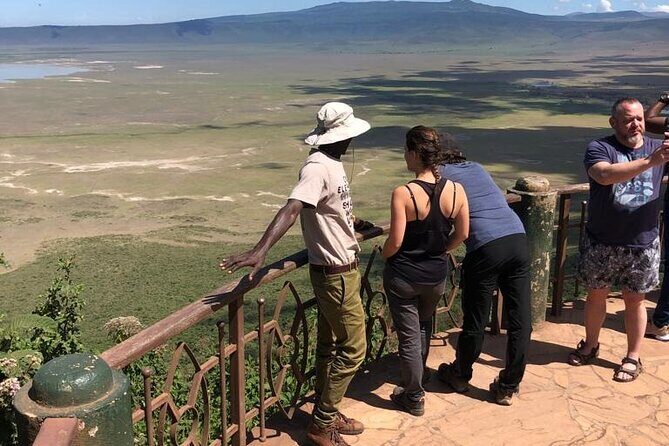
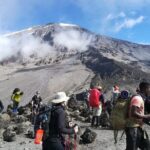
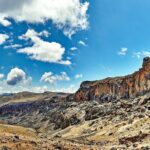
From Mandara Hut, there’s a short hike—about 15 minutes—to Maundi Crater. This stop is your best chance for a wide view over Northern Tanzania. On clear days, people can even see toward Kenya.
Here’s the practical consideration: visibility is weather-dependent. If clouds roll in, that crater lookout can feel underwhelming compared to the photos you’ve seen. If you care most about scenery and expect big panoramas at every turn, plan to be flexible. The rainforest walking and the altitude feel still deliver even when the view is less dramatic.
That said, when it does open up, this is exactly the kind of moment you remember. It’s not just “a view.” It’s the feeling that you’re actually on Kilimanjaro’s doorstep, surrounded by an enormous region of landscape. You’ll likely spend time taking photos and just standing for a moment.
The Descent Back to Marangu Gate: Pace, Legs, and Feeling Done (Not Defeated)
The descent takes about 2–3 hours back to Marangu Gate. This is where your legs get a new job: not climbing, but controlling your steps. It can feel easier than the uphill, yet it can also be tougher on knees and ankles if you go too fast.
A good guide makes a difference here. Some guides are especially tuned to pacing and check-ins—making sure you’re okay, answering questions, and adjusting to how you’re feeling in real time. If you get a guide like Shafi or Elly (names that have come up), you can often expect an easygoing, attentive rhythm rather than a “power through” style.
Once you’re back at Marangu Gate, you’ll head down the mountain by vehicle and return to your hotel. On the drive, the changing light can be a gentle wrap-up, even if you’re tired.
Price and Logistics: What You’re Really Paying For
The cost is $290 per person for this one-day all-inclusive Kilimanjaro hike concept. The value piece isn’t just the hike itself; it’s what’s folded into the price.
Included in your fee:
- Park fees and government tax
- A professional mountain guide
- Packed lunch
- Drinking water
- Private transport
- Pick-up and drop-off service
- Rescue fees
Not included:
- Flights and visas
- Tipping
- Hiking boots and a walking stick
- Rain coat
- Alcohol
This pricing structure matters. Park fees, guide fees, transport, and rescue fees can add up quickly if you’re cobbling things together. By having them included, you can plan your total spend more calmly.
Also, “all-inclusive” here doesn’t mean you don’t bring anything. You still need to show up prepared with proper shoes and sun protection, and you may want your own rain gear depending on the season.
Guide and Safety: English Support and First-Aid Trained Means Less Worry
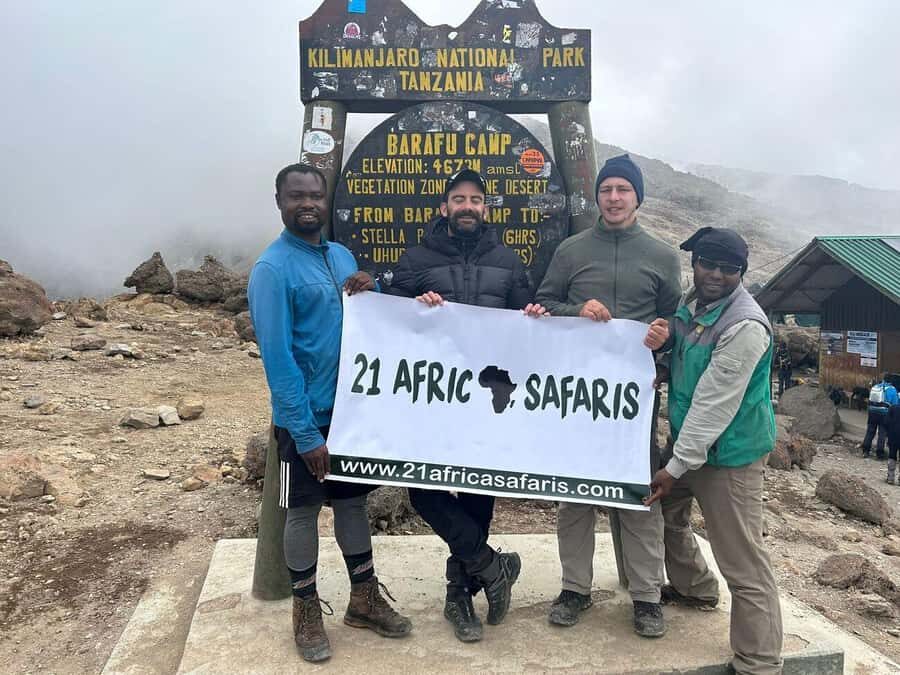
Your guide leads the whole experience: briefing at Marangu Gate, trail guidance, storytelling about the environment, and a steady pacing plan. The hike is supported by a licensed professional trained in first aid, which is a big deal on a high-altitude day.
You should expect your guide to keep an eye on how you’re doing. With steady uphill trekking and altitude around Mandara Hut, it’s not enough to just “go forward.” Good guidance means you pace so you can finish the day safely and comfortably.
Language support is also part of the comfort factor. Tours are available with an English-speaking guide, and languages like French and German are also offered. If you want to ask questions about what you’re seeing—monkeys, plants, mountain formation—having the guide able to answer in your language helps the day feel richer.
What to Pack for a One-Day Kilimanjaro Hike (That Isn’t Overkill)
Bring what keeps you comfortable for hours of uphill effort and possible weather shifts. The essentials you should not skip:
- Comfortable shoes (proper trekking shoes beat casual sneakers)
- Hat
- Camera
- Sunscreen
Also, plan for layering. Weather on Kilimanjaro can change fast, and early starts can still feel cool. A light rain layer is smart. The tour says a rain coat isn’t included, so if rain is possible when you’re going, consider bringing one.
Water is provided, but bring your own water bottles if you prefer. The tour mentions drinking water is available during the day, and filtered water is provided—still, having bottles you like can make it easier to sip without fuss.
One more practical tip: keep your hands free. You’ll want your camera and snacks accessible, but you don’t want to stop constantly because your stuff is hard to reach while you’re moving.
Who This Trip Fits Best (and Who Should Skip It)
This is best for adults and teens with solid hiking fitness who can handle a steady uphill day. Expect roughly 7–9 hours of total trekking time depending on your group and pace, with a main target of reaching Mandara Hut and then Maundi Crater.
It’s not recommended if you have:
- Serious heart problems
- Back problems
- Pregnancy
- Any major medical condition unless cleared by a doctor
Children aren’t the usual fit either. The information says it’s not recommended for children under 10, and it’s also listed as not suitable for children under 9. In plain terms: if you’re bringing kids, expect this to be too demanding.
If you’re prone to altitude symptoms, go slower than you think you need. Tell your guide immediately if you start feeling unwell. And remember: drinking water and pacing isn’t “optional,” it’s part of how you get through the day.
Views vs. Effort: A Straight Talk Comparison
Some people picture Kilimanjaro as mostly “big view moments.” This day hike gives you that in a short window at Maundi Crater, but the core of the experience is the climb through forest and the sense of reaching high ground for lunch and a lookout.
If you’re hiking mainly for panoramic payoffs, you might be disappointed when cloud cover limits visibility. If you’re hiking for the process—the ecosystem, wildlife, guide stories, and that high-altitude feeling—this route makes a lot of sense. Either way, your mindset affects the day as much as the weather.
Small Caution on Cancellations and Refunds
One negative booking experience included a same-day cancellation and an unresolved refund issue. I can’t tell you how often that happens, but it’s a reminder to double-check the cancellation terms and how refunds are processed before you lock in plans—especially if you’re counting on this day to be your only Kilimanjaro option.
Should You Book This Kilimanjaro Day Hike?
Book it if you want a real Kilimanjaro hiking day with a guide, transport, and the important costs handled—park fees, rescue fees, and lunch included. It’s a strong option if you’re short on time and you can handle steady uphill walking to around 2,700m.
Skip it if your health or mobility means you can’t safely manage altitude and long uphill effort. Also skip if you’re chasing only summit-style scenery and won’t be happy with crater views that depend on weather.
If you do book, go in with the right expectations: it’s a focused day on the Marangu Route, with rainforest walking, a meaningful break at Mandara Hut, and a brief chance for big views at Maundi Crater. Prepare for the climb, trust your guide’s pacing, and you’ll come away with a day that feels unmistakably Kilimanjaro—just without the summit.
FAQ
How long is the Kilimanjaro day hike?
It’s a one-day trip with about 7.5 hours of hiking time, and the full day experience can run roughly 7 to 9 hours depending on conditions and pace.
Where does the hike start and what altitude do you reach?
You start at Marangu Gate (1,860m) and hike to Mandara Hut (2,700m), with a short additional climb to Maundi Crater.
Do I get picked up from Moshi or Arusha?
Yes. Pickup is included from hotels in Moshi (about 1 hour drive) or Arusha (about 3 hours drive). Drop-off back is also provided to those areas.
What’s included in the $290 price?
The included items are park fees, government tax, a professional mountain guide, packed lunch, drinking water, private transport, pick-up and drop-off, and rescue fees.
What language will my guide speak?
The guide is English-speaking, with options that also include French and German.
What should I bring?
Bring comfortable shoes, a hat, sunscreen, a camera, and water (filtered water is provided, but having bottles is helpful).
What isn’t included?
Flights, visas, tipping, hiking boots and walking stick, rain coat, and alcohol are not included.
Is this hike suitable for kids or people with medical conditions?
It’s not recommended for children under 10 (and it’s listed as not suitable for children under 9), and it’s not recommended for pregnant women or people with serious heart or back problems unless cleared by a doctor.