REVIEW · MOSHI
9-Day Enchanting Tanzania Safari -High End All Inclusive
Book on Viator →Operated by Gosheni Safaris (T) Limited · Bookable on Viator
Big wildlife days, paced for comfort, in Tanzania. I love the mix of walking safaris and classic jeep drives, and I like how the trip keeps the key logistics handled so you’re not juggling logistics while hunting for sightings. One consideration: days are long and the schedule is weather-dependent, especially for the balloon.
What makes this safari feel high-end is the rhythm. You start with a warm airport welcome and end with a smooth flight back via Seronera airstrip, with daily drives, timed meals, and add-ons like a crater-rim view and a canopy walk. Guides in this program often get singled out by name, including Roger and Allen, for spotting skills and calm, clear explanations that help you read animal behavior fast.
In This Review
- Key Things That Make This Safari Feel Special
- Kilimanjaro Arrival Day: Champagne Welcome and a Coffee-Plantation Lodge
- Arusha National Park Walking Safari and Hot Lunch by Momella Lake
- Tarangire’s Quiet Tracks: Elephants, Birds, and a More Relaxed Pace
- Lake Manyara: Game Drive Plus Canopy Walk, With Tree-Climbing Lions as the Goal
- Ngorongoro Crater Rim Lodge and a Full-Day Caldera Drive
- Serengeti Transition: Crater Rim Walk and Then Evening Game Drive Into Seronera
- Seronera Focus: Lions, Leopards, and a Hot Air Balloon With Champagne Breakfast
- Serengeti at Night and the Real Skill Behind Finding Predators
- Final Morning and Flight Back via Seronera Airstrip
- Price and Value: What $12,375 Buys You (and What It Doesn’t)
- Who This Safari Fits Best (and Who Might Want Something Different)
- Should You Book This 9-Day Enchanting Tanzania Safari?
- FAQ
- What parks are covered on this 9-day safari?
- Is airport pickup included?
- What meals are included?
- Are park fees included?
- Is tipping included in the price?
- Are international flights included?
- Does the tour include a hot air balloon?
- Is this a private tour?
- What happens if weather is poor?
- Can I cancel for a full refund?
Key Things That Make This Safari Feel Special
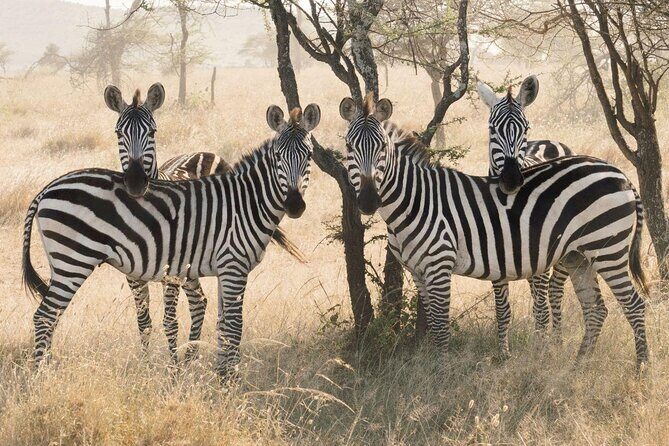
- Walking safari moments in real wildlife country (including a crater-rim walk with an armed ranger)
- Priority-feeling driving time across Tarangire, Ngorongoro, and Serengeti, with fewer dead hours
- Big-experience add-ons like a canopy walk and a hot air balloon with champagne breakfast
- Meals handled at the right moments so you’re not stuck searching for food mid-drive
- Seronera focus for predators where lions and leopard sightings are often a main goal
- A private tour setup so your group is the only one in the vehicle and on the plan
Kilimanjaro Arrival Day: Champagne Welcome and a Coffee-Plantation Lodge
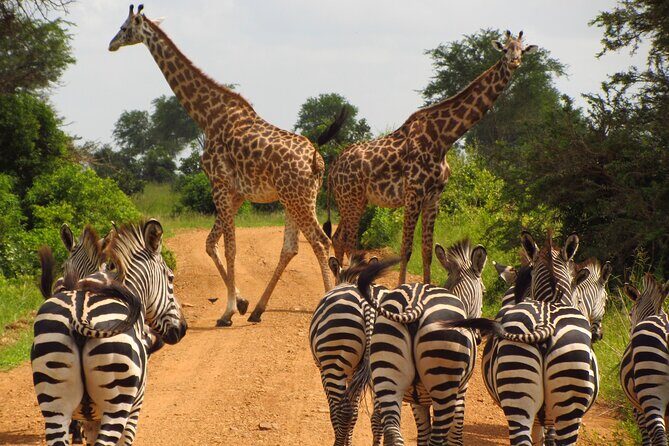
Day 1 is built to help you land, reset, and get oriented without rushing. After you touch down at Kilimanjaro International Airport, you’re met by an airport office team to handle visa and luggage collection support, then you meet your safari guide for a short brief. The program also includes a welcoming glass of champagne, which sounds simple, but it’s a nice way to mark the shift from travel mode to safari mode.
You then transfer to Arusha for dinner and sleep at a classic lodge surrounded by a coffee plantation. Even if you don’t know the first thing about coffee, the point is the atmosphere: you wake up close to town but not inside the noise. That matters because day 2 starts with an early wildlife-focused experience.
A few more Moshi tours and experiences worth a look
Arusha National Park Walking Safari and Hot Lunch by Momella Lake
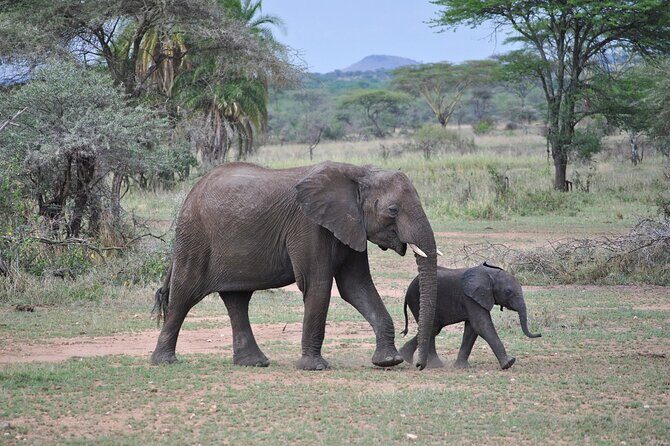
Arusha National Park is small compared with the big names on this route, but it’s often where the safari “clicks” for many people. After breakfast, you drive about 45 minutes to get into the park for a morning walking safari. Walking changes everything: you slow down, you hear insects and birds more clearly, and you notice tracks and movement you’d miss from a vehicle.
In the afternoon, your guide sets up a meal near Momella Lake, including a hot lunch with a proper table setup. Then you head out for an afternoon game drive before returning to Arusha for dinner and sleep. The mix is smart because it avoids a common safari problem: rushing from one long drive to another without time to recharge. Here, you get a pause built into the day.
If you’re the kind of traveler who likes seeing animals doing things rather than just passing sightings, this day style fits you well. And because Arusha also includes Mt Meru views from within the park system, it adds visual variety without requiring you to change hotels or add extra transfers.
Tarangire’s Quiet Tracks: Elephants, Birds, and a More Relaxed Pace
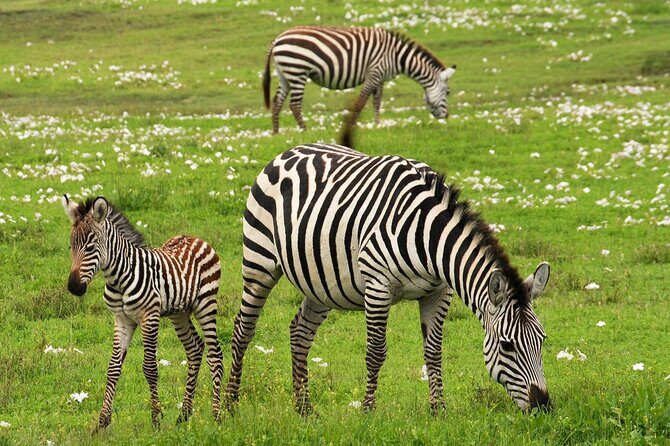
Day 3 shifts you into Tarangire National Park, known for elephant activity and strong birdlife. You drive after breakfast for a full-day game drive, and your driver-guide handles a hot meal lunch in the middle of the day. Then you head to a tented camp for dinner and overnight.
What I like about Tarangire as a stop is the tone. It’s described as slightly off the main safari route, and the value of that is simple: you often get a calmer experience than parks that feel on every tour calendar. That calm can make wildlife sightings more intense because you’re not constantly bouncing between crowded vehicles.
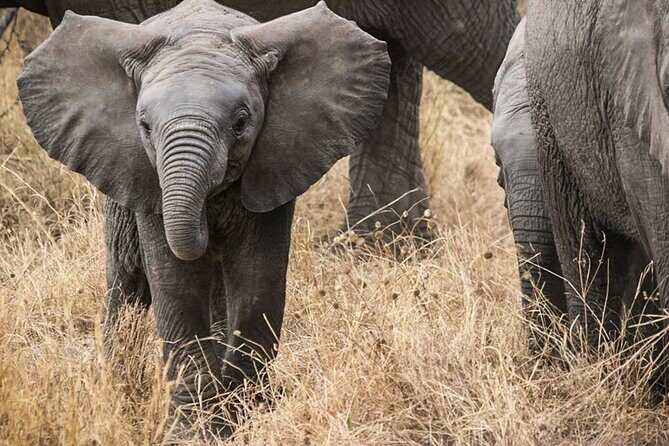
Tarangire can be especially satisfying if you want elephants beyond the usual quick glance. The program’s full-day structure gives you enough time for animals to move into view, which matters because elephants don’t line up on your schedule.
Lake Manyara: Game Drive Plus Canopy Walk, With Tree-Climbing Lions as the Goal
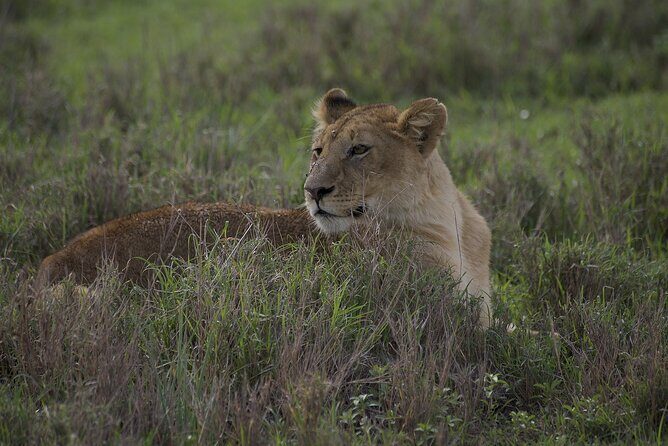
Lake Manyara National Park is where you add a different kind of sensory experience. Day 4 includes a game drive en route to the park, then full-day game driving inside the park plus a canopy walk tour. That canopy component is valuable for two reasons. First, you’ll see the forest layer from above, which helps you understand habitat. Second, it gives your eyes a break from scanning only ground-level movement.
Lunch is again handled with a hot meal setup and refreshments, and then you return to your lodge for dinner and overnight.
Now the lion angle. Lake Manyara is famous for tree-climbing lions, but elusive doesn’t mean impossible. The practical takeaway is this: you’ll spend real time in the park looking for them, and you’re not treated like a quick-hit sighting target. If you love birding, this is also a strong day, because the park is known as an ornithologists’ paradise.
Ngorongoro Crater Rim Lodge and a Full-Day Caldera Drive
Ngorongoro is the kind of place where you understand why people plan around it. Day 5 is a full-day crater outing with a game drive, plus a hot meal lunch set up in the crater. In the afternoon, you continue crater time and then shift to your lodge located on the Ngorongoro Crater rim, with a spectacular view.
One practical advantage of staying on the rim is how it changes your timing. You’re closer to where the action happens, and you get that rim vantage during calmer light. That’s not just pretty; it’s when animals can appear more predictably at watering spots and across open flats.
The crater itself is described as massive, deep, and un-flooded as a caldera. You’ll also visit Lake Magadi, a large but shallow alkaline lake in the crater area. Alkaline water changes the ecosystem, so it’s worth treating that as part of the wildlife story, not just a scenic stop.
If you’re chasing diversity—large mammals and multiple habitats in one day—Ngorongoro is the best “one-location” payoff on this route.
Serengeti Transition: Crater Rim Walk and Then Evening Game Drive Into Seronera
Day 6 is a blend day, which is often the difference between a great safari and a tiring one. You begin with breakfast and then head to a Ngorongoro walking point for a walk along the crater rim with an armed ranger. That armed-ranger detail matters because it sets expectations for how seriously safety is handled during walking time.
After the walk, you return to the lodge for lunch, then depart for Serengeti National Park. You arrive in time for an evening game drive on the way to your lodge for dinner and sleep.
Evening drives are underrated. Light is softer, animals are more active at the edges of grassland, and predators often show more movement than you’d expect. That evening block sets you up for the more intense Serengeti days ahead.
Seronera Focus: Lions, Leopards, and a Hot Air Balloon With Champagne Breakfast
Serengeti is huge, so getting a strong base region makes sense. Day 7 centers on Seronera with a full-day game drive and a hot meal lunch. Your schedule includes leisure breakfast at the lodge, then you’re out in the park and back for dinner and overnight.
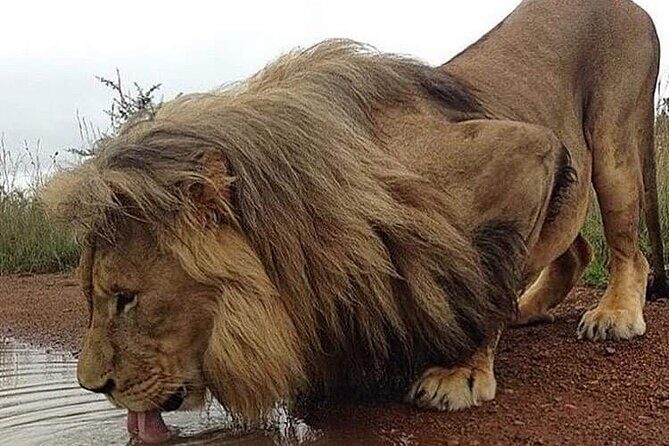
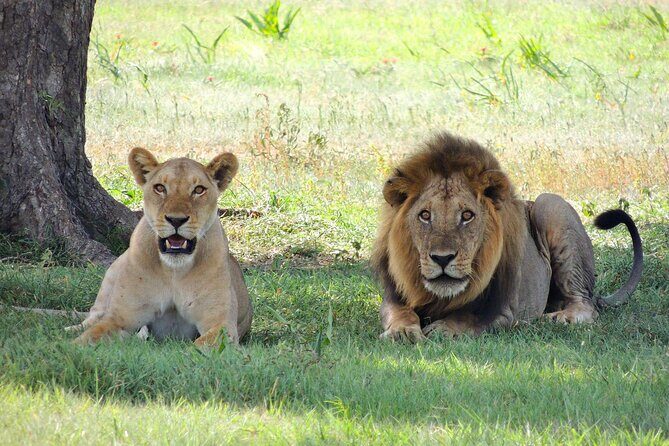
The program leans into the predator story here. Seronera is known for a healthy resident wildlife population, and lions are a major target in this ecosystem, with data on lion numbers often cited for the region. Leopards are also part of the plan as reclusive predators present throughout the park, often with more chance in specific zones.
Day 8 ratchets up the wow-factor without turning it into chaos. You start early with a hot air balloon safari and a champagne breakfast. Then you go into the park for a game drive, return for a hot lunch, and later do an evening game drive. To cap it, your driver surprises you with Serengeti bush cocktails before dinner back at the lodge.
That balloon component is meaningful even if you’ve seen wildlife from a vehicle before. From the air you read the geography—how water and grassline pull animals—so the next game drive feels like it has extra context. And when the schedule includes balloon first, you’re less likely to waste the best morning hours, because you’re already in the air and then on the ground immediately afterward.
Serengeti at Night and the Real Skill Behind Finding Predators
A good safari doesn’t just “go to” parks. It actively reads them. The best guides on this route are often praised for spotting ability and for knowing how to position the vehicle for changing light and animal behavior. Names that come up in connection with this kind of service include Roger and Allen, plus other guides like Bariki Mseli, Albert, William, Ombeni, Rahim, Calvin, and Zadock Ayo.
What you should take from that, practically: expect clear guidance, steady driving, and frequent small course corrections based on tracks, calls, and likely animal movement. This is especially important in Serengeti, where sightings can depend on whether you arrived when animals were crossing open areas or settling after feeding.
Also, note the program’s balance. It includes early starts (balloon day), long drives, and multiple game drives in a single day, but it builds in meal breaks and lodge downtime. That keeps the experience from turning into pure grind.
Final Morning and Flight Back via Seronera Airstrip
Day 9 keeps the ending simple and efficient. You have breakfast at the lodge, then go for a morning game drive. After that, you transfer to Seronera Airstrip for your flight to Arusha. On arrival, you’re taken to the lodge for lunch, and then you do an evening transfer to the airport for your flight back home.
This structure is useful because it reduces the long road grind that some safaris end with. It also keeps your last wildlife window in the morning, when animals can still be active and visible before the day heats up.
Price and Value: What $12,375 Buys You (and What It Doesn’t)
At $12,375 per person for a 9-day high-end all-inclusive style safari, you’re paying for two things: access and execution.
Included in the program are park fees and meals (breakfast for 8 days, lunch for 8 days, and dinner for 9 days). That’s a big deal because meals and entry fees can quietly add up fast on safari-style trips. The program also includes pickup support at the airport, and it runs as a private tour, meaning your group is the only group on the plan.
On top of that, the itinerary includes experiences that many visitors see as “big ticket moments,” like a hot air balloon safari with champagne breakfast and a crater stay on the rim. Those add-ons aren’t just nice; they change the feel of the trip from standard driving to true memory-making.
What’s not included is also important. International flights are not included, and you may need additional accommodation before and after the tour depending on your flight schedule. Tips aren’t included either, with a guideline of US$20 per person per day.
One more practical point: this experience requires good weather, and if the balloon or plans are affected by poor conditions, the program notes you’ll be offered a different date or a refund. That’s the reality of Tanzania weather and the reason you should keep travel buffers when possible.
Who This Safari Fits Best (and Who Might Want Something Different)
This is a strong fit if you want a top-tier route across multiple northern Tanzania highlights—Arusha, Tarangire, Lake Manyara, Ngorongoro, and Serengeti—without sacrificing comfort and meal timing. The walking safari pieces also make it better for travelers who want more than a photo safari.
It’s also a good choice if you value a guide who can help you understand what you’re seeing. Lots of guide feedback on this style of trip centers on finding animals well, explaining what’s happening, and keeping the experience safe and enjoyable.
You might choose a different style if you’re on a strict budget, because this is priced at the high end. And if you don’t like long days of driving and early starts, the multi-park format may feel intense.
Should You Book This 9-Day Enchanting Tanzania Safari?
If you can afford it and you want the full northern circuit with premium add-ons, I’d book it. The combination of walking safaris, Ngorongoro crater rim lodging, and a Serengeti balloon day makes this trip feel like more than a checklist. It’s also built around smooth pacing: meal setups are handled, you get downtime at lodges, and the route emphasizes real time on the wildlife.
One final “decision helper”: ask yourself if you’re the kind of traveler who will notice details—tracks, behavior, light changes, and habitat. If yes, you’ll get far more out of every game drive and walking moment. If you just want quick sightings with minimal effort, you may find this high-end schedule more than you need.
FAQ
What parks are covered on this 9-day safari?
The trip includes Arusha National Park, Tarangire National Park, Lake Manyara National Park, Ngorongoro Crater, and Serengeti National Park (with Seronera as a focus).
Is airport pickup included?
Yes. The program includes pickup support at Kilimanjaro Airport for assistance with visa and luggage collection.
What meals are included?
Breakfast is included for 8 days, and lunch and dinner are included during the safari period (lunch for 8 days and dinner for 9 days).
Are park fees included?
Yes. Park fees are listed as included.
Is tipping included in the price?
No. Tips are not included, and a tipping guideline of US$20 per person per day is provided.
Are international flights included?
No. International flights from and to home are not included.
Does the tour include a hot air balloon?
Yes. Day 8 includes a hot air balloon safari with a champagne breakfast.
Is this a private tour?
Yes. It’s listed as a private tour/activity, with only your group participating.
What happens if weather is poor?
This experience requires good weather. If it’s canceled due to poor weather, you’ll be offered a different date or a full refund.
Can I cancel for a full refund?
Yes, you can cancel up to 24 hours in advance of the experience for a full refund, based on the experience’s local time.