REVIEW · MOSHI
Kilimanjaro climb, Umbwe Route (6-day)
Book on Viator →Operated by Altezza Travel · Bookable on Viator
Umbwe is Kilimanjaro with a punch. This Umbwe Route hits big altitude fast and swings through climate zones from rainforest to ice, so the summit feels earned, not handed to you. It’s not a gentle walk-up; it’s a steep challenge designed for people who want their lungs and legs to feel it.
I love the way Altezza keeps things calm from the moment you land, with a smooth JRO pickup and a comfortable Moshi base before the mountains start. I also like the safety scaffolding: Wilderness First Responder guides, frequent medical check-ups, and oxygen tanks & oximeters that are on-site for the climb. With a team that’s built for mountain work, you spend more energy on your next step instead of worrying about the logistics.
One possible drawback is that Umbwe isn’t for casual hikers. It’s only for experienced hikers in good physical shape, and the high-altitude schedule (including the midnight summit start) means you can’t count on easy pacing.
In This Review
- Key Highlights That Matter on Umbwe
- Why Umbwe Turns Kilimanjaro Into a Real Challenge
- Moshi Setup and Airport Day: Less Stress, More Climb Time
- Day-by-Day on the Umbwe Route (What Each Step Gives You)
- Day 1: Arrival, Briefing, and a Proper Bed
- Day 2: Umbwe Gate to Umbwe Camp (Rainforest Climb, Big Altitude Jump)
- Day 3: First Big Transition to Barranco Camp (3,960 m)
- Day 4: Barranco Wall, Then on to Karanga Camp
- Day 5: Barafu Summit Camp, Early Rest, and the Kosovo Acclimatization Hike
- Day 6: Midnight Push to Uhuru Peak (5,895 m) and the Tough Descent to Millennium
- Day 7: Millennium Camp to Mweka Gate (1,640 m) and Certificate Time
- Day 8: Hotel Recovery and Airport Transfer
- Summit Night With Realistic Expectations
- Camps, Food, and Small Comforts at Altitude
- Safety and Medical Support That Feels Built In
- Price and Value: What You’re Actually Paying For
- Who Should Choose Umbwe (and Who Should Rethink It)
- Should You Book Umbwe With Altezza?
- FAQ
- What’s included in the price for this Kilimanjaro climb?
- Do you pick up and drop off at Kilimanjaro International Airport (JRO)?
- Is the Umbwe route suitable for beginners?
- What medical or oxygen support is provided during the trek?
- Do I need insurance for Kilimanjaro?
- Can I cancel for a full refund?
Key Highlights That Matter on Umbwe
- A route that climbs fast through changing ecosystems, from rainforest to alpine conditions and ice views.
- Moshi hotel comfort before and after, including hot showers, internet access, and a place to recover.
- Medical support as a daily routine, not just an emergency plan (check-ups at least twice a day).
- Oxygen tools for altitude management, with unlimited tanks and oximeters included.
- A crew-first operation, with certified guides plus porters, cooks, and camp masters handling camp life.
Why Umbwe Turns Kilimanjaro Into a Real Challenge
If you want Kilimanjaro to feel like an accomplishment, Umbwe is the right kind of hard. The route’s reputation comes from one thing: it doesn’t ease you in. Day after day, you’re asked to climb with purpose, keep your pace steady, and respect the altitude.
What I like about this itinerary is that it doesn’t pretend altitude is optional. It starts with a big step up from Umbwe Gate (1,640 m), then builds your acclimatization with rest, shorter hiking efforts, and a planned rhythm that aims to reduce the risk of getting overwhelmed. The result is a climb that rewards mental focus as much as physical strength.
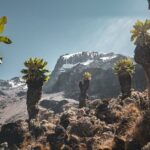
Umbwe also has a strong sense of variety. You’ll transition away from rainforest and into higher zones where brush and thinner air change how everything feels—breathing, temperature, even your appetite. If you like the idea of leaving one world and walking into another over a few days, this route delivers.
A few more Moshi tours and experiences worth a look
Moshi Setup and Airport Day: Less Stress, More Climb Time
Your trip starts in Moshi, not on the mountain. After landing at Kilimanjaro International Airport (JRO), you’ll be met by Altezza’s hospitality team and driven to a hotel in town.
What you get here is practical. The base includes hot showers, a swimming pool, and internet access, so you can handle the unglamorous stuff—emails, confirmations, gear checks—without feeling like you’re living in a parking lot. You also get an evening briefing where your travel manager lays out what’s coming next and does a final readiness check.
That matters more than people think. On Kilimanjaro, the mountain is only half the event. The other half is showing up mentally prepared for early starts, cold nights, and the truth that “summit day” arrives whether you feel ready or not.
Day-by-Day on the Umbwe Route (What Each Step Gives You)
This climb is paced as a “6-day trek” inside an overall travel schedule of about 8 days, with buffer time for arrival and departure. Here’s how the days usually feel on Umbwe.
Day 1: Arrival, Briefing, and a Proper Bed
You land, get picked up, and settle into the hotel. The big win is that you get a structured evening briefing plus time to do a last equipment check. It sets the tone: you’re not scrambling at dawn with half-packed socks and questions.
Day 2: Umbwe Gate to Umbwe Camp (Rainforest Climb, Big Altitude Jump)
You start from Umbwe Gate at 1,640 m, then trek up to Umbwe Camp around 2,930 m. This is a long day with a significant altitude increase, and the plan is clear about what to do: find the right pace early and stick with it.
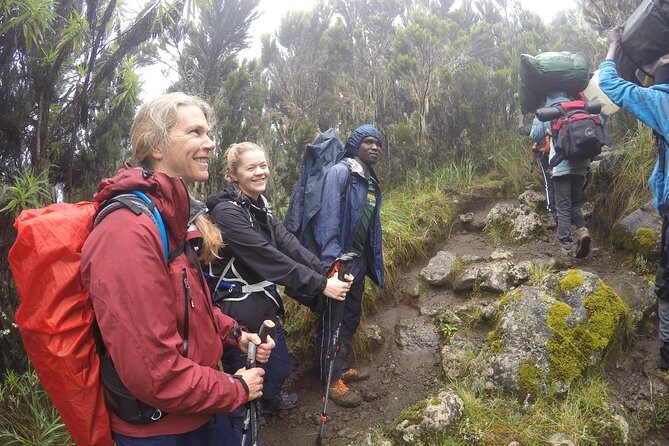
The route runs through rainforest, so you should expect the possibility of rain showers. That means more slippery footing, wet gear, and a real need for good rain protection and layers.
Practical tip: set your rhythm from the start. Umbwe punishes over-ambition early, and you can save energy for the next days by pacing like you plan to be here tomorrow.
Day 3: First Big Transition to Barranco Camp (3,960 m)
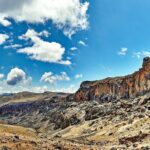
After an early wake-up and breakfast, you hike to Barranco Camp (3,960 m). The rainforest gives way to brush, and if skies cooperate, you may catch your first view of Meru Volcano.
This day is described as moderate in length, and Barranco Camp sits inside a huge volcanic fault—cool geography, yes, but also a reason this stop works well for acclimatization. Once you arrive, you get lunch and then time to relax.
A calm afternoon at altitude is not wasted time. It’s the part that helps your body adjust.
Day 4: Barranco Wall, Then on to Karanga Camp
Day 4 is built for both views and work. You begin with a climb up Barranco Wall. It’s recommended to start early to avoid crowds from other groups, and the wall climb itself isn’t usually described as technically hard—more like a steady hike that tests your legs and breathing.
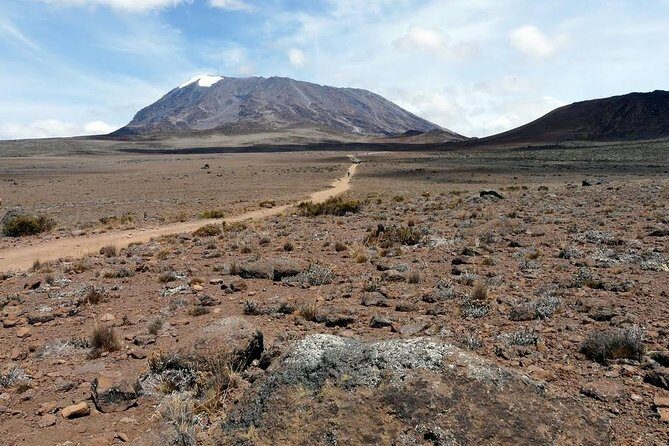
After that, you rest and take photos facing Kibo volcano when visibility allows.
Then you continue to Karanga Camp, where the hiking includes numerous ups and downs. This part matters because it teaches your body to keep moving even when the terrain keeps changing. When you reach camp, you get a warm lunch, then there’s also an acclimatization hike toward Barafu.
This is the kind of day where good leadership is felt. Your guides choose an optimal pace for the group, which keeps everyone from sprinting uphill and then paying for it later.
Day 5: Barafu Summit Camp, Early Rest, and the Kosovo Acclimatization Hike
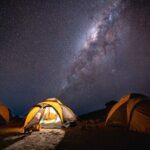
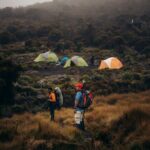
You climb to Barafu Summit Camp (4,640 m). From there, you’re set up for the night summit attempt. The itinerary includes a camp setup in advance—tents and sleeping bags—so you can focus on recovery instead of arriving and then building your whole temporary life.
At night, you’re not “going to sleep right away” so much as you’re trying to conserve energy. Then there’s another acclimatization hike: you head toward Kosovo Summit Camp (4,800 m) and return to Barafu.
That push is short enough to help adaptation, but not so long that it drains you. Then you get a hot dinner and the rest you’ll want before summit night.
Day 6: Midnight Push to Uhuru Peak (5,895 m) and the Tough Descent to Millennium
This is the big day. The group leaves Barafu at around midnight, and you’ll climb from 4,640 m to Uhuru Peak (5,895 m). The walking is described as relatively easy compared with the altitude challenge, but make no mistake: the thin air is the boss here.
A key feature is that every two climbers are paired with a guide who constantly monitors fitness for the climb. This isn’t vague encouragement; it’s ongoing observation during a time when your body may be telling you different things minute to minute.
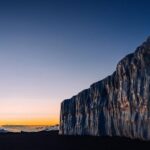
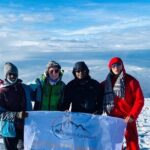
Upon reaching Uhuru Peak, you may choose to walk on one of Kilimanjaro’s glaciers. Then the group returns to Barafu for a two-hour rest before descending to Millennium Camp (3,820 m).
Here’s the part I want you to take seriously: descent is where accidents happen most often, sometimes cited as up to 90%. Even when altitude fatigue fades, your feet are still vulnerable. Watch your step. Protect your toenails. Take the slope seriously—because the mountain won’t cut you a deal for being relieved.
Day 7: Millennium Camp to Mweka Gate (1,640 m) and Certificate Time
Day 7 brings relief: the group moves from Millennium Camp down toward Mweka Gate at 1,640 m. Lower altitude means less pressure from altitude sickness and more normal breathing. You also get that emotional payoff: you did the goal.
After breakfast, you finish the last leg out of the park. Then you’ll have time to share memories with your guides and support team. You receive accomplishment certificates at Altezza’s offices before being driven back to the hotel.
Day 8: Hotel Recovery and Airport Transfer
You rest at the hotel and transfer to the airport. Hotel check-out is at 11:00 AM, and if you need a later check-out for an evening flight, there’s an option to extend your stay for an extra fee.
Summit Night With Realistic Expectations
On paper, summit night sounds like a simple route from camp to the top. In real life, it’s a shift in pace, energy management, and decision-making.
What’s reassuring here is the way the climb is structured:
- You’re leaving around midnight when conditions are usually cold and slow.
- You’re paired with a guide for close monitoring.
- You have tools for altitude management on the mountain (oximeters and oxygen tanks).
Also, keep your mental model grounded. Summit day is not the time to prove anything. It’s the time to follow your guide’s pace, eat and drink as advised, and keep moving safely.
Camps, Food, and Small Comforts at Altitude
This itinerary includes three energy-rich meals a day on the mountain, plus drinks like tea, coffee, juices, and soda. Meal planning is flexible too: vegetarian, gluten-free, halal, and other meal plans are available.
On Kilimanjaro, food isn’t just nutrition. It’s a morale tool. Warm meals and regular hydration help your body handle altitude stress, and they make long days less miserable.
Camp life is also supported. You’ll use North Face VE-25 tents (two hikers per tent, except solo). You also get sleeping pads and other branded gear items like a mess tent setup.
That list matters because it reduces friction. You’re not hunting for equipment the night before the hardest part of the trek.
Safety and Medical Support That Feels Built In
What I like most about Altezza’s approach is how medical support is treated as part of the schedule, not a side note.
Included supports are:
- Certified Wilderness First Responder guides with 7+ years of professional experience
- Medical check-ups at least twice a day
- Unlimited oxygen tanks and oximeters
- Medical kits
That doesn’t mean altitude is risk-free. It means you’re not doing Kilimanjaro with hope and guesswork.
And the advice about descent is a good reminder. Even when the mountain seems to give you a break by lowering altitude, accidents can spike because people get careless. This trek’s reminders about watching your footing and being gentle with your toes are not cute—they’re useful.
Price and Value: What You’re Actually Paying For
At $2,983 per person, this isn’t cheap. But Kilimanjaro treks often get priced like logistics plus risk management plus professional staffing.
Here’s what you’re getting for the money:
- Airport pickup and drop-off (JRO)
- Ground transportation
- Two nights in Moshi at Aishi Machame Hotel with two guests per room (solo at extra charge)
- Mountain accommodations: tents, sleeping pads, camp setup support
- Three meals a day plus drinks on the mountain
- Park fees
- A trained mountain crew: porters, camp masters, cooks
- Medical monitoring, oxygen tools, and first responder guidance
You’ll still need to budget for the things that keep you covered:
- Tips for the mountain support crew
- Travel/trekking insurance (highly recommended for trekking up to 6000 m / 19685 ft, and helicopter evacuation)
- Personal gear like boots, hiking outfit, and a sleeping bag (hiring is mentioned)
So the value equation is simple: you’re paying to reduce uncertainty—equipment, staff, medical readiness, and camp operations are handled for you. If you want the best shot at a smooth, well-managed climb, that price starts to make sense.
Who Should Choose Umbwe (and Who Should Rethink It)
Umbwe is recommended only to experienced hikers in good physical shape. That’s not marketing talk; it’s a warning label based on the route’s steepness and the fast altitude exposure.
This trek suits you if:
- You’ve done demanding hikes before and can keep a steady pace for hours
- You’re comfortable with cold nights and early starts
- You want a route where effort translates into a strong sense of achievement
It might not be ideal if:
- You’re a first-timer on high-altitude trekking
- You’re looking for a relaxed, mostly even itinerary
- You prefer to avoid the intense summit-night timing
One more practical note: you’ll be trekking at high altitude for multiple days, and the schedule includes acclimatization hikes. That means your preparation before arriving in Tanzania matters.
Also, if you care about leadership style, I’d pay attention to the guide team. In past groups, names like Elia (senior guide) and Thomas (junior guide) come up, along with other guides such as Shabani, Julius, Peter, Bosco, John, Edward, Lucas, and Arone. You’re likely to feel the difference when guides are experienced, steady, and present during the tough moments.
Should You Book Umbwe With Altezza?
I think you should book this if you want Kilimanjaro to be challenging in a structured, safety-minded way. Altezza’s included medical support, oxygen tools, and the professional crew setup are the kind of details that reduce stress—so you can focus on doing the climb safely.
Skip it and look for a gentler route if you’re still building experience, because Umbwe demands strong legs and strong self-control. The midnight summit plan is not the moment to learn pacing.
If you’re ready for real altitude work and you like the idea of moving quickly through climate zones, this is a serious, satisfying choice—one where the summit feels like the payoff to a plan you followed.
FAQ
What’s included in the price for this Kilimanjaro climb?
The price includes JRO airport pickup and drop-off, all ground transportation, two nights in Aishi Machame Hotel (with two guests per room, except solo), mountain camping with tents (North Face VE-25), three meals a day, drinks on Kilimanjaro, park fees, branded camp equipment, certified guide and crew services, medical check-ups (at least twice a day), unlimited oxygen tanks and oximeters, and medical kits.
Do you pick up and drop off at Kilimanjaro International Airport (JRO)?
Yes. The itinerary includes pickup and drop-off at Kilimanjaro International Airport (JRO), plus all ground transportation.
Is the Umbwe route suitable for beginners?
No. This route is recommended only to experienced hikers who are in good physical shape.
What medical or oxygen support is provided during the trek?
You get medical check-ups at least twice a day, medical kits, and unlimited oxygen tanks and oximeters during the climb.
Do I need insurance for Kilimanjaro?
Insurance is not included, and it’s highly recommended. The data specifies coverage for trekking up to 6000 m / 19685 ft and helicopter evacuation.
Can I cancel for a full refund?
Yes, you can cancel up to 24 hours in advance of the experience start time for a full refund. If you cancel less than 24 hours before the start time, the amount paid won’t be refunded.