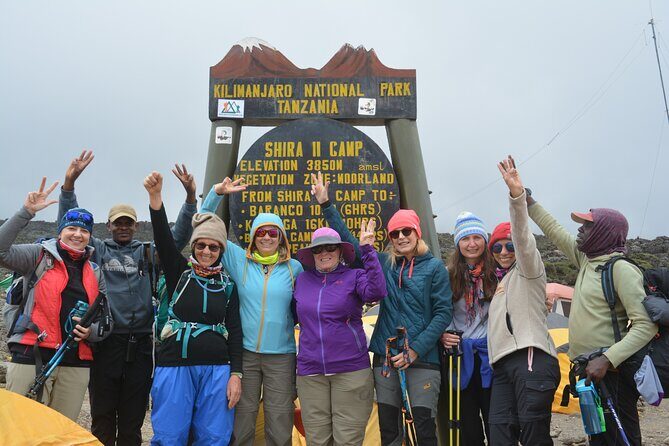
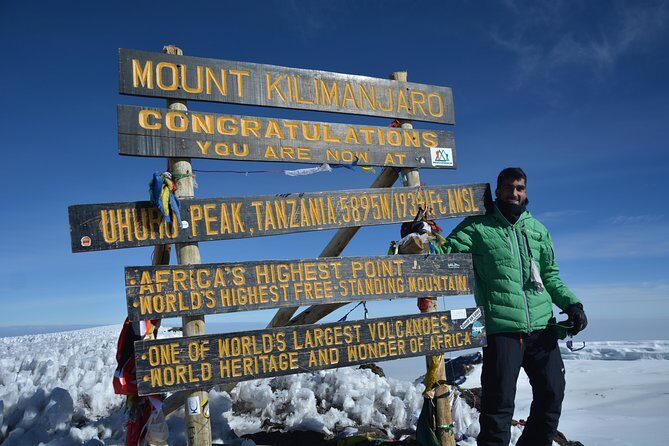
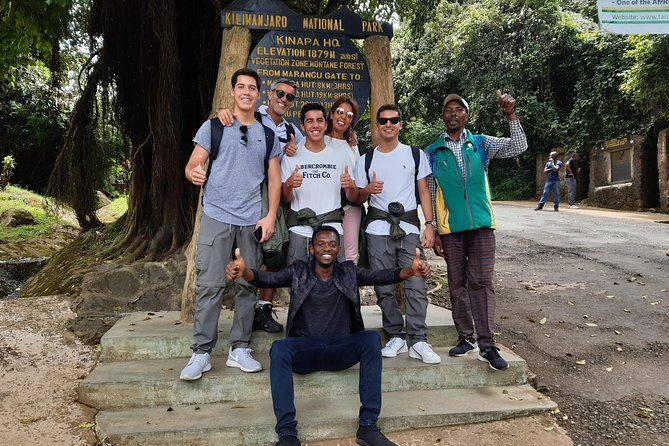
Huts make Kilimanjaro feel more human. The Marangu Route is one of the easiest ways up Mount Kilimanjaro, starting from Marangu village and climbing on a largely non-technical path with scenic days along the land escarpment. I especially like the hut accommodation (not tents) and the calm logistics that come with a private setup and pickup offered from the Moshi area. The one real trade-off: it can feel less dramatic than the rockier, wilder routes, so if you’re chasing maximum rugged drama, you may want to manage expectations.
This is a private tour/activity for your group only, and it’s built for people with moderate physical fitness. Over about five days, you’ll trade heavy climbing stress for steady altitude work, plus the comfort of sleeping in huts as you go higher and then back down.
The operator listed here is Mboni Adventures, and the support-team style matters on Kilimanjaro. In past experiences, guides such as Julius and Brad, and team members like Festus, Jackson, Khatib/Khateeb, and Juma have been highlighted for taking care of pacing, readiness, and the everyday details that can make a hard climb feel organized instead of chaotic.
In This Review
- Key things that make this Marangu Route standout
- Marangu Route vs other Kilimanjaro routes: the hut advantage
- Where it might not match your style
- Why people call it the Coca-Cola route (and what that means for you)
- The real value is comfort plus continuity
- Your 5 days on the Marangu Route: the phases that matter
- Phase 1: Start at Marangu village and get your footing
- Phase 2: Steady ascent on the land escarpment style terrain
- Phase 3: Hut nights and acclimatization support
- Phase 4: The summit push window (often associated with Uhuru Peak)
- Phase 5: Descent and recovery
- Guides and support team: why Julius, Brad, Festus, Jackson, and Juma come up
- The chef/cook and porter side is part of your comfort
- Price and value: what $2,051.29 per person is really buying
- Included
- Not included
- Is it worth it?
- Pickup in Moshi: why it reduces stress before you start walking
- Meeting point and timing window: know where you’re supposed to go
- What to pack and how to pace when the climb is non-technical
- Physical fitness: moderate still needs training
- Your pace strategy on Marangu
- Can you pair Marangu with safaris, Meru, or Zanzibar?
- Who should book the Marangu Route with Mboni Adventures?
- Should you book this Marangu Route tour?
- FAQ
- Where does the Marangu Route start?
- How long is the Marangu Route trek?
- Is there pickup included?
- Is this tour private?
- What’s included in the price?
- Are alcoholic beverages included?
- Is the climb technical?
- What meeting point should I use?
- What is the cancellation policy?
Key things that make this Marangu Route standout
- Hut-based trekking: you sleep in huts on the way up and down, which is a big comfort upgrade
- The easier Kilimanjaro approach: the route is described as non-technical, with no technical climb required
- Private group feel: only your group participates, so schedules and pacing are less disruptive
- Pickup offered from Moshi: helps you start the climb with less last-minute scrambling
- Support team focus: guides and the chef/cook-and-porter side are repeatedly praised for keeping things running smoothly
- Price includes fees and taxes: at $2,051.29 per person, you’re not guessing about major add-ons like fees
Marangu Route vs other Kilimanjaro routes: the hut advantage
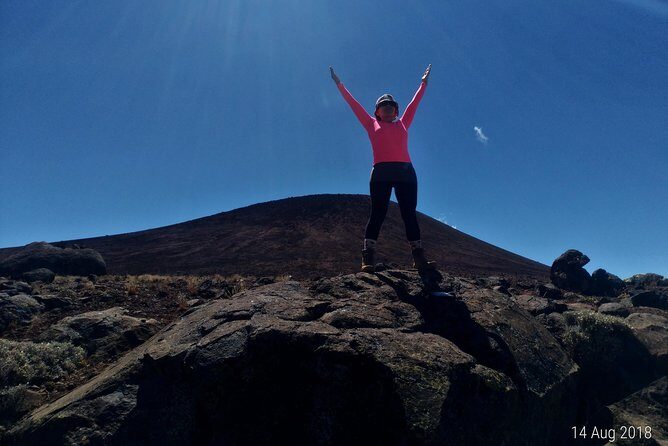
If Kilimanjaro is on your bucket list, the Marangu Route is often the “make it doable” option. Not because it’s easy in the altitude sense, but because the trip is designed to reduce the extra difficulty that comes from technical climbing or messy camp logistics.
The big practical win here is hut accommodation. Instead of living out of a tent setup, you get a bed situation that’s more familiar and far less gear-dependent. That matters on a multi-day climb when your energy is better spent on breathing, pacing, and staying warm rather than wrestling equipment.
Another reason this route appeals to first-timers: the climb is described as no technical climb. That means you’re not training for ropes, exposed scrambling, or anything similar. You still need endurance and smart pacing—Kilimanjaro doesn’t care about your comfort level—but the trekking style is straightforward.
You can also read our reviews of more tours and experiences in Moshi.
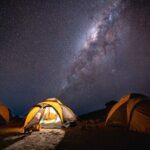

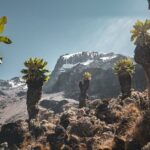
Where it might not match your style
Marangu is often called scenic and “easy,” and it’s known for the classic feel of Kilimanjaro. Still, it’s also described as one of the less breathtaking routes compared with more rugged alternatives. If you’re the type who loves dramatic terrain changes and rock-hopping variety, you might find other routes more visually intense even if they’re tougher.
Why people call it the Coca-Cola route (and what that means for you)
Marangu is nicknamed the Coca-Cola route, and the description tied to that name is simple: it’s considered the easiest route, with beautiful scenic stretches and a land escarpment character.
In plain terms, that nickname is code for:
- fewer technical surprises
- a more approachable trekking grade
- a route that many people can stick with steadily
So when you choose Marangu, you’re choosing a climb that feels like a well-managed hiking challenge rather than a mountaineering expedition.
The real value is comfort plus continuity
The “easy” part is not just about steepness. It’s about not having to constantly solve trekking problems. Huts mean you can focus on the rhythm: warm up, walk at a sensible pace, eat, rest, repeat. That’s how you give your body the best chance to handle altitude.
Your 5 days on the Marangu Route: the phases that matter
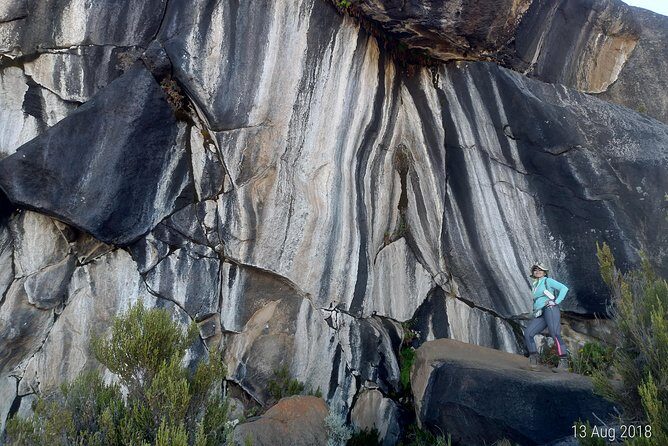
The exact day-by-day schedule isn’t spelled out in the tour details you provided, but the overall structure is clear: it’s an about five days Kilimanjaro trek that starts at Marangu village at the base of Mount Kilimanjaro and uses hut sleeping throughout.
Here’s how to think about your time, in phases, and what each phase means for planning.
Phase 1: Start at Marangu village and get your footing
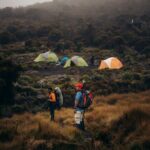
You’ll begin at Marangu village at the base of Kilimanjaro. This first phase is where you set your pace and your habits. Don’t treat it like a “let’s see how fast I can go” hike. The Marangu Route is described as non-technical, but altitude still builds. Your goal is to walk consistently and keep your energy steady.
Practical tip: even on “easy” routes, your first day can feel deceptively normal. I suggest you resist the temptation to push early just because the ground is forgiving.
Phase 2: Steady ascent on the land escarpment style terrain
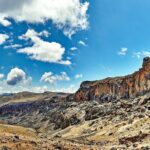
As you move up from the base area, the route is described as including scenic views and the land escarpment character. For you, that usually translates to trekking days where the scenery is there, but the main work is staying comfortable and keeping a steady pace.
This is also where hut logistics help. You’re not constantly thinking about camp setup. You can spend more of your day on what really counts: hydration, warm layers, and eating enough to support the climb.
Phase 3: Hut nights and acclimatization support
One of the strongest reasons people like the Marangu Route is how the huts change your nightly experience. Instead of worrying about tent conditions, you get a more predictable place to recover.
Acclimatization isn’t optional on Kilimanjaro, even when the climb is non-technical. Your support team’s job is to help you manage pacing and readiness, and that’s where guides and cooks/porters become more than “staff.” They’re the reason you’re eating consistently, moving on time, and not turning small issues into big problems.
Phase 4: The summit push window (often associated with Uhuru Peak)
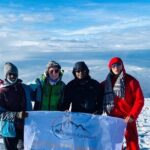
Kilimanjaro summit attempts are typically associated with Uhuru Peak in the stories you shared. If your trek includes that summit goal, you’ll need to treat the final stretch like a mission: early start, careful effort, and a focus on staying calm under stress.
Even if the route is non-technical, the summit night can still be intense because of altitude and cold. This is where the guide’s pacing style matters. In past participant experiences with Mboni Adventures, guides such as Julius, Brad, Festus, and Juma have been singled out for helping people achieve safe summit outcomes on challenging schedules.
Practical tip: if you tend to get anxious, write down your plan—simple steps like steady breathing, small sips of water, and slow foot placements. Anxiety loves speed. Altitude rewards patience.
Phase 5: Descent and recovery
The descent is still part of the challenge, but it’s the phase where your body starts to exhale. A hut-based route helps here too because you’re not forced to manage tent conditions while your legs are tired.
You’ll likely finish feeling drained but proud. On Marangu, the win is that you can make it about the climb itself—not about camping breakdowns, gear chaos, or technical stress.
Guides and support team: why Julius, Brad, Festus, Jackson, and Juma come up
Kilimanjaro is not a solo sport. Even on a route described as non-technical, you need a team that’s good at the “in-between” tasks: planning timing, setting pace, getting you fed, keeping things organized, and making sure everyone stays safe.
In the experiences you provided, a few names keep showing up with positive weight:
- Julius and Brad are highlighted in connection with a successful first summit attempt
- Festus is associated with a strong, united support effort from guides, porters, and cooks
- Jackson and crew are noted for accompanying people from airport arrival through the end of the trip
- Khatib/Khateeb and Frank are linked with a safe summit outcome for people in their 50s
- Juma is mentioned for a friendly, sensitive, professional guiding style on a Kilimanjaro day experience
Even if not every trek involves the exact same roster, these examples tell you something important: this operator’s reputation is built around the people doing the work, not just the route name.
The chef/cook and porter side is part of your comfort
You’re paying for more than a map. Food quality and timing, plus porter effectiveness, directly affect how much energy you spend each day. When the team is running well, you walk farther with less stress.
Price and value: what $2,051.29 per person is really buying
At $2,051.29 per person for an about five-day Marangu Route trek in Moshi, this is not a budget “hike and hope” deal. But the value case is clearer when you look at what’s included.
Included
- All Fees and Taxes
That matters because permits, operational costs, and key route fees can add up fast. When fees and taxes are included, you reduce the risk of surprises near the start of the trip.
Not included
- Alcoholic beverages
So you should plan for water, personal snacks if you want them, and any alcohol on your own—alcohol is simply not part of the provided inclusions.
Is it worth it?
For many people, the value equation becomes favorable if:
- you want the hut comfort and a non-technical approach
- you prefer a private group setup
- you value a team that keeps logistics and meals handled
If you’re the kind of traveler who enjoys independence and minimal structure, you might feel the price is more than you need. But if your goal is a well-run Kilimanjaro climb with less chaos, the included-fees structure is a meaningful plus.
Pickup in Moshi: why it reduces stress before you start walking
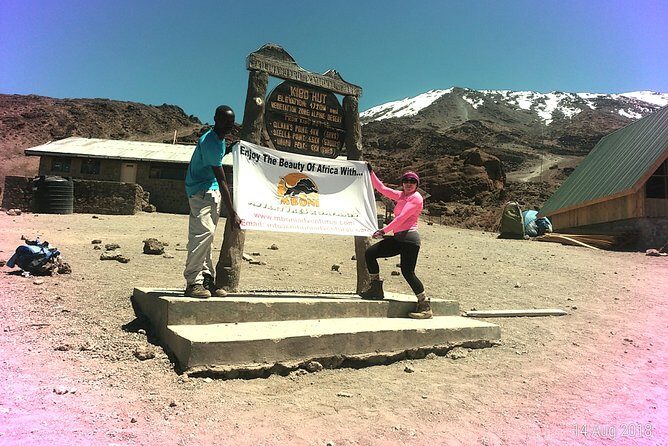
The tour summary says pickup offered, and that’s a practical win. Kilimanjaro logistics can eat your time and energy if you arrive without a plan.
A smooth start helps because the first day matters. When pickup is included, you’re more likely to reach the departure point on time, get sorted, and mentally prepare before the walking begins.
In past experiences tied to Mboni Adventures, people highlighted support that started at airport arrival and continued through leaving the country. That style usually means fewer handoffs and less confusion for you on the ground.
Meeting point and timing window: know where you’re supposed to go
Your ticket redemption point is listed as:
- Mount Kilimanjaro, Mt Kilimanjaro, Tanzania
And the redemption hours are:
- Monday–Sunday, 7:00 AM to 6:00 PM
- with the date range shown: 05/27/2019 – 06/18/2026
In real life, you’ll want to line up your arrival plan so you’re not racing against the clock. If your flights land late, the difference between a smooth arrival and a stressful scramble can be huge on a climb.
What to pack and how to pace when the climb is non-technical
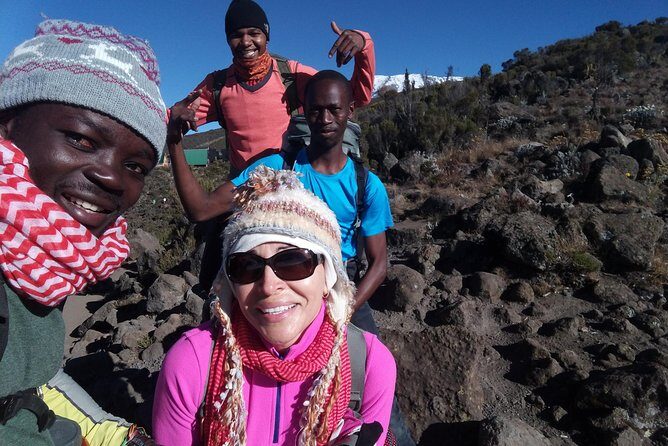
Even though the Marangu Route is described as no technical climb, you still need to treat Kilimanjaro seriously. Moderate fitness is required, and altitude can turn a “steady hike” into a tough day if you move too fast.
Physical fitness: moderate still needs training
The tour notes say travelers should have moderate physical fitness. That’s not “sit at your desk all week and show up.” It means you should be comfortable walking for hours and climbing hills without your heart rate going wild.
If you’re training now, focus on:
- steady hikes or long walks
- stair practice
- core and leg endurance
- practicing carrying a daypack
Your pace strategy on Marangu
Non-technical doesn’t mean low effort. Your best move is to pace conservatively from early on. If you start too fast, you’ll feel it later, especially around the summit push window.
Can you pair Marangu with safaris, Meru, or Zanzibar?
The overview points out easy add-ons depending on your total trip. If you like the idea of seeing more than one Tanzanian highlight, you can often combine:
- Tanzania cultural tours
- Mount Meru trekking
- Tanzania wildlife safaris
- Zanzibar Island beach holidays
This is a smart way to balance the intensity of Kilimanjaro with relaxation and variety. After several days of altitude trekking, a safari day or a beach reset can turn your whole trip from exhausting to memorable in the best way.
Who should book the Marangu Route with Mboni Adventures?
This trek fits best if you:
- want a non-technical Kilimanjaro route
- prefer hut accommodation over tent camping
- want private group pacing and less logistical friction
- are traveling from Moshi and like the idea of pickup offered
- value strong guiding and support from a team that handles the details
It may not be ideal if you:
- want the most extreme rugged climbing experience
- hate structured group schedules
- expect summit success without taking acclimatization and pacing seriously
Should you book this Marangu Route tour?
My take: if your main goal is to reach the summit using a route designed to be approachable and organized, this Marangu Route option makes a lot of sense. The biggest reasons are the hut-based comfort, the description of a non-technical climb, and the private-group setup that helps everything run smoother.
At $2,051.29 per person, it’s also priced like a proper guided service where fees and taxes are covered. If you’re the kind of traveler who’d rather pay for certainty than gamble on logistics, you’ll likely feel good about choosing it.
Just do one thing before you book: be honest about your fitness and your pace comfort. Kilimanjaro rewards preparation, not bravado.
FAQ
Where does the Marangu Route start?
The Marangu Route starts from Marangu village at the base of Mount Kilimanjaro.
How long is the Marangu Route trek?
The duration is listed as 5 days (approx.).
Is there pickup included?
Yes, pickup is offered.
Is this tour private?
Yes. It’s a private tour/activity, and only your group will participate.
What’s included in the price?
The tour includes all fees and taxes.
Are alcoholic beverages included?
No. Alcoholic beverages are not included.
Is the climb technical?
The Marangu Route is described as having no technical climb.
What meeting point should I use?
Your ticket redemption point is listed as Mount Kilimanjaro, Mt Kilimanjaro, Tanzania.
What is the cancellation policy?
There is free cancellation. You can cancel up to 24 hours in advance for a full refund. If you cancel less than 24 hours before the experience start time, the amount paid is not refunded.