REVIEW · ARUSHA
Tanzania 4 Days 3 Nights Budget camping safari to Serengeti and Ngorongoro
Book on Viator →Operated by African Beast tours and safaris · Bookable on Viator
Serengeti and Ngorongoro in one trip is a smart move. I love the camping cost advantage plus full days of game drive time in two big habitats, and I also like that the trip runs from Arusha with an English-speaking driver-guide and a 4×4 Landrover with a pop-up roof for animal viewing. The main thing to weigh is that the camping setup is basic, and some public camp nights may mean limited comfort like no light or hot water.
What makes this safari feel practical is the way it’s built around wildlife behavior. Serengeti drives can shift based on where the herds are moving, and your guide is expected to locate the action. On Ngorongoro, you get a protected crater with a high chance of classic animals, including lion and rhino—though wildlife viewing is never 100% guaranteed.
In This Review
- Key Things to Know Before You Go
- A Budget 4-Day Safari That Actually Gives You Time in the Parks
- Getting Started in Arusha: Pickup, Timing, and That Long-but-Worth Road
- Serengeti Game Drives: Chasing Migration Means Expect Changes
- Day 1 in Serengeti: Arrival Afternoon and a Camping First Night
- Day 2 in Serengeti: Morning and Afternoon Drives Plus Hippo Pool
- Night in Seronera: The Real Meaning of Budget Camping
- Day 3: The Big Switch From Serengeti to Ngorongoro Crater Rim
- On the Crater Floor: One Day Built Around High-Probability Classic Animals
- Day 4 in Ngorongoro: Early Descent, Soda Lake Views, and Ngoitoktok Lunch
- Your Guide and Crew: Why the Right Team Makes a Big Difference
- Price and What to Budget: $740 Plus Conservation Fees
- Who Should Book This Safari, and Who Might Want a Different Style
- Should You Book This Budget Camping Safari?
- FAQ
- What time does the safari start?
- How many days and nights is this safari?
- What is included in the price?
- What fees are not included?
- Can I upgrade from camping accommodation?
- Is an extra-language guide available?
Key Things to Know Before You Go
- Camping stays keep the price down, with meals included, so you spend your money on time in the parks.
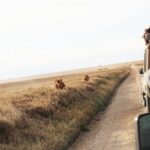
- 4×4 Landrover with a pop-up roof helps you spot animals without leaning forward like a pretzel.
- Serengeti drives follow the migration mood, meaning your route can change as the herds move.
- Serengeti Hippo Pool is a focused stop where you can look for hippos even in drier seasons.
- Ngorongoro Crater is a huge enclosed ecosystem, making one-day Big Five viewing more realistic than scattershot drives.
- Some nights are in public camps, so pack for simple living, not hotel comfort.
A Budget 4-Day Safari That Actually Gives You Time in the Parks
This Tanzania safari is designed for people who want two headline parks without paying lodge prices. The base price is $740 per person, and the big value is that 3 nights of camping and meals are included, not just a ticket and a pickup.
You should also think of this as a style of safari. You’re not paying for plush rooms or private conservatory-level service; you’re paying for wildlife hours and a guide who can work the game-drive logic.
The “budget” part doesn’t mean “rushed,” either. The schedule includes multiple game drives across Serengeti and a full day in Ngorongoro, which is where you really want time to slow down and watch.
A few more Arusha tours and experiences worth a look
Getting Started in Arusha: Pickup, Timing, and That Long-but-Worth Road
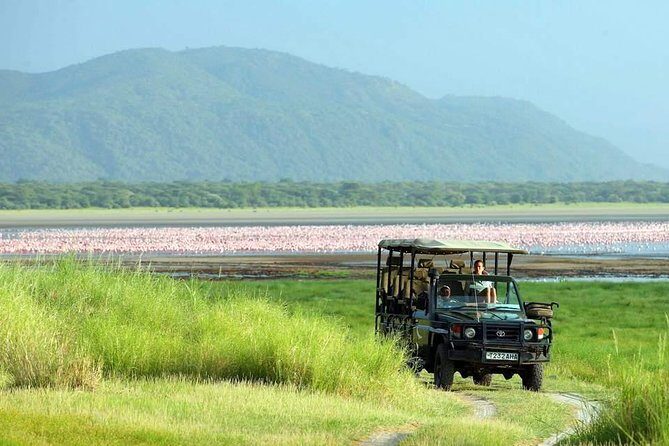
Your day starts with pickup in Arusha around 8:00 am. From there, you drive toward the Great Serengeti, and on Day 1 you’re scheduled to arrive around 3:00 pm, when the afternoon game drive begins on the way to your campsite.
That timing matters because it gives you at least some Serengeti viewing right away, instead of only seeing the park from a bus window. Also, being picked up in Arusha keeps the logistics straightforward, especially if you’re staying in town.
This trip also includes bottled water, which sounds minor until you’re sitting out in the open for hours.
Serengeti Game Drives: Chasing Migration Means Expect Changes
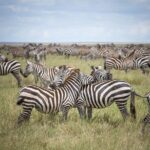
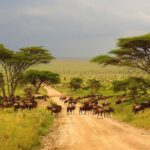
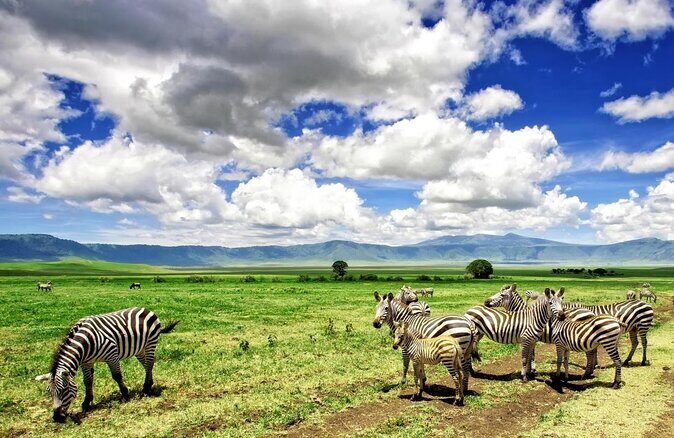
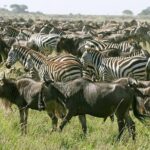
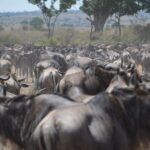
Serengeti is enormous—over 14,700 square kilometers—and that’s why your game drives aren’t always a fixed route. In a migration safari, the plan follows movement: your guide aims to position you where wildebeest and zebra are likely to be.
That’s also why your “best moments” may not come at the same time each day. One morning can be big-cat country; another can be about watching herds thicken near a river or grazing edge.
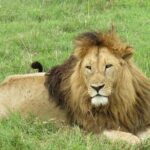
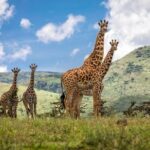
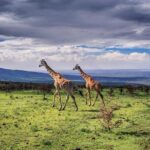
I like that the tour directly frames Serengeti as the endless plains, a literal vibe in Maasai language. If you enjoy wide-open views and constant animal sightings—lions, leopards, elephants, zebra, wildebeest, and more—Serengeti fits your taste.
And yes, birding can be excellent here too. The tour notes many species, including eagles and vultures, plus Eurasian migrants, so your camera won’t be the only thing getting used.
Day 1 in Serengeti: Arrival Afternoon and a Camping First Night
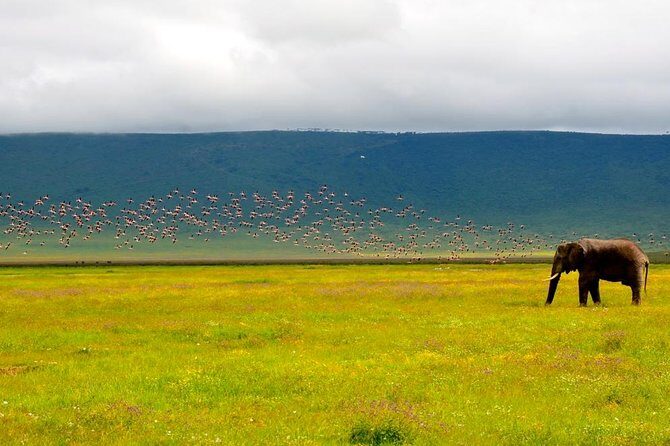
On Day 1, you drive from Arusha with a picnic lunch, then reach the park and head for game viewing toward Seronera campsite. Your first night is at the Serengeti Seronera public campsite, with dinner included.
Arrival day can feel like a balancing act—half travel, half safari. But arriving around 3:00 pm usually gives you enough daylight for a real afternoon drive, not just a quick taste.
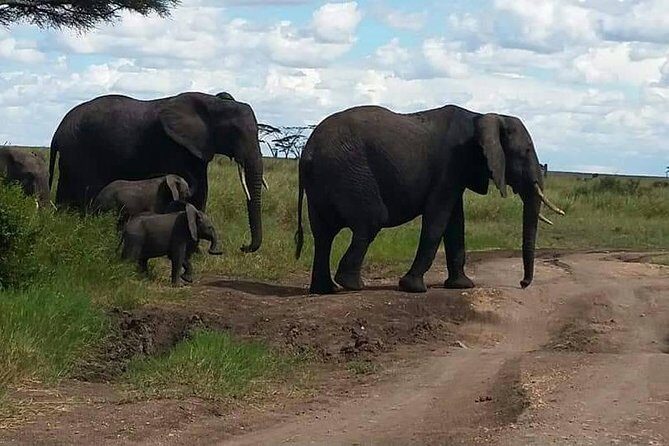
The animal variety listed for Serengeti is wide, including species like buffalo, cheetah, and even crocodiles. That doesn’t mean every sighting is guaranteed, but it does tell you the habitat mix is broad, and your guide has options to work from.
Day 2 in Serengeti: Morning and Afternoon Drives Plus Hippo Pool
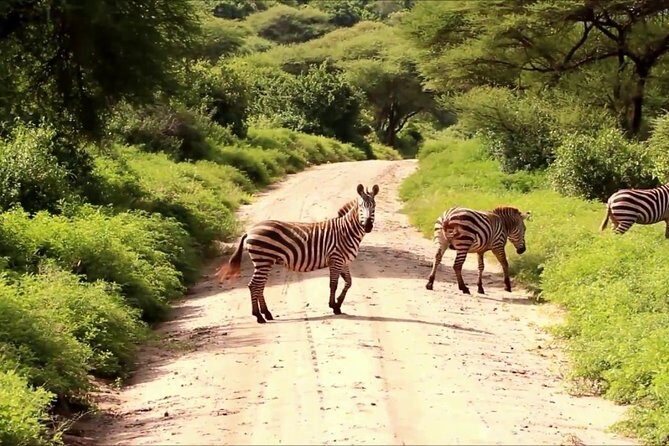
Day 2 is built for repetition done right: morning and afternoon game drives. In Serengeti, that’s where you often catch different behaviors. Midday can bring shade-seeking, while early hours can be best for predators and movement.
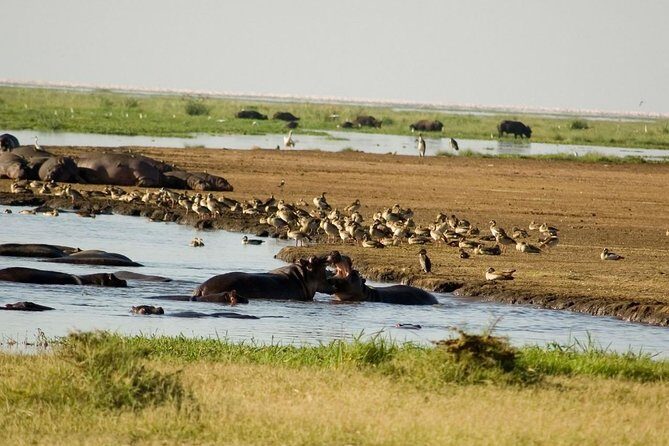
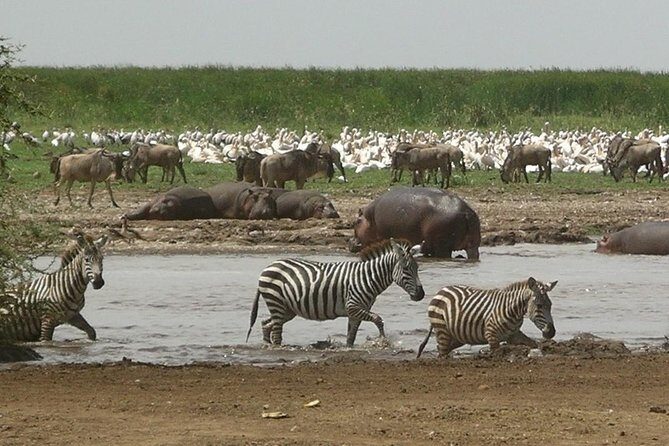
This is also the day you add a focused stop at the Serengeti Hippo Pool. Even during the dry season, the tour description notes water there fed by the Seronera River, and it says the site is easiest accessed via the Ikoma entrance.
Think of this like a “target practice” moment. You’re not just passing by a random patch of river; you’re stopping where wildlife concentration is expected.
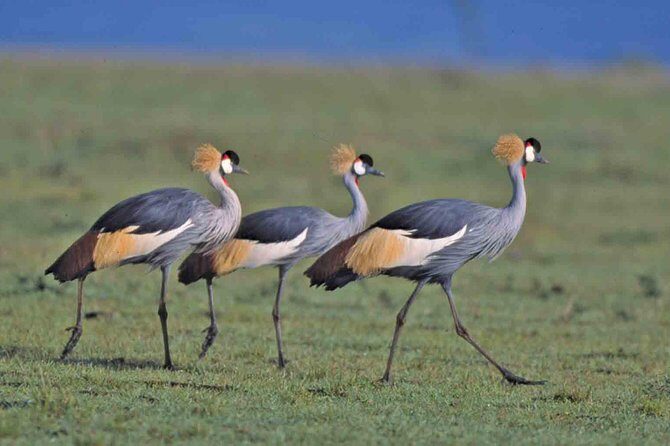
Bird lovers also get another angle on Day 2. With the variety of cranes, storks, herons, pelicans, and more listed, there’s a good chance you’ll spend time looking down as well as scanning the horizon.
A few more Arusha tours and experiences worth a look

Night in Seronera: The Real Meaning of Budget Camping
Let’s talk comfort honestly, because this is where your expectations need to match the reality. The tour keeps costs down with public camping accommodation, and some past experiences have called out practical problems like no light and no hot water at Seronera camps.
I’m not saying you’ll have a bad time. I am saying that you should plan like this is outdoor living. Bring a headlamp or small flashlight, pack layers for evening cooling, and assume washing facilities may be basic.
The upside is that your time stays in the parks, not in a vehicle commuting between far-away lodges. For many people, that’s the whole point.
Day 3: The Big Switch From Serengeti to Ngorongoro Crater Rim
Day 3 starts early with a morning game drive in Serengeti, then you return for breakfast and check out. After that, you drive with lunch and game viewing toward the Ngorongoro Crater Rim.
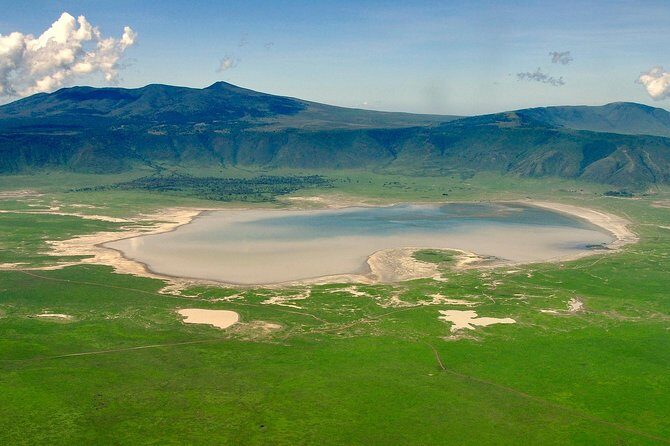
This is a long day by design—your goal is to get onto crater territory while daylight is still strong enough for viewing. The tour describes the crater as the largest unbroken caldera in the world, with about 260 kilometers in area and roughly 610 meters depth.
What I like about Ngorongoro is the “contained ecosystem” effect. Instead of searching across endless plains, you’re working inside a protected crater system where thousands of mammals and birds live in close enough proximity for more frequent sightings.
On the Crater Floor: One Day Built Around High-Probability Classic Animals
Once you descend, your day becomes crater safari mode: game drives on the floor, plus long stretches watching behavior instead of constantly moving. The tour description is clear about what you should look for, including lion, hyena, wildebeest, zebra, and the black rhinoceros.
It also lists the kind of smaller antelopes that make Ngorongoro more than just a Big Five checklist. Predators, grazers, and scavengers all share the same stage, so your viewing can shift quickly depending on what’s happening near water and grazing areas.
You also have an option to visit Olduvai Gorge for an extra fee (museum). If you’re into natural history and human prehistory, it can add a completely different kind of “why Earth looks this way” perspective to your animal-focused days.
Day 4 in Ngorongoro: Early Descent, Soda Lake Views, and Ngoitoktok Lunch
Day 4 starts with breakfast and then a 0730 drive to Ngorongoro Crater, with a descent into the crater floor for additional game drives. This second crater day matters, because it increases your odds of repeating what you missed the first time—like rhinos, leopards, or a specific pride.
The tour also mentions flamingos on the Soda Lake, which is a great bonus if the lighting and visibility cooperate. Flamingos aren’t the only bird show here either; geese, storks, and vultures are included in the bird list.
Lunch is at Ngoitoktok spring picnic sites, and after lunch you proceed with game viewing while ascending the crater. That flow is nice because it keeps the day from feeling like a one-shot event; you’re still watching wildlife through to the end.
Your Guide and Crew: Why the Right Team Makes a Big Difference
This safari leans heavily on the guide. You can feel it in the way the plan is described: Serengeti drives depend on migration movement, and a guide’s ability to position the group affects what you see.
In past departures, guides such as Thomas have been praised for being able to find big game, including an elusive rhino, plus for being ethical in how they work. Other guide-chef teams like Ely and Goodluck have also been singled out, with strong animal interaction and excellent cooking in a camping environment.
Speaking of cooking, the cook Michael has been mentioned for delicious meals even when living outdoors. And if you have dietary needs, it’s worth noting one review specifically mentioned vegan catering.
The small-human details matter too. A translator named Fazeel was praised as attentive and eager to learn, which usually means better communication in the moments when you really want clarity—like animal behavior, safety, and what you’re looking at.
Price and What to Budget: $740 Plus Conservation Fees
The listed price is $740 per person for 4 days and 3 nights. That includes camping accommodation, pickup/drop-off in Arusha, an English-speaking driver-guide, transport in a 4×4 Landrover with a pop-up roof, bottled water, and meals (lunch and dinner plus breakfasts).
The part you must plan for separately is the $210 total conservation fees for Serengeti and Ngorongoro Crater. The tour notes these are paid cash in the morning of the tour. If you arrive without the right budget in cash, you’ll lose time and peace of mind.
Tips are optional, but in a safari setup where your guide and cook are with you for long days, it’s still part of how the ecosystem of service works.
Also remember that park admissions aren’t described as fully covered in the base price, aside from the conservation fees you pay on the spot. In practice, that means you should treat the $210 as the key “must-have” additional number.
If you want more comfort than public camping, the tour notes you can request upgrades to mid-range or luxury accommodation early. That can change the feel of your nights more than you might expect.
Who Should Book This Safari, and Who Might Want a Different Style
This tour is a great fit if you want:
- A classic Serengeti migration experience, not just a drive-by
- Ngorongoro Crater as a second anchor, where wildlife density is high
- To keep costs under control by choosing camping
- A guide-led safari where the day’s route adapts to animal movement
It may be less ideal if you need hotel-level comfort at night. Some public campsite experiences have been described as lacking things like light and hot water, so you’ll want to pack accordingly.
If you’re traveling as a couple or a small group and you like your days active and your evenings simple, this safari fits nicely. If you’re traveling with older people or anyone sensitive to basic camping conditions, I’d strongly consider the accommodation upgrade if it’s available for your dates.
Should You Book This Budget Camping Safari?
I think you should book this safari if your priority is wildlife time and you’re comfortable trading luxury for proximity to the action. Serengeti’s migration setup plus Ngorongoro’s crater ecosystem gives you two different ways of seeing Tanzania’s wildlife, and the itinerary is built to keep the viewing time real.
Before you say yes, do two quick checks:
- Make sure you’re ready for public camping conditions and pack with that in mind.
- Plan your budget for the $210 conservation fees paid in cash, plus any optional add-ons like Olduvai Gorge.
If you want a safari that feels authentic, works with wildlife behavior, and keeps your money pointed at animals instead of hotel rooms, this is a solid pick.
FAQ
What time does the safari start?
Pickup in Arusha is scheduled for 8:00 am.
How many days and nights is this safari?
It runs for 4 days and 3 nights.
What is included in the price?
Camping accommodation for 3 nights, pickup and drop-off in Arusha, an English-speaking driver-guide, transportation in a 4×4 safari Landrover with a pop-up roof, bottled water, and meals including lunch (4) plus breakfast (3) and dinner (3).
What fees are not included?
Conservation fees totaling 210 USD for Serengeti and Ngorongoro Crater are not included and are paid cash in the morning of the tour. Tips are optional, and the Olduvai Gorge museum visit is an optional extra.
Can I upgrade from camping accommodation?
Yes. The tour notes that upon early request you can upgrade to mid-range or luxury accommodation.
Is an extra-language guide available?
Yes. The tour notes an extra 25 USD per day for a French, Spanish, or German guide upon early request.