REVIEW · DAR ES SALAAM
Private Tour in Historical Dar es Salaam with Lunch
Book on Viator →Operated by Dar es Salaam Architectural and Historical city Tours. · Bookable on Viator
Dar es Salaam hits fast, then keeps going. This private tour strings together German-era architecture, seafood culture at Kivukoni Fish Market, and major museum stops in about seven hours. I like how it feels structured without turning sterile, and I also like that lunch and key entry fees are folded in. One thing to consider: the day can involve a fair bit of city driving and walking, and a past group reported a vehicle AC issue.
I also like the way the route mixes big landmarks with places you’d otherwise skip—like the Village Museum for traditional houses and the craft stops at Mwenge and the Tingatinga Arts Cooperative Society. If your guide is Ben, you’re in for strong storytelling and clear context from stop to stop. The trade-off is that several sites get shorter time slots, so you’ll want to show up ready to move.
You’ll do well here if you want an easy, all-in-one way to understand Dar’s layers: colonial buildings, religious architecture, everyday markets, and a coastal wind-down.
In This Review
- Key highlights worth circling
- A 7-Hour Dar es Salaam Mashup That Actually Makes Sense
- Old Boma and DARCH: German-Era Walls with Exhibits You Can Follow
- Kivukoni Fish Market: A Real Working Coast, Not a Souvenir Row
- National Museum of Tanzania: Fossils, Ethnography, and the Big Picture
- Village Museum: Traditional Houses and Living Craft Traditions
- Mwenge Woodcarvers Market and Tingatinga Arts Cooperative: Buy with Context
- Colonial-Style Churches, Askari Monument, and St. Joseph’s Cathedral
- Mlimani City Mall and the University of Dar es Salaam: Modern Life in View
- Kariakoo Market: Everyday Commerce Done for Real
- Coco Beach: The Peaceful Finish with Indian Ocean Views
- What $145 Gets You (and Where It’s Smart to Spend Energy)
- Should You Book This Private Tour?
- FAQ
- Is lunch included in the tour?
- Does the price include admission tickets?
- Is pickup available?
- Is this tour private?
- How long is the tour?
- What’s included in the vehicle?
- Are alcoholic drinks included?
- Cancellation and weather
- What happens if the weather is poor?
- Can I cancel for a full refund?
Key highlights worth circling
- Old Boma (DARCH): preserved colonial-era building plus exhibits on architecture and urban change
- Kivukoni Fish Market: sensory stop—catch, vendors, and local buying habits
- National Museum + Village Museum: fossils and ethnographic collections, then traditional house styles and crafts
- Mwenge Woodcarvers + Tingatinga Arts Cooperative: hands-on feel for wood sculpture and signature Tingatinga painting
- Churches and monuments: German colonial church architecture, plus Askari Monument and major cathedral
- End at the coast: Coco Beach for a breather by the Indian Ocean
A 7-Hour Dar es Salaam Mashup That Actually Makes Sense
This is the kind of day that works if you like a plan. You’ll be picked up in an air-conditioned vehicle, then taken through a set of cultural and historical stops with admission included at each major site. Duration is about 7 hours, and the timing is built around short “in-and-out” segments—except for the two museum blocks.
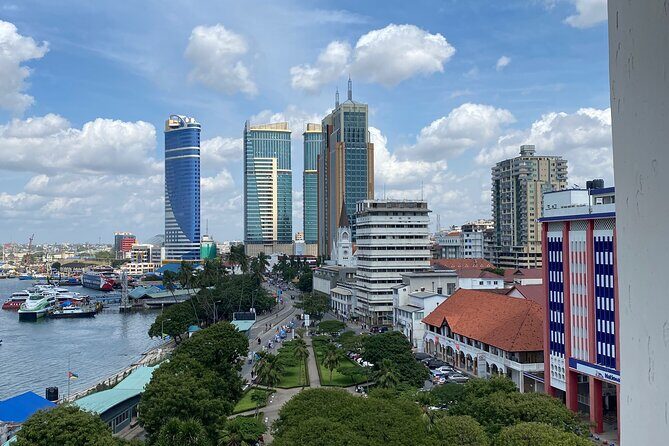
The value is mostly in the sequencing. You’re not just seeing random places; you’re moving through the city’s story: European colonial traces in the architecture, then everyday life in markets, then crafts and art, then major faith buildings, and finally a coastal pause.
The one drawback to keep in mind is heat and pacing. Even with AC on board, traffic and time at outdoor markets can feel warm. If you’re heat-sensitive, ask your driver about AC before you settle in, and plan for some sun and dust exposure.
You can also read our reviews of more private tours in Dar es Salaam


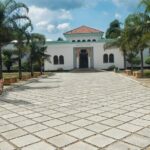
Old Boma and DARCH: German-Era Walls with Exhibits You Can Follow
Old Boma is the starting point for a reason: it anchors the tour in architecture you can actually read. The building dates back to the German colonial era, and today it houses the Dar es Salaam Centre for Architectural Heritage (DARCH). Expect preserved structure, display panels, and artifacts that connect buildings to the city’s growth and cultural heritage.
What I like here is that it sets your expectations for the rest of the route. After Old Boma, the colonial-style church buildings and monuments don’t feel like isolated “pretty photos.” You start seeing patterns in materials, design, and how Dar has layered different eras.
The practical downside: since you only spend about 30 minutes, you’ll want to prioritize what interests you most—architecture and urban development, or the cultural artifacts. If you’re the type who loves reading every label, you might want to slow down your guide for a minute or ask a question.
Kivukoni Fish Market: A Real Working Coast, Not a Souvenir Row
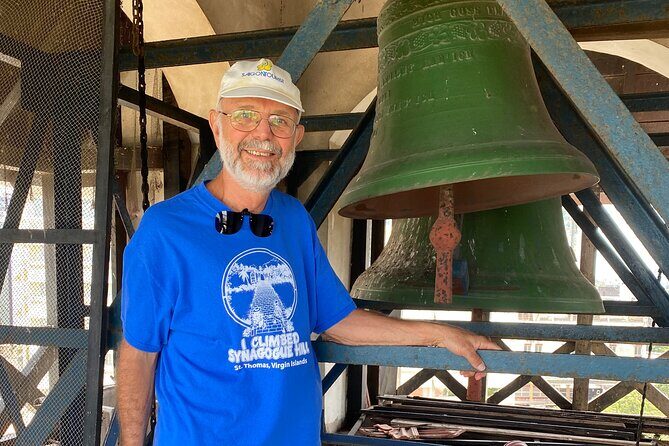
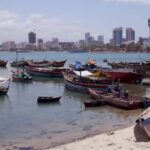
Kivukoni Fish Market is where Dar’s daily rhythm shows up. This stop is centered on what you’d expect: fishermen bringing in catch, vendors cleaning and preparing seafood, and customers buying for the day. You’ll likely notice prawns, octopus, and multiple fish types while you hear bargaining and see quick, practical work happening all around you.
This is also the stop where senses do the storytelling. The mix of sea smell, crowd noise, and the constant movement can feel intense—but it’s exactly why this part matters. If you want the city’s culture beyond museums, this is one of the most direct ways to get it.
Considerations: you’re there for about 30 minutes, so it’s more observation than shopping. Wear shoes that handle uneven ground, and keep water handy since the day can run warm. And if you’re squeamish around fresh seafood handling, you’ll still be able to enjoy watching the process from a comfortable distance.
National Museum of Tanzania: Fossils, Ethnography, and the Big Picture
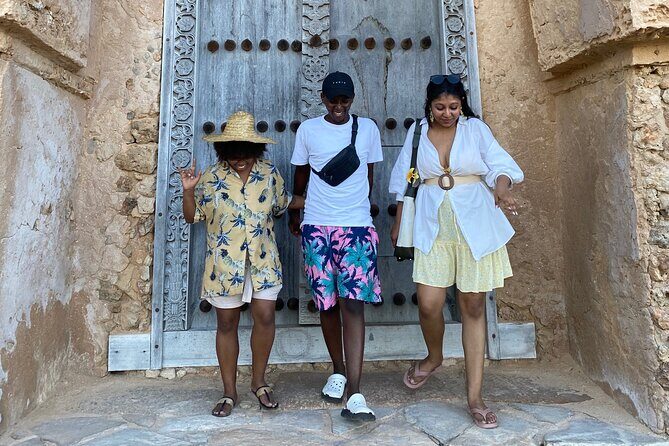
The National Museum of Tanzania is your history bridge. Here you’ll find exhibits that cover Tanzania’s cultural heritage and natural history, including fossil discoveries from Olduvai Gorge, ethnographic collections, and artifacts tied to colonial-era and independence themes. You’ll also see art displays, which helps the museum feel less like only “old stuff under glass.”
This stop is about 1 hour, so you’ll want to focus on two or three sections rather than trying to read everything. If fossils are your thing, Olduvai Gorge content can be a strong anchor. If you prefer people and traditions, ethnographic collections tend to make you look at everyday life differently.
One practical note: museums reward calm pacing. If your route feels rushed, ask your guide to point out the best “can’t miss” areas and use the extra minutes to revisit what grabs your attention.
Village Museum: Traditional Houses and Living Craft Traditions
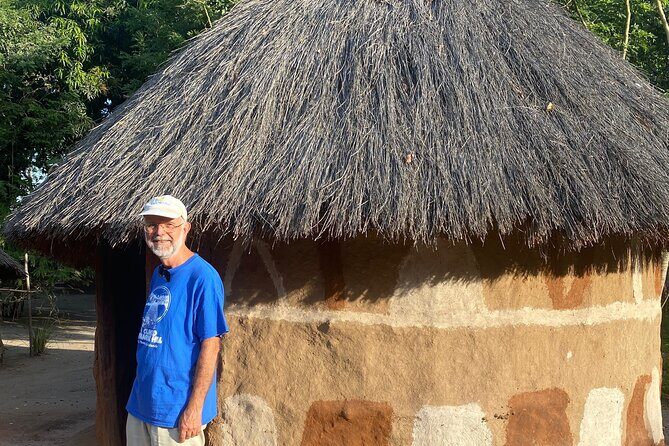
After the National Museum, Village Museum slows the story down in a good way. Instead of items, you’re walking through traditional houses from different ethnic groups in Tanzania. Each style showcases distinct architecture and cultural artifacts, giving you a sense of how building design, materials, and layout connect to community life.
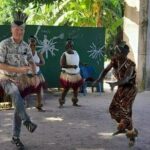
The Village Museum also includes live demonstrations of traditional crafts, plus music and dance performances. That matters because it takes what could be static viewing and turns it into something you can hear and see in motion.
This is another 1-hour block, so you’ll have enough time to watch at least one craft demo and catch part of the performance. If timing matters to you, go in ready to sit for a few minutes when the demonstration begins rather than rushing to the next building.
You can also read our reviews of more historical tours in Dar es Salaam

Mwenge Woodcarvers Market and Tingatinga Arts Cooperative: Buy with Context
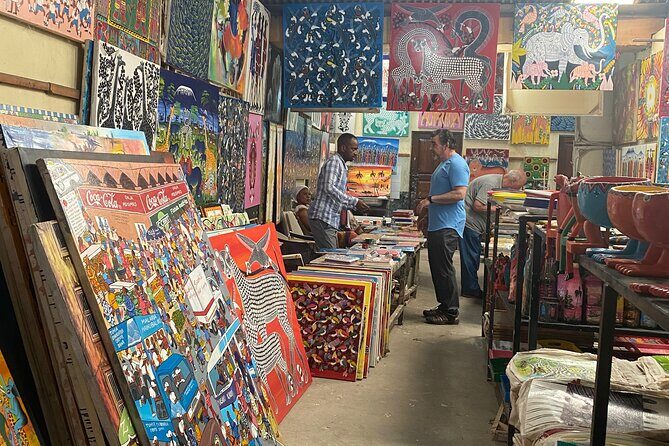
Art and craft stops are split into two distinct experiences: woodcarving and painting. At Mwenge Woodcarvers Market, you’ll see artisans working and a wide range of handcrafted pieces. The sculptures run from small trinkets to larger carvings depicting animals, people, and traditional themes. This is where purchases feel personal because you’re watching technique happen.
Then Tingatinga Arts Cooperative Society brings you the other side of the arts story: the bold Tingatinga painting style. Expect colorful works featuring wildlife, everyday life scenes, and whimsical fantastical elements. You can often observe artists at work and purchase original pieces.
The value in both stops is context. When you understand what you’re looking at—style, subject, and process—you’re more likely to buy something you’ll still love after the souvenir novelty wears off. Also, because the time at each stop is around 30 minutes, you’ll want to decide early whether you’re browsing only or actually planning to buy.
Colonial-Style Churches, Askari Monument, and St. Joseph’s Cathedral
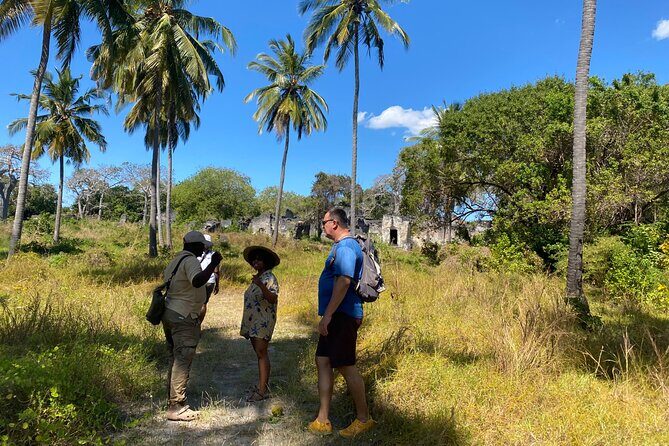
Dar es Salaam’s religious architecture is a major part of the tour’s theme: faith buildings tied to different periods and influences. Azania Front Lutheran Church is one highlight, built during the German colonial period, with Gothic-style features and stained glass. The interior and surrounding gardens add a calm pause after market intensity.
St. Joseph’s Cathedral of the Archdiocese of Dar es Salaam brings in Catholic architecture—ornate decorations and stained glass windows—again with a peaceful interior moment. Then Askari Monument adds a historical note through its bronze statue commemorating soldiers of British colonial forces.
This cluster is about more than pretty buildings. It shows how different colonial powers left their mark on public and sacred architecture. Even if you’re not religious, the design choices and the way these sites occupy space tell you something about the city’s past.
Practical note: churches can involve quiet behavior and sometimes changes based on service schedules. The tour gives you about 30 minutes here, so use that time for photos only when allowed and otherwise focus on interior details.
Mlimani City Mall and the University of Dar es Salaam: Modern Life in View
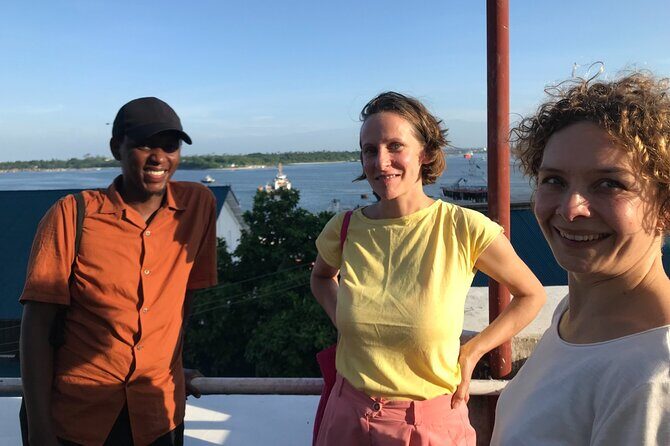
Two stops shift the mood from heritage to present-day Dar. Mlimani City Mall is a modern shopping and leisure area, with retail stores, restaurants, a supermarket, and a food court. It’s a good reset point if the markets and museums have you tired and you want air-conditioned comfort.
Then the University of Dar es Salaam stop offers a glimpse of Tanzania’s academic side. You’ll see a large institution with faculties, research centers, libraries, classrooms, and laboratories, plus sports facilities. Even with only about 30 minutes, it’s enough to understand the campus as a living hub, not just a building.
What I like about including these two stops is that they keep the tour from feeling like a museum-only day. You see how Dar functions now—shopping, eating, studying—so the past doesn’t float in isolation.
Kariakoo Market: Everyday Commerce Done for Real
Kariakoo Market is one of Dar’s best “how people live” snapshots. You’ll find stalls with fresh produce, spices, clothing, household goods, and local crafts. Expect lively trading, colorful displays, and plenty of bargaining energy.
This stop runs about 30 minutes, which is enough to walk the main areas and get oriented without turning it into a shopping test. If you’re the type who hates crowds, go slow, keep your attention moving, and don’t feel pressured to buy anything.
Also, because this market is a key contrast with the museums and churches, it gives you a full-circle feeling. You go from colonial buildings to living trade, and it keeps the day grounded.
Coco Beach: The Peaceful Finish with Indian Ocean Views
After a full day of city culture, Coco Beach gives you a coastal breather. This is a popular sandy stretch along the Indian Ocean where you can relax, swim, and possibly look into water activities like jet skiing or boat rides. There are beachside restaurants, bars, and snack vendors nearby, so you can keep it easy and not rush out the door.
This stop is a great choice for wind-down because it changes your pace. You’ve been inside museums and between buildings; now you’re letting the open air do the work.
Two practical considerations: sun exposure adds up across a long day, and beach time can mean sandy shoes and saltwater rinse needs. If you plan to swim, keep an eye on how much time you actually want to spend on the sand versus the ocean.
What $145 Gets You (and Where It’s Smart to Spend Energy)
At $145 per person for a private 7-hour tour, the real question is: what’s included that saves you hassle?
Here’s what’s covered:
- Lunch plus soda/pop and bottled water
- Air-conditioned vehicle and onboard WiFi
- All fees and taxes
- Admission tickets at each listed stop
- Pickup is offered
- Mobile ticket
You’re also paying for a driver-guide setup that handles the route, so you don’t have to coordinate between Old Boma, multiple museums, craft markets, and religious sites. That’s the big value. In a city like Dar es Salaam, time and logistics matter.
What’s not included: alcoholic beverages. If you want beer or cocktails, budget extra.
One more practical point: vehicle comfort. The tour includes an air-conditioned vehicle, but a past group reported the AC was broken and waiting in traffic felt hot. That’s not something you can control, but you can manage it by asking early and keeping your patience hat on.
Should You Book This Private Tour?
You should book this tour if you want a well-planned snapshot of Dar es Salaam that covers architecture, markets, museums, and crafts in one day—without having to map everything yourself. It’s especially good for first-timers who want context fast, and for history or culture fans who don’t mind a schedule with short stop windows.
It might not be your best fit if you want long, slow time in fewer locations. The day moves through many stops, so you’ll need to enjoy variety over deep, lingering study. And if you’re very sensitive to heat or noise, plan ahead—markets and traffic can be part of the experience.
If you do book, bring comfortable shoes, keep water expectations realistic even with bottled water provided, and ask your guide what order they recommend for your interests—museums, art, or markets—so you can steer your time within each stop.
FAQ
Is lunch included in the tour?
Yes. Lunch is included, along with soda/pop and bottled water.
Does the price include admission tickets?
Yes. Admission tickets are listed as included for the stops in the itinerary, and the tour also states all fees and taxes are included.
Is pickup available?
Pickup is offered.
Is this tour private?
Yes. It’s a private tour/activity, so only your group participates.
How long is the tour?
It’s about 7 hours.
What’s included in the vehicle?
You’ll travel in an air-conditioned vehicle, and WiFi is available on board.
Are alcoholic drinks included?
No. Alcoholic beverages are not included.
Cancellation and weather
What happens if the weather is poor?
The tour requires good weather. If it’s canceled due to poor weather, you’ll be offered a different date or a full refund.
Can I cancel for a full refund?
Yes. You can cancel up to 24 hours in advance for a full refund. Canceling less than 24 hours before the experience’s start time doesn’t get refunded.