REVIEW · ARUSHA
9-Days High End Road and Air Kenya Safari
Book on Viator →Operated by Gosheni Safaris (T) Limited · Bookable on Viator
A Kenya safari that uses both road and air can feel like getting extra hours of wildlife. You start with a flight from Nairobi’s area into the Kilimanjaro region, then you move through parks in a way that reduces long overland transfers and keeps your days focused on game drives, not just getting there. I especially like the all-inclusive approach here: entrance fees, taxes, and fuel surcharges are handled, and meals are taken care of as part of the safari routine.
Two big wins for me are the pop-up-roof vehicle setup for serious viewing and the way the itinerary mixes classic big-game country with quieter nature time at Lake Naivasha. One drawback to plan around: this is a safari with rough-road reality, and you’ll want a moderate fitness level for the days that are road-heavy and bumpy.
In This Review
- Key Things to Know Before You Go
- Why a Road-and-Air Kenya Safari Makes More Wildlife Possible
- Nairobi to Amboseli: Kilimanjaro Airstrip Handoff and First Game Drives
- Full-Day Amboseli: Elephants, Swamps, and Giant-Scale Savannah
- Flying to the Masai Mara: Wide-Open Savanna Energy
- Masai Mara Days 4 and 5: Dawn Drives, Bush Breakfast, Stars, and Optional Culture
- Lake Naivasha Day 6: Boat Time and Crescent Island at Your Pace
- Thomson Falls Stop and Ol Pejeta Sanctuary with Chimpanzees
- Ol Pejeta Day 8: Equator Photos and a Full Day of Game Drives
- Ol Pejeta to Nairobi: Straightforward Ending at JKIA
- Price and Logistics: What $8,179.49 Buys You
- Vehicles, Comfort, and the Moderate-Fitness Reality
- Guides You’ll Want to Count On: Names That Show Up in Real Feedback
- Who This Safari Fits Best (and Who Might Rethink It)
- Should You Book This 9-Day High-End Road and Air Kenya Safari?
- FAQ
- What’s included in the safari cost?
- Do you get free hotel pickup and drop-off?
- How is transportation handled during the safari?
- Are park entrance fees included?
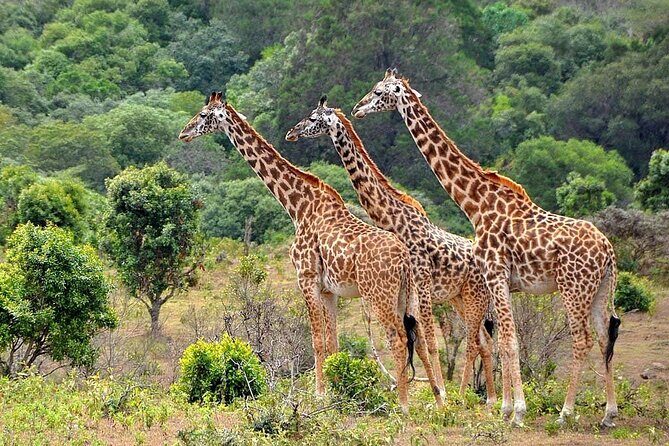
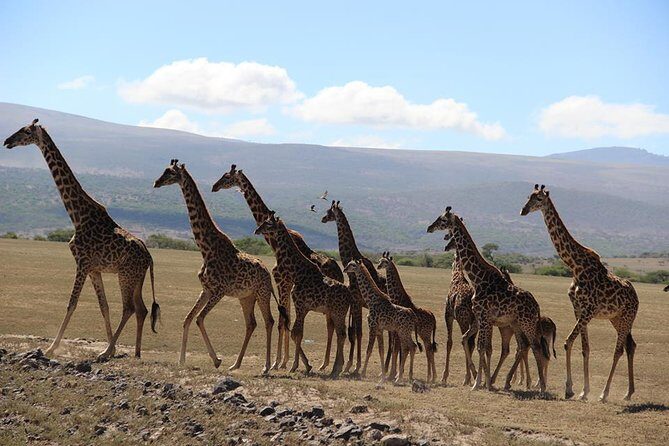
- What wildlife or parks will I see?
- Are optional activities included?
- What are the requirements for children?
- Is there a deadline for cancellation?
Key Things to Know Before You Go
- All-inclusive costs inside the safari: entrance fees and key park costs are included, which makes budgeting easier.
- Road + air timing: flights help you cover more parks without draining the trip with nonstop driving.
- Pop-up roof viewing: you’re set up for better sightlines during game drives.
- Small group limit (max 7): easier for everyone to settle into the pace and keep the experience flexible.
- Ol Pejeta adds conservation meaning: chimp sanctuary visit and the equator photo moment are built in.
- Optional activities cost extra: balloon rides, Maasai village visit, Naivasha excursions, and walks aren’t included.
Why a Road-and-Air Kenya Safari Makes More Wildlife Possible
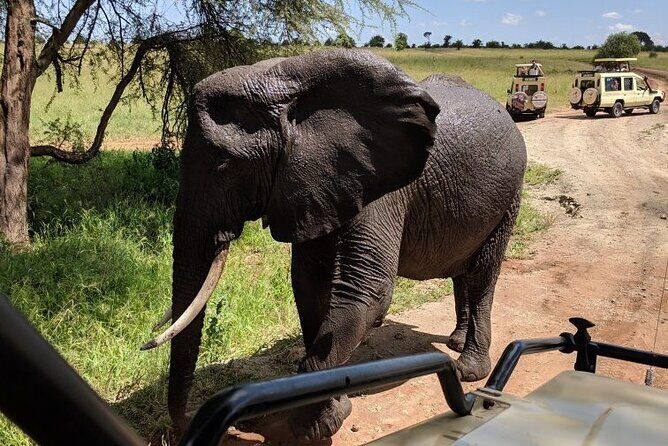
This kind of itinerary is built for people who want variety without wasting prime morning light in traffic. When you fly between areas, you keep the schedule tighter for dawn and early daytime game drives, which is usually when animals are most active. It also means less time sitting in a vehicle grinding through long distances.
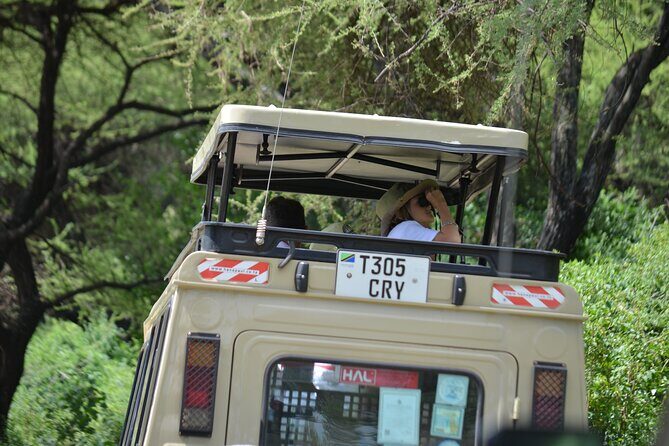
On the ground, you’re not stuck in a cramped ride either. Your safari transport is described as a custom-built 4×4 safari cruiser or a minibus, with a pop-up roof for better wildlife viewing and photography. That matters because in open savannahs, the best sightings can appear quickly, and you’ll want clear sightlines.
One more practical point: this tour has a maximum group size of 7 travelers. Smaller groups can feel calmer, and your guide can often react to opportunities in real time, like adjusting where you wait for a sighting.
A few more Arusha tours and experiences worth a look
Nairobi to Amboseli: Kilimanjaro Airstrip Handoff and First Game Drives
Day 1 starts with a meet-and-greet at JKIA, then a transfer to Wilson airport for your scheduled flight. You land at the airstrip in the Kilimanjaro area and transfer to your lodge for a hot lunch. After that, you’re on for an afternoon game drive.
What I like about this opening is that it gets you into the savannah rhythm fast. You’re not spending the day just settling in—you’re already searching for wildlife the same day you arrive. Amboseli is one of those parks where “first views” can be memorable even before the day is over.
Also, this is a road-and-air structure, so you should expect a day that includes both transit and viewing. If you’re the type who prefers a slow start, you might want to treat Day 1 as a transition day: hydrated, ready for dust and sun, and ready for a late-afternoon push.
Full-Day Amboseli: Elephants, Swamps, and Giant-Scale Savannah
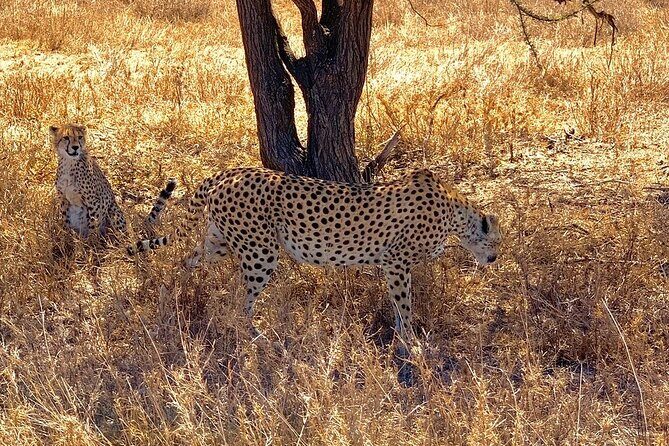
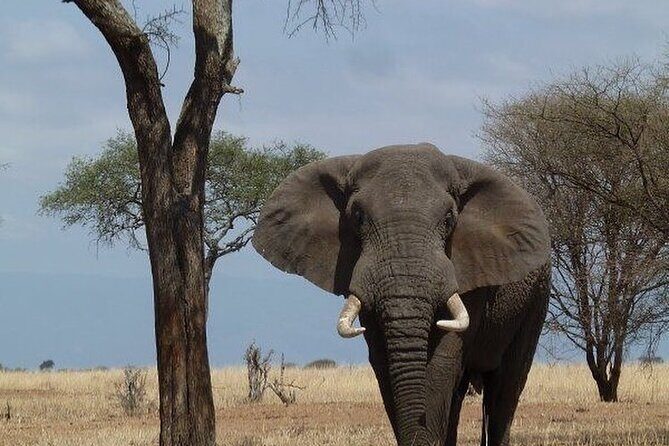
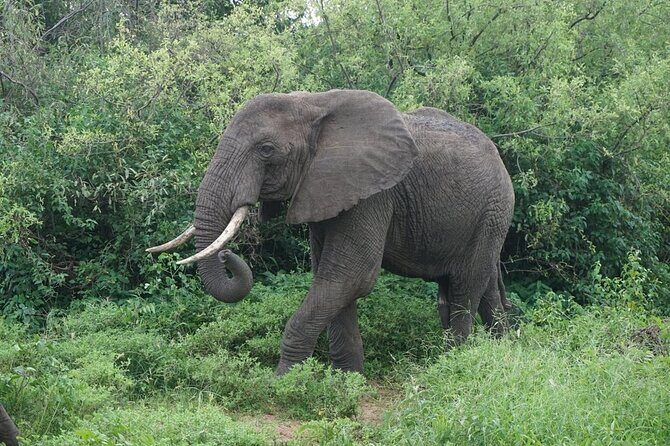
You get a full day in Amboseli, and it’s the kind of park that rewards patience. The description points out Amboseli’s vast plains and the famous elephant herds, including impressively tusked bulls. What makes Amboseli feel special is the balance of open sky, wide views, and the chance to watch herds move through different habitats, including the swampy areas where elephants concentrate.
If you care about photography, Amboseli’s setting is usually a win. Even when animals aren’t right in front of you, the park layout helps you see where they’ll likely come into frame. It’s also a place where you can enjoy the mood of the landscape without needing constant action, because the scale does part of the storytelling for you.
One consideration: game viewing is never a guarantee of specific animals, but elephants are a strong theme here. I’d pack your camera strategy for close-up behavior rather than only for portraits—watch how groups interact, how they move toward water, and how they react when other animals enter the area.
Flying to the Masai Mara: Wide-Open Savanna Energy
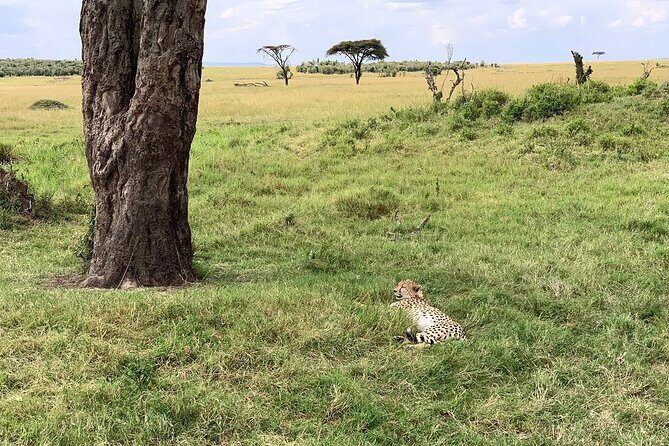
On Day 3 you fly from the Amboseli airstrip to the Masai Mara. After landing, you’re met by your guide and you head straight out on your first game drive in the Mara’s wide-open savannah.
The Masai Mara tends to feel different from Amboseli right away: it’s more “action horizon” than “single-animal moment.” You’re in a region known for big cat country, and it’s also teeming with antelope such as wildebeest and Thomson’s gazelles. That mix of prey animals is what creates the drama—predators have more opportunities, and sightings can build through the day.
Practical tip for Day 3: plan for a rhythm of early searching, then longer viewing stops. If your body is sensitive to time changes or early starts, you might feel it more on this fly day. Stick with water, sun protection, and a calm pace. The Mara rewards steady attention.
Masai Mara Days 4 and 5: Dawn Drives, Bush Breakfast, Stars, and Optional Culture
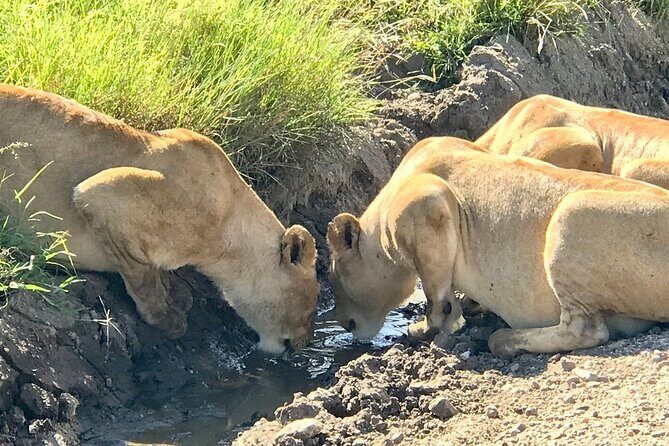
Days 4 and 5 are built around classic Mara rhythm: dawn game drives and mornings when the savannah seems to wake up all at once. The itinerary also includes a bush breakfast, served while you’re surrounded by African wildlife. That’s one of those experiences that isn’t just food—it’s location. You’re eating in the middle of the ecosystem, not next to it.
Then there’s the star gazing. The description calls out an unpolluted sky, which is exactly what you want in places far from city light. Even if you’re not a “constellations person,” the sky here can be a wow factor after long days outdoors.
You also have optional add-ons. You can consider a hot air balloon ride in the early morning, or visit a local cultural Maasai village to learn about how the Maasai live alongside wildlife. Those are extra-cost activities, so decide based on your budget and your interest in cultural context versus pure wildlife time.
My advice: if you’re only choosing one optional activity, go with the one that matches your safari goal. If you want aerial views and a different scale, choose the balloon. If you want people-and-place understanding, choose the Maasai village visit.
Lake Naivasha Day 6: Boat Time and Crescent Island at Your Pace
On Day 6 you leave Masai Mara after breakfast and drive to Lake Naivasha, arriving in time for lunch at the lodge. Lake Naivasha is a freshwater lake northwest of Nairobi, outside the town of Naivasha.
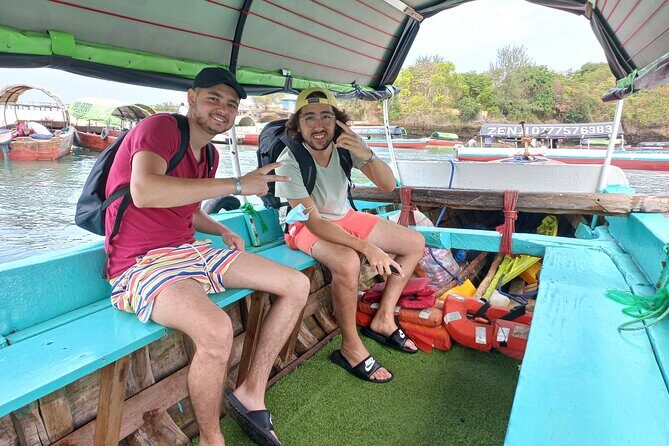
This is the tonal shift in the itinerary: from grassland hunting energy to lake edges and quieter water life. Activities are described as boat rides, a trip to Crescent Island, hiking and biking, guided walks, and more, but the important detail is that these are at extra cost and can be arranged.
If you want value, this day is a chance to pick one or two lake experiences rather than trying to do everything. A boat ride or a Crescent Island visit can deliver a change of scenery without turning the day into a constant scramble.
Also, pack for a lake day. You’ll likely deal with humidity and sun, and your lodge plans matter for timing. This is one of those days where you’ll benefit from checking what time you’ll head out and how much walking you’re comfortable with.
Thomson Falls Stop and Ol Pejeta Sanctuary with Chimpanzees
Day 7 turns the road into a storytelling route. You drive from Lake Naivasha toward Ol Pejeta via Nyahururu, with a stop at Thomson Falls. You arrive in time for lunch at the Ol Pejeta House, then you head out later for an afternoon game drive at 1600 hrs, including a visit to the Chimpanzee Sanctuary.
This is one of the reasons I’d recommend the itinerary to people who want more than the standard park checklist. Ol Pejeta is known for conservation-focused experiences, and the inclusion of chimp sanctuary time adds meaning beyond just seeing wildlife.
Thomson Falls also breaks up the drive. Even if you only have a short stop, it’s a chance to stretch, see water at the right season, and reset your eyes before you go back into game viewing.
Possible drawback: road days can feel long. That’s especially true when you factor in stops. Bring snacks if your plan allows it, and keep your expectations flexible. The afternoon game drive start time means you’ll likely spend the middle of the day transitioning, which is normal on safari routes.
Ol Pejeta Day 8: Equator Photos and a Full Day of Game Drives
Day 8 is a full day of game drives in Ol Pejeta. The itinerary includes a quirky, memorable photo moment: the Equator is marked in the eastern sector of the conservancy near Rongai Gate, so you can get your feet on opposite sides of the Earth.
That detail is actually useful for pacing. It gives you a break from pure driving without leaving the conservancy vibe behind. Then you go right back into wildlife time.
Ol Pejeta also fits nicely with the “high-end” promise of this trip. The conservation environment tends to feel managed, with wildlife viewing focused on quality encounters. Even though the schedule is wildlife-heavy, you’re also getting a specific, memorable add-on (the equator) that makes the day feel personal.
If you’re traveling with someone who likes both photos and animals, this is a great day to keep the camera ready but also keep your head up. You’ll remember the moments more than any single photo.
Ol Pejeta to Nairobi: Straightforward Ending at JKIA
On Day 9 you do a morning breakfast and depart by road for Nairobi. You arrive and transfer to JKIA for onward flights.
The final day usually matters more than people think. You’ll want the safari to finish smoothly because after multiple days outdoors, you’re ready to decompress. This itinerary’s structure is simple: one last drive, then you’re back at the airport.
One practical note: confirm your transfer timing with your operator. With road travel in and out of Nairobi, timing can shift depending on traffic, and you don’t want a last-minute sprint. Build in a little buffer for check-in and security.
Price and Logistics: What $8,179.49 Buys You
At $8,179.49 per person for 9 days, this isn’t the kind of safari you book on a whim. You’re paying for a lot of “already handled” pieces: full board during the safari, airport transfers as laid out in the itinerary, professional English-speaking guiding, park entrance fees, and included taxes plus fuel surcharges.
That cost structure matters. If you try to assemble a safari yourself, it’s easy for entrance fees, park charges, and transport changes to quietly inflate the price. Here, those are part of the package, so you can compare options more fairly.
The other value driver is the road-and-air mix. Flights between parks cost real money, but they also reduce wasted time. If you care about seeing multiple regions—Amboseli, the Mara, Naivasha, and Ol Pejeta—this model can be more efficient than an all-road safari.
My one caution is to double-check what transport style you’ll get in each section. The inclusion notes mention custom vehicle types and also say private usage in some areas while other parts may use shared vehicles. The itinerary calls out specific parks, so ask your operator to clarify vehicle type for each park segment before you pay final travel costs.
Vehicles, Comfort, and the Moderate-Fitness Reality
This tour uses safari transport with pop-up roof seating for maximum game viewing. You’ll also have a professional English-speaking driver/guide. That combo is ideal for spotting. A guide who knows where to look can turn hours of “drive and hope” into strategic viewing.
Still, “high-end” doesn’t mean “easy.” The trip description calls for moderate physical fitness, and the itinerary includes rough-road travel and a mix of early starts, waiting for animals, and road stops like Thomson Falls. You should pack for long days outdoors, not hotel comfort.
For best comfort, wear breathable layers, bring a hat and sunscreen, and plan for dust control. Even when your vehicle is comfortable, your eyes and skin will feel the environment quickly.
Also, this safari caps at 7 travelers, which can improve comfort. You spend less time negotiating group pace and more time watching. It’s a small but real difference.
Guides You’ll Want to Count On: Names That Show Up in Real Feedback
One of the best signals you can get when booking a guided safari is consistency in service quality. In feedback for this operator, guides and consultants are highlighted by name, which makes it easier to trust the team.
Calvin Laban is mentioned as professional and accommodating, even adjusting schedules and amenities to fit needs. Ephraim and Fidelis also show up in high ratings, with comments about their experience and getting animals close for better viewing. On the planning side, Cookie is mentioned as patient and quick to respond, including adjusting an itinerary according to needs.
I can’t guarantee which person you’ll get on your exact dates. But the names that repeatedly appear in feedback are a strong sign that the operator leans on real safari professionals rather than a rotating cast.
Who This Safari Fits Best (and Who Might Rethink It)
This itinerary is a strong fit if you want a classic Kenya combo: elephants in Amboseli, big-game focus in the Masai Mara, a calm nature break at Lake Naivasha, and conservation-forward Ol Pejeta. It also fits if you like the idea of a managed schedule where entrances, taxes, and key logistics are handled for you.
It may be less ideal if you hate early starts, motion from road travel, or you want total free time to wander independently. Even with a well-built plan, safaris still run on animal timing and road conditions.
If you’re traveling as a couple or with friends who like shared viewing and want a small-group pace, this is a comfortable target. The maximum of 7 travelers keeps things social without turning it into chaos.
Should You Book This 9-Day High-End Road and Air Kenya Safari?
I’d book it if your priorities are wildlife variety, high-end handling, and not having to micro-manage park fees and transfers. The road-and-air structure is built for efficient viewing, and Ol Pejeta adds conservation depth plus memorable moments like the chimp sanctuary and equator stop.
Don’t book it blindly if you’re extremely sensitive to bumpy road travel or if you’re allergic to optional extra costs. Several of the most fun-sounding add-ons at Lake Naivasha and the Mara are extra cost, so decide what you want before you arrive.
Also, there’s a small sanity-check to do: the tour summary references Arusha, Tanzania, but the itinerary clearly starts in Nairobi with JKIA and Wilson airport steps. Before you commit, confirm exactly where your first pickup happens and which airports your flights connect through.
If that alignment checks out, you’re looking at a well-paced safari that balances big-game intensity with two special nature breaks.
FAQ
What’s included in the safari cost?
The safari includes airport transfers as specified in the itinerary, full board on safari and bed, on-safari transport with a professional English-speaking driver/guide, safari guide services, and all taxes, fuel surcharges, service fees, and entrance fees.
Do you get free hotel pickup and drop-off?
Yes. The tour includes free hotel pickup and drop-off as part of the experience.
How is transportation handled during the safari?
You use custom-built safari transport (4×4 safari cruiser or safari minibus) with a pop up roof for game viewing. The vehicle style can vary by segment, with notes about private usage in Loldia and Olpajeta only and shared vehicle use in other listed areas.
Are park entrance fees included?
Yes. Entrance fees are included.
What wildlife or parks will I see?
You’ll visit Amboseli, Masai Mara, Lake Naivasha, and Ol Pejeta Sanctuary, with activities including game drives, boat rides or lake excursions at your discretion (extra cost), and a chimpanzee sanctuary visit.
Are optional activities included?
No. Optional activities are listed as extra cost, including a hot air balloon option and cultural Maasai village visit in the Mara, plus Lake Naivasha excursions.
What are the requirements for children?
Children must be accompanied by an adult, and the minimum age is 5 years.
Is there a deadline for cancellation?
Yes. Free cancellation is available up to 24 hours in advance of the experience start time for a full refund.