REVIEW · ARUSHA
5 Days Northern Tanzania Safari- Lodging
Book on Viator →Operated by Afrishare Trekking and Safaris · Bookable on Viator
Big game in five days, no guesswork.
I like the value here: park fees and lunch are built in, and the route hits the big northern highlights without a long, complicated trek plan. I also like the support system—you’re traveling in a newer safari vehicle with a fridge, radio-call communications, and charging, plus 24/7 guide and office backup. One thing to consider: this is a compact circuit with multiple parks and one cultural day, so your schedule can feel full rather than slow and lazy.
This safari starts from Arusha and runs about 5 days, with pickup offered and a mobile ticket to keep things simple. The operator also states a 100% guarantee departure, which matters when you’re trying to lock in your vacation dates.
In This Review
- Key things I’d watch for before you go
- 5 days Northern Tanzania: what $2,080 buys you (and what it doesn’t)
- Arusha pickup and a modern safari vehicle: comfort that actually matters
- Tarangire National Park: baobabs, birds, and game around the Tarangire River
- Serengeti days 2 and 3: migration country and huge herds
- Ngorongoro Conservation Area and the crater: where density is the headline
- Mto wa Mbu cultural day: adding people to the safari story
- Lodging and meals: clean comfort that supports long days
- Guides and operations: why communication is part of the experience
- Who this safari fits best (and who should rethink it)
- Should you book this 5-day Northern Tanzania Safari?
- FAQ
- What is included in the tour price?
- Are national park fees and lunch included?
- Do you offer pickup from Arusha, and is there a mobile ticket?
- Is this safari private or shared with other groups?
- Can I cancel for a full refund?
- Is this safari suitable for children?
Key things I’d watch for before you go
- A fast Northern Circuit: Tarangire, Serengeti (two days), Ngorongoro, then Mto wa Mbu in a short window.
- Comfort during long drives: the vehicle includes a fridge, radio-call communication, and charging.
- Real behind-the-scenes help: 24/7 guide support and office support are part of the package.
- Your own group, your own pace: it’s a private tour, so you’re not stuck with random strangers’ timing.
- Food and parks are included: lunch is included, and park fees are covered. Alcohol and souvenir photos are extra.
5 days Northern Tanzania: what $2,080 buys you (and what it doesn’t)
At $2,080 per person, this safari sits in the “serious trip” category—so you want to feel that the money goes toward the essentials. Here, the inclusions do a lot of the work for you: 4 nights accommodation, national park fees, lunch, a professional guide, and a private tour. That means you’re not constantly doing math in your head while you’re trying to enjoy the ride.
Also, this tour is set up to reduce friction. You get pickup, and the mobile ticket helps with check-in flow. The operator even advertises a 100% guarantee departure, which is a practical deal for anyone who hates uncertainty when planning time off.
What isn’t included is pretty clear: alcoholic drinks (you can buy them) and souvenir photos. If you like sundowners with your safari stories, budget for drinks. If you’re the type who buys photo packages, plan extra money there too.
A few more Arusha tours and experiences worth a look
Arusha pickup and a modern safari vehicle: comfort that actually matters
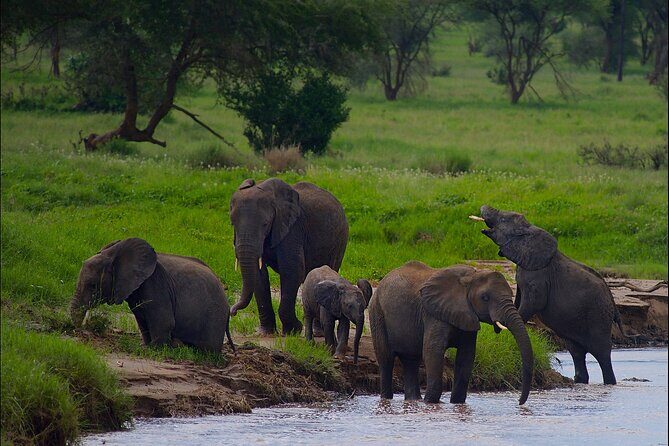
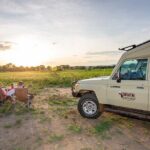
Safari drives can be long, bumpy, and dusty. So I’m glad this package includes a “latest” safari vehicle with a fridge, radio-call telecommunications, and a charging system. That might not sound romantic, but it helps you stay sane—especially on days where you’re searching for animals and waiting for the right moment.
The radio-call communication is also a big deal. It helps the team coordinate and stay responsive when sightings happen or road conditions change. And if you’re traveling in a group that includes non-English speakers, the tour highlights a driver-guide available in your language—so you don’t miss key info about what you’re seeing.
Finally, there’s 24/7 guide support and office support. That’s useful when you’re in a remote area and you want someone to handle issues quickly instead of letting things stew.
Tarangire National Park: baobabs, birds, and game around the Tarangire River
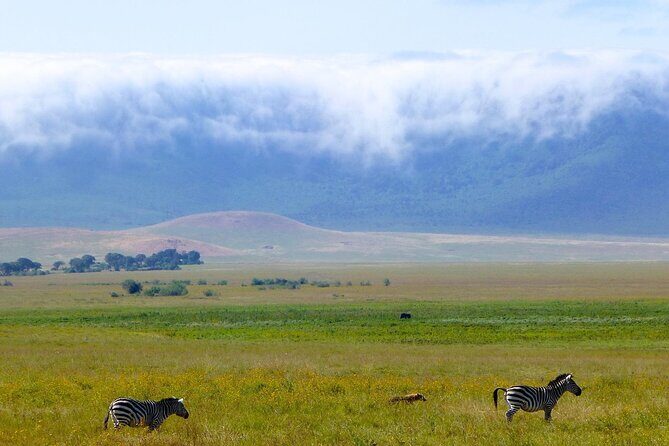
Your first major stop is Tarangire National Park, a place people often link with birding, but it’s also prime for classic safari animals. The big theme here is water. During the dry season, the Tarangire River becomes a magnet, so you’re more likely to see animals gathering in a concentrated way.
The other Tarangire feature you’ll notice immediately is the scenery detail—especially the abundance of baobab trees. Even if you’re not a “photo-only” traveler, baobabs give you something to look at when the animals are resting or when you’re waiting for movement.
What I like about this first night at Twiga Lodge is that it sets you up for the next days. After a day of driving and spotting, you want clean comfort without drama. Tarangire can be a strong warm-up, because you’ll learn your guide’s style and you’ll get your safari eyes working.
Possible drawback to keep in mind: Tarangire can feel different depending on season. If it’s a wetter period, you may see more spread-out wildlife than the dense dry-season gatherings.
Serengeti days 2 and 3: migration country and huge herds
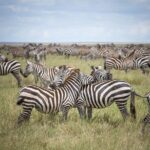
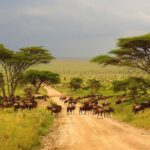
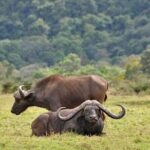
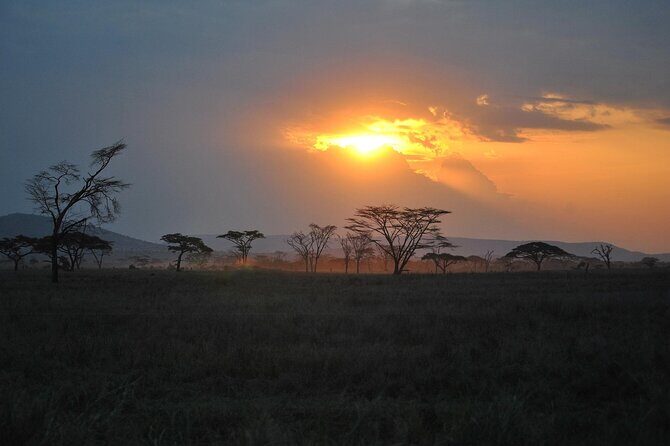
Then you move into Serengeti National Park for two days, with an overnight at Robin Tented Camp / Osero Tented Camp. Serengeti is famous for huge herds—especially gnu (wildebeests), gazelles, and zebras—and for the fact that massive migrations still happen here. In other words, you’re in the real deal, not a theme-park version of Africa.
These two days are valuable because Serengeti rewards patience. You might start one day seeing one style of action—animals near a water source or moving along routes—and on the next day you can catch different groups. Two full days also give your guide flexibility to adjust to where animals are feeding and moving.
One practical thing: Serengeti is large, so your guide’s ability to make good choices matters. You’ll want a guide who can translate the landscape into animal predictions—like where herds tend to funnel and which directions are most promising. The tour notes professional English-speaking driver-guide support (or a language to match your group), which is exactly what helps you understand what you’re seeing instead of just watching from the window.
Possible drawback: Serengeti sightings aren’t guaranteed in the same way every hour is. Even with a great vehicle and a good guide, wildlife is wildlife—sometimes you’ll get action, sometimes you’ll get watching and waiting. Two days helps smooth that out.
Ngorongoro Conservation Area and the crater: where density is the headline
Day four lands you in the Ngorongoro Conservation Area, and the highlight is a crater view into one of Africa’s most concentrated wildlife zones. Ngorongoro is formed by volcanic craters and sits above some of the richest grazing grounds in the region. The crater itself is described as the world’s largest intact volcanic caldera and home to the highest density of big game in Africa.
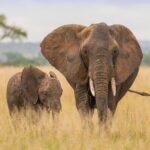
When you hear “high density,” think: more chances to see multiple animal types close together. Instead of searching for one species across endless distance, you’re more likely to find a range of sightings in a compact area—lions, elephants, and other large mammals depending on what the day brings.
Your overnight here is Lilak Elevate. Lodges in this region can vary a lot, so it helps that the package emphasizes clean and “luxury accommodations.” On safari, that’s code for practical comfort: a place to recharge at night, clean bathrooms, and sleeping arrangements that don’t drain your energy before tomorrow’s game drive.
Possible drawback: the crater experience can be intense in terms of focus and pacing. If you’re the type who likes slow sightseeing and long photo stops without moving, you might find yourself concentrating more than you expected.
A few more Arusha tours and experiences worth a look
Mto wa Mbu cultural day: adding people to the safari story
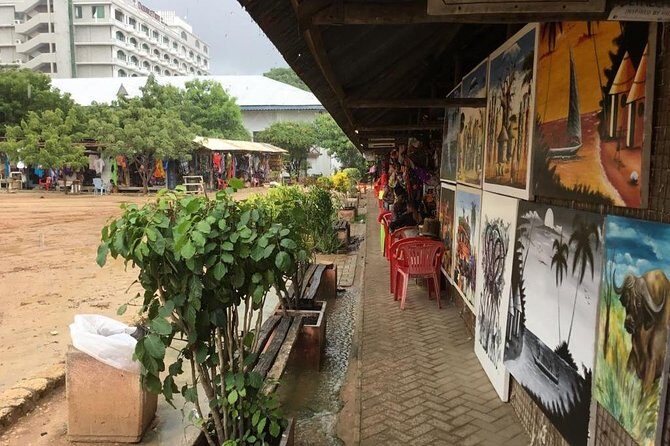
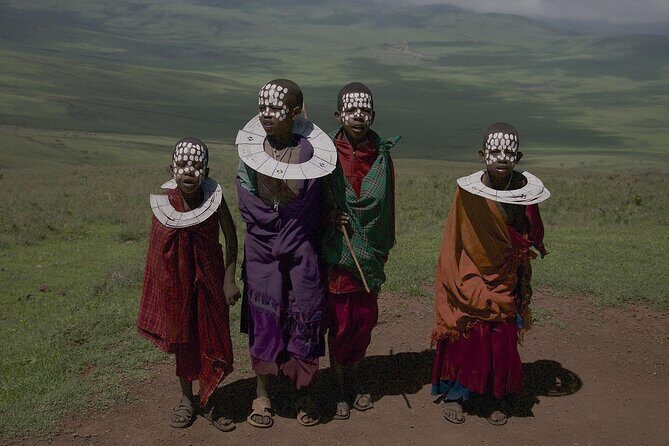
Your final day includes Mto wa Mbu, described as a cultural experience. This is a smart balance after big parks. You get to shift from animals-as-nature to animals-in-the-larger-world—how people live alongside the conservation and tourism systems that shape this region.
The tour doesn’t spell out a specific activity like a market tour versus a village walk, so I’d treat this day as a flexible cultural program rather than a fixed checklist. Either way, the payoff is usually perspective: you learn what life looks like beyond the game drive and you get a better sense of local daily rhythm.
Possible drawback: cultural days can vary in how personal they feel depending on the guides and the group. If you care deeply about authenticity, ask your guide what your day will include before you lock in your mindset. A good guide can help you frame what you’re seeing so it doesn’t feel like a quick stop.
Lodging and meals: clean comfort that supports long days
The package promises “clean and luxury accommodations” and says meals are handled in a way that can make you feel at home. In practice, that means you should expect better rest than you’d get from basic camping, especially over multiple days.
You also get lunch included, which is a big value add on safari. Lunch can be one of those hidden costs when it’s not included—so having it covered helps you budget for what you actually care about (maybe drinks, tips, or extra photos).
For lodging, the specific overnights listed are:
- Twiga Lodge (Tarangire)
- Robin Tented Camp / Osero Tented Camp (Serengeti, two nights)
- Lilak Elevate (Ngorongoro)
If you’re curious, tented camps can be a great middle ground: you get that safari feel without giving up real beds. But you’ll still want to bring what you need for comfort—like layers for cool morning and evening air—since this part of Tanzania can feel chilly at times.
Guides and operations: why communication is part of the experience
Safari quality isn’t only about where you go. It’s about how your day runs when wildlife is unpredictable. This tour emphasizes professional guide support, and the guide roster names you might hear include Moses, Rama, Atif, and Yona—with Ibrahim being mentioned as a key organizer behind the scenes.
That kind of team consistency matters. If your guide knows how to read animal movement, and if your driver is comfortable coordinating within park rules and road conditions, you spend more time in the “this is happening right now” zone.
It also helps that the operation offers office support and 24/7 guide backup. That’s not just for emergencies; it’s for keeping things organized so you don’t get stuck waiting around when timing matters.
Who this safari fits best (and who should rethink it)
This 5-day northern safari is a strong match if you want a classic route—Tarangire, Serengeti, Ngorongoro—without building your own logistics from scratch. It’s also a good choice for couples and small groups who value private touring and a guide who can adjust to your interests.
You might especially like it if:
- You want park fees and lunch included, so your money goes toward the experience, not paperwork.
- You care about comfort during long drives (fridge, radio comms, charging).
- You like the idea of ending with a cultural day in Mto wa Mbu, not just another park morning.
You might want to rethink the fit if:
- You prefer a slow trip with lots of free time and minimal driving. This itinerary is built to pack several regions into a short window.
- You’re expecting alcohol to be included. It’s available, but it’s not part of the price.
Should you book this 5-day Northern Tanzania Safari?
If you want a well-supported northern circuit and you don’t want to negotiate the details yourself, I think this is a smart book. The inclusions are strong for the price—4 nights lodging, park fees, lunch, and a private professional guide—and the vehicle comfort plus 24/7 support makes the trip feel more controlled than a DIY safari plan.
Before you book, do two quick checks:
- Confirm what cabin/tent style and room setup you’ll get at Twiga Lodge, Robin/Osero Tented Camp, and Lilak Elevate (the names are listed, but specific room details aren’t).
- Budget for alcohol and souvenir photos, since those are explicitly extra.
If those boxes work for you, you’ll likely enjoy a trip that balances big-safari moments with real cultural context.
FAQ
What is included in the tour price?
The tour price includes 4 nights accommodation, national park fees, lunch, a professional guide, and a private tour.
Are national park fees and lunch included?
Yes. National park fees and lunch are listed as included.
Do you offer pickup from Arusha, and is there a mobile ticket?
Yes, pickup is offered, and the tour uses a mobile ticket.
Is this safari private or shared with other groups?
It’s a private tour/activity, meaning only your group participates.
Can I cancel for a full refund?
Yes. You can cancel up to 24 hours in advance for a full refund. If you cancel less than 24 hours before the start time, the amount paid will not be refunded.
Is this safari suitable for children?
Child rates apply only when sharing with 2 paying adults, and children must be accompanied by an adult. The tour also states that most travelers can participate.