REVIEW · ARUSHA
5 Day Tanzania Safari
Book on Viator →Operated by Altezza Travel · Bookable on Viator
Three parks, one big safari goal. This 5-day Northern Tanzania circuit strings together Tarangire, Ngorongoro Crater, and Serengeti so you’re hunting animals across very different habitats without burning days on transfers. With five full days of game drives, it’s built for people who want strong odds at the Big Five and a lot of wildlife time overall.
I especially like two things about this trip. First, the park combination is a practical way to keep your sightings chances high, since you’re not betting everything on one area. Second, the trip feels well bundled for the price: your guide, vehicle, park fees, safari drinks, and meals are included, plus there’s AMREF Flying Doctors air ambulance coverage.
One consideration: you’ll start early (the usual 7:30 AM start) and spend long stretches in the jeep, and the convenience features aren’t perfect—Wi‑Fi is only available in about 60–75% of areas. Also, tips for your guide aren’t included, so plan for that extra cost.
In This Review
- Key takeaways before you go
- Why Tarangire, Ngorongoro, and Serengeti is a winning mix
- The 5-day flow: what each day feels like on the ground
- Day 1: Tarangire National Park game drive (start early, settle in fast)
- Day 2: Ngorongoro Crater descent and crater viewing (density, scenery, a break by the lake)
- Day 3: Serengeti central (Seronera) + visitor center or camp reset
- Day 4: Central Serengeti again (kopjes photos and Simba Rock vibes)
- Day 5: Serengeti plains and the UNESCO big-picture finish
- Vehicle and comfort: what the Land Cruiser setup changes for you
- The price question: what $3,472 is really paying for
- Guides, service, and the human details that show up
- How to get better sightings (without turning the day into chaos)
- Who this safari is best for (and who might rethink it)
- Should you book Altezza Travel’s 5-day Northern Tanzania safari?
- FAQ
- What time does the safari start?
- Where does the tour begin?
- Which parks are included?
- How long is the safari?
- Is park entry included?
- What vehicle do you use?
- What meals are included?
- Is Wi‑Fi available?
- Are tips included?
- What is the cancellation window for a refund?
Key takeaways before you go
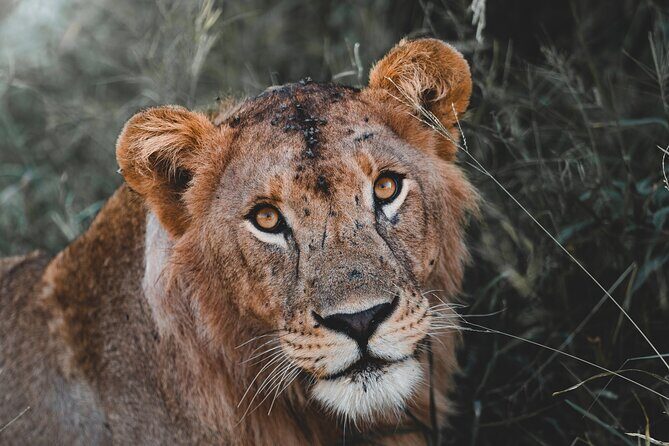
- Three parks in five days: you get repeated chances to see elephants, lions, leopards, and more in different settings
- Pop-up roof Land Cruiser + safari comforts: cold drinks, coffee/tea, power sockets, and binoculars help you enjoy long drives
- Ngorongoro is a density play: the crater environment puts lots of animals close together
- Serengeti timing matters: central park drives plus late-day sightseeing for that golden-hour light
- Solid human factor: guides and trip staff get repeatedly praised by name in real-world feedback
- Good value controls the stress: park fees and meals are included, so fewer “surprise” charges
Why Tarangire, Ngorongoro, and Serengeti is a winning mix
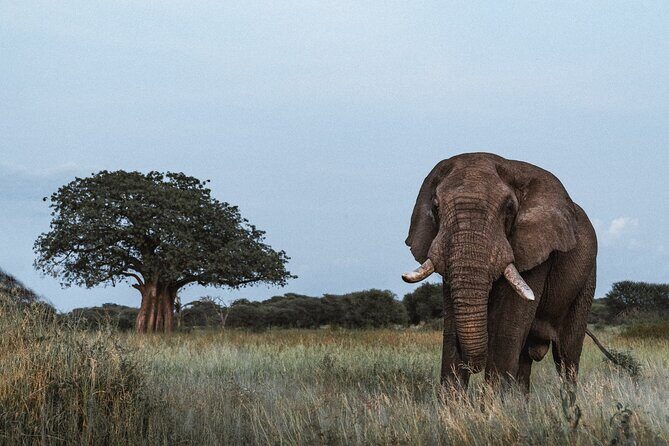
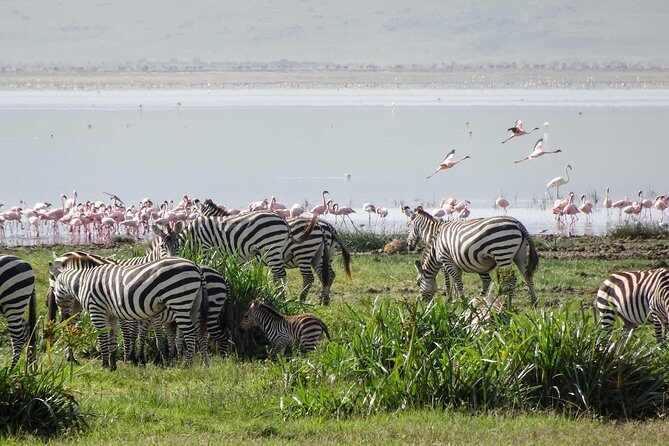
If your main goal is seeing big wildlife in Northern Tanzania, this route makes sense. Tarangire gives you your first full day of game drive time. Ngorongoro Crater then adds a totally different kind of viewing—when you drive down into the crater, you get the chance to see huge numbers of animals close together. Serengeti finishes the story with broad savannah energy and the kind of scene you remember long after the photos fade.
The big benefit here is repetition. Five days is enough time to find animals at least once, then return to “your best patterns” as sightings evolve. Even if the exact Big Five lineup isn’t guaranteed every safari day (nothing in safari life is), you’re not limited to one park’s rhythm.
Ngorongoro also has a credibility factor: it’s described as having extremely high animal variety per square meter, plus a lush descent route through forest. That combination helps you feel like you’re seeing more than one “kind” of Tanzania in a single trip day.
A few more Arusha tours and experiences worth a look



The 5-day flow: what each day feels like on the ground
Day 1: Tarangire National Park game drive (start early, settle in fast)
Your safari day usually begins around 7:30 AM with pickup in Arusha, then you’ll reach Tarangire by about 10:00 AM. After that, you start your first game drive and do a full six-hour block of wildlife time.
Why it works: day one is where you “get your safari bearings fast.” You’re not rushing through half a park and hoping for magic—you’re getting a solid chunk of driving and spotting, and you’re entering the experience with a professional guide and the right vehicle setup (more on that below).
Day 2: Ngorongoro Crater descent and crater viewing (density, scenery, a break by the lake)
Day two brings the legendary Ngorongoro Crater. The descent is about half an hour of driving, and it passes through lush forests before you reach the crater floor.
After your morning drive, you stop at a picnic area next to Lake Magadi for a snack and rest. Then you continue through the day’s safari rhythm—this day is scheduled for about six hours, and the admission ticket is listed as included.
What to expect: crater safaris feel intense because animals can appear very near each other—especially compared to the “wide and spread out” feel of savannah driving. The short descent also means you’re not spending the whole day just getting there.
Day 3: Serengeti central (Seronera) + visitor center or camp reset
On day three, you transfer into the central Serengeti area known as Seronera. Your guide will focus on finding the animals you’re most interested in, and the day runs about seven hours.
There’s a built-in option around lunchtime: you can visit the Serengeti Visitor Centre for an included lunchbox and background on the park, including animal populations and park history. You may also spot hyraxes, described as the elephant’s closest relatives.
If you prefer a slower reset, the itinerary also allows you to return to camp for a quick lunch and nap. Then you restart later for a drive before sunset to catch that softer golden light.
Why this choice matters: this is the day where you decide how you want to pace yourself. If you’re a “walk out of the jeep and learn for a bit” person, the visitor center option is a win. If you’re chasing better sleep and energy for late-day sightings, the camp reset can make the difference.
A few more Arusha tours and experiences worth a look


Day 4: Central Serengeti again (kopjes photos and Simba Rock vibes)
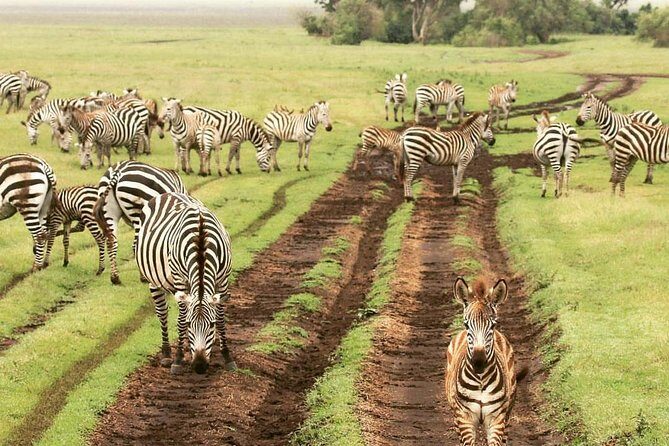
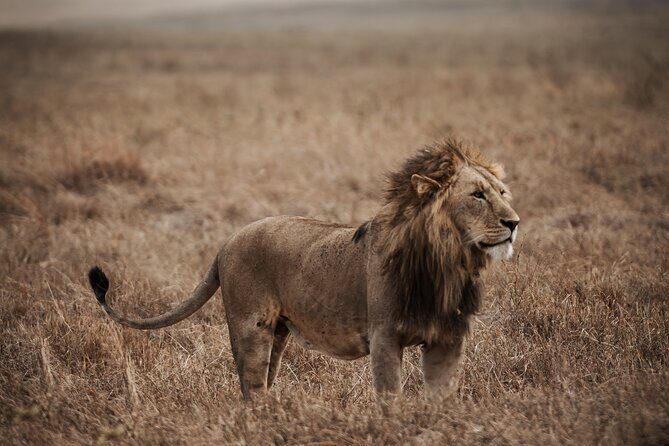
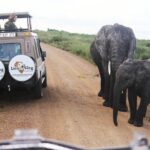
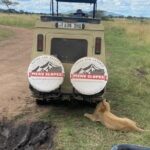
Day four is another seven-hour day in central Serengeti. The itinerary calls out that each savannah day brings different action—lazy lions from yesterday might be active now, elephants may approach your vehicle, and cheetahs are possible.
You also get time around the Kopjes, the volcanic rock formations that make great photo points because animals often rest in their shade. Another stop highlighted is Simba Rock, tied to the real-life inspiration for the Lion King story moment where Mufasa introduces Simba.
What I like about this day: you’re not just “doing more driving.” You’re given specific scenery moments that help the day feel structured, not random.
Day 5: Serengeti plains and the UNESCO big-picture finish
Your final day is still in Serengeti National Park, but the schedule emphasizes the vast plains—another setting where you can find different wildlife activity from what you saw earlier. This day is about seven hours and is meant to show you fresh areas so you get a broader perspective. The note here is honest: it’s impossible to see all of Serengeti in one day.
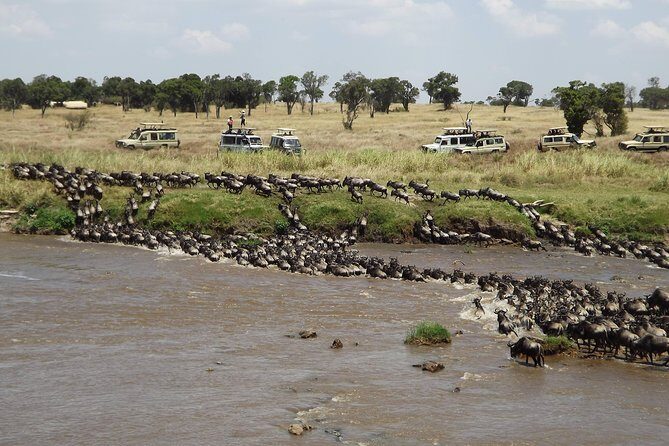
The trip also frames Serengeti as a UNESCO World Heritage Site, with emphasis on the ecosystem and the annual Great Migration. You’ll wrap up by dinner, arriving back in Arusha (or a requested alternative drop-off).
A practical tip: day five is where you’ll feel the “Safari fatigue” start to build—then you’ll usually get one more surprise sighting that makes you forget it.
Vehicle and comfort: what the Land Cruiser setup changes for you
This tour uses a new Land Cruiser 4×4 with a pop-up roof, ergonomic seats, a refrigerator, and power sockets. That matters more than it sounds, especially when you’re spending hours scanning.
- The pop-up roof is a simple advantage for spotting and photographing—your viewing angle is higher without you awkwardly trying to lean around inside the vehicle.
- The refrigerator is a quality-of-life detail. Long safari days can be sweaty; cold drinks keep you comfortable.
- Power sockets mean you can top up phones and camera gear in the field.
On top of that, you get bottled water, soft drinks, and hot coffee and tea while in the jeep. Binoculars are included (1 piece per car), which helps if you don’t want to rely on your camera zoom alone.
Comfort is also covered at the lodge level: the program states you’ll stay in 3–4 star lodges. Meals are included too—breakfast 4, lunch 5, dinner 4—plus your itinerary includes a snack stop on the crater day.
The price question: what $3,472 is really paying for
At $3,472 per person for a 5-day safari, you’re paying for a lot of “moving parts” to be handled for you. The value isn’t just the animals (obviously). It’s the fact that many key safari costs and logistics are already bundled.
Here’s what’s included in your total:
- Pickup in Arusha before the tour and drop-off after
- Certified, English-speaking safari guide
- New Land Cruiser 4×4 with pop-up roof
- Safari beverages in the jeep (bottled water, soft drinks, coffee/tea)
- Binoculars
- Park fees for the entire tour (national park entry and concession fees)
- Meals: breakfast, lunch, dinner as scheduled
- On-the-ground medical preparedness: a medical kit and AMREF Flying Doctors air ambulance service
- A note on connectivity: free Wi‑Fi, but only in about 60–75% of territories
Tips aren’t included, so you’ll want to budget for that.
To sanity-check value: if you’ve ever planned a safari, you know the “small fees” add up fast—park access, guide time, vehicle hire, and the operational pieces that keep the day running. This itinerary tries to bundle those essentials so you can focus on the safari itself.
Guides, service, and the human details that show up
Your guide is the difference between driving and actually getting something out of the drive. In the feedback tied to this company’s safaris, several guide names come up with strong praise—Stefan, Malik, Hashim, Hussain, Aaron, Anold, Levinson, Fidelus, and Peter.
A pattern I see in the notes: people consistently talk about strong animal-finding skills and good communication. There’s also mention of guides being friendly and punctual, and an emphasis on not being disruptive to wildlife’s natural behavior. That’s not just “being nice”—it’s what helps you keep sights long enough for everyone in the vehicle to see the same moment.
Support also matters during a safari. This trip lists 24/7 phone/email support, and it includes a medical kit and air ambulance coverage via AMREF Flying Doctors. Those aren’t flashy, but they’re reassuring.
Dietary needs are handled as well. If you have allergies or specific diets—pescatarian, vegetarian, vegan, halal, gluten-free, lactose-free, and other preferences—you’re asked to indicate them when booking.
How to get better sightings (without turning the day into chaos)
Safari success is part luck, part timing, part how you behave. Your job is simple: follow the guide’s positioning choices and keep the jeep quiet. The itinerary is designed for vehicle-based viewing, and the guide’s aim is to find animals while minimizing disruption.
A few practical habits:
- Keep your camera ready before the moment happens
- Move slowly inside the vehicle and avoid blocking the best viewing spots
- Listen when your guide tells you where to look and when to stop scanning
If your goal is the Big Five, remember that “seeing” often happens in bursts. One minute the animal is there; the next minute it’s moved on. You’ll get more from the day if you’re mentally prepared for that rhythm.
Who this safari is best for (and who might rethink it)
This 5-day Tanzania circuit is a strong fit if:
- You want top Northern Tanzania parks in a focused timeframe
- You like a structured itinerary with a mix of crater viewing and Serengeti plains time
- You prefer a tour where park fees and meals are included, so budgeting is clearer
- You’re okay with early mornings and long driving days
You might rethink it if:
- You hate being in a vehicle for much of the day
- You want heavy reliance on Wi‑Fi in the field (signal is only stated as available in 60–75% of territories)
- You’re trying to keep the trip near a tight budget, since the price includes a lot of “handled for you” service
Should you book Altezza Travel’s 5-day Northern Tanzania safari?
If your checklist is Tarangire + Ngorongoro Crater + Serengeti in five full days, and you want the essentials handled—vehicle, guide, park fees, meals, and even AMREF air ambulance coverage—this is an easy “yes, consider it” trip.
Before you book, do two things:
- Make your dietary needs and allergies crystal clear. The trip explicitly supports multiple meal plans, but you’ll get the best result by stating needs early.
- Ask questions about how your dates affect what you’ll likely see in Serengeti, especially since the itinerary flags the Great Migration as a key part of Serengeti’s importance.
If you want an efficient route with a strong logistics package and a guide-led approach, this is the kind of safari that can feel smooth on the ground—and memorable in the long run.
FAQ
What time does the safari start?
The standard start time is 7:30 AM.
Where does the tour begin?
Pickup is offered in Arusha before the tour.
Which parks are included?
The itinerary includes Tarangire National Park, Ngorongoro Crater, and Serengeti National Park.
How long is the safari?
The duration is 5 days (approx.).
Is park entry included?
Yes. National park fees for the entire tour are included, covering park entry fees and concession fees.
What vehicle do you use?
You travel in a new Land Cruiser 4×4 with a pop-up roof, ergonomic seats, a refrigerator, and power sockets.
What meals are included?
Lunch is included 5 times, dinner is included 4 times, and breakfast is included 4 times, based on the tour schedule. Bottled water, soft drinks, hot coffee, and tea are also provided while in the jeep.
Is Wi‑Fi available?
Free Wi‑Fi is available, but the signal is only available in about 60–75% of the traveled territories.
Are tips included?
No. Tips to your safari guide are not included.
What is the cancellation window for a refund?
You can cancel up to 6 days in advance for a full refund. If you cancel 2–6 days before, you receive a 50% refund. Cancel less than 2 days before and the amount paid is not refunded. If the experience is canceled due to poor weather, you’ll be offered a different date or a full refund.