REVIEW · DAR ES SALAAM
Dar es Salaam: City Tour
Book on GetYourGuide →Operated by Dove Adventure Tanzania · Bookable on GetYourGuide
Six hours in Dar can change your whole week. This tour is a fast, high-impact way to get oriented in Tanzania’s largest city, with stops that show both the past and what life looks like today. I like how it keeps you moving while still giving you enough context to understand what you’re seeing, especially at the Dar es Salaam National Museum.
My second favorite part is the way the day builds toward real local life. You spend time at the Fish Market, often described as the biggest in East Africa, then you wrap the day with art, carvings, and shopping at major hubs like Mwenge and Slipway. If you’re coming in new to town, it’s one of the quickest routes to feeling like you actually know the place.
One consideration: this is a full 6-hour street-and-market day, and lunch and beverages aren’t included. Plan for heat, lots of walking on uneven surfaces, and the fact that markets don’t pause for your schedule.
In This Review
- Key highlights worth your time
- Getting a Feel for Dar es Salaam’s Real Mix of Old and New
- Dar es Salaam National Museum: The Best Start for City Context
- Village Museum Stops: Cultural Homes, Real Performances, and Meaningful Stories
- Mwenge Carvings Market + Tingatinga: Shop for Craft, Not Just Souvenirs
- Askari Monument and City-Centre Landmarks: History You Can Point At
- Slipway Shopping Centre: A Practical Finish for Gifts and Snacks
- The Fish Market: Where Dar’s Energy Shows Up Fast
- Price and What You’re Really Paying For (At $77 for 6 Hours)
- Who Should Book This Dar City Tour (and Who Might Pass)
- Should You Book Dove Adventure Tanzania’s Dar Es Salaam City Tour?
- FAQ
- How long is the Dar es Salaam city tour?
- What is included in the $77 price?
- Do I need to pay separately for museum and monument entry?
- Is lunch included?
- Where do I meet the guide for pickup?
- What should I bring for the tour?
- Is the tour guide English-speaking, and can I cancel?
Key highlights worth your time
- Dar es Salaam National Museum entry is included, so you can spend more energy on the exhibits than ticket hunting
- Mwenge Carvings Market plus Tingatinga Art Gallery/Arts Cooperative is where you’ll see local creativity up close
- Village Museum adds cultural context with replicated homes and performances tied to Tanzanian communities
- Askari Monument gives you a focused, historical stop that’s easy to understand with a guide explaining it
- The Fish Market is the day’s sensory-and-social centerpiece, and it’s a must-see in Dar
- Hotel pickup and an A/C vehicle help you handle Dar’s road conditions without burning out
Getting a Feel for Dar es Salaam’s Real Mix of Old and New
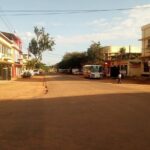
Dar es Salaam means the house of peace, and you feel that in how international the city can seem alongside how local it stays. One moment you’re reading signs tied to national identity. The next moment you’re at market-level where trade, craft, and everyday life run the show.
This tour is built for travelers who want structure without feeling trapped in a checklist. A good guide is the difference, and from what’s been highlighted repeatedly, the best version of this day is the one where your guide checks what you care about and adjusts the emphasis—museum stories, cultural stops, or more time shopping at craft markets.
Because it’s six hours, you’ll move through several parts of the city rather than staying in one neighborhood. That’s ideal if you have limited time, but it also means you should bring a practical mindset: comfortable shoes, sunscreen, and a willingness to go with the flow when traffic slows things down.
You can also read our reviews of more city tours in Dar Es Salaam

Dar es Salaam National Museum: The Best Start for City Context
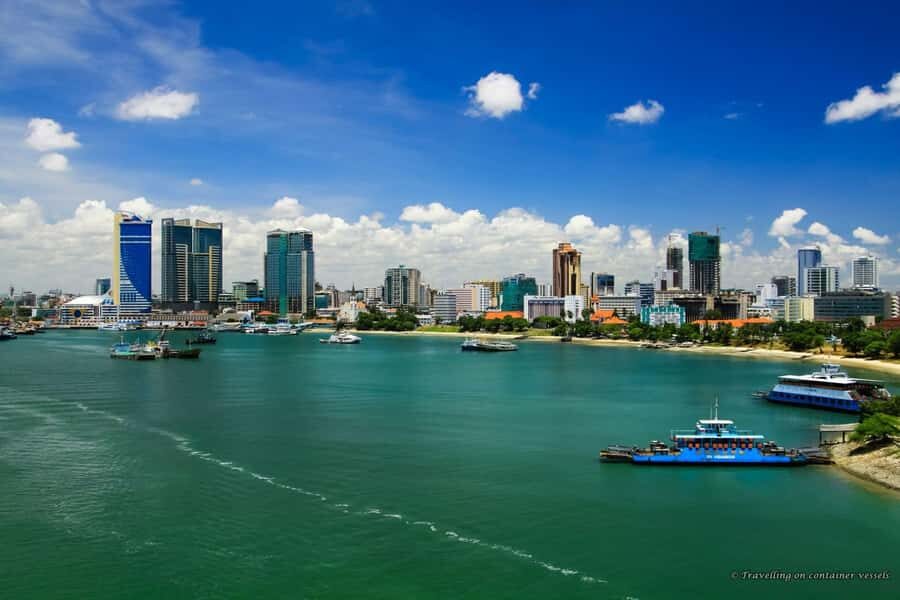
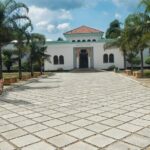
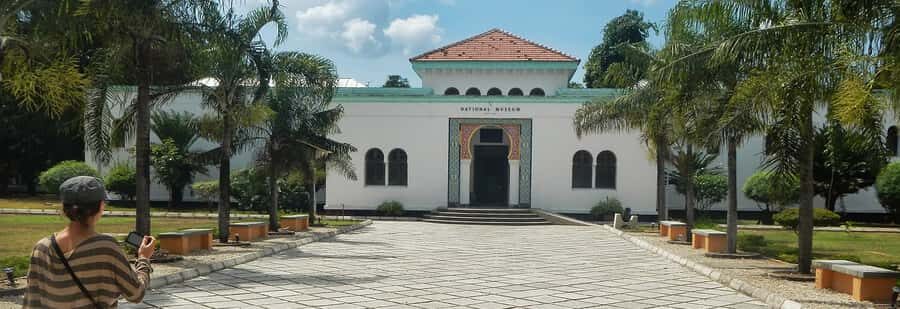
The Dar es Salaam National Museum is the easiest way to “read” the city before you start shopping and wandering markets. Instead of treating Dar as a set of places to photograph, the museum helps you connect buildings, culture, and national history into something that makes sense on the street.
Entry tickets are included, which is a big deal for value. It also saves time you’d otherwise spend figuring out where to go and how long each place will take. Inside, you’ll get a clearer sense of the cultures and traditions that shaped the city and Tanzania overall.
Here’s how I’d use the museum for the best payoff: arrive ready to ask your guide questions about what you’re looking at. If you’re the type who likes cause-and-effect—how regions, trade, and migration changed daily life—this stop will feel like the backbone of the day.
Practical tip: wear shoes you trust. Museums are usually fine underfoot, but you’ll still be out and about before and after.
Village Museum Stops: Cultural Homes, Real Performances, and Meaningful Stories
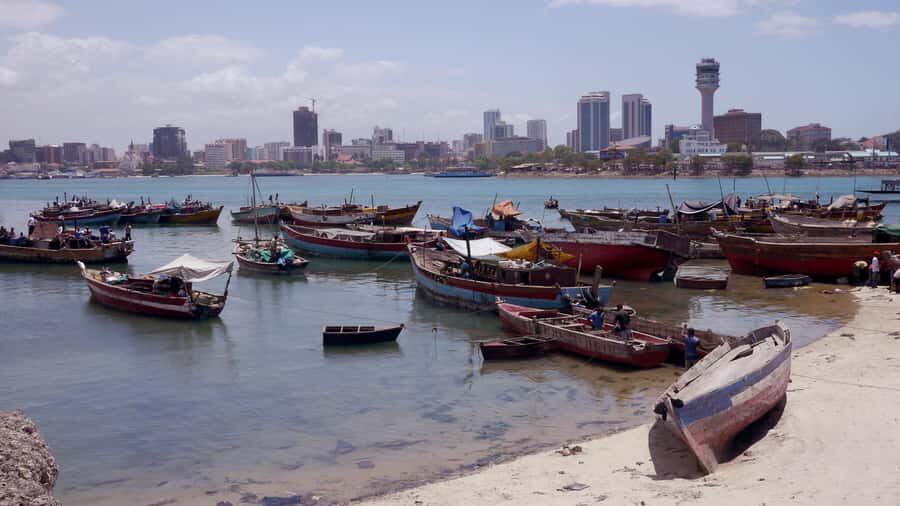
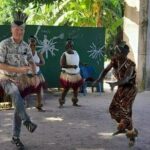
After the museum, the day shifts toward lived culture at the Village Museum. This is the stop that turns history into something you can picture: replicated houses and spaces styled after Tanzanian community life, plus performances that add rhythm to what you’re learning.
What I like about this part of the itinerary is that it’s not just “look and move on.” You get time for your guide to explain what you’re seeing—especially how different communities build homes and how culture is expressed through music and dance.
In particular, the Village Museum is often praised for showing homes replicated in the style of the southern Makua tribe. If you’re curious about how people adapt living spaces to their environment and community traditions, this is a strong moment to slow down and watch.
Also, if you want a break from constant shopping, this is your cultural reset. It gives your brain something new to hold onto before you go back into markets and streets.
Mwenge Carvings Market + Tingatinga: Shop for Craft, Not Just Souvenirs
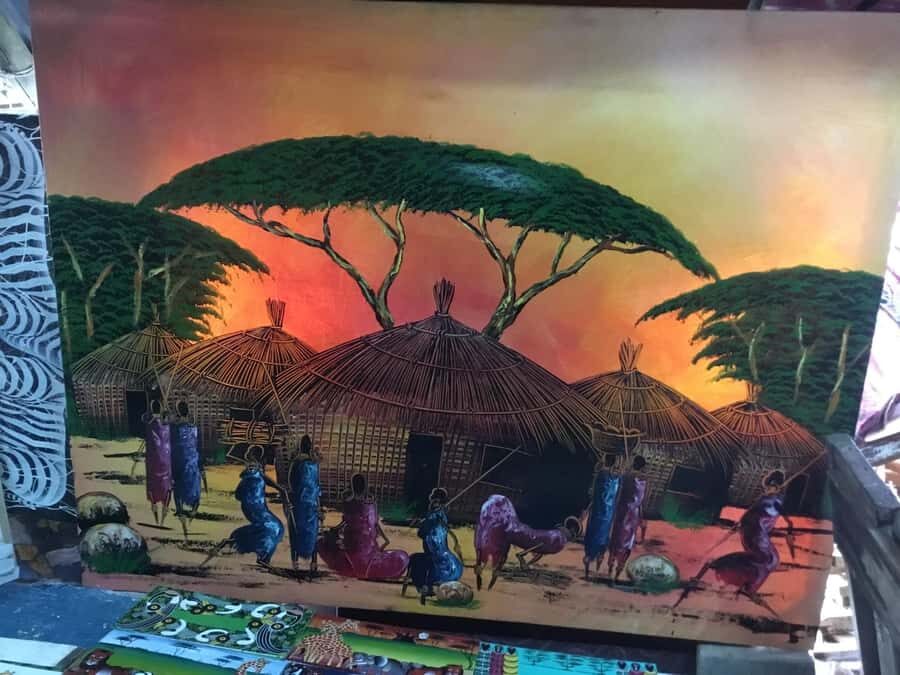
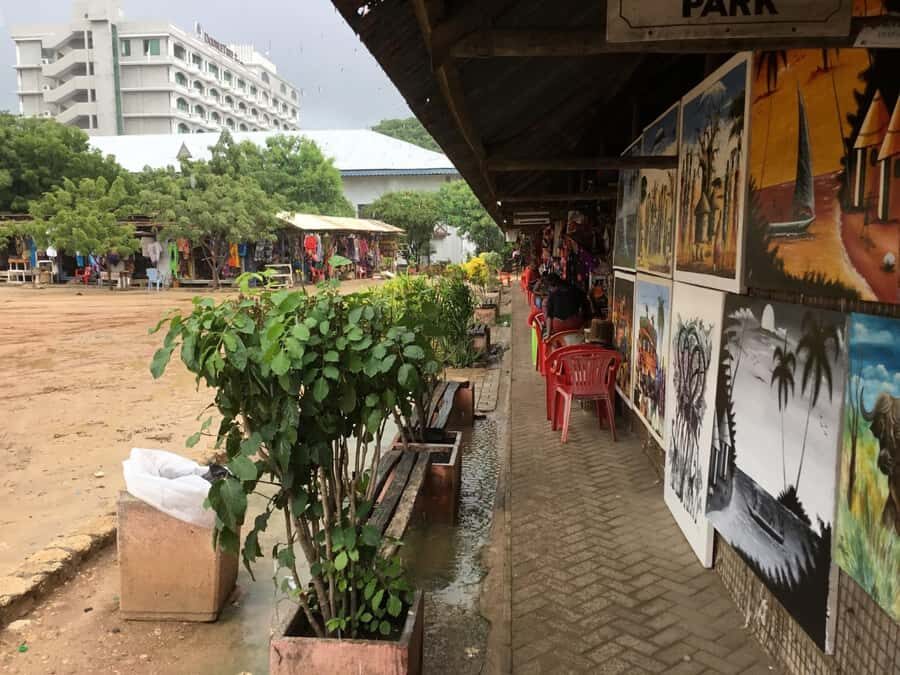
Two of the most enjoyable stops are the Mwenge Carvings Market and the Tingatinga Arts Cooperative (entry included). This is where Dar shows its creative side in a way that’s easy to understand: you’re not hunting for art in abstract terms—you’re watching craft happen and learning what the makers do.
At Mwenge, carvings often connect to family, trade, and regional styles, so the pieces you see feel more like storytelling than just decoration. At Tingatinga, you’re usually dealing with bold, graphic artwork tied to a known style and an active cooperative scene—again, not something you’d recreate without local context.
How to make this time worth it:
- Decide what you want first: small gifts, a mid-size item, or just a souvenir you’ll actually display
- Ask your guide how to spot quality and how pricing tends to work at the market level
- Give yourself time to compare rather than grabbing the first nice-looking piece
If shopping isn’t your thing, don’t worry. You can treat this as a culture stop that happens to include purchases. You’ll still come away understanding why these crafts matter.
Askari Monument and City-Centre Landmarks: History You Can Point At
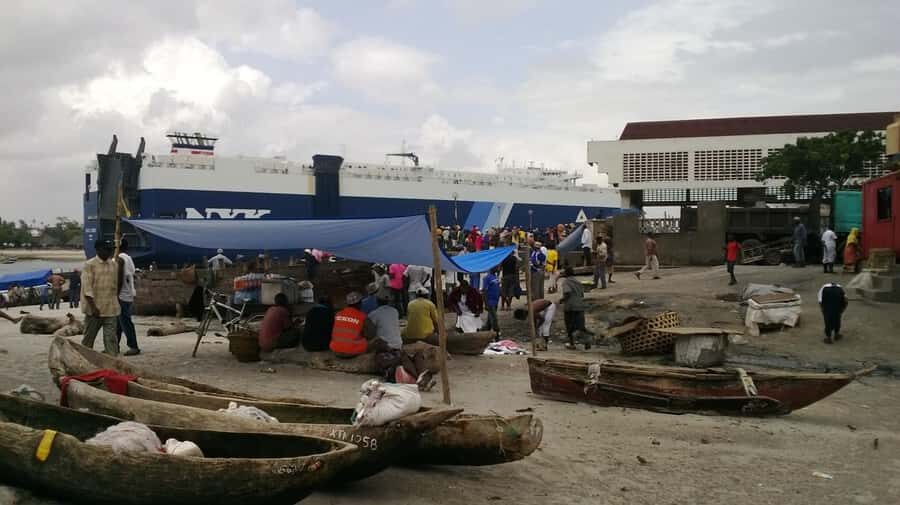
The Askari Monument stop is included, and it works best when you see it as a timeline anchor. Monuments do one job well: they mark memory in a form you can find again and again. With a good guide, you don’t just read the name—you learn what it represents in the city’s development and national story.
This part of the day also helps connect the museum lessons to real space. You’ll pass or visit well-known city buildings and landmarks in the centre, and it’s here that Dar starts to feel like a place with layers rather than a one-day route.
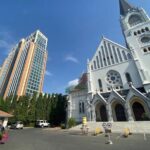
You may also see major church landmarks during the day, like St. Joseph’s Cathedral and Azania Front Cathedral, depending on how your guide structures the route and what’s accessible that day. Even when you only view the exterior, your guide’s explanations can make the stop feel purposeful, not random.
Tip for your photos: take one wide shot to capture the setting, then one closer shot of a detail. City buildings can look similar at first glance; details help you remember what you were looking at.

Slipway Shopping Centre: A Practical Finish for Gifts and Snacks
Toward the end of the day, you’ll likely have time at Slipway Shopping Centre. This is a calmer counterpoint to the markets: a place built for browsing, with easier access for grabbing smaller items and keeping your day moving without constantly negotiating in crowded lanes.
This is also a smart place to pick up last-minute gifts if you didn’t plan earlier. Because lunch and beverages aren’t included, Slipway can be where you handle your own food break if you want it during the tour window—or you can save it for after.
I like Slipway as a finish because it shifts you from “learning mode” to “I can actually buy something” mode. You’ll have context from the morning, so you shop with more intention and less impulse.
The Fish Market: Where Dar’s Energy Shows Up Fast
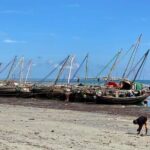
Then comes the Fish Market, and this is the big emotional moment of the tour. It’s known as the biggest fish market in East Africa, and the scale shows immediately. Even if you’re not a seafood person, it’s still worth it because you’re seeing a working system: trade, labor, timing, and the sheer motion of the port world.
What makes the stop work on a city tour isn’t only the fish. It’s the human rhythm. You’ll learn how the market fits into Dar’s role as a port city and why it influences the daily life around it.
Plan for the practical side. Markets mean uneven ground, crowds, and strong focus on what’s happening in real time. Keep your phone secured, wear shoes that don’t slip, and move slowly if you’re trying to take photos.
If you like local food culture, this stop can spark questions like where things are sold, how daily supply works, and how the city keeps functioning around the port. If you don’t, you can still enjoy it purely as a social and economic snapshot—something you’d never get from a quick drive-by.
Price and What You’re Really Paying For (At $77 for 6 Hours)
At $77 per person for a 6-hour tour, the value comes from what’s included. You’re not only paying for a guide and a vehicle—you’re also covered for key entry points: the National Museum, the Tingatinga Arts Cooperative, and the Askari Monument. All fees and taxes are included, which reduces surprises.
Add in an air-conditioned vehicle, hotel pickup, and an English-speaking guide, and you’re getting a full day’s worth of guided movement across multiple parts of Dar. For many travelers, that’s the main cost: transportation time plus the guide’s ability to make sense of places quickly.
What’s not included matters too: lunch and beverages. So budget for a meal on your own. If you skip planning, you’ll feel rushed later. If you plan, you can treat the tour like a curated day with your own food choices.
Who Should Book This Dar City Tour (and Who Might Pass)
This tour is ideal if you:
- Have only a day or two in Dar es Salaam and want a strong overview fast
- Like museums plus real markets, rather than purely driving past landmarks
- Want craft stops where someone can explain what you’re seeing and help you shop smart
- Prefer an organized route with hotel pickup so you can relax instead of navigating
It may be less ideal if you:
- Hate marketplaces and crowds
- Want a slow, neighborhood-by-neighborhood day instead of a full 6-hour circuit
- Don’t want to manage your own lunch and drinks
If you’re a first-time visitor, this tour is a great way to get your bearings. If you already know Dar, it’s still useful because museum + Askari Monument + the fish market combo is hard to replicate on your own in one day.
Should You Book Dove Adventure Tanzania’s Dar Es Salaam City Tour?
If you want a strong introduction to Dar es Salaam that doesn’t feel like a blur of random stops, this is a solid choice. The day is built around places that explain the city rather than just showing it, and the included tickets at major sites keep the experience efficient.
I’d book it if your priority is getting oriented, seeing local markets, and coming away with real context for what you’re looking at. I’d think twice if you’re sensitive to long days, market crowds, or the idea of sourcing your own lunch.
If you can, choose a guide you feel matches your interests. Names often requested by visitors include Derick and Mike, with Chris and Anna also coming up as English-speaking hosts who help make the day feel tailored to what you care about, including history and city culture.
FAQ
How long is the Dar es Salaam city tour?
The tour runs for 6 hours.
What is included in the $77 price?
The price includes an air-conditioned vehicle, all fees and taxes, entry tickets to the National Museum, the Tingatinga Arts Cooperative Society, and Askari Monument, plus a live English-speaking tour guide.
Do I need to pay separately for museum and monument entry?
No. Entry tickets for the National Museum, Tingatinga Arts Cooperative Society, and Askari Monument are included.
Is lunch included?
No. Lunch and beverages are not included, so you’ll need to plan for your own food and drinks during the day.
Where do I meet the guide for pickup?
Pickup is included. Wait at your hotel reception or lobby about 5 minutes before your scheduled pickup time.
What should I bring for the tour?
Bring comfortable shoes and sunscreen, since you’ll be walking and spending time outdoors at market locations.
Is the tour guide English-speaking, and can I cancel?
Yes, the guide speaks English. You can cancel up to 24 hours in advance for a full refund.