REVIEW · ARUSHA
7 Days Machame Route Trek Mount Kilimanjaro
Book on Viator →Operated by Rupia Adventure · Bookable on Viator
Rainforest mornings, midnight summit clocks, real grit. This 7-day Machame Route trek on Kilimanjaro blends altitude acclimatization with close-up wildlife like colobus monkeys and those changing views of Kibo’s glaciers. I love the Machame acclimatization approach that keeps you climbing while sleeping only slightly higher, and you’ll feel the reassurance of an expert guide and mountain crew. The main drawback is the hard, cold push for Uhuru Peak at night, which asks for real stamina and proper breathing pace.
You start from Arusha with hotel pickup and an 8:30am head start, then settle into a steady rhythm of rainforest, heath, alpine desert, and back down again. You sleep in tents on the route, so the mountain itself becomes your hotel. Also, this trip caps at a small group size (maximum of 4), which usually means less waiting around and more attention when you need it.
If you’re the kind of hiker who likes to take discomfort in stride, this will feel like a deeply earned adventure. If you’re not comfortable with long trekking days, uneven footing, and thin air, you’ll need to plan training and health details very carefully first.
In This Review
- Key things to know before you go
- Why the Machame Route feels like the real Kilimanjaro test
- Your week on Kili: the Machame Route day-by-day feel
- Day 1: Arusha to Machame Camp through ancient rainforest
- Day 2: From Shira forest edge to Shira-style high views
- Day 3: Shira Plateau to Lava Tower and on to Barranco Camp
- Day 4: Barranco Wall to Karanga Camp (the day that tests technique)
- Day 5: Barafu Camp day through very dry terrain
- Day 6: Summit night—tea at midnight, headlamps, Stella Point, Uhuru Peak
- Day 7: Down to Mweka Gate, then rainforest again
- The crew matters: expert guidance on a mountain with no shortcuts
- Tents, meals, and what to expect at camp
- Gear and health: what you can control before your first step
- Price and value: is $2,200 per person fair for 7 days on Machame?
- Who this trek suits best (and who should think twice)
- Quick decision guide: should you book this Machame Route trek?
- FAQ
- What time does the trek start?
- How long is the Machame Route trek?
- How many people are in the group?
- Where do you sleep during the trek?
- Is hotel pickup included?
- What if weather is poor on summit day?
- What is the cancellation deadline for a refund?
Key things to know before you go
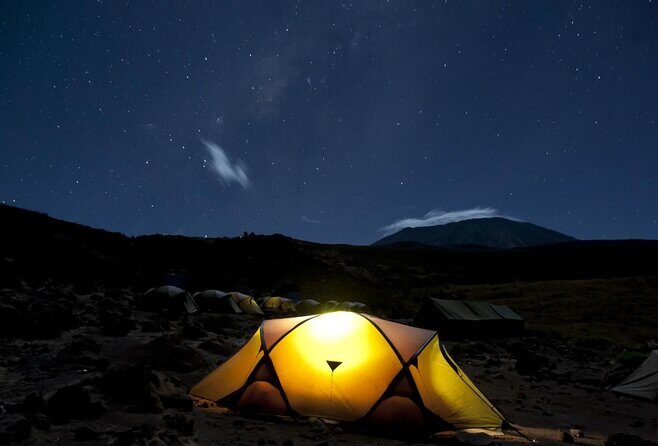
- Machame acclimatization rhythm: you gain altitude gradually while keeping sleep elevation controlled
- Rainforest wildlife on Day 1 and Day 7: colobus monkeys can show up between the ancient trees
- Lava Tower altitude check: a stop around 4,640m helps you understand what Kilimanjaro feels like
- Barranco Wall day: hands may help on steeper sections, but your guide is there for support
- Summit night timing: tea and biscuits around midnight, then headlamps up to Stella Point and Uhuru Peak
Why the Machame Route feels like the real Kilimanjaro test
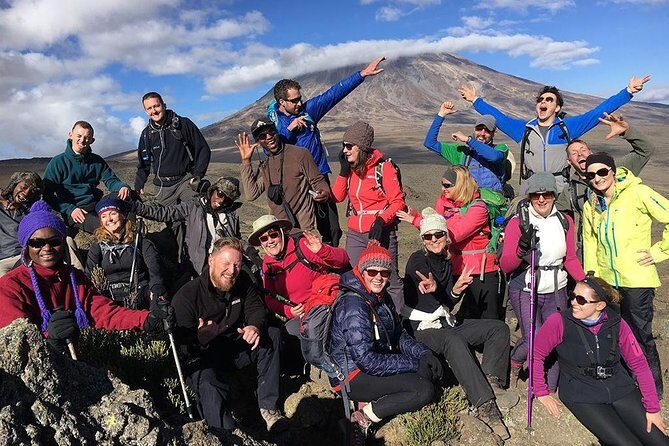
The Machame Route is popular for a reason: it gives you time to adjust. You’re not just racing upward; you’re moving through altitude steps that help your body learn the pattern. On this trek, you climb roughly 700m on one acclimatization day while sleeping only a bit higher than the previous night, which is the kind of “gain, then adapt” pacing you want on Kilimanjaro.
I also like that the trek isn’t one-note. You get rainforest on Day 1, dry moor and heath on Day 2, alpine desert-style terrain as you head higher, then a long final walk down that brings you back through greenery. That mix matters because you stay mentally engaged, and your legs learn different kinds of ground.
Finally, this is a small-group trek with a maximum of 4 travelers. That doesn’t make the mountain easier, but it can make the experience calmer. When you’re hiking in the dark or dealing with altitude effects, having space and attention is genuinely useful.
You can also read our reviews of more hiking tours in Arusha
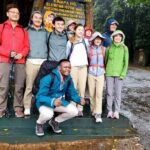
Your week on Kili: the Machame Route day-by-day feel
Day 1: Arusha to Machame Camp through ancient rainforest
After breakfast in Arusha, you’ll get picked up and driven to the Kilimanjaro National Park gate. Once the paperwork is done, the trek proper begins toward Machame Camp, about a 5–6 hour hike.
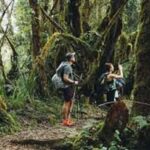
This is your rainforest introduction. Think large ancient trees, primeval ferns, and endemic flowers such as Impatiens kilimanjari. You also have a real chance of spotting black and white colobus monkeys moving in the canopy. The day is long enough to wake your legs up, but it’s not the brutal altitude lesson yet—more like a gentle start with good wildlife potential.
One practical upside: you’ll reach camp with time to stretch, relax, eat a hearty meal, and sleep in your tent before tomorrow’s terrain shift.
Day 2: From Shira forest edge to Shira-style high views
Today starts early, but not because the hike is short—it’s because you’re aiming to reach Shira Camp around mid-afternoon. Expect a dramatic transition: lush green forest gives way to dry moor and heath land.
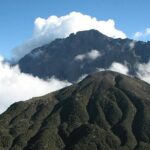
This is the day where you start feeling the mountain’s mood shift. The air can feel sharper, and the views open up. When you arrive, you get a campsite with a wide sense of the mountain range, and you’ll likely see the Kibo glaciers catching the last light of the day.
You’ll eat another carefully prepared meal, then sleep in your tent. The big win here is perspective: once you see the high peaks in daylight, the summit idea stops being abstract.
Day 3: Shira Plateau to Lava Tower and on to Barranco Camp
Today includes classic acclimatization work. You climb up to Lava Tower (4,640m) and rest there for a while before continuing through the Barranco Valley to Barranco Camp.
This section is typically around 6–7 hours of trekking. The terrain can feel like an alpine desert at times—less shade, less comfort, more exposure. The distractions are real, though. You may spot small lobelia and giant senecio plants along the way, which gives your eyes something to do besides staring at the next step.
The acclimatization logic is also worth understanding: the day challenges you with altitude while guiding you toward the next stage without pushing your sleep elevation too aggressively. You get dinner and overnight at Barranco Camp, giving your body time to settle.
A few more Arusha tours and experiences worth a look
Day 4: Barranco Wall to Karanga Camp (the day that tests technique)
Barranco Wall stands between you and Karanga Camp, and it’s the trek day people remember. Some parts require using your hands for better grip, but the good news is that you’re not asked to climb solo. Your guide stays with you and helps you move safely through steeper moments.
The walk itself takes about 3–4 hours, and the pacing helps. You also get more ridgeline walking, where you can look out over striking contrasts—desert terrain next to patches of vegetation. That visual variety helps when your legs start negotiating with your brain.
When you reach Karanga Camp, you’ll have time to rest and even play a simple game (rummy is mentioned in the trip style). Then it’s dinner and overnight in your tent again.
Day 5: Barafu Camp day through very dry terrain
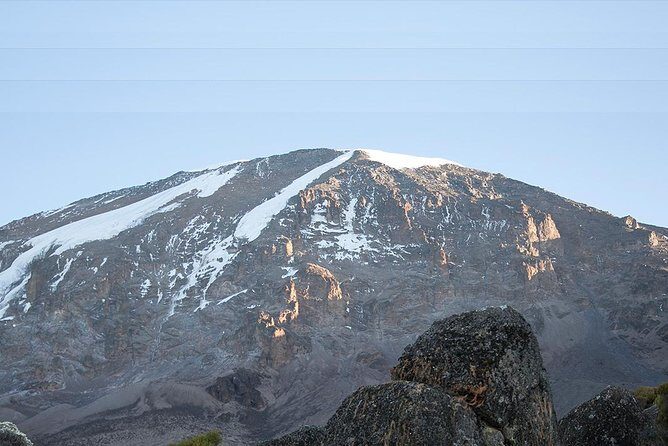
Awakening with sunlight on the Kibo Summit is one of those moments that makes the effort feel real. After breakfast, you head toward Barafu Camp.
Most of the day is very dry desertic terrain, with Kibo staying visible to your left as you hike. This is another 3–4 hour day to reach camp. It’s not only the distance—it’s the feel. When you’re in the higher zone, dehydration and fatigue can sneak up fast, so pacing matters.
At Barafu Camp, you’ll get an early dinner and overnight. Your brain should be focused tonight. You’re not just resting; you’re setting yourself up for the summit push.
Day 6: Summit night—tea at midnight, headlamps, Stella Point, Uhuru Peak
This is the big day. Around midnight, your guide wakes you with warm tea and biscuits. You’ll use moonlight and headlamps as you start the ascent.
The hike to Stella Point usually takes about 5–7 hours and gets you to the crater rim. After that, you continue on to Uhuru Peak (5,895m), which takes another 1–2 hours.
The moment is described as sunrise over the African landscape, with a pink hue and glaciers sparkling like diamonds. I’ll also say this plainly: the summit itself is usually less about comfort and more about controlled effort. Slow, steady movement is what gets you there.
Then comes the descent back toward Barafu Camp. Descending can be mentally tough too. You’re tired, sometimes sore, and still dealing with altitude effects, but it’s also where you start counting down to the finish.
Day 7: Down to Mweka Gate, then rainforest again
You get a scrumptious breakfast, plus a traditional farewell ceremony from your mountain crew. It feels small compared to the summit night, but it also makes sense: this crew is what keeps your trek moving safely and smoothly.
Then you start the final descent, about 2–3 hours to Mweka gate. You’ll trek through rainforest again on the way down, which means you can have one more chance to spot colobus monkeys before you exit the mountain.
At the gate you’ll be met and driven back to the hotel for a long shower, pool time, and a relaxed evening. After several nights in tents, that hot shower feels like a luxury item you forgot existed.
The crew matters: expert guidance on a mountain with no shortcuts
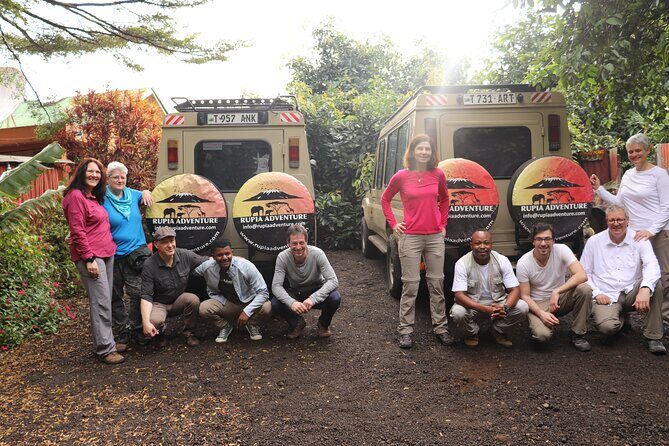
On Kilimanjaro, your guide is not just there to lead you on the trail. They watch pace, handle small issues, and keep the group together. The best experiences here are the ones where that support feels constant rather than rushed.
In real-world examples, pre-climb briefings and gear checks have been handled by guides such as Gideon and Laurent at Mvuli Hotel. Other groups have credited guides like Julius and Johnny with quickly assessing hikers’ capabilities and encouraging each person to stay within their limits. You also see repeated appreciation for leaders like Mathias, plus guide-and-crew support from names such as Frank and Emanuel.
That adds up to one practical message: choose a provider that treats the climb as teamwork. On Machame, your success is rarely about heroics. It’s about staying safe, keeping steady, and trusting the plan.
Tents, meals, and what to expect at camp
This trek uses tents for overnight stays on the route. That means you’re sleeping close to nature, not in cushy lodges. Expect a more basic rhythm: pack light, keep your sleeping setup organized, and plan to manage cold and early mornings.
As for food, the trip style described is consistent: hearty meals at camp, and meals described as lovingly cooked throughout the trek. On summit night, you’re specifically given warm tea and biscuits before the ascent begins. That matters more than it sounds. If you start the climb nourished (and not stuck waiting for the cold to catch up), you’ll feel better on the first stretch of the night.
Practical tip: on Kilimanjaro, small habits help. Keep water in your plan, adjust your pace, and don’t wait to feel worse before you act.
Gear and health: what you can control before your first step
You’ll have a guide and crew to help you manage the climb, but your preparation still controls a lot. The trip is described as suitable for most travelers, yet Kilimanjaro doesn’t care how “ready” you feel on Day 1.
Here’s what I’d treat as non-negotiable:
- Cardio + leg stamina: you’ll handle multiple long trekking days and uneven ground
- Altitude awareness: recognize that you’re going higher than you normally would, and act early if you feel off
- Cold management: summit night happens in darkness and cold, and the body feels it
One trip note includes a reminder to take Diamox. I’m not a doctor, so here’s the safe version: if you’re considering medication for altitude, talk with your clinician ahead of time, get their dosing advice, and don’t improvise on the mountain.
Also, you’ll want to practice trekking pace. Many people get into trouble by walking too fast in the early days. The best plan is to move like you could do it again tomorrow—because you will.
Price and value: is $2,200 per person fair for 7 days on Machame?
The listed price is $2,200 per person for the 7-day Machame Route trek. For Kilimanjaro, that number sits in the category where you’re paying for staff, logistics, guides, tent nights, meals, and the big safety effort behind the scenes.
What makes this feel like better value is the combination of:
- small group size (maximum of 4 travelers)
- guided support throughout key technical sections like the Barranco Wall
- acclimatization pacing that aims to improve summit odds rather than just counting distance
- tents on route, which keeps the experience authentic and immersive
If you’re comparing options, don’t just compare the total price. Compare what you’re getting for the climb itself: how many guides per group, how the plan handles acclimatization, and how the trek day schedule sets you up for summit night.
And one trust signal: this trek has a 5/5 rating with 12 reviews and a 100% recommendation rate in the information provided. That doesn’t guarantee your outcome, but it suggests consistent service quality.
Who this trek suits best (and who should think twice)
This Machame trek is a strong fit if you:
- want real acclimatization instead of a quick push
- enjoy wildlife moments like colobus monkeys in the forest
- are okay with tents and a mountain routine
- like the idea of a guided route that includes technical support when needed
You should think twice if you:
- hate long days of hiking and don’t have time to train
- are uncomfortable with midnight starts and cold conditions
- have health concerns that altitude could worsen and haven’t cleared it with a professional
Quick decision guide: should you book this Machame Route trek?
I’d book this trek if you want Kilimanjaro to feel like a guided wilderness journey with a thoughtful altitude plan. The best parts are the pacing and the support: sleep height management on acclimatization days, technical help on Barranco Wall, and a summit-night structure that includes simple comforts like warm tea before the climb.
I wouldn’t book it if your priority is comfort or easy hiking. This is a test. But it’s also a fair test, built around acclimatization and a competent crew.
If you do decide to go, start training now, plan for cold night hiking, and ask your doctor about altitude risk and medication options in advance. Then pack your patience. Machame gives it back to you, step by steady step.
FAQ
What time does the trek start?
The start time is 8:30am, with pickup from your hotel for the drive to the Kilimanjaro National park gate.
How long is the Machame Route trek?
The duration is about 7 days.
How many people are in the group?
The trip has a maximum of 4 travelers.
Where do you sleep during the trek?
You use tents for overnight stays on the Machame Route.
Is hotel pickup included?
Yes. Pickup is offered from your hotel.
What if weather is poor on summit day?
This experience requires good weather. If it’s canceled due to poor weather, you’ll be offered a different date or a full refund.
What is the cancellation deadline for a refund?
You can cancel up to 24 hours in advance for a full refund. If you cancel less than 24 hours before the start time, the amount paid will not be refunded.