REVIEW · ARUSHA
7 Days Tanzania Luxury Safari Experience & Coffee Walking Tour
Book on Viator →Operated by Aardvark Expeditions Limited · Bookable on Viator
One big safari day can change your whole trip. This one layers Tarangire, Lake Manyara, the Serengeti, and Ngorongoro Crater into a tight 7 days, then adds a hands-on coffee walking tour in the Karatu area. I especially love the small group size (no more than 4 travelers), which keeps the guide’s attention on you, and the way the drive schedule puts you in the right places for the animals. A realistic consideration: the tour price is a premium at $4,011 per person, and some comfort items are not included (like an air-conditioned vehicle and alcohol).
You’re also choosing an operator built around personal service. Aardvark Expeditions Limited runs the experience with a driver-guide in a 4×4 Toyota Land Cruiser, plus meals and park-related costs included, so you spend less time worrying about logistics. The tradeoff is that you’ll be in a safari rhythm with long drives between parks, and a few popular add-ons (like a Maasai visit or balloon) are specifically not part of this package.
In This Review
- Key highlights at a glance
- Entering the Big Safari Loop from Arusha
- Small-group luxury means your guide can actually steer the day
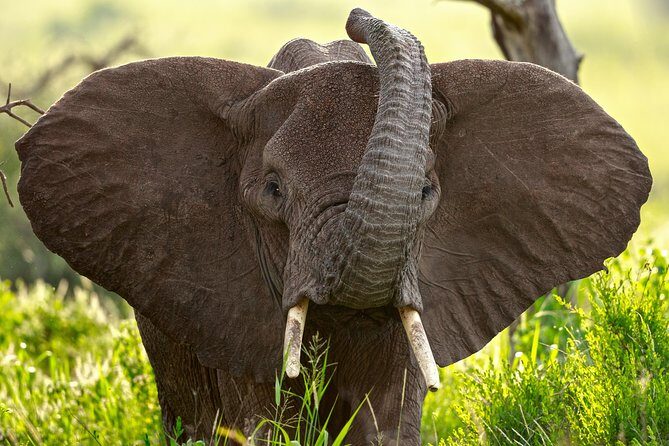
- Tarangire National Park and the baobabs with elephants up close
- Arusha Cultural Heritage Centre: human history in a short stop
- Lake Manyara: birds, primates, and a park that changes as you drive
- Serengeti in two acts: the migration chase and the second day’s follow-through
- Day one feeling: the first sweep of endless plains
- Day two feeling: the guide shifts your target with the rains
- Ngorongoro Crater morning: a dense wildlife day with Big Five possibility
- Karatu coffee walking tour: learn the real process, not just the souvenir story
- Where the luxury shows up: meals, included costs, and what you should plan for
- Price and value: what $4,011 buys you in safari time
- Who should book this Tanzania luxury safari
- Should you book this 7-day safari with the coffee walk?
- FAQ
- What time does the tour start, and where do you meet in Arusha?
- Is pickup included?
- Is this a private tour, and how many people are in the group?
- What meals and drinks are included during the 7 days?
- Are park admission tickets included?
- Is there a coffee plantation walk, and where does it happen?
- What key items are not included in the tour price?
Key highlights at a glance
- Up to 4 travelers keeps the safari feel private and the game drives more focused
- 4×4 Toyota Land Cruiser plus open-roof viewing time in Tarangire for big-sky sightlines
- Serengeti timing for migration patterns since herds shift with the rains
- Ngorongoro Crater game drive in a high-density wildlife bowl, including Big Five possibility
- Karatu coffee plantation walk to learn cultivation and processing up close
- All fees and taxes + most meals included for fewer surprises in your budget
Entering the Big Safari Loop from Arusha
This is the kind of Tanzania route that makes sense on a first serious safari. You start from Arusha, then work your way through the classic wildlife engines: Tarangire for elephants and baobabs, Lake Manyara for birds and primates, the Serengeti for the Great Migration drama, and Ngorongoro for a concentrated crater-day.
What makes it work for you is the sequence. You aren’t bouncing randomly; you’re moving from one ecosystem to the next, with the guide adjusting your route based on what the migration is doing and where animals are likely to be active.
You can also read our reviews of more walking tours in Arusha
Small-group luxury means your guide can actually steer the day
A big reason this safari feels upscale is the small and personal group size. With no more than 4 travelers, you get more back-and-forth with your driver-guide, and the pace can be flexible without turning every stop into a negotiation.
Transport matters too. You’re in a 4×4 Toyota Land Cruiser with a driver-guide, and in Tarangire you’ll have time from the open roof to watch the terrain and animals. That open viewing style can be a double-edged sword, though: it’s great for spotting, but it means you’ll feel the sun, dust, and wind more than you would in a fully closed vehicle.
Tarangire National Park and the baobabs with elephants up close
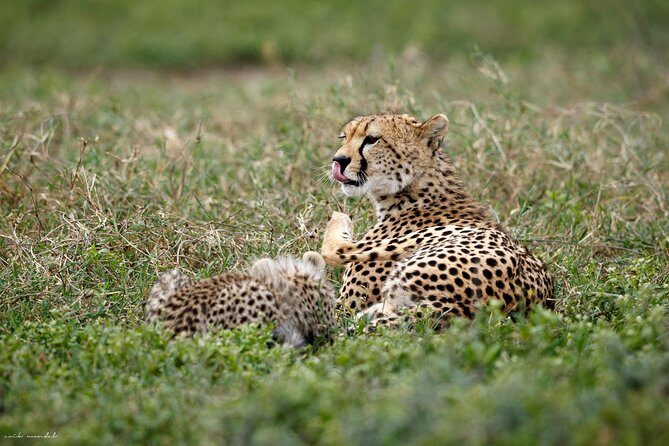
Tarangire is where the safari starts showing its personality fast. Giant baobab trees, bush savannah, and seasonal marshes create a mix of habitats that’s ideal for varied sightings in a single day.
Here’s what you should expect to chase:
- Elephants up close, since Tarangire is widely regarded for that
- Buffalo, zebra, and wildebeest
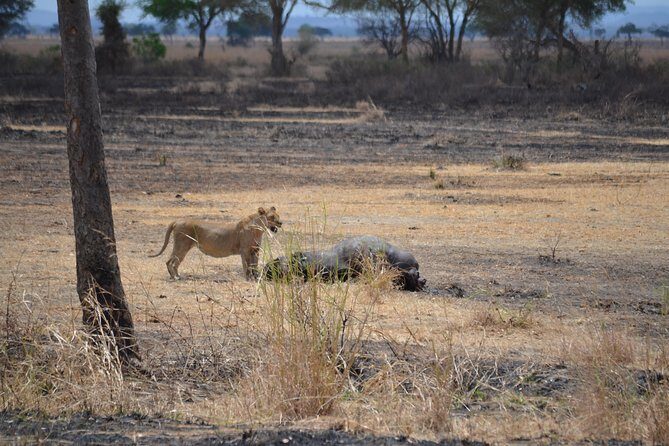
- Predators like lions, with leopards seen now and then
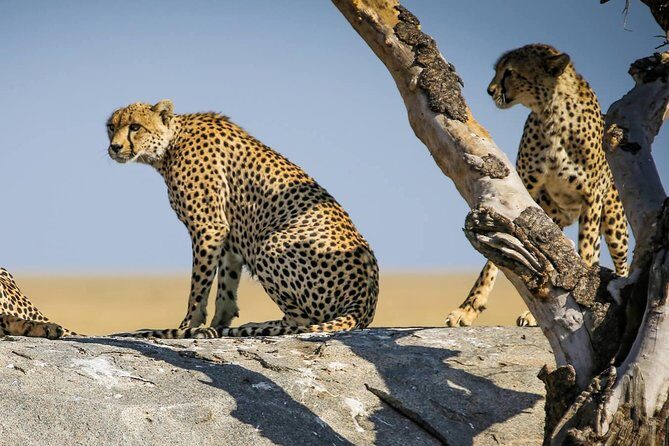
- Cheetahs are rare, so you shouldn’t build your hopes solely around them
The other smart detail is the structure of the day. You get a safari briefing in Arusha, then drive out, then do game viewing with that open-roof style before heading to Tarangire Osupuko Lodge for the night. If you want your safari to feel like it’s already in motion from the first hours, this start does that.
Arusha Cultural Heritage Centre: human history in a short stop
Between park days, you’ll also have a cultural stop that’s more informative than it sounds on paper. The Arusha Cultural Heritage Centre is set up to show the past and present of Tanzania’s 120-plus tribes in one compound, with items like carvings, gemstones, artifacts, clothing, and books.
Why it’s valuable on a safari trip: it helps you see what you’re hearing and seeing in daily life beyond the parks. It doesn’t replace the nature side of the journey, but it adds context so the trip feels more grounded, not just wildlife photography.
Admission here is free, and the stop is short enough that it won’t break the safari rhythm.
Lake Manyara: birds, primates, and a park that changes as you drive
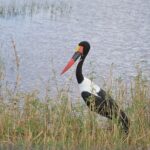
Lake Manyara has a reputation for being bird-heavy, and the numbers are big: over 400 bird species. The park includes primate-filled forests and grassy plains, with the alkaline Lake Manyara itself covering much of the area.
This is a day where you should widen your idea of wildlife:
- Flamingos and waterfowl tied to the lake’s seasonal breeding patterns
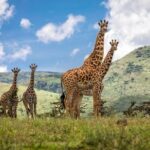
- Giraffes, hippos, wildebeest, impalas
- Noisy groups of monkeys and baboons
The “drawback” to keep in mind is that Lake Manyara can feel less like a single big chase and more like a steady search through different habitats. That can be perfect if you like variety, but if you only want the biggest predator show, you’ll need patience and a good guide.
You’ll spend the night at Eileen’s Trees Inn after an extensive game drive.
A few more Arusha tours and experiences worth a look
Serengeti in two acts: the migration chase and the second day’s follow-through
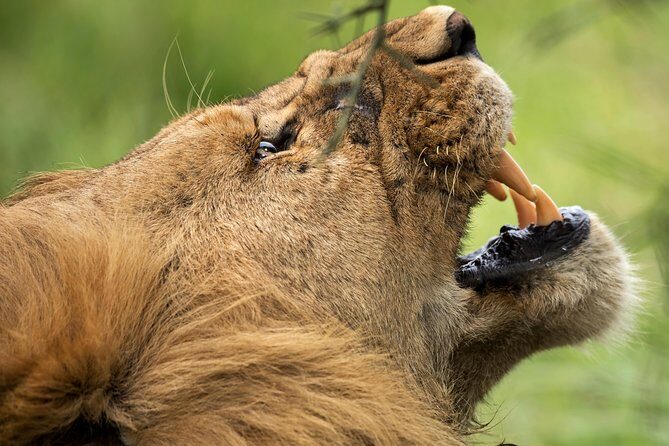
The Serengeti portion of this trip is set up in two ways: a first arrival day and then a full second day built around where the migration herds are.
The park’s scale is a big part of the wow factor. You’ll drive through the “endless plains” concept—huge visibility that makes distances feel unreal. And the Great Migration matters here because it shapes everything: you’re not just driving around hoping. You’re doing safari viewing tied to where the wildebeest and zebras are likely to be moving.
Day one feeling: the first sweep of endless plains
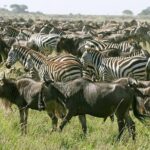
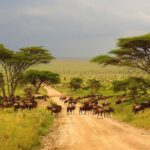
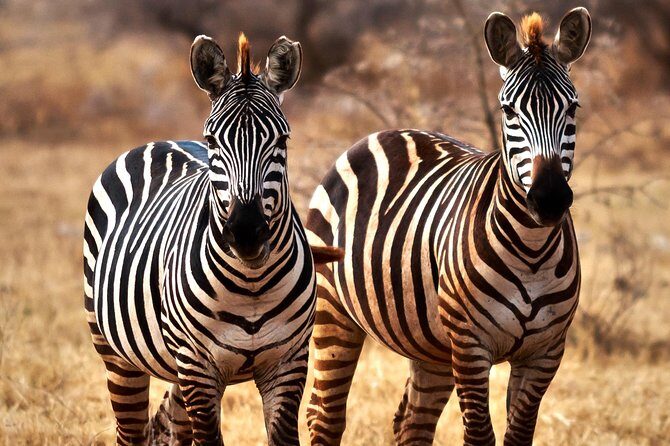
On your first Serengeti day, you’ll see why people talk about it like a world of its own. The trip calls out the migration presence: about 2 million wildebeests, hundreds of thousands of zebras, and many antelopes.
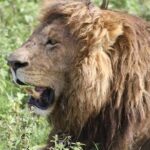
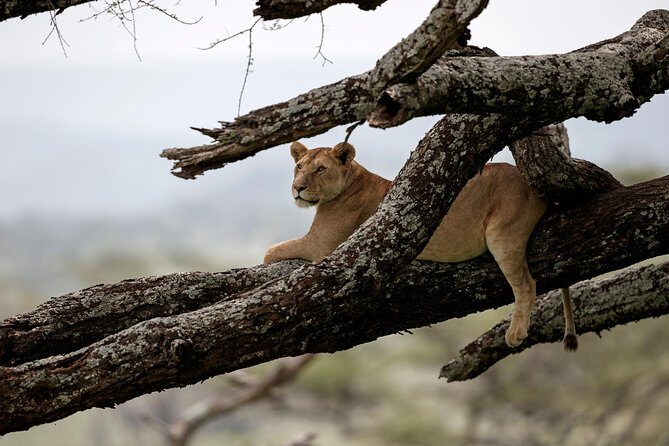
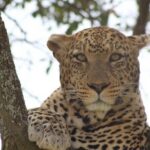
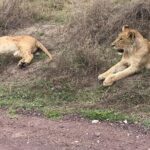
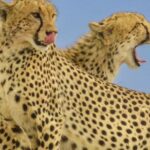
Predators do what they usually do in the Serengeti: they follow the movement. Lions are common, leopards may appear in acacia trees, and cheetahs can show up depending on conditions.
Day two feeling: the guide shifts your target with the rains
The next Serengeti day is where you benefit from having someone steer the plan. The migration position shifts with yearly rainfall patterns, so the guide’s job is to locate where herds are likely to be at that time.
If you’re traveling during the shorter rainy season (noted as November and December), herds move from northern hills toward the plains in the south. During the longer rainy season (April to June), they return north. Your best chance at action is when your game drive matches the movement of the herds.
You’ll stay at Embalakai Tented Camp on full board, which helps you keep your energy up for two big safari days.
Ngorongoro Crater morning: a dense wildlife day with Big Five possibility
Ngorongoro Crater is the one-day payoff for most first-time safari travelers. After breakfast, you head back into the conservation area and then drive down into the crater itself.
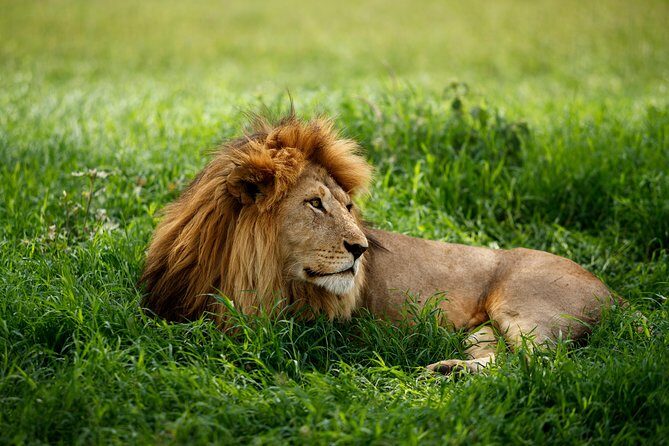
The trip frames Ngorongoro as a massive collapsed volcano and gives you a number that’s hard to ignore: over 25,000 mammals. That includes Big Five possibility—lion, elephant, buffalo, rhino, and leopard—plus spotted hyenas and rare wild dogs, along with 500+ bird species.
The itinerary also includes a picnic lunch during the crater game drive, which is practical for a long day. A crater day often feels like a controlled chaos: lots of animals, more concentrated viewing opportunities, and frequent changes in where you’ll want to look next.
You’ll head back up to Hhando Coffee Lodge for the night.
Karatu coffee walking tour: learn the real process, not just the souvenir story
After the crater day, you’ll have a shift in pace with the coffee portion in the Karatu area. You’ll join a walk around a coffee plantation and learn about coffee cultivation and processing.
This part of the trip adds something you can’t get from a single museum stop. It’s hands-on learning: stepping out of the vehicle, looking at plants up close, and connecting what you saw in the parks (food webs, survival, seasonality) with a human-scale crop system in Tanzania.
You’ll sleep at Hhando Coffee Lodge on full board, which is a nice pairing after the crater. It’s a chance to slow down and let your safari impressions settle.
Where the luxury shows up: meals, included costs, and what you should plan for
This package calls itself luxury, and you’ll feel that most in how it handles daily comfort and budget stress. Here’s what’s included:
- All fees and taxes
- Soft drinks, plus coffee/tea
- 4×4 Toyota Land Cruiser with a driver-guide
- Meals: breakfast (7), lunch (7), dinner (6)
Admission tickets for the listed activities are indicated as free in the tour details, so your day-to-day costs should be simpler than with a piecemeal plan.
Now for what’s not included, because this is where you avoid surprise:
- Air-conditioned vehicle (explicitly not included)
- Alcohol and laundry services
- Tips for guide/hotel staff
- International/domestic flights and visa
- Travel and medical insurance
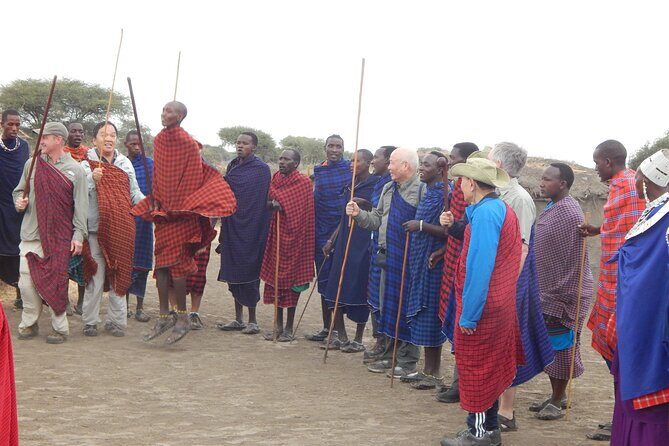
- A few extras you might see on other safari tours: Maasai visit and hot air balloon activity are not included
If you’re the type who wants everything pre-paid and fully polished, you’ll want to budget for tips and drinks. If you’re fine with a more natural, safari-style vehicle setup, the included structure is a strong value.
Price and value: what $4,011 buys you in safari time
$4,011 per person sounds steep until you break down what’s actually bundled. You’re not just paying for drives. You’re paying for:
- Multiple major parks: Tarangire, Lake Manyara, Serengeti, and Ngorongoro
- A private, small-group format (max 4)
- A vehicle setup designed for wildlife viewing
- Meals across the week and a set of lodging nights in the middle of the route
Also helpful: all fees and taxes are included. That reduces the “oops” moments where you add up tickets, park charges, and local costs later.
Your biggest value lever is time. A 7-day loop that hits these specific wildlife zones efficiently costs money, but it usually saves you from the slower, more chaotic feeling of building a patchwork itinerary.
Who should book this Tanzania luxury safari
This safari is a good fit if you want:
- A private-feeling group size rather than a crowded bus vibe
- Classic Tanzania highlights in a structured, sensible order
- A blend of wildlife and cultural learning, plus a real-world stop for coffee education
- A guide-driven migration strategy, especially for Serengeti
It might not fit you as well if:
- You’re mainly focused on one single predator species (like guaranteed cheetah sightings)
- You expect balloon rides, Maasai visits, or alcohol to be part of the package
- You’re sensitive to non-air-conditioned vehicle comfort
Should you book this 7-day safari with the coffee walk?
I’d book it if your goal is straightforward: big Tanzania wildlife days plus a personal guide plus less budgeting stress. The small group size, the multi-park coverage, and the included meals and fees add up to a smoother trip experience.
I’d pause and compare if you’re expecting a fully “all-in” luxury experience with alcohol, air-conditioning, and balloon-style add-ons. Those are not part of this package. You’ll also want to confirm your comfort expectations around long driving days between parks.
If you want the classic route done with care, start here.
FAQ
What time does the tour start, and where do you meet in Arusha?
The tour starts at 8:30 am and meets at Aardvark Expeditions Limited on Swahili St, Arusha, Tanzania.
Is pickup included?
Pickup is offered. The tour also ends back at the meeting point in Arusha (or you’ll be dropped off in the city center or at the airport around midday on the last day).
Is this a private tour, and how many people are in the group?
Yes, it’s private, and your group will participate only with you. The tour description says the group is not more than 4 travelers.
What meals and drinks are included during the 7 days?
Breakfast is included for 7 days, lunch for 7 days, and dinner for 6 days. Soft drinks are included, along with coffee/tea.
Are park admission tickets included?
Admission tickets are listed as free for the activities/parks included in the itinerary, and the tour also includes all fees and taxes.
Is there a coffee plantation walk, and where does it happen?
Yes. You’ll take a walk around a coffee plantation in the Karatu area to learn about coffee cultivation and processing, and you’ll stay at Hhando Coffee Lodge.
What key items are not included in the tour price?
Not included are travel and medical insurance, international and domestic flights, visa, and tips for guide/hotel staff. Alcohol, laundry services, a Maasai visit, and a hot air balloon activity are also not included.