REVIEW · ARUSHA
7 days great migration safari
Book on Viator →Operated by safari soles tours · Bookable on Viator
Seven days of wildlife drama, seriously close-up. This private, multi-day lodge safari strings together Northern Serengeti for migration action, Ngorongoro Crater for big-animal density, and two Rift Valley side trips: Lake Natron’s flamingos and Lake Eyasi’s community visits. You also get real off-the-beaten-path time along the escarpment on the way north.
I love how the trip is built around animal timing instead of ticking boxes. The Northern Serengeti focus leans into migratory herds during the dry season, while the crater’s reliable water helps concentrate wildlife. One key consideration: Great Migration sightings depend on where animals are that day, and this route runs early and long on drive days.
In This Review
- Key things that make this safari work
- Route Overview: Serengeti North to Ngorongoro, plus Lake Natron and Lake Eyasi
- Price and Logistics: What $4,514 Per Person Really Includes
- Day 1 to Lake Natron: Rift Valley Escarpment views and flamingos on pink shores
- Days 2–3 in Northern Serengeti: Lobo, migratory herds, and predator spotting with less fuss
- What Northern Serengeti is set up to do
- Day 4 Central Serengeti (Seronera Valley): Wildlife year-round and a fun gazelle ID trick
- Day 5 Ngorongoro Conservation Area: Rim views, Maasai life, and why craters concentrate animals
- Day 6 Into Ngorongoro Crater: Big Five searching and black rhino chances
- Day 7 Lake Eyasi and Arusha: Hadzabe and Datoga village visits on soda-lake country
- Guide Quality That Shows in the Details (Estomih, Isaac, Simon, Christian, and more)
- What to Expect in a 7-Day Safari Like This (Comfort, timing, and smart prep)
- When to Go for Better Great Migration Chances
- Should You Book This 7-Day Great Migration Safari?
- FAQ
- What time does the tour start, and is airport pickup included?
- Is this safari private or shared with other groups?
- What meals and accommodation are included?
- Which locations and parks do you visit during the week?
- Is the Lake Natron experience mainly about flamingos?
- What wildlife are you aiming to see at Ngorongoro Crater?
- What’s the cancellation policy if plans change or weather is bad?
Key things that make this safari work
- Northern Serengeti game drives aimed at dry-season migratory herds and resident predators
- Lake Natron, Mountain of God country with guided bush walking and flamingos breeding on alkaline shores
- Ngorongoro Crater descent in the Ngorongoro Conservation Area, famous for Big Five odds and black rhino sightings
- Central Serengeti (Seronera Valley) for year-round wildlife and a fun gazelle ID lesson
- Lake Eyasi cultural day with Hadzabe and Datoga village experiences on soda-lake country
- Service that gets you moving fast including roundtrip airport transfer, private transport, and a driver/guide who finds animals
Route Overview: Serengeti North to Ngorongoro, plus Lake Natron and Lake Eyasi
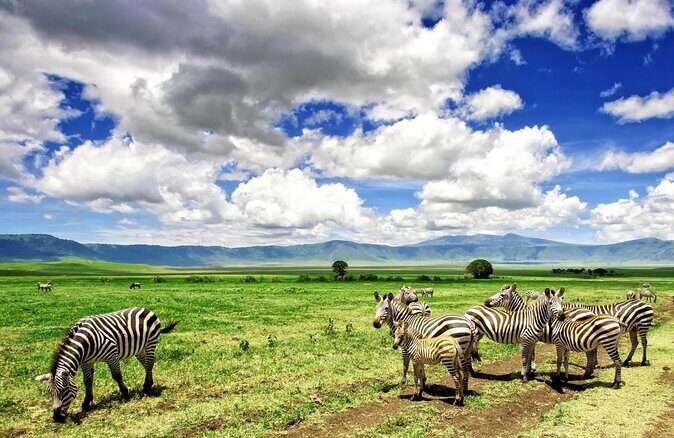
If you’re choosing Tanzania for the Great Migration, this itinerary makes a strong case. You’re not just doing a generic “Serengeti + one crater day.” You get a full week that starts on the Rift Valley escarpment with Lake Natron, then pushes into Northern Serengeti for migration chances, and finishes with Ngorongoro and Lake Eyasi.
What I like for you is the mix of classic big parks and quieter, story-rich places. Lake Natron is about scenery and soda-lake birds. Lake Eyasi is about people and daily life in a very different rhythm than the safari circuit. It gives your camera and your brain a break from the same kind of horizon.
A few more Arusha tours and experiences worth a look
Price and Logistics: What $4,514 Per Person Really Includes
At $4,514 per person for about 7 days, you’re paying for a private safari format, not a cheap shared shuttle with random stops. The value shows up in the “hidden costs” that often surprise first-timers: private transportation, a professional driver/guide, roundtrip airport transfer, and all fees and taxes.
Here’s what’s explicitly included:
- All accommodation mentioned in the plan (unless marked as an optional upgrade)
- All meals listed: breakfast 7 times, lunch 7 times, and dinner 6 times
- Park/admission fees are handled in the package (the plan also notes admission ticket free on some days and included on others)
- Use of binoculars and camping equipment
- Activities listed in the plan, covered unless marked optional
A practical note: the package lists restroom on board as not included. That matters on long drive days when you’d rather not be thinking about timing. Also, if you are hoping for a perfectly timed Great Migration moment, build in flexibility—animals move, and the best sightings track their routes.
Day 1 to Lake Natron: Rift Valley Escarpment views and flamingos on pink shores
Day 1 gives you an immediate change of pace from Arusha-style roads. After breakfast, pickup from the airport (either on tour day 1 or a day before) transitions into a drive following the Rift Valley Escarpment northwards. You pass through Maasai land, with Ol’doinyo Lengai—described as the holy mountain of the Maasai—visible in the distance.
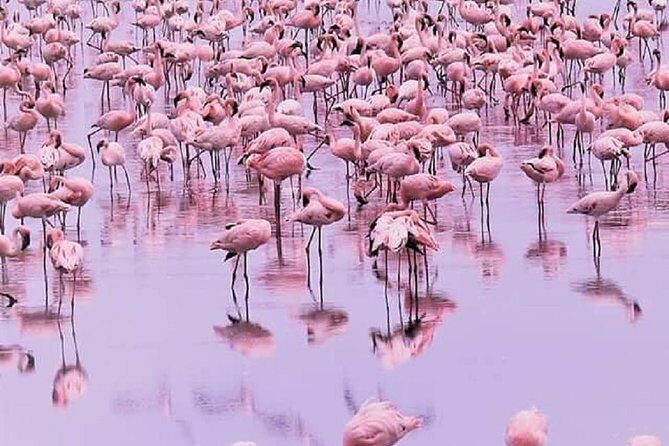
Then you reach the Lake Natron area near the small Maasai village of Ngare Sero. The plan includes a guided bush walk, timed for flamingo breeding activity. Lake Natron’s shores can shimmer pink as thousands of flamingos gather on alkaline water.
There’s also an optional choice that’s rare in safari schedules: you can wander to a nearby waterfall and even plan for a refreshing bath. For many people, that’s the day where the trip stops feeling like a parade of drives and starts feeling like place-based travel.
Where you’ll likely feel it most: Lake Natron is different. It’s not just wildlife; it’s geology, salt, and alkalinity creating an environment flamingos thrive in.
Days 2–3 in Northern Serengeti: Lobo, migratory herds, and predator spotting with less fuss
Next comes Northern Serengeti, entered via Kleins Gate around midday. The route heads north past villages like Wasso, with the last views of Lake Natron behind you as the Rift Valley falls away.
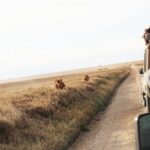
Your base for the first big Serengeti stretch is Lobo Wildlife Lodge. This area is described as supporting resident game year-round thanks to permanent springs and open grass plains broken by kopjes. That matters because you’re not only chasing migration movement. Even on days when the big herds are distant, the ecosystem still delivers lions, elephants, buffalo, giraffes, zebras, and other wildlife.
What Northern Serengeti is set up to do
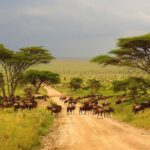
The plan explicitly leans into the dry season reality: Northern Serengeti remains wilderness-like and packed with the migratory wildebeest and zebra as the herds move. If your dates align with dry-season timing, your odds improve because the animals are more concentrated and water-driven.
This is also where good guidance pays off. The best driver/guide is reading signs constantly, not just driving fast. Many past travelers highlighted guides such as Estomih and Isaac for finding what other people miss—especially the right crossing scenes and the best camera angles.
A few more Arusha tours and experiences worth a look

Day 4 Central Serengeti (Seronera Valley): Wildlife year-round and a fun gazelle ID trick
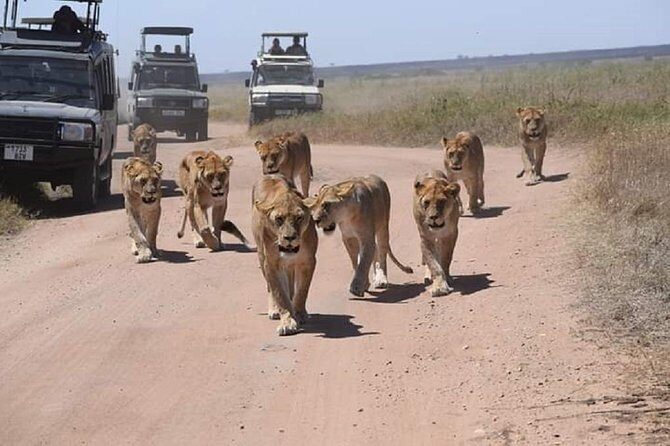
Day 4 shifts you toward Central Serengeti and the Seronera Valley, with a relaxed morning before game driving through the area. Seronera is known in the plan for year-round wildlife, including carnivores like cheetahs, hyenas, leopards, and lions.
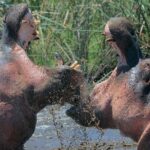
You’ll also see a lot of ungulates—buffalo, giraffes, hippos, impalas, topi, warthogs, and zebras. The safari math here is simple: when there are many species, you get more chances for surprise behavior—small stalking moments, predator-catcher interactions, and quick changes in herd movement.
One neat detail in the plan is a gazelle identification tip: distinguishing Grant’s from Thomson’s gazelles by rump markings and tail color. It sounds like a classroom moment, but it’s actually practical. Once you can tell them apart at a glance, you start noticing patterns: which species groups where, and how they react to predators.
For you, the takeaway: this is the day to slow down your expectations about one huge moment and focus on steady sighting quality.
Day 5 Ngorongoro Conservation Area: Rim views, Maasai life, and why craters concentrate animals
Ngorongoro day is a classic for a reason, but the context in the plan makes it feel less like a one-day stunt. You drive from Serengeti into the Ngorongoro Conservation Area, noted as separated from Serengeti in 1959.
An important human element is included: residents Maasai were relocated to this area and still live there today in harmony with wildlife. That helps you understand why you’ll see people and grazing patterns alongside animal habitat.
The plan also highlights the geography: the conservation area contains nine different craters within its boundaries. The day ends with accommodation on the crater rim, and the schedule promises a splendid view into the crater below.
What you’re getting on this day: less pressure, more setup. You’re not immediately rushing downhill. You’re building a mental map before the real crater descent the next morning.
Day 6 Into Ngorongoro Crater: Big Five searching and black rhino chances
Day 6 is the payoff. After breakfast, you drive along the crater rim to Seneto Gate and descend into the crater floor on an adventures path. From the start, it’s built around the idea that the crater holds water reliably, which draws animals and keeps movement consistent.
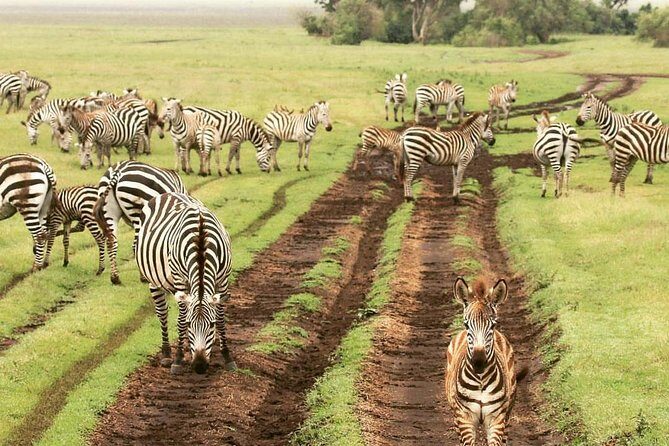
The plan notes seasonal differences: wildebeest and zebra increase in dry-season timing, while elands, elephants, and water-bucks are more common in wet-season timing. That’s why Great Migration timing matters even if you’re not inside the migration corridor itself.
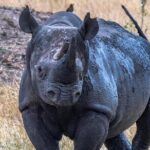
For wildlife searching, the crater is set up as a Big Five day. The plan lists buffalo, elephant, leopard, lion, and the black rhinoceros. It also mentions the crater as one of the only two places in Tanzania where the highly threatened black rhinoceros can still be observed.
To get the best out of this day, focus on patience and positioning. In crater country, animals often work the terrain—moving in lines, stopping in predictable cover, and reacting to wind and light. A skilled guide can turn one long look into two or three sightings by putting you on the right side of the movement.
Day 7 Lake Eyasi and Arusha: Hadzabe and Datoga village visits on soda-lake country
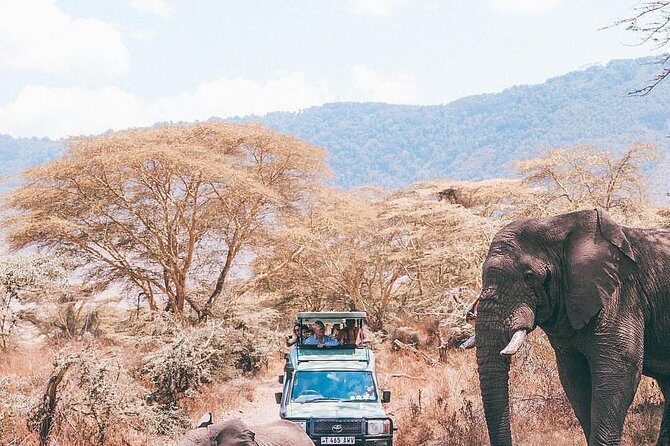
The last day brings you to Lake Eyasi, described as a soda lake fed by the Sibiti and Baray Rivers. It’s paired with a cultural experience that’s different from the wildlife-only rhythm of the rest of the safari.
The Eyasi region is home to the Hadzabe and Datoga communities, with the plan saying they continue ancient hunting-gathering and pastoralism respectively. Village visits are framed as intimate, with possibilities such as being invited into homes, learning about family structures, and participating in traditional dances.
This day is less about counting animals and more about learning how daily life fits into the land. I like finishing a safari with a human scale moment. It turns your trip from a wildlife photo album into a travel story with context.
Guide Quality That Shows in the Details (Estomih, Isaac, Simon, Christian, and more)
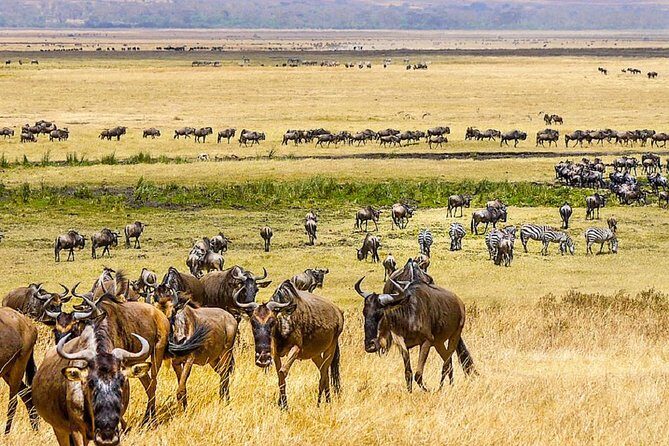
A week-long safari lives and dies on the guide. In the material you shared, the standout pattern is simple: the best trips came with guides who were sharp at finding animals and calm about the pace.
You’ll see names like Estomih, Isaac, Christian, Simon (often nicknamed safari monster), Innocent, Johnathan, Patrick, Sanke, and Chedy. Multiple mentions point to guides who:
- Stayed patient and energetic during long drives
- Explained wildlife and environment clearly
- Worked hard to find illusive animals and improve sighting odds
- Helped people get better photos, not just better viewing
For your decision-making, this means you should ask your operator how guide assignments work and what experience level you’ll have. Even with an excellent route, a great guide can turn “we saw a few animals” into “we saw the whole scene.”
What to Expect in a 7-Day Safari Like This (Comfort, timing, and smart prep)
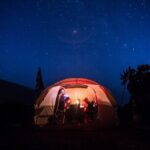
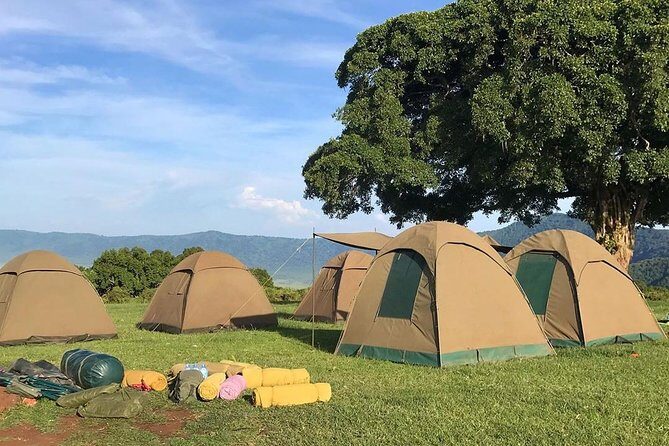
This trip is lodge-based, with a tented camp night at Lake Natron and lodge stays later (including Lobo Wildlife Lodge). That’s a good mix for most travelers: you get comfort, plus the sense of being in the bush.
Timing-wise, game drives start early. The meeting start time is 7:30 am, and the plan’s structure favors morning wildlife viewing. If you’re the kind of traveler who likes slow starts, you may want to plan a quick recovery habit—like packing a small kit for daytime naps and keeping your evenings low-stress.
Also, the itinerary includes lots of meals and all fees and taxes, which helps you travel without doing math all day. Just keep in mind the schedule lists dinner for 6 days, so I recommend confirming how the remaining meal handling works for your exact start date.
Bring the usual safari essentials: sun protection, a hat, layered clothing, and a way to keep your phone/camera batteries charged. Binoculars are included, so you can travel lighter.
When to Go for Better Great Migration Chances
The plan doesn’t guarantee exact herd behavior (because that’s wildlife), but it does give you useful timing hints.
- During dry season, Northern Serengeti is described as holding enormous migratory herds.
- Between October and December, it notes large wildebeest herds can be found crossing back to the southern plains.
If your goal is a specific kind of Great Migration moment, pick dates carefully and be realistic. Your best move is to align your trip with the seasonal patterns your route targets, then let the guide steer you toward what’s happening that week.
Should You Book This 7-Day Great Migration Safari?
I think you should book this if you want a smart mix: classic Serengeti + Ngorongoro, with two very different Rift Valley experiences that won’t feel like filler. The pricing can feel steep until you look at what’s included—private transport, guide, roundtrip transfers, accommodation, meals, and fees/taxes. In that context, $4,514 starts looking more like a “full safari package” than a bargain-basement tour.
Book it if:
- You care about Great Migration timing, especially dry-season movement
- You want Lake Natron’s flamingo spectacle, not just another park day
- You like finishing with Lake Eyasi’s community visits, not only wildlife
Skip it (or choose different dates) if:
- You hate long drive days and early mornings
- You need guaranteed sightings of a single migration event, no matter what animals do
If you’re flexible and want the week to feel both wild and human, this is a strong choice for Arusha-based Tanzania safari travel.
FAQ
What time does the tour start, and is airport pickup included?
The tour start time is listed as 7:30 am. Roundtrip airport transfer is included, with pickup on day 1 of the tour or a day prior being part of the plan.
Is this safari private or shared with other groups?
This is listed as a private tour/activity, meaning only your group participates.
What meals and accommodation are included?
Breakfast is included for 7 days, lunch is included for 7 days, and dinners are listed for 6 days. Accommodation includes the lodges/camps named in the plan unless labeled as an optional upgrade.
Which locations and parks do you visit during the week?
You visit Lake Natron, Northern Serengeti, Central Serengeti (Seronera Valley), Ngorongoro Crater/Ngorongoro Conservation Area, and Lake Eyasi, with Arusha included at the end.
Is the Lake Natron experience mainly about flamingos?
Yes. The plan includes a guided bush walk to Lake Natron, where flamingos are breeding on the alkaline lake, and it also mentions an option to go toward a nearby waterfall.
What wildlife are you aiming to see at Ngorongoro Crater?
The plan focuses on Big Five searching: buffalo, elephant, leopard, lion, and black rhinoceros. It also specifically mentions black rhinoceros observation in the crater area.
What’s the cancellation policy if plans change or weather is bad?
Free cancellation is available up to 24 hours in advance for a full refund. If the experience is canceled due to poor weather, you’ll be offered a different date or a full refund.