REVIEW · ARUSHA
7 Days Kilimanjaro trek via Machame route
Book on Viator →Operated by Mountain Warriors Tours and Safaris · Bookable on Viator
One more camp closer to Uhuru Peak. I like the Machame route because it gives you varied scenery and a west-side climb that feels like a real journey, not just an altitude grind, and I also like the high-touch guiding team led by Gasto, known for steady, encouraging pacing. The main drawback: this is still a tough trek, with the steep Barranco Wall scramble and a midnight summit push where altitude is the real boss.
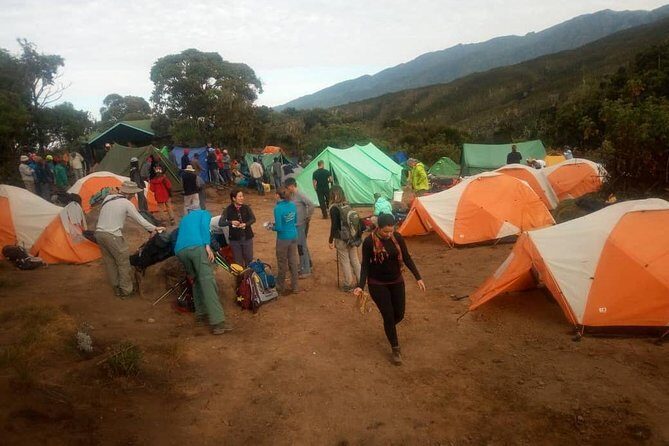
You start in Arusha, get driven to Machame Gate, then work your way through cloud forest, alpine desert, glacier views, and finally the crater rim at Stella Point. You’ll camp most nights, and you’ll see lots of other climbers since it’s a popular camping route—but your group stays private with your own guides and porters.
If you want a classic Kilimanjaro experience with structure, comfort on the mountain, and a team that keeps morale up, this Machame trek is built for you. Just be honest about your fitness and prepare for chilly, dark hours on summit night.
In This Review
- Key Highlights You’ll Actually Feel on the Trek
- Machame Route: Why This 7-Day Plan Works (and Where It Can Bite)
- Day 1: Arusha to Machame Gate, Then Cloud Forest to Machame Camp
- Day 2: Views Over the Plains, Then Shira Plateau Fossil-Made Terrain
- Day 3: Acclimatization That Looks Easy, but Isn’t
- Day 4: Barranco Wall Scramble and the Green Karanga River Valley
- Day 5: Barafu Camp, Glacier Views, and Summit Readiness
- Day 6: Headlamp Ascent to Stella Point and Uhuru Peak
- Day 7: Forest Descent to Mweka Gate and Back to Arusha
- What’s Included in the Real-Life Day-to-Day (Not Just the Big Moments)
- Price and Value: What You’re Really Paying For
- Who This Trek Fits Best (and Who Should Think Twice)
- Small Tips That Make Big Differences on Kilimanjaro
- Should You Book This Machame 7-Day Kilimanjaro Trek?
- FAQ
- How long is the Kilimanjaro trek on the Machame route?
- Where does the trek start?
- What is the daily walking style like?
- Are meals and drinking water included?
- Do you include park and rescue fees?
- Do I need to bring my own climbing gear?
- Is pickup or transfer included?
- What time does the tour start?
Key Highlights You’ll Actually Feel on the Trek
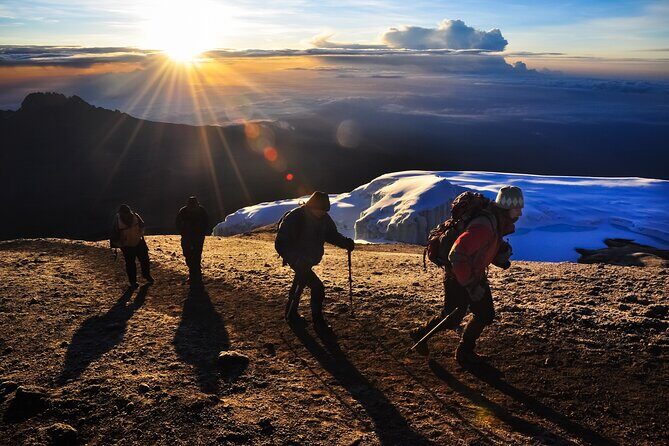
- Barranco Camp momentum: a favorite stop among the mountain staff, and the area that sets you up for the day’s big climb and scramble
- Acclimatization built in: a “not-too-tall but still important” day that helps you gain altitude safely before dropping into Barranco
- Scenery changes fast: cloud forest to high-altitude flowers to barren plateaus to glacier views by the time you reach Barafu
- Summit night is managed: headlamp start around midnight, with a steep push to Stella Point and a steadier final grind to Uhuru
- Comfort details matter: waterproof private tents plus mess tents with table and chairs, not just a bare camp setup
- Morale support from Gasto: guide enthusiasm, and even singing during the push, which can make the long hours feel less brutal
Machame Route: Why This 7-Day Plan Works (and Where It Can Bite)
The Machame route is often picked for one main reason: it’s interesting. You’re not walking the same kind of hillside every day. You move from lush, moss-covered cloud forest into thinning trees, then onto high-altitude vegetation like Senecio kilimanjari and Lobelia deckenii. Later you cross the Shira Plateau and enter barren stretches that feel stark and otherworldly—exactly the kind of “wait, this is Kilimanjaro” contrast that makes the trek memorable.
The trek is also designed around acclimatization. There’s a day where the overall elevation gain is modest on paper, but you climb high enough to trigger the body’s altitude adaptation before descending to camp. That pattern matters. It helps you arrive at key camps feeling like you have some engine left for the next day.
Now for the bite: this route is popular. That means you’re likely to share sections of trail with many other climbers. It doesn’t ruin the experience, but it does make the vibe more “big expedition” than “quiet wilderness.” Also, camping trekking always has a learning curve—cold nights, rough sleep, and the fact that you still have to keep moving even when your legs are tired.
You can also read our reviews of more hiking tours in Arusha
Day 1: Arusha to Machame Gate, Then Cloud Forest to Machame Camp
Day 1 starts with a drive from Arusha to Machame Gate that takes about 1.5 hours. On arrival, you meet the porters, guides, and cooks who will be with you for the climb. Then you register at the gate while your team handles final preparations.
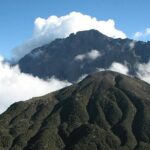
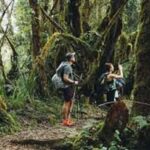
Once you start walking, the first payoff is the forest. You’ll hike through mystical, moss-covered trees in Kilimanjaro’s cloud forest. This is slower, quieter walking, and it’s a good way to settle your breathing and rhythm. Later, the forest thins and you’ll see heathers, tall grasses, and wildflowers. If the weather is clear, you can catch striking views of Kibo Peak—the part of the mountain you’ve likely been imagining since you booked.
What you’ll appreciate on Day 1 is that your team gets camp ready before you arrive. That means when you reach Machame Camp, you’re not also solving logistics problems with aching feet.
Day 2: Views Over the Plains, Then Shira Plateau Fossil-Made Terrain
Day 2 includes several uphill sections. This is a hydration day. The trek can feel hot if the sky is clear, so you’ll want plenty of water and consistent sipping, not heroic chugging.
As you climb, you’ll get viewpoints back toward the plains and forests below, with Kibo and Mawenzi peaks hanging overhead. The big visual cue is vegetation change: trees shrink and thin, and the trail starts featuring high-altitude plants like Senecio kilimanjari and Lobelia deckenii. It’s one of those “altitude is real” moments you can see, not just feel.
After lunch, you head toward the Shira Plateau. This plateau is formed by ancient lava flows from Kibo that filled the Shira crater. It gives the trail a sense of geology-on-display: the ground feels rougher, more open, and the views look larger than the forest did.
You finish at Shira Camp and get the day’s main accomplishment: settling into camp at a higher elevation so your body can start adjusting.
Day 3: Acclimatization That Looks Easy, but Isn’t
Here’s a clever feature of this route: Day 3 isn’t just “move forward.” It’s the kind of acclimatization day that helps you keep summit day realistic.
You’ll descend into Barranco Camp by the end, but along the way you climb to around 4,530 meters. The elevation gain for the day is described as small overall, but the climb up is still significant enough to challenge your system. That balance is the point: push high enough to adapt, then come down to sleep.
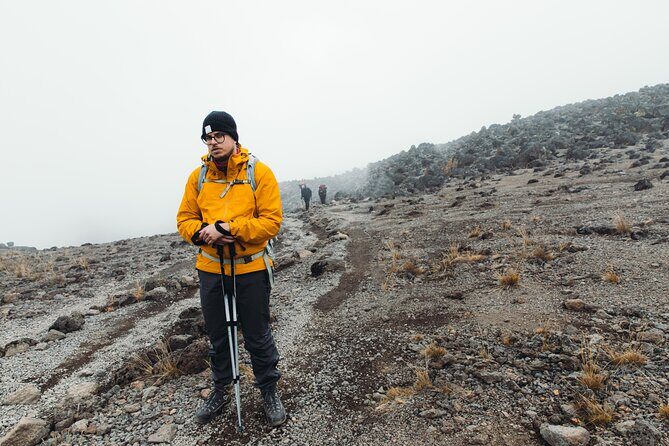
After breakfast, you hike east on the Shira Plateau and reach a junction area connecting the Shira and Lemosho routes. The trail then moves into barren landscape. It can feel stark after the earlier flower and forest sections, but it also makes it easier to spot where you are relative to the terrain around you.
Lunch comes mid-day, then you reach the highest point of the day before descending quickly to Barranco. If your pace and conditions allow, there’s a faster hikers detour via Lava Tower, a roughly 300-foot lava formation jutting out of the mountainside. It’s optional, but it’s the kind of stop that breaks up the monotony when you’re tired.
Day 4: Barranco Wall Scramble and the Green Karanga River Valley
Day 4 is where you feel the Machame route’s personality. You leave Barranco Camp for Karanga Valley, and the day starts with the Barranco Wall. This is described as the hardest part of the day. It’s an hour-and-a-half scramble, and in some spots you may need your hands. Even if you’re an experienced hiker, treat this as a technical section, not just a steep path.
Once you reach the top, the terrain eases into flatter walking before dropping into the Karanga River Valley. The best contrast on this day is the green. You go from exposed scramble effort to a valley that feels noticeably alive, which helps your brain reset after the steep work.
This is also the day where good pace pays off. If you move steadily, you’re more likely to arrive at camp feeling more human.
A few more Arusha tours and experiences worth a look
Day 5: Barafu Camp, Glacier Views, and Summit Readiness
After breakfast, you hike toward Barafu Camp. Along the way, you’ll see glaciers and the junction that connects the Mweka descent route with the Machame trail. Even if you don’t love photos, this is a day you’ll want to pause and look up. The views of Kibo’s glacier areas make the mountain feel both fragile and powerful.
You also pass by glacier features such as the Heim, Kersten, and Decken Glaciers on this part of the trek. Then the trail leads into alpine desert with little vegetation. It’s stark, but it’s also strangely clean-feeling after the earlier vegetation shifts.
Barafu Camp itself sits with stunning views of Kibo and Mawenzi peaks. And then comes the reality check: you’ll want to sleep early. You’re waking before midnight for the summit hike, so the goal is rest, not just getting comfy.
This is also where your trekking style matters. If you treat dinner like a calm routine and prioritize sleep, you’ll be more prepared for the dark, cold hours later.
Day 6: Headlamp Ascent to Stella Point and Uhuru Peak
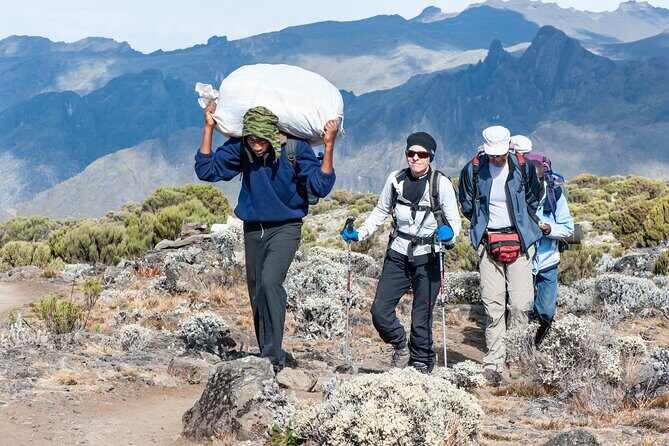
This is the day you booked Kilimanjaro for: the final ascent to Uhuru Peak.
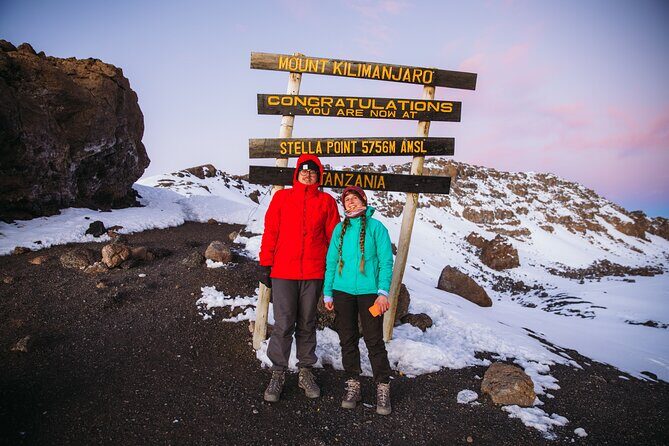
Around midnight, you start climbing with headlamps. The ascent takes about six hours, and the trail is very steep until the crater rim at Stella Point. From Stella Point to Uhuru Peak, the climb is more gradual. The tricky part isn’t steepness—it’s time. Altitude makes the hike long and tiring, even when the trail angle changes.
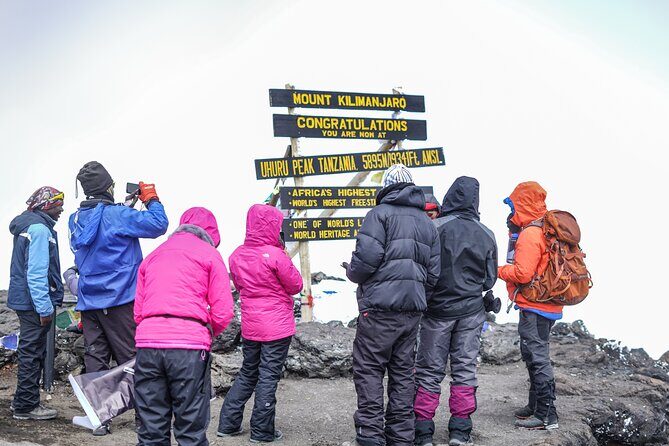
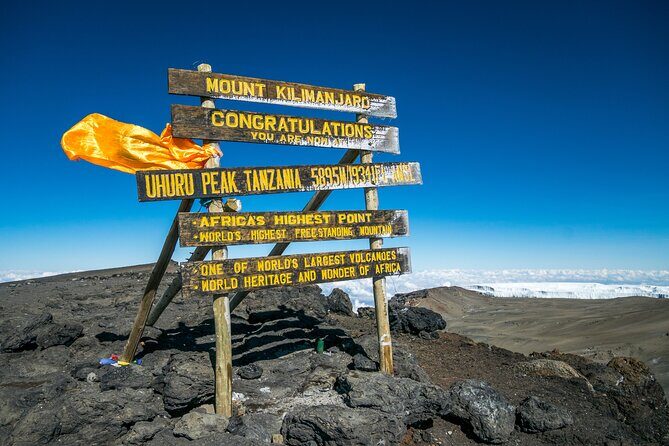
The crater rim hike is about one hour. When you reach Uhuru, you take photos with your guide and group at the peak, then begin the descent to Mweka Camp. On the way down, you’ll get sweeping views of the crater, clouds, and glaciers—often with a dramatic sense of altitude layering that you can’t see from lower camps.
One detail I’d pay attention to is how morale is managed on summit night. In the feedback from groups who’ve done this climb with the team led by Gasto, enthusiasm and even singing have been mentioned as part of keeping the mood positive when the hours drag. That doesn’t remove the physical effort, but it can make your brain less panicked and more focused on slow steps—pole pole, the pace you’ll hear emphasized.
Day 7: Forest Descent to Mweka Gate and Back to Arusha
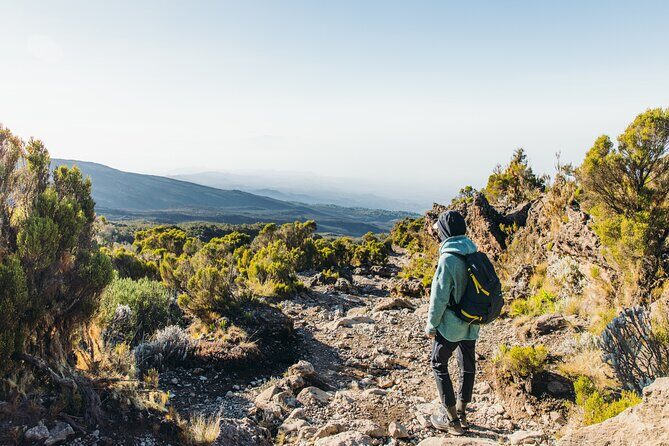
Day 7 is about finishing strong and getting off the mountain safely.
After breakfast, you hike through forest to Mweka Gate. The trail can be slippery if it rains, so good foot placement matters more than speed. Then vehicles meet you at the lower station of Mweka Gate to take you back to Arusha.
This final day often feels emotional in a quiet way. After days of high effort and low sleep, it’s a relief to move in a calmer forest setting and know you’ve already done the hard part.
What’s Included in the Real-Life Day-to-Day (Not Just the Big Moments)
This trek includes the practical backbone that makes a big altitude trip feel manageable:
- Professional guides with mountaineering support focus
- Porters and cooks who handle camps so you can hike instead of troubleshoot
- All meals while on the mountain (with breakfast each morning, plus lunch and dinner counts)
- Clean, purified drinking water
- Quality waterproof private mountain sleeping tents
- Mess tents with table and chairs, so meal time actually works like meal time
- All park fees and rescue fees
- Airport transfers
- A mobile ticket, which helps keep things simple before you arrive
The value here isn’t only that these items are listed as included. It’s that they remove the two common summit killers for many people: exhaustion from poor logistics, and stress from unclear meal/water setup.
Price and Value: What You’re Really Paying For
At $2,800 per person, this isn’t a budget stroll. But you are paying for a fully supported expedition structure: guides, porters, cooks, camp setup, park and rescue fees, meals, and the extra comfort items like private waterproof tents and mess tents with furniture.
You’re also not being asked to handle the mountain-administration maze while your body is busy fighting altitude. For a trek like this, that matters. If you’ve ever tried to DIY a complex trip, you know the time and energy costs don’t vanish just because the scenery is gorgeous.
What’s not included is also important. Person climbing gear is not included, and tipping is not included. Visas fee is not included either. If you expect the trip to supply everything down to your boots and layers, you’ll be disappointed. Plan gear carefully before you go, and keep your budget for tipping in mind.
Who This Trek Fits Best (and Who Should Think Twice)
This trek is for people with moderate physical fitness, but “moderate” doesn’t mean “easy.” You need stamina for steep days, cold nights, and a long summit push in the dark.
You’ll like this plan if:
- You want a route with varied scenery and strong views toward Kibo and Mawenzi
- You want real acclimatization structure rather than constant maximum effort
- You care about camp comfort and warm, organized meal setup
- You’re open to sharing the route with other climbers since Machame is popular
You should think twice if:
- You’re not comfortable with climbing sections that may require hand support on steep terrain (Barranco Wall)
- You know you struggle with altitude and long night hikes
- You want a quiet, lightly populated trail experience
Small Tips That Make Big Differences on Kilimanjaro
Here are a few practical moves that match how this trek is paced and what can trip people up:
- Start the day slow and consistent. The route repeatedly asks for steady uphill work, not bursts.
- Treat hydration like a task, especially on Day 2 when hiking can feel hot on clear days.
- Be ready for cold. Even if daytime feels fine, summit night and early mornings demand warm layering.
- Focus on rhythm, not distance. Summit day success usually comes down to slow, steady steps over time.
- Plan for slippery ground on the final forest descent if rain shows up.
And if your guide team includes Gasto, lean into the morale energy. Based on the experiences shared by past groups, that positive atmosphere has helped people keep moving when they wanted to slow down or doubt themselves.
Should You Book This Machame 7-Day Kilimanjaro Trek?
If you want a classic Kilimanjaro experience with structure, strong support, and camp comfort—this Machame route is a smart choice. The biggest reasons I’d book it are the combination of acclimatization planning, the dramatic scenery shifts, and the team approach that keeps you moving on summit night. The fact that guides like Gasto are known for steady encouragement and that extra bit of fun (including singing) is the kind of detail that can turn a hard climb into a life memory.
Book it if:
- You’re ready for steep effort and a midnight start
- You want a guided, supported camping trek rather than a self-managed adventure
- You value meals, water, tents, and camp logistics handled for you
Skip it if:
- You’re unwilling to invest in climbing gear before you arrive
- You want a totally quiet route with no other hikers in the mix
- Your fitness is far below moderate, since this trek asks for real uphill work and technical scrambling
If you match the trip to your body and expectations, this is the kind of summit journey that feels earned long after the peak photos fade.
FAQ
How long is the Kilimanjaro trek on the Machame route?
The trek runs about 7 days.
Where does the trek start?
It starts in Arusha, with transport to Machame Gate for the climb.
What is the daily walking style like?
You’ll hike multiple uphill sections across different terrain types, including a steep scramble on Barranco Wall and a long summit hike at night.
Are meals and drinking water included?
Yes. All meals while on the mountain are included, and you’ll have clean, purified drinking water.
Do you include park and rescue fees?
Yes, all park fees and rescue fees are included.
Do I need to bring my own climbing gear?
Yes. Person climbing gear is not included.
Is pickup or transfer included?
Airport transfers are included, and pickup is offered.
What time does the tour start?
The meeting start time listed is 7:30 pm.