REVIEW · ARUSHA
6 Days Tarangire, Serengeti, Ngorongoro & Manyara Joining Tour
Book on Viator →Operated by Safari G.O.A.T.S · Bookable on Viator
Wildlife days in Tanzania move fast. This 6-day north-circuit loop is built for real animal viewing, with time in Tarangire, Serengeti, the Ngorongoro Crater, and Lake Manyara—plus camping under a custom pop-up-roof safari jeep.
What I like most is the small group setup (maximum 7 people) and the team behind the scenes: a guide/driver and a chef traveling with you. That combo usually means less chaos on long drive days and more time watching, photographing, and adjusting when sightings change.
One thing to consider: you’re doing early starts and a lot of hours on the road across the circuit, and some of the headline animals (like tree-climbing lions) can be hard to confirm on any given day.
In This Review
- Quick hits before you go
- Six parks in six days: how this north-circuit itinerary works
- The custom safari jeep and the 7-person limit
- Day 1: Tarangire National Park and the baobabs-and-elephants feel
- Day 2: Serengeti entry with a Ngorongoro viewpoint stop
- Day 3: Serengeti game drives and the benefit of camping
- Day 4: Second Serengeti day, then heading to Simba campsite near the rim
- Day 5: Ngorongoro Crater descent for black rhino and crater-floor viewing
- Day 6: Lake Manyara’s flamingoes, hippo pool, and a realistic tree-lion chance
- Food, water, and camping gear: what’s included and what that means
- Price and value: is $1,600 per person a fair deal?
- Who this tour suits best (and who should think twice)
- Should you book this 6-day north-circuit safari?
- FAQ
- What time is the pickup?
- How many days is the tour, and which parks are included?
- How large is the group?
- What kind of vehicle do you travel in?
- Are park entrances included?
- What meals and drinks are included?
- Is camping gear included?
- What’s not included in the price?
- Is cancellation free?
Quick hits before you go
- Small group (max 7) makes the drives feel calmer and easier to manage when sightings pop up.
- Pop-up roof safari jeep helps you get better angles for spotting wildlife and photos.
- Serengeti gets 3 full days so you’re not rushing the park in one short afternoon.
- Ngorongoro’s crater floor can make animal viewing easier once you’re descending.
- Camping gear included (sleeping bag and mattress) so you can travel lighter.
- Big water plan: soft drinks plus bottled water of 3+ liters per day are part of the package.
Six parks in six days: how this north-circuit itinerary works

This is a classic northern Tanzania route starting around Arusha, built around four park highlights and one simple idea: give you enough time in each place to see more than just a quick glimpse.
You’ll start with Tarangire, then move into Serengeti for three days. The plan keeps you on the move, using early game drives and shifting where you go in Serengeti based on where animals are reported. After that, you’ll spend the next day focused on Ngorongoro Crater, including a descent in search of the hardest-to-spot star (the black rhino). Finally, you’ll end at Lake Manyara, known for flamingoes and the chance—often slim—for tree-climbing lions.
That mix matters. Tarangire often feels like a smaller version of Serengeti in how quickly animals show up and how scenic it can be. Serengeti is the big ticket. Ngorongoro is the dramatic day with the crater floor. Manyara is the bird-and-mammal finish where you also get a very close look at hippos at the hippo pool.
A few more Arusha tours and experiences worth a look

The custom safari jeep and the 7-person limit
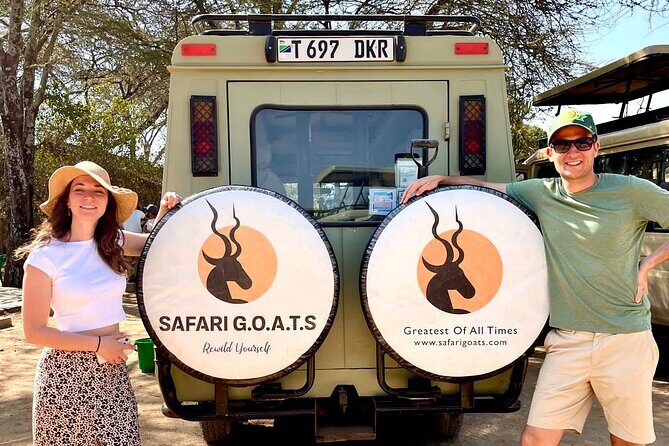
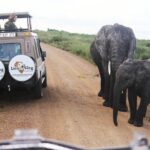
You’ll travel in a custom safari jeep with a pop-up roof, which is a practical upgrade for both spotting and photos. When you’re higher up, you waste less time scanning the ground for movement, and you can keep your eyes on animals instead of adjusting your position every few minutes.
The group size also helps. With a maximum of 7 travelers, you’re less likely to feel shuffled around or stuck waiting while someone sorts out gear. It’s not a giant bus vibe; it’s more like a tight team working together each morning.
You’ll also have the full support crew: a guide/driver plus a chef. That matters most on camping days and long drive days. Meals don’t become a scavenger hunt, and you spend the morning focused on the park rather than logistics.
Day 1: Tarangire National Park and the baobabs-and-elephants feel
Pickup starts at 7:30 am from your Arusha hotel area, followed by a drive of about 2 hours into Tarangire National Park. After you meet the guide and chef and get familiar with the group, you’ll settle into the first game drive.
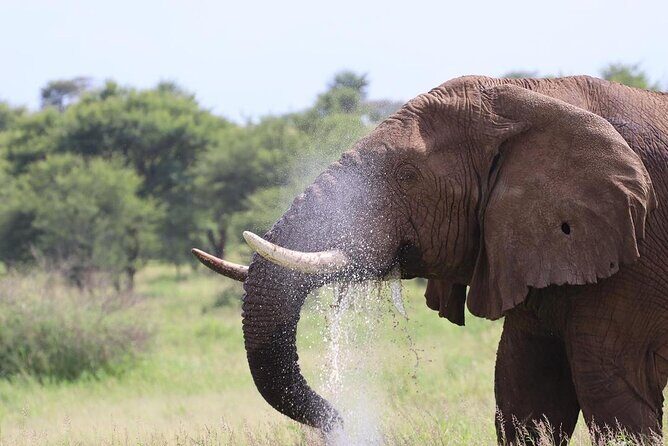
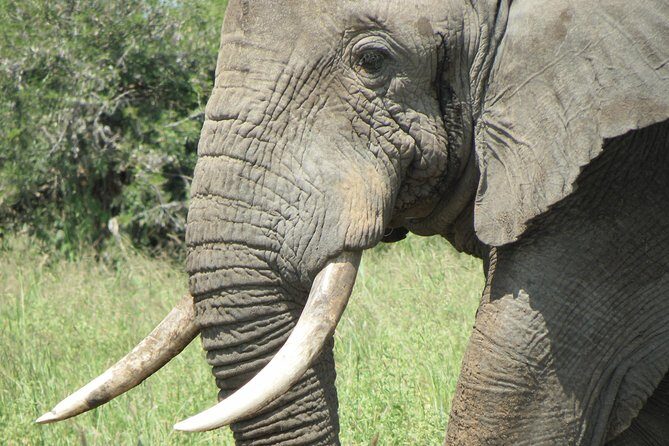
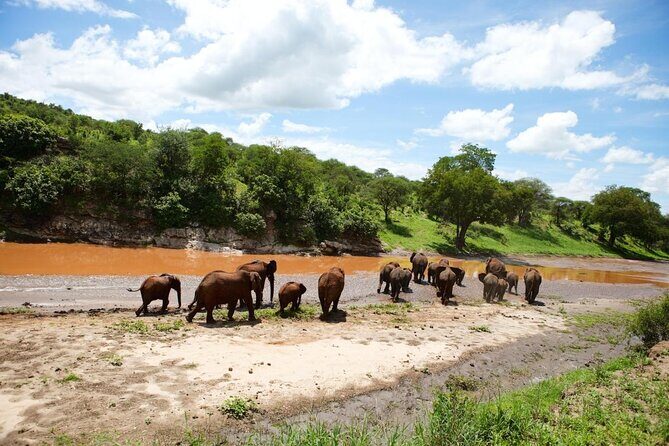
Tarangire’s calling card is the combination of ancient baobab trees and serious elephant presence—specifically, it’s known for having one of the largest concentrations of elephants in Tanzania. This is a park where you’re not just hunting for the rare moment; you can often spend time watching the ordinary moments too, like elephant families interacting.
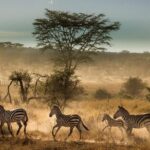
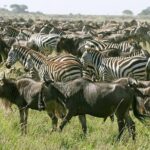
How the game drive is run is also worth noting. You’ll drive through Tarangire based on where animal sightings are reported. Predators like lions, cheetah, and leopards can be trickier to spot, while herbivores such as giraffes, wildebeest, and zebras are commonly more available.
The way Day 1 is designed is good value for your energy. You get a strong intro park without immediately jumping into the biggest, busiest area.
Day 2: Serengeti entry with a Ngorongoro viewpoint stop
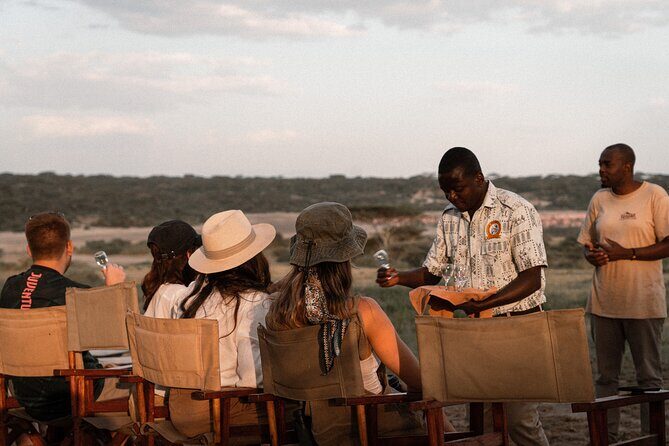
On Day 2, breakfast comes first, then you’ll drive from Mto wa Mbu toward Serengeti. The drive is about 6 hours because it includes stops and transits through Ngorongoro.
The itinerary includes a brief Ngorongoro gate and viewpoint stop for about 20 minutes. It’s short, but it’s smart: it gives you that first crater context early, so when you later descend into the crater, it feels like the full story instead of a sudden change of scenery.
There’s also an optional Maasai village visit around 20–45 minutes. Cultural visits can be one of those parts you either really want or really don’t. In this case, it’s clearly positioned as optional, and the info is straightforward about how older warrior traditions are largely in the past now, aside from practices like drinking blood (presented as something you may hear about while learning). If you prefer to keep the day strictly about animals, skipping this stop is a totally reasonable move.
After the drive, you’re set up for Serengeti’s scale the next morning.
Day 3: Serengeti game drives and the benefit of camping
Day 3 is a full-on Serengeti day, starting with an early breakfast and an early game drive. The plan then brings you through the day with lunch and continued game driving into the evening before returning to the campsite for dinner and overnight.
One detail I really like in how this tour is set up: animals can be spotted from the campsite. That doesn’t mean you’ll always see something, but it does mean you’re not trapped inside a lodge waiting for the next drive to get wildlife time.
What makes Serengeti work on this itinerary is not just the hours—it’s the flexibility. The tour explicitly notes that you’ll go to far parts of Serengeti in different directions depending on where wildlife movement is happening (north/south/east/west).
So rather than treating Serengeti like one fixed checklist, you’re more likely to hit animals where they actually are that day.
Day 4: Second Serengeti day, then heading to Simba campsite near the rim
Day 4 follows a similar rhythm: early breakfast, early game drive, and wildlife time pushing through into the afternoon. Then you’ll move toward camp for lunch and packing, plus some game driving while you exit the park.
You’ll head to Simba campsite, which is about a 2-hour drive near the rim of Ngorongoro Crater. Staying this close matters because it reduces the “driving penalty” before your Ngorongoro crater day. You’re already positioned for the big descent next.
Also, the tour uses the day to keep the animal focus on track. Instead of treating leaving Serengeti as travel-only time, it includes game driving while you exit.
Day 5: Ngorongoro Crater descent for black rhino and crater-floor viewing
This is the headline day for many people because the crater itself changes how you see animals. After early breakfast, you’ll descend into Ngorongoro in search of the black rhino. The tour is honest about the challenge: black rhinos are described as the hardest to spot in the crater, even though this is one of the best places to look.
Once you’re down there, animal viewing often gets easier because it’s a floor crater—meaning you’re not always scanning for movement across huge distances. In practical terms, you can spend more time on sighting quality and less on “where are they?” fatigue.
After lunch, you’ll do a game drive and later ascend the crater to camp and pack for your trip toward Fig Tree Lodge & campsite near Lake Manyara National Park. The note about being prepared for swimming if you’re interested adds a nice optional break from the nonstop safari routine.
Day 6: Lake Manyara’s flamingoes, hippo pool, and a realistic tree-lion chance
Day 6 starts with breakfast and then heads to Lake Manyara National Park. This park is famous for flamingoes on the lake, plus the rare but iconic chance of tree-climbing lions. The key word here is rarely seen, and the tour treats it that way—so go in with excitement, but not pressure.
Your game drive is designed to cover both the birds and the mammals. If flamingoes are visible when you arrive, it can be a dramatic way to end the safari—especially because this park also shines for smaller wildlife moments and birdlife.
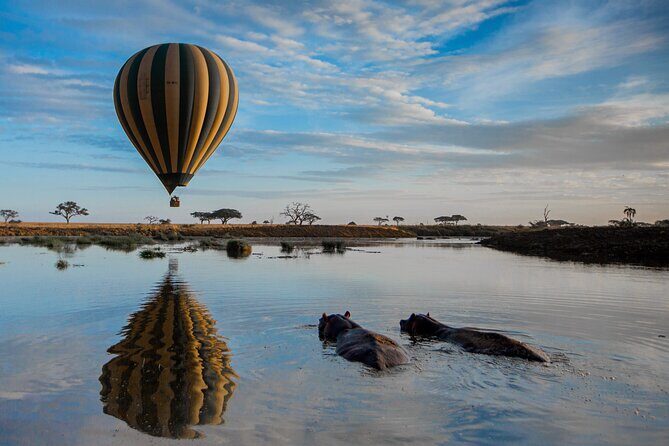
You’ll also visit the hippo pool for a close look at hippos and the hot spring, with all of it mixed into game drive time. The tour also lists common animals you might see, such as buffaloes, wildebeest, warthogs, vultures, eagles, and monkeys.
This final day is a good fit if you like variety: birds, big mammals, and that special Manyara feel without the intensity of chasing a single species.
Food, water, and camping gear: what’s included and what that means
This safari includes a lot that’s easy to overlook when you’re shopping price.
You’ll get soft drinks and water, with bottled water listed as 3 liters or more per day. In hot climates, water availability isn’t a luxury detail—it’s part of keeping the day comfortable and safe, especially when you’re out for hours in the jeep.
Meals are also included: 6 breakfasts, 6 lunches, and 5 dinners. Camping days can be where meal planning turns annoying fast on your own. Here, you can count on the rhythm and taste what the chef puts together instead of worrying about finding food between parks.
Camping equipment is included too: sleeping bag and sleeping mattress. That’s a real value add if you’d otherwise have to rent or buy gear.
If you’re the kind of traveler who wants to keep packing simple, this tour is set up for that.
Price and value: is $1,600 per person a fair deal?
At $1,600 per person, this isn’t a budget safari—but it also isn’t a barebones one. The value comes from what’s wrapped into the cost.
You’re paying for:
- All park entrances and taxes
- Transport in a custom safari jeep with pop-up roof
- A full team of guide/driver and chef
- Camping equipment (sleeping bag and mattress)
- Meals (breakfast/lunch/dinner coverage as listed)
- Water and soft drinks, including 3+ liters bottled water per day
What’s not included is also clearly stated: tips, flights, and visa. So when you budget, you should plan for those add-ons so you don’t get surprised later.
The real “value feel” here is the balance of time and included essentials. You’re not just buying drives—you’re buying multi-park access, meal structure, and the camping basics that keep you comfortable enough to focus on wildlife.
Who this tour suits best (and who should think twice)
This tour is best for animal-focused travelers who enjoy the rhythm of safari mornings and can handle a camping-style night setup (with lodge/campsites mixed in). It’s also a strong match for people who want enough time in Serengeti that you’re not stuck doing only one short drive.
You’ll especially like it if:
- You want more than one chance at predators and signature species.
- You’re okay with some uncertainty, because sightings like tree-climbing lions and black rhino are described as hard to spot.
- You like being with a small group and traveling with a dedicated team.
You might think twice if:
- You want a very relaxed, low-driving vacation. This is still a circuit, and the schedule moves.
- You hate early mornings. Several days start with early breakfast and early drives.
Should you book this 6-day north-circuit safari?
I’d book this if you want the best mix of Tanzania’s famous north parks in a single week, with Serengeti time that doesn’t feel rushed and Ngorongoro treated as its own big moment. The small group size, pop-up jeep setup, and included meals/water make the experience practical, not just exciting.
Book it too if you’re the type who likes photos and video from higher sightlines and wants multiple days where animals show up in real ways—not just one or two quick sightings.
One last smart check: decide in advance how you feel about optional stops like the Maasai village. If you’re there for wildlife only, you can keep the day animal-first and let the cultural side be a bonus.
FAQ
What time is the pickup?
The tour starts with pickup at 7:30 am.
How many days is the tour, and which parks are included?
It’s about 6 days and covers Tarangire, Serengeti (3 days), Ngorongoro Crater, and Lake Manyara.
How large is the group?
The maximum group size is 7 travelers.
What kind of vehicle do you travel in?
You travel in a custom safari jeep with a pop-up roof.
Are park entrances included?
Yes. All park entrances and taxes are included.
What meals and drinks are included?
Soft drinks and water are included, with bottled water listed as 3 liters or more per day. Meals include 6 breakfasts, 6 lunches, and 5 dinners.
Is camping gear included?
Yes. Sleeping bag and sleeping mattress are included.
What’s not included in the price?
Tips, flights, and visa are not included.
Is cancellation free?
The policy is free cancellation, with a full refund if you cancel up to 24 hours before the experience’s start time.