REVIEW · MOSHI
7 Days Kilimanjaro Climbing | Hiking Tour via the Lemosho Route
Book on Viator →Operated by KILIMANJARO CLIMBING TOURS · Bookable on Viator
Seven days to stand on Africa’s roof. The Lemosho route is a smart way to get on the mountain gradually, then push for Uhuru Peak when conditions line up. I like how the route builds acclimatization along the way, instead of starting with a straight-up sprint.
I also like the practical support built into the package. You get all meals during the trek plus camping gear (including tents), and the tour includes transfers from Moshi, so you’re not juggling logistics while your body is busy adjusting to altitude.
One consideration: the summit push is cold and serious. The plan notes that in June temperatures can drop to -20°C, and at higher points (like Barafu) you should expect very limited comfort, including no water for washing.
In This Review
- Key highlights worth your attention
- First Steps in Moshi: Meeting Burigi Chato Safaris and Getting to the Gate
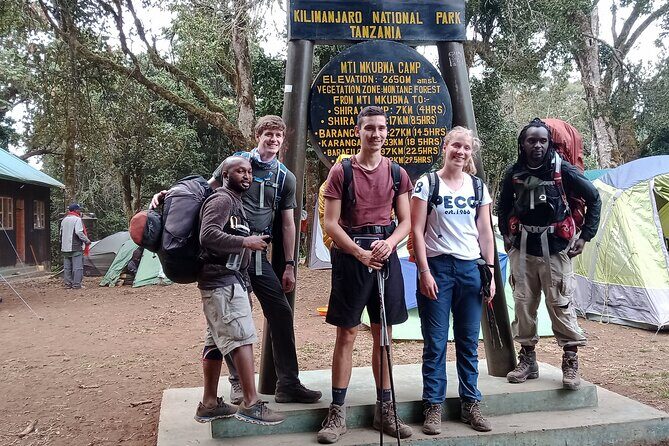
- Day 1 from Lemosho Gate to Mti Mkubwa Camp: Jungle Intro and First Camp Vibes
- Day 2 into Shira Country: Jungle to Savannah, Kibo Views, and Water Crossings
- Day 3 to Lava Tower: The Acclimatization Day on Shira Plateau (and Senecio Trees)
- Day 4 Barranco Wall and Karanga Valley: Challenging But Teachable
- Day 5 to Barafu Camp: The High-Altitude Setup for a Summit Night
- Day 6 Uhuru Peak Sunrise: The Long Cold Climb and the Clothing Math
- Day 7 Descent to Mweka Gate: Certificates, Moshi Town Energy, and Real Recovery
- Price and Logistics: What You’re Paying For (and What to Budget Separately)
- Who This Tour Fits Best (and Who Should Rethink It)
- Should You Book This 7-Day Lemosho Kilimanjaro Climb?
- FAQ
- What route does this Kilimanjaro trek use?
- How long is the trek?
- Where does the tour start and when?
- Are transfers from Moshi included?
- Are meals included?
- Is camping gear included?
- Is there an admission/park fee included?
- What costs are not included in the price?
- What happens if weather affects the trek?
- What is the cancellation policy?
Key highlights worth your attention
- Lemosho pacing with an acclimatization stop at Lava Tower before heading toward higher terrain
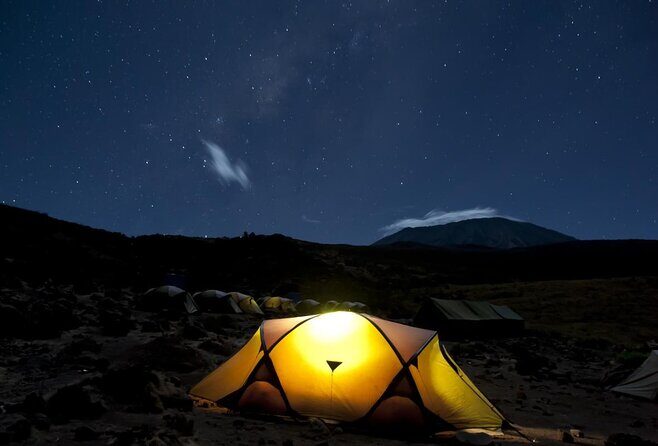
- Camping comfort handled for you: tents provided, plus meals and supplies included
- Guided summit night from Barafu, usually starting around 11 to 12 a.m.
- Big views at Shira Plateau and Kibo teases that help you stay motivated
- Certificate day: you’ll sign out at Mweka Gate and receive your documents before heading back to Moshi
- Strong human support highlighted in reviews, including director Geoffrey and smiling cooks/porters
First Steps in Moshi: Meeting Burigi Chato Safaris and Getting to the Gate
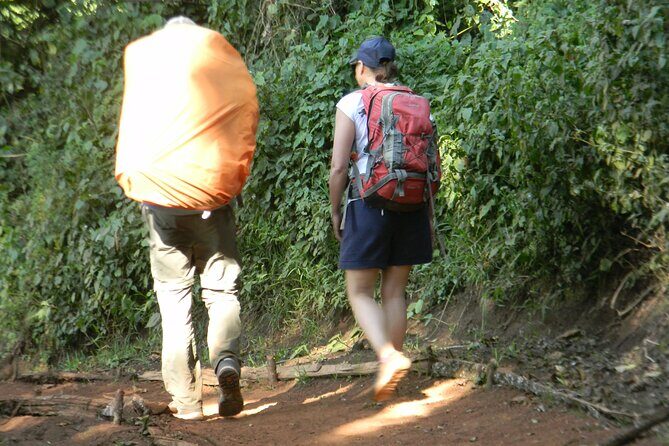
This trek starts in Moshi, and you’ll meet at Burigi Chato Safaris Co Ltd in town. The listed start time is 8:30 a.m., and the tour offers pickup. If you’re coming from the airport, plan to arrange your own airport pick-up if it isn’t already handled by your package, since airport pick-up costs are listed as not included.
Why this matters: Kilimanjaro days are long enough without adding extra driving stress. Your first half-day is basically “get organized, get to the entry point, and start walking,” and the tour tries to keep that smooth.
You’ll also have a chance to pick up small extras before the gate process. Think snacks, electrolytes, or whatever helps you feel human on mountain time. Then you’ll handle the park entry procedures and begin your climb from Lemosho Gate/Londorosi entry area (the drive connects these steps).
Tip for your planning brain: keep your “summit night” layers and essentials easy to access. You don’t want to do laundry-level digging in your bag once you’re already cold and tired.
You can also read our reviews of more hiking tours in Moshi
Day 1 from Lemosho Gate to Mti Mkubwa Camp: Jungle Intro and First Camp Vibes
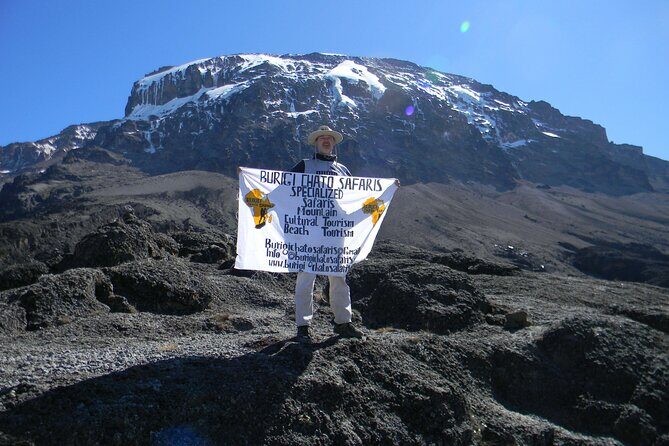
Day 1 is your on-ramp. You’ll drive from the entry point to Lemosho, then start walking through lush forest. The pace is meant to feel doable because you’re still building the foundation for the days ahead.
Along the way, the route passes through areas where you might spot wildlife—one note calls out high contrast colobus monkeys. These are the kinds of moments that make the trek feel like more than just exercise. If you like nature breaks that don’t require extra effort, this is your day.
You’ll end at Big Tree (Mti Mkubwa) Camp. The day runs about 4 hours on the trail, and once you arrive, you prep for dinner and your evening routine. Camping on Kilimanjaro is part of the deal: you’re not just hiking between hotels, you’re living with the mountain for the night.
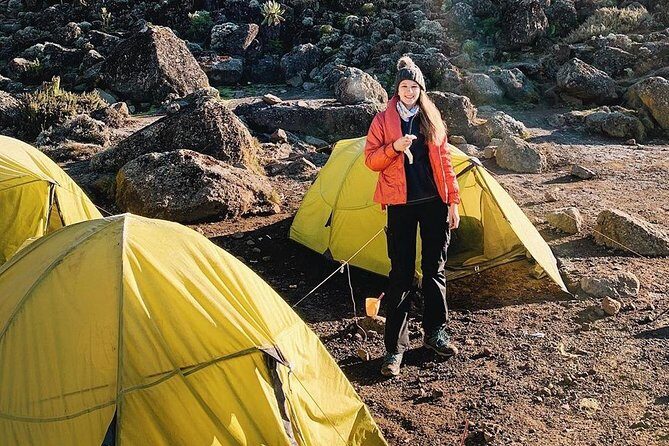
One practical detail from the setup: tents are provided, and the tour includes meals, so you shouldn’t be carrying your whole camp kit. That’s a big deal on your back and also on your mental bandwidth.
Day 2 into Shira Country: Jungle to Savannah, Kibo Views, and Water Crossings
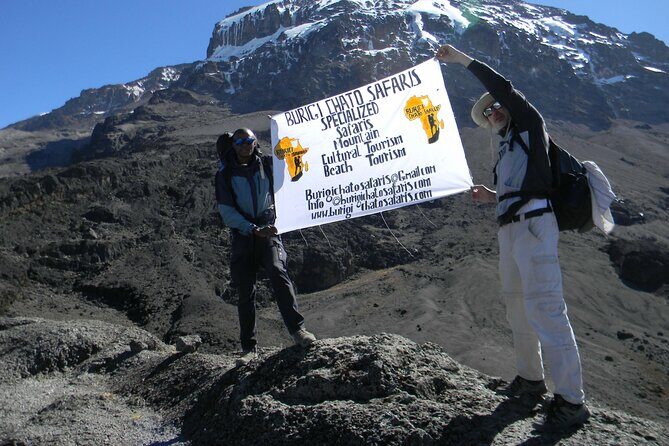
Day 2 is where the scenery starts changing more noticeably. You’ll walk around 8 km, moving from tropical jungle into savannah and rougher terrain. Expect water stream crossings along the way.
This day is also a view day. At Shira Camp 1, you’ll stop for lunch and get what the route describes as some of the best perspectives on Kibo. That matters because Kilimanjaro can otherwise feel like fog and effort. When the mountain finally shows itself, you get a reminder of what you’re working toward.
Then you continue to Shira Camp 2 for the evening. This stretches your stamina a bit, and it also sets you up for the longer acclimatization work coming next.
Potential drawback to keep in mind: stream crossings can slow you down, even if they’re not dangerous. Dry-season footwork still matters, and wet rocks can turn “easy” into “careful.” Go steady, keep your balance, and don’t treat it like a race.
Day 3 to Lava Tower: The Acclimatization Day on Shira Plateau (and Senecio Trees)
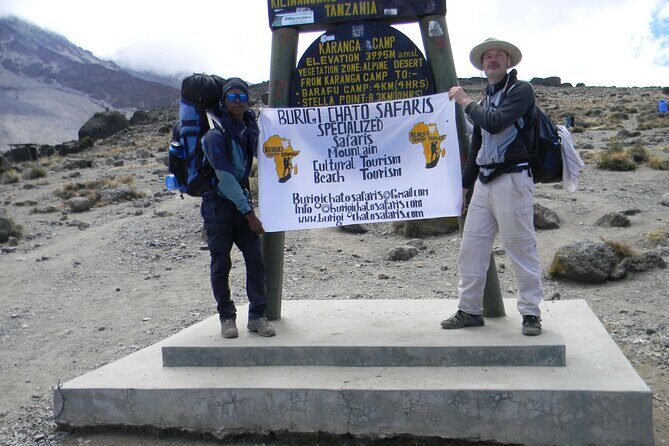
Day 3 is built around altitude sense. You travel across moorland vegetation and the zone of giant heather, then reach Shira Plateau, which is described as one of the longest plateaus on Earth.
Your main acclimatization moment comes via the short journey to Lava Tower (4,640 m). You’ll have lunch there, then you’ll descend afterward while spotting giant Senecio kilimanjari trees. This is one of those days where the payoff is partly visual and partly physiological: you’re helping your body adjust while still moving toward higher camp terrain.
The day ends at Barranco Camp (3,960 m) for the night, and the hiking time is listed at about 5 hours.
Why this day is valuable: it’s not only “more walking,” it’s the strategy of gaining altitude without jumping too fast. You’ll feel the difference over the next couple of days. Even if you feel fine early, your body can still be playing catch-up.
A reality check: you should still take acclimatization seriously. Slow steps, steady breathing, and not overexerting yourself on the way up will help you get more out of the route’s design.
Day 4 Barranco Wall and Karanga Valley: Challenging But Teachable
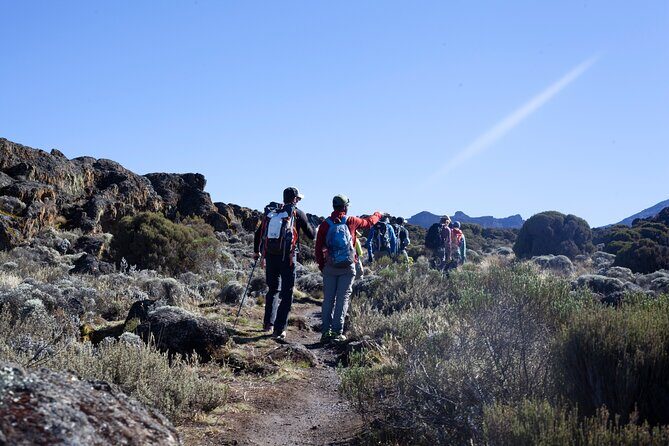
Day 4 includes the Barranco Wall. The route calls it not extremely difficult, but it is specialized and can be long and tiring. Translation: you’ll work a bit with your legs and balance, and you may feel more “effort” than you expected.
After the wall, you travel down to Karanga Valley (3,963 m). This is your rest-and-mingle stop. You’ll eat before heading back to your tent for the overnight.
What I like about this day is that it gives you a meaningful challenge before the biggest summit-style grind. You’re not jumping from easy walking straight to steep summit terrain. You’re learning the mountain rhythm: short exertion, gradual recovery, keep going.
Potential drawback: Barranco’s effort can feel mentally irritating if you expect it to be quick. Don’t. Treat it like training for your summit mindset—controlled movement, no heroic pacing.
A few more Moshi tours and experiences worth a look
Day 5 to Barafu Camp: The High-Altitude Setup for a Summit Night
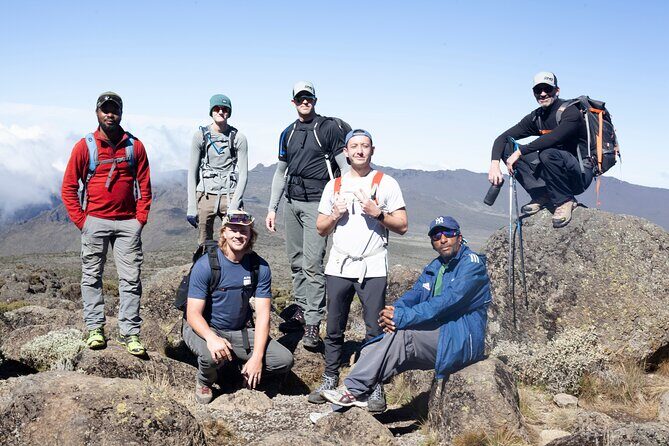
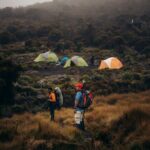
Day 5 shifts into higher desert terrain. After breakfast, you’ll follow a path connected with a crevasse, then work toward the west to Barafu camp (4,664 m). The route describes a short but troublesome 3 km walk, with cairns marking the way. Expect gradual pacing because altitude makes everything feel heavier.
Barafu itself can be very cold. You’ll have your initial dinner there, then rest for the pre-summit push. The tour notes you’ll likely start the summit attempt around 11 to 12 a.m.
Two practical points to take seriously:
- The route describes elevated desert above 4,000 m, and limited sightings of birds around the camping area.
- It explicitly notes no water for washing and no water streams over this rise.
That means your comfort strategy should be simple: hydrate when available, do what you can with the washing possibilities you’re given, and focus on staying warm and moving efficiently.
This is also where the human side of the operation matters. Reviews mention strong team support—guides, porters, and cooks showing up prepared and staying cheerful. When you’re cold and your legs feel like they’re made of stone, that morale boost isn’t trivial.
Day 6 Uhuru Peak Sunrise: The Long Cold Climb and the Clothing Math
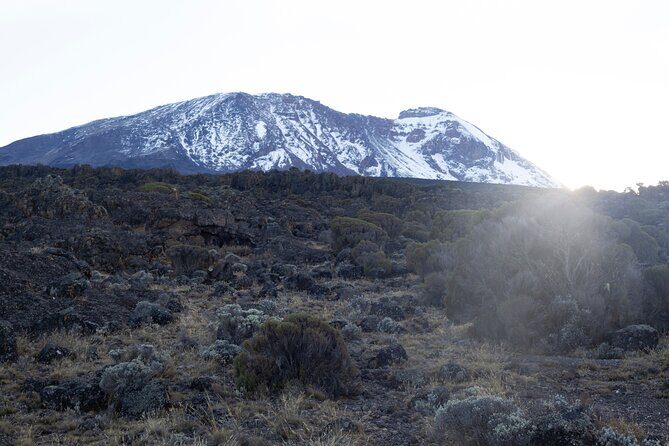
Day 6 is the summit day: Barafu to Uhuru Peak, then the descent begins right after. The route describes six to seven hours for the ascent, and the total day walking time is listed at about 8 hours.
Morning at this altitude is not like morning elsewhere. The route points out that summit temperatures can drop extremely low, and in June it mentions the thermometer can reach -20°C. That’s why dressing correctly becomes more important than “looking cool.”
The tour’s guidance is clear: you’ll have coffee and snacks, then put on the rest of your layers (summit garments) before going. Your guide will tell you how to pace, and you’ll walk gradually and follow directions.
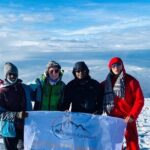
Once you reach Uhuru Peak, the reward is described as stunning views and the possibility of a beautiful sunrise if weather allows. Then it’s back down, with some short memories at the top before the descent.
Balanced perspective: not summiting is a real possibility on Kilimanjaro, and one review specifically points out altitude sickness and an experience that still felt well handled even without reaching the top. That’s a reminder to value the guide’s decisions. The mountain is not a checkbox. It’s a health test with a view.
Day 7 Descent to Mweka Gate: Certificates, Moshi Town Energy, and Real Recovery
After breakfast, you descend to Mweka Gate. When you arrive, you’ll sign out and receive your certificates. Then the driver-guide takes you back to your accommodation in Moshi Town with the group.
This is also the moment when your summit partner (and your legs) can finally unclench. One review mentions that this is a good time to celebrate with the team—something like a quick lager moment—if you’re in that mood. Not everyone wants to party on Day 7, but it’s nice to know there’s an easy social landing.
The trail time is listed at about 5 hours, which usually feels like a “real hike day” compared to the pre-dawn grind. You’re moving downhill, but you’re still at altitude, and your knees will want respect.
After you’re back in Moshi, you can plan extra time. One of the reviews talks about a Moshi town visit and shopping, describing it as clean and well organized, with local markets and good pricing. So if you have a day or two after the trek, you can make the overall trip feel bigger than just mountain days.
Price and Logistics: What You’re Paying For (and What to Budget Separately)
The price is $965 per person for this 7-day Lemosho climb. For a summit attempt, that’s best understood as a package value: guide, all fees and taxes, all meals during the trek, and tents/camping gear are included, plus transfers from Moshi.
What’s not included is also important for budgeting:
- Tipping the guide
- Visas, medical and travel insurance
- Flight costs
- Airport pick up costs
- One night hotel accommodation before the tour
So the true cost is usually your base trekking fee plus the extras above. If you’re doing this trip as part of a wider Tanzania plan, also factor in what you already have booked. When tours include more of the mountain-side basics (meals, guide, tents), your incremental costs tend to be more predictable.
Given the review themes—strong support, prepared teams, and good gear—this price looks like it’s aimed at covering the essentials properly, not cutting corners. You still need to plan your own pre-trip and insurance, though. That part isn’t negotiable at altitude.
Who This Tour Fits Best (and Who Should Rethink It)
This climb is for people who want a guided Kilimanjaro summit attempt in about a week, and who are okay with camping. You also benefit if you prefer a route that includes acclimatization stops like Lava Tower, rather than trying to brute-force altitude.
It’s especially suitable if:
- You like structured days with clear stops and meals handled for you
- You want Lemosho’s pacing to help your body adjust
- You’re motivated by sunrise potential on summit morning
Reconsider if:
- You expect a hotel-style experience
- You get uncomfortable with cold, early starts, and limited washing at high camps
- You’re not ready for the reality that summit success depends on weather and health, not willpower alone
And one more practical note: you’ll be at altitude fast. Even with acclimatization days, treat each day’s effort as a careful step, not a personal best challenge.
Should You Book This 7-Day Lemosho Kilimanjaro Climb?
If you want a one-week Kilimanjaro with meals, tents, guide support, and Moshi transfers included, this is the kind of plan that makes the mountain feel manageable. I’d especially consider it if you appreciate the route’s acclimatization logic (Shira Plateau and Lava Tower) and you want a guided summit night from Barafu with a clear start window.
Book it if:
- You’re planning to train smart and move slowly on ascent
- You’re okay with serious cold on summit night
- You want an operator that, based on past experiences, treats the whole team as part of the success story—guides, porters, and cooks working together (and staying positive, according to reviews)
Skip or compare if:
- You’re trying to minimize cold-weather camping discomfort
- You don’t want to budget for tipping and travel insurance on top of the trek fee
- You need a more flexible itinerary for weather or personal health concerns
The short version: if you’re ready for a real mountain week, the Lemosho route plus the included support system is a solid way to aim for Uhuru Peak without turning your trip into a logistics project.
FAQ
What route does this Kilimanjaro trek use?
This tour climbs Kilimanjaro via the Lemosho Route.
How long is the trek?
The trek is listed as 7 days (approximately).
Where does the tour start and when?
The meeting point is at BURIGI CHATO SAFARIS CO LTD in Moshi, and the listed start time is 8:30 a.m.
Are transfers from Moshi included?
Yes, transfers from Moshi are included and pickup is offered.
Are meals included?
Yes. The tour includes breakfast, lunch, and dinner (breakfast 6, lunch 7, dinner 6).
Is camping gear included?
Yes. Camping gear is provided, and tents will be provided so you can pack lighter.
Is there an admission/park fee included?
The daily activity descriptions indicate admission ticket included, and the package also lists all fees and taxes as included.
What costs are not included in the price?
Not included are tipping the guide, visas, medical and travel insurance, flight costs, airport pick up costs, and one night hotel accommodation before tour.
What happens if weather affects the trek?
This experience requires good weather. If it’s canceled due to poor weather, you’ll be offered a different date or a full refund.
What is the cancellation policy?
There is free cancellation: you can cancel up to 24 hours in advance for a full refund. If you cancel less than 24 hours before the experience starts, the amount paid is not refunded.