REVIEW · ARUSHA
6 Days Private Safari in Tanzania
Book on Viator →Operated by Kingse Guides · Bookable on Viator
Crater mornings change your sense of scale. I like the way this safari is run with guide Peter, so the animals have context, and I love the push into the Ngorongoro crater early with breakfast by the hippo pool. The trade-off is the pace: you’re up early, and you’ll be out for long game-drive stretches.
You’ll bounce between three big areas—Tarangire, Ngorongoro Conservation Area, and Lake Manyara—so your wildlife chances don’t feel like one long wait. I also like that the route includes real stops for local life, from Maasai cattle herders to small farming towns, not just “park, drive, repeat.”
Because it’s private, you only share the experience with your group, and pickup is offered right from the airport into Arusha. Still, with private safaris, you’re paying for that one-to-one flow, so it’s best when you truly want a customized rhythm.
In This Review
- Key things I’d bet on in this 6-day private Tanzania safari
- Arusha pickup and the rhythm of a 6-day private safari
- Tarangire National Park: baobab scenery and elephant-herd time
- On the way to Ngorongoro: Maasai cattle and small farming towns
- Ngorongoro crater morning with a hippo-pool breakfast
- Lake Manyara’s tree-climbing lions and baboon troops
- Why guide Peter makes this feel like more than a checklist
- Price and value: does $1,900 per person make sense?
- Practical tips for early starts and long game-drive days
- Should you book this private 6-day Tanzania safari with Kingse Guides?
- FAQ
- How long is the private safari in Tanzania?
- Where does the safari start and when?
- Which parks and areas are included?
- Is this tour private?
- Is breakfast included during the Ngorongoro crater portion?
- What is the cancellation policy?
Key things I’d bet on in this 6-day private Tanzania safari
- A true private safari: only your group, with a trained guide for the full 6 days
- Guide Peter’s communication: praised for English and animal knowledge, which matters on a safari
- Ngorongoro crater early start: breakfast by the hippo pool inside the conservation area
- Tarangire elephant herds and baobab scenery: a classic Tanzania combination
- Lake Manyara wildlife variety: including the park’s famous tree-climbing lion and baboon troops
- Local-life stops en route: Maasai cattle herders and small farming towns on the way to the crater
Arusha pickup and the rhythm of a 6-day private safari
This safari is built around Arusha, with pickup that begins as soon as you land. The plan starts with you being picked up at the airport, stopping in Arusha on the way to your lodging for the evening, then moving into full safari days after that.
A big practical benefit is the start time: you’re set for an early day at 7:00 am, which fits how wildlife viewing usually works best. If you don’t love mornings, plan on adjusting your sleep fast, because the route is designed to capitalize on daylight when animals are most active.
Because it’s private, you’re not stuck with a rigid “group herd” pace. You can focus on what you care about most—lions, elephants, or simply learning how to read the landscape and animal behavior as you go—without it turning into a sprint.
You can also read our reviews of more private tours in Arusha
Tarangire National Park: baobab scenery and elephant-herd time
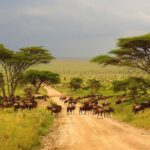
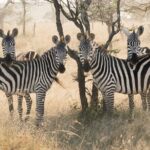
Tarangire National Park is your first real wildlife day, and it’s a smart choice. The park is known for massive elephant herds and dramatic baobab trees, which gives you both big-animal energy and memorable scenery.
A typical six-hour block here gives you time to watch herds move and pause, instead of just passing through. That rhythm matters: elephants don’t always show up on a schedule, so having a guided window lets your guide keep working the habitat until you’re in the right place at the right time.
What I’d watch for on this day is how your guide talks through animal behavior. With the right guidance, elephant viewing stops being just spotting and starts being understanding: where they’re feeding, what the herd is reacting to, and how the landscape shapes movement.
One consideration: your day is long, and you’ll likely spend hours in the vehicle. If you get stiff from long drives, bring motion-comfort basics and dress for warm sun and cooler morning air.
On the way to Ngorongoro: Maasai cattle and small farming towns
Day 3 shifts from pure park driving into the journey phase, and that’s where the itinerary becomes more human. On the way to the crater, you can see Maasai cattle herders and small farming towns, with built-in chances to stop and experience local life.
This matters because it gives your safari a fuller “Tanzania” feeling. Wildlife is the headline, but the background is what makes your day stick in your memory—watching cattle herding patterns, seeing how people organize everyday tasks, and noticing the pace of community life.
Your time on this day is about 6 hours, so you’re not only transferring between parks. You’re actively seeing the region’s textures, which can make the later crater morning feel like a payoff instead of a random next stop.
As with any route that includes stops outside the vehicle, you’ll want to keep a calm, respectful mindset. The best moments here tend to be quiet ones: observation, patience, and letting your guide handle the best way to approach and move on.
Ngorongoro crater morning with a hippo-pool breakfast
If you want one day to anchor the trip, it’s the early crater outing. You enter the crater for a morning game drive, and you build in time for breakfast by the hippo pool within the crater, which is both practical and memorable.
That breakfast detail is more than a cute perk. It forces you to slow down in a place that’s usually about quick sightings, and it gives you a natural “basecamp” moment surrounded by crater wildlife dynamics. When you start your day this way, your later viewing feels more connected, because you’ve already been watching the water edge and the area’s movement.
You’ll have about 8 hours total for this day, and the early start is the trade. Plan for a longer day, because crater viewing rewards effort and timing.
Also, crater days tend to come with quick changes in conditions—light, temperature, and animal movement. A strong guide matters here, and this is where the praised guidance style of Peter tends to help the most: he can help you focus your attention and make sense of what you’re seeing.
Lake Manyara’s tree-climbing lions and baboon troops
Lake Manyara is your next park, and it’s a different kind of safari experience. This park is famous for the tree climbing lion and for large troops of baboons, so you’re not only chasing the big cats at ground level.
You get about 6 hours for the first Lake Manyara drive, which is a healthy block of time to scan, regroup, and follow animal activity as it shifts. With a private setup, you’re more able to stay with one promising area instead of constantly hopping because of a fixed group schedule.
On Day 6, there’s another early morning game drive before airport drop off. That “repeat” aspect can be a blessing: wildlife isn’t predictable, so a second shot can turn a good day into a great one.
If you’re deciding what to prioritize, consider aiming your camera and attention for movement. Tree-living and troop behavior can mean lots of starts and stops, and the fun is spotting patterns and reactions, not just waiting for a single pose.
A few more Arusha tours and experiences worth a look
Why guide Peter makes this feel like more than a checklist
This is one of the rare safaris where the guide is a central part of the value, not an afterthought. In the feedback about Peter, the same themes show up: strong English communication, real animal knowledge, and a knack for making the trip feel special from start to finish.
That combination matters because safaris can be mentally tiring if you’re not sure what you’re looking at. When your guide can explain what’s happening—why animals are where they are, what behavior signals attention or danger, and how to read the habitat—your wildlife time becomes more rewarding, not just louder and wilder.
I’d also take note of the “first Africa” advantage. If this is your first trip to the continent, having a guide who can keep things organized and understandable can lower stress a lot. Even if you’re experienced, it helps you get more signal from each game drive.
Private safaris work best when your guide is tuned in to your style. Some people want maximum wildlife minutes; others want time for questions and local stops. With Peter, the trip is set up to handle both.
Price and value: does $1,900 per person make sense?
At $1,900 per person, this is not a budget safari. You’re paying for a private format, a trained guide for the full approx. 6 days, pickup support, and a plan that ties together multiple major parks instead of one region.
One detail that strengthens the value case is that the experience lists admission ticket as free. That doesn’t mean you won’t have any other costs during a trip—safaris always have extras—but it does suggest your big “park entry” costs are handled as part of the package design.
You’re also getting tools that make logistics smoother: pickup offered, mobile ticket, and group discounts. If you’re traveling as a couple or small group, those features can reduce the hidden “admin time” that people often hate about international tours.
Where the cost needs a bit of honesty is pacing. You’re buying time in prime wildlife areas, and that means long drives and early mornings. If you want leisurely sightseeing and lots of downtime, you may find this schedule intense.
Bottom line: the price feels most fair when you value (1) private guidance, (2) multiple wildlife zones, and (3) a crater morning that includes breakfast by the hippo pool.
Practical tips for early starts and long game-drive days
This safari starts at 7:00 am, and you’ll also do early morning game drives. Build your expectations around daylight time, not around relaxed sleeping-in.
Pack for temperature swings. Mornings in northern Tanzania can feel chilly early, then warm up under sun quickly. Wear layers so you’re not stuck overheating during long stretches in the vehicle.
Bring comfort for vehicle time. Even when the wildlife viewing is great, the hours add up—think knee and back support, good footwear, and a hat or cap for sun.
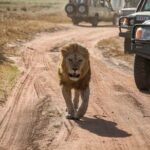
Finally, make your priorities clear to your guide on day one. With a private safari, the biggest “efficiency gain” is not rushing the drive—it’s guiding the guide. If you care most about elephants, say so. If lions are your must-see, ask how your guide plans to cover habitats and timing.
Should you book this private 6-day Tanzania safari with Kingse Guides?
I’d recommend booking if you want a classic Tanzania route with smart variety: elephants and baobabs in Tarangire, the dramatic Ngorongoro crater morning with breakfast by the hippo pool, and the Lake Manyara mix of baboons plus the chance of the tree-climbing lion.
This is especially a good fit if you value personal guidance. A private safari only works when your guide’s English and animal explanations help you see more than silhouettes in the distance, and the experience is strongly associated with guide Peter’s communication and knowledge.
You might think twice if you’re planning a low-energy trip. Early mornings, long days, and sustained vehicle time are part of the deal here.
If you’re the type who wants both wildlife and human-scale moments—Maasai cattle herders, small farming towns, and meeting the welcoming Tanzanian people—this itinerary’s structure should feel like money well spent.
FAQ
How long is the private safari in Tanzania?
The tour is listed as 6 days (approx.).
Where does the safari start and when?
It starts in Arusha with pickup offered, and the start time is 7:00 am.
Which parks and areas are included?
You’ll visit Tarangire National Park, Ngorongoro Conservation Area (including a crater morning game drive), and Lake Manyara National Park.
Is this tour private?
Yes. It’s a private tour/activity, so only your group participates.
Is breakfast included during the Ngorongoro crater portion?
Yes. You have breakfast by the hippo pool within the crater.
What is the cancellation policy?
You can cancel up to 3 days in advance of the experience for a full refund, with the policy requiring at least 3 full days before the experience’s start time for a full refund.