REVIEW · ARUSHA
Big Five Luxury Safari in Tanzania
Book on Viator →Operated by ZARA TOURS · Bookable on Viator
Big Five sightings start with smart routing. This 7-day Big Five safari links Tarangire’s river draw, Serengeti’s endless plains, and Ngorongoro’s crater concentration into one efficient week, with game drives from a custom-built roofed 4×4. I like that it also builds in cultural and wildlife variety, not just the big-name parks.
I especially like the all-included park fees and full-board meals. Breakfast, lunch, and dinner run with you across the safari, so you’re not constantly doing snack math in the middle of nowhere. I also like the 4×4 Safari Land Cruiser setup, since viewing roofs mean you can track animals without playing vanishing-act behind a window frame.
One drawback to consider: the days are long and the schedule is tight. You’ll be driving between sites, and you’re capped at a maximum of 12 travelers, so it’s not a totally private safari bubble.
In This Review
- Key highlights at a glance
- Why this Big Five route makes sense from Arusha
- Price and value: what $2,900 buys you (and what to watch)
- The safari “comfort system”: 4×4, meals, bottled water, and real rest time
- Day 1: Tarangire National Park and the river that pulls everything in
- Day 2: Lake Eyasi for shore birds, flamingoes, and the quieter side of wildlife
- Day 3: Serengeti arrival with Maasai culture or Olduvai Gorge
- Day 4: A full Serengeti day for predators, kopjes, and migration country
- Day 5: Ngorongoro Crater for the black rhino odds and the “eighth wonder” feeling
- Day 6: Lake Manyara late drive for monkeys, elephants, and Rift Valley drama
- Day 7: A calm morning before your Kilimanjaro-area flight
- Guides and service quality: the human factor that keeps the schedule smooth
- What’s included (so you can plan) and what’s not
- Packing and expectations: how to enjoy the long days
- Who should book this safari?
- Should you book this 7-day Big Five safari?
- FAQ
- What time does the safari start?
- Is pickup offered?
- What’s the group size limit?
- Are park entrance fees included?
- Is full board included during the safari?
- Is a vegetarian option available?
- What is not included in the price?
Key highlights at a glance
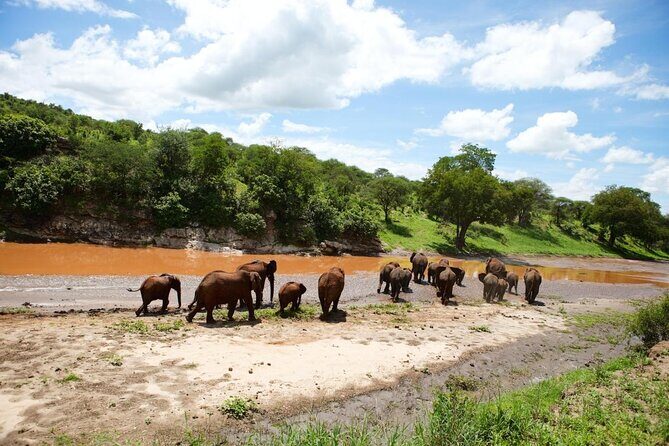
- Tarangire’s “never-dry” river keeps wildlife and birds concentrated during drier months
- Lake Eyasi adds a different feel: flamingoes, shore birds, and wildlife around forest and meadow edges
- Serengeti full-day time in the Great Migration region, with kopjes and predator chances
- Ngorongoro Crater’s scale (600m deep, 16km wide) funnels animals into one dramatic bowl
- Late-afternoon Lake Manyara drives for monkeys, elephants, and Rift Valley views
- English-speaking driver/guide + 4×4 with a viewing roof keeps your game drives productive
Why this Big Five route makes sense from Arusha
If you’re basing your safari around Arusha, the best question isn’t just where to go. It’s how to string together the right parks so each day earns its keep. This route does that. You start with Tarangire’s river wildlife, move into Serengeti where the action can be constant, then shift to Ngorongoro Crater for a different kind of animal viewing that feels almost staged by nature.
I also like the pacing. You get proper time in Serengeti, but you’re not stuck only on one park. Lake Eyasi and Lake Manyara add variety that breaks up the long “same-safari-sky” feeling.
A few more Arusha tours and experiences worth a look
Price and value: what $2,900 buys you (and what to watch)
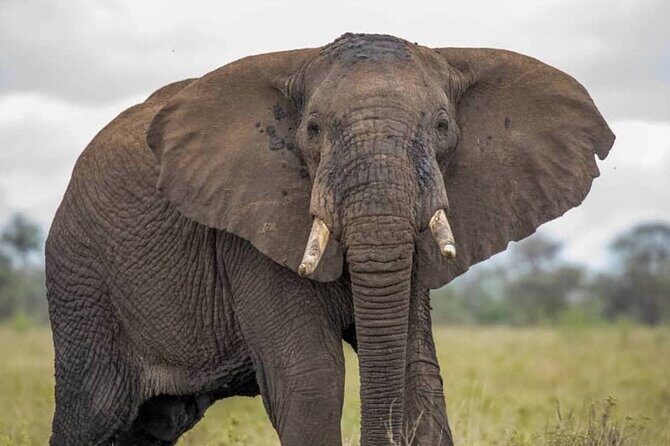
At $2,900 per person, you should look at what’s wrapped into the package. Here, the big-ticket items are included: accommodation while on safari, all park and entrance fees, game drives in a custom 4×4, and full board (breakfast, lunch, dinner). There’s also a Ngorongoro Crater car supplement fee included, plus current government taxes and levies.
That matters because safari costs usually balloon when you add up: park fees, vehicle time, and meal plans. This tour tackles those core expenses up front. You’ll still pay extra for items not listed in the plan, but the main structure is already handled.
What’s not included is also clear and important for planning:
- Flights (to/from Tanzania) and airport transfers
- Tanzania entry visa
- Travel and health insurance
- Gratuities for guide and staff
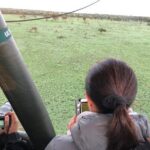
- Optional extras like the balloon excursion (listed at US$600 per person)
If you like budgeting peace of mind, this package structure is where a lot of the value comes from.
The safari “comfort system”: 4×4, meals, bottled water, and real rest time
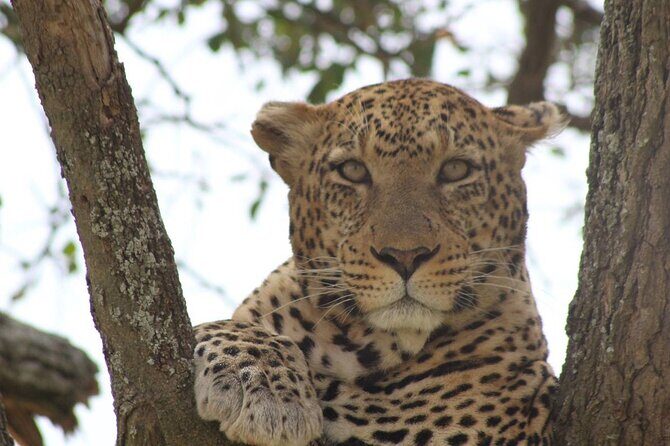
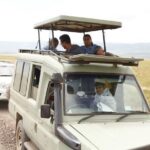
A good safari isn’t just about seeing animals. It’s also about staying comfortable enough to enjoy the waiting. This tour runs all game drives in a custom-built 4×4 Safari Land Cruiser with viewing roofs, which is a practical upgrade for spotting. You’re not constantly craning around to see through glass.
You also get:
- Bottled water on the safari vehicles
- Breakfast, lunch, and dinner included during the safari days
- Accommodation included each night while you’re on the route
- 24-hour support during the safari from the office in Moshi
The result is a smoother rhythm. You don’t waste prime animal hours hunting for food stops or scrambling for basic supplies. And you do get downtime built in, especially between major parks.
Day 1: Tarangire National Park and the river that pulls everything in
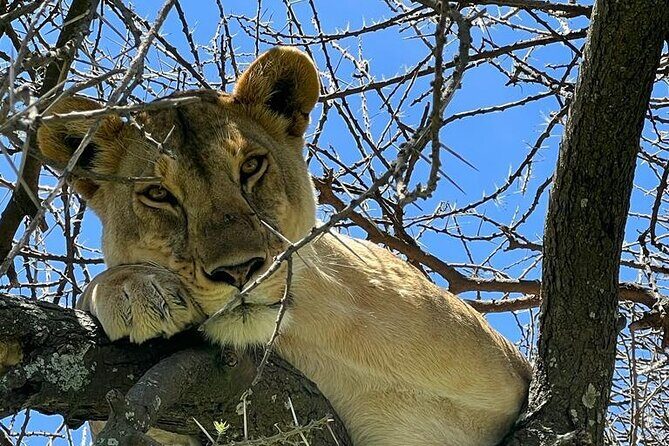
Tarangire is one of those parks that feels different from Serengeti. It has more open savanna variety, with baobabs and water-driven wildlife behavior. The big reason to start here: the Tarangire River never dries up completely during the dry season. When that river remains, it becomes a magnet.
In practical terms, you get the kind of sightings where the animals are easier to locate because they’re orbiting water. Expect strong wildlife and bird viewing alongside dramatic scenery, including swamps, grassy plains, and scattered hills.
Even if your expectations are high, this day is a great warm-up. It gets your eyes trained fast—tracking movement, scanning for animals near water, and learning the feel of wildlife spotting from a moving vehicle.
Overnight: Highview Hotel (or similar), with full meals included.
Day 2: Lake Eyasi for shore birds, flamingoes, and the quieter side of wildlife
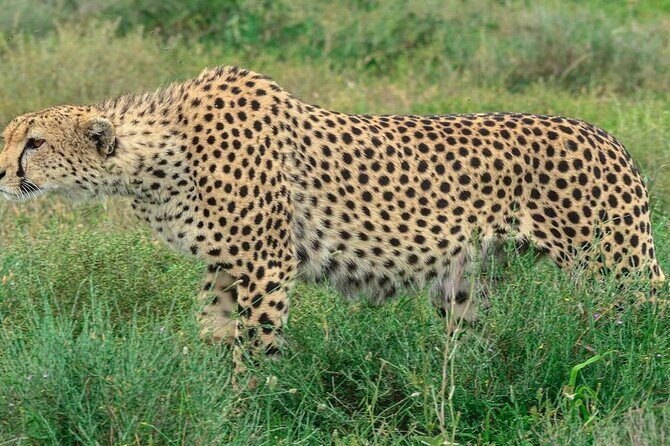
Lake Eyasi brings a calmer vibe. Instead of the classic big-herd safari feel, you’re looking at animals and birds around lake edges, meadows, forest, and shoreline habitats.
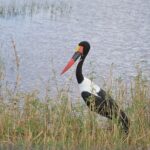
What stands out here is the birdlife. The shore is described as a place to see a lot of birds, including greater and lesser flamingoes, plus storks and pelicans. And beyond the birds, the areas around the lake support wildlife such as monkeys and even mention of leopard and hippos.
One reason I like this stop: it breaks up the “big park loop.” You’re still in safari mode, but you’re not only chasing the biggest names. Lake Eyasi also includes details that hint at the local camping atmosphere—private campsites in forest clearings with tent spaces and showers made mostly from local materials. In this particular route, you return to your hotel for the night, but the setting explains why this area attracts photographers and nature-focused visitors.
Overnight: back at Highview Hotel (or similar), full board included.
A few more Arusha tours and experiences worth a look
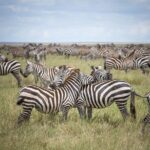
Day 3: Serengeti arrival with Maasai culture or Olduvai Gorge
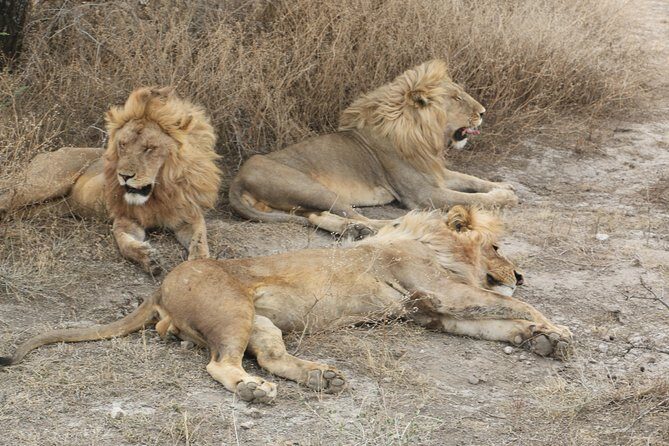
Heading into Serengeti is where the safari shifts into its most famous chapter: the “endless plain.” Before you fully settle into Serengeti game drives, you get a choice of cultural or historical context.
You can visit a Maasai Village, with the chance to explore Maasai culture and take part in some tribal activities. If you’d rather go deeper into human origins, you can visit Olduvai Gorge, sometimes called the Cradle of Humanity, plus a museum about the long story of human development in East Africa.
Either way, you’re not just passing time en route. This is a useful mental reset before Serengeti begins doing what Serengeti does best: constant wildlife scanning plus the hope of big predator moments.
Then you continue with a game drive en route to your camp, which helps you start Serengeti right away instead of waiting until the next morning.
Overnight: Serengeti Safari Lodge (or similar), with full meals included.
Day 4: A full Serengeti day for predators, kopjes, and migration country
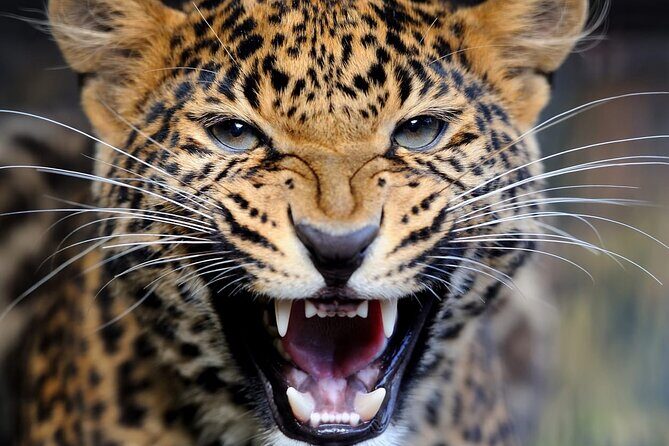
Day 4 is your biggest Serengeti investment: a full day in the park. This is the day that tends to feel like a safari course in real time—different habitats, different animal patterns, and sightings that can change hour by hour.
Here’s what helps you understand where to look:
- Serengeti has open grass plains, savanna with acacia trees, and varied terrain farther north and west.
- The kopjes (rocky outcrops) matter. Predators often use them as vantage points.
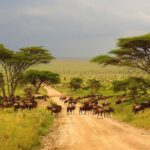
- The park is also tied to the Great Wildebeest Migration, so the season you travel affects what you’ll actually see and where herds cluster.
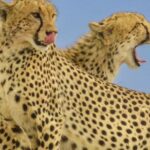
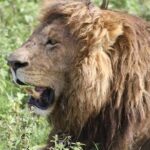
This is also one of the best days for seeing the full food chain: large herbivores like wildebeest, zebra, and antelope, plus predators such as lion and cheetah moving through the same regions.
Overnight: Serengeti Safari Lodge (or similar), full meals included.
Day 5: Ngorongoro Crater for the black rhino odds and the “eighth wonder” feeling
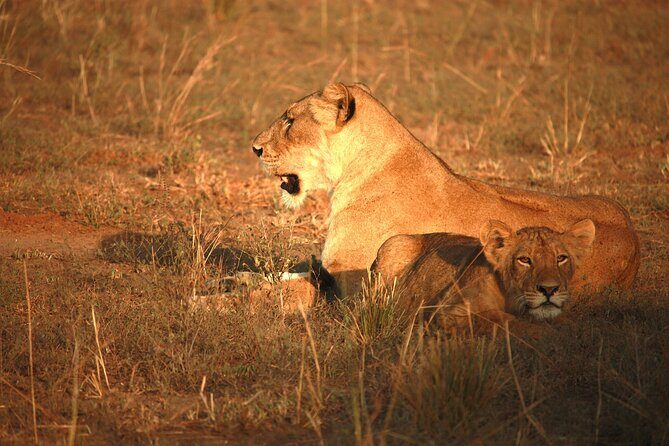
Ngorongoro Crater is the safari version of a natural amphitheater. It’s 600m deep, about 16km across, and roughly 265 sq km in area. When you descend into a bowl that size, wildlife tends to be more concentrated. That makes game viewing feel more intense and efficient.
The plan highlights some of the classic strengths of the crater:
- Black rhinos can be seen grazing on the open grassland inside the crater.
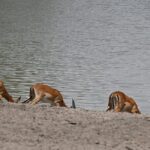
- You can also expect other large animals—lion and cheetah are mentioned, along with eland, zebra, and gazelle.
- Birdlife appears too, including flamingos at Makat Soda Lake (often mentioned as a place to look).
One practical tip: this is the day where your eyes need to stay steady. The crater can offer both wide-open grazing fields and spots where animals tuck near vegetation. With a crater, you’re constantly switching between scanning from far away and watching slow movement up close.
You also get a morning game drive en route before descending, plus an afternoon drive to your lodge after crater time. That structure helps prevent the day from turning into only one long grind.
Overnight: Highview Hotel (or similar), full meals included.
Day 6: Lake Manyara late drive for monkeys, elephants, and Rift Valley drama
Lake Manyara works best as a late-afternoon mission. The tour starts with a short drive to the park, then a picnic lunch, and then the main game drive begins later in the day when animals are more active and the light is kinder for spotting.
Approaching from the east gives you a big visual bonus: the Rift Valley escarpment looms in the background. That backdrop is more than just a nice picture. It helps you orient the habitats—trees near water, plus the escarpment zones where different animals move.
What to look for here:
- Monkeys in the tall trees of the ground water forest
- Elephants standing in shaded areas on the escarpment
- Other frequent sightings listed: zebras, impalas, giraffes, buffalos, hippos
Like Serengeti, Lake Manyara can surprise you, but the timing is key. If you rush into it, you miss the rhythm that makes the park feel alive.
Overnight: Springlands Hotel in Moshi (or similar), after the drive back.
Day 7: A calm morning before your Kilimanjaro-area flight
Day 7 is intentionally lighter. You enjoy a morning of leisure, then transfer to Kilimanjaro airport for your flight home.
This final half-day matters more than it sounds. Safari days can stack up fast. Having a breather before travel helps you avoid the classic post-safari slump where you feel like you’re still in the jeep even when you’re trying to pack.
Guides and service quality: the human factor that keeps the schedule smooth
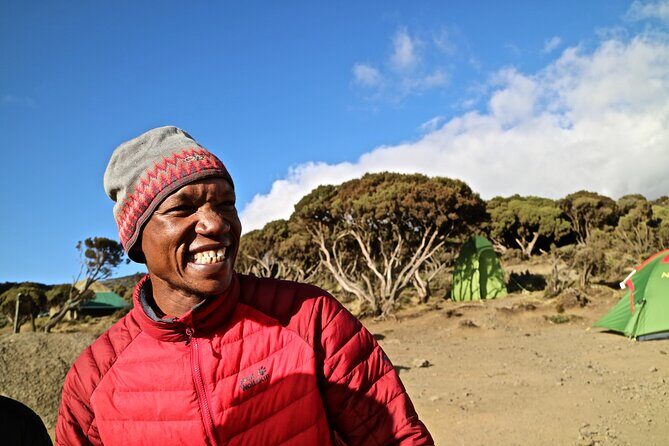
The strongest pattern in the feedback around this tour is how smoothly things run. People repeatedly highlight the professionalism of the drivers and guides and the way the trip stays organized day after day.
You’ll also see guide names come up again and again: Boni, Rashid, Atanas, Issa, Shabaan, Makala, Ally, Hamza, and Peter. That’s a good sign because it suggests the operator invests in staff who understand both wildlife and the logistics of long drives.
One detail worth noting: Atanas is described with a driving skill nickname (Flying Masai). Even if you never get that same nickname on your safari, it points to a driving style that keeps you moving safely and effectively across varied terrain—important when you’re trying to position for sightings.
And then there’s the accommodation and food praise. Several descriptions mention premium lodge comfort and excellent meals. Since full board is included, you get fewer chances to fall into “we forgot lunch” chaos.
What’s included (so you can plan) and what’s not
Here’s the practical breakdown, based strictly on what’s listed:
Included
- Full board: breakfast, lunch, dinner during the safari portion
- Accommodation each night while on safari
- All game drives in a custom 4×4 with viewing roofs
- All park and entrance fees
- Professional English-speaking driver/guide
- Bottled water in the safari vehicles
- Ngorongoro Crater car supplement fee
- Current government taxes and levies
- 24-hour support from the Moshi office
- Vegetarian option available if you request it
Not included
- Flights and airport transfers
- Visa for Tanzania
- Travel and health insurance
- Gratuities to guide and hotel staff and porters
- Balloon excursion (US$600 per person)
- Anything not described in the itinerary
- Personal expenses like laundry and phone charges
If you’re the type who hates surprises, this list is your friend. I’d just add one mindset: budget a little extra for tips. On safaris, that’s usually part of the social contract.
Packing and expectations: how to enjoy the long days
You’re going to spend a lot of time in a vehicle. That doesn’t have to feel miserable if you pack smart.
Based on the nature of the route (parks plus long drives), I recommend you plan for:
- Cool mornings and warm afternoons (savanna weather can swing)
- Dust control for safari days
- Layers for the jeep while you’re waiting for wildlife to show
Also, be ready for the fact that “Big Five” is an odds game. This route is designed to put you in the right places—Ngorongoro is specifically good for black rhino viewing, and Serengeti gives predator chances—but nature decides the final score.
Who should book this safari?
This tour fits you if you want:
- A structured, efficient safari week with multiple top parks
- All-in pricing for park fees and most day-to-day costs
- A roofed 4×4 setup for better viewing
- More than one kind of wildlife habitat: river, lake, plains, crater, and forest edge
- A group size that’s not huge (maximum 12)
It may be less ideal if you want total independence or constant flexibility on the day. This is a planned route with set park rhythms. If you’re the type who wants to wander off script, you’ll feel the structure more.
Should you book this 7-day Big Five safari?
I’d book it if your priority is a strong safari circuit that reduces planning stress. The value is strongest where it counts: park access, vehicle time, full board, and fees are handled. That’s a lot of mental bandwidth saved, especially on a trip that includes big driving days.
I would hesitate only if you dislike long days or prefer a fully private safari. Also, if you’re very tip-avoidant, remember gratuities aren’t included.
If you want a practical checklist before you commit: confirm your travel days around arrival and departure, ask for the vegetarian meal option if you need it, and plan a small tip budget. Then you can focus on the good part—when the guide calls out movement and suddenly the savanna feels like a movie set.
FAQ
What time does the safari start?
The meeting point start time is 8:30 am.
Is pickup offered?
Yes, pickup is offered.
What’s the group size limit?
The tour has a maximum of 12 travelers.
Are park entrance fees included?
Yes. All park and entrance fees are included.
Is full board included during the safari?
Yes. The tour includes breakfast, lunch, and dinner along with accommodation during the safari days.
Is a vegetarian option available?
Yes. A vegetarian option is available if you request it when booking.
What is not included in the price?
Not included are international or internal flights, transfers to and from the airport, Tanzania visa, travel and health insurance, gratuities, and optional items like the balloon excursion (US$600 per person). Meals, drinks, and excursions not described in the itinerary are also not included.