REVIEW · ARUSHA
4 Days Lodges Serengeti, Ngorongoro Crater & Visiting Maasai
Book on Viator →Operated by World Adventure Tours · Bookable on Viator
Safari days start fast, and so does the wildlife. This 4-day circuit pairs Serengeti game drives with the dramatic Ngorongoro Crater view, plus Maasai village culture in the mix. I especially like that it’s built around a small group size (max 6) and that you get practical extras like unlimited drinking water and Wi‑Fi in the safari jeep. One drawback to think about: it’s an early-start, jam-packed format, so if you want slow mornings and long lodge lounging, this may feel a bit rushed.
You also get a solid safety-and-comfort package for the road ahead: 4×4 transport with viewing roofs, an English-speaking guide, and AMREF Flying Doctors emergency rescue coverage. Based on past guest experiences with this operator, the guides (for example Moddy, Issa, Patrick, and Joseph) tend to be a big part of what makes the days feel smooth and well-paced.
In This Review
- Key Highlights You Should Care About
- Entering The Serengeti and Ngorongoro Loop From Arusha
- Day 1: Ngorongoro Conservation Area Game Drive for Rhinos, Lions, and Flamingoes
- Day 2: Serengeti National Park Arrival and Maasai Village Culture
- Day 3: Full Day Serengeti Game Drive With Picnic Lunch
- Day 4: Half-Day Serengeti Drive and Head Back to Arusha or Moshi
- Where You Sleep Matters: Wildebeest Camp and Wild Camp Setup
- Transport and Comfort: 4×4 With Viewing Roofs, Water, and Wi‑Fi
- Guides Make or Break the Experience (and Here They’re Named)
- Meals Included: Less Planning, More Safari Time
- Price and Value: Is $1,500 Fair for This Setup?
- Who This Tour Fits Best (and Who Should Reconsider)
- Should You Book This 4-Day Serengeti and Ngorongoro Safari?
- FAQ
- What time does the safari start?
- Where is pickup available?
- How many people are in the group?
- What does the tour include?
- Is airfare included?
- Are tips included in the price?
- What animals and sights does the tour target?
- Is a Maasai village tour part of the trip?
- What if I need to cancel or change the booking?
- Final Call: Book It or Keep Looking?
Key Highlights You Should Care About
- Ngorongoro Crater for black rhino odds: This is one of the best places in Tanzania to look for black rhinos, along with lions and lots of birdlife.
- Serengeti full-day game viewing: A full day on the plains with a picnic lunch means more time for slow sightings, not just a quick drive-by.
- Maasai village visit included: You can explore Maasai culture and even take part in cultural activities, depending on what’s available that day.
- Small group size (max 6): Easier conversation, less crowding in the jeep, and a calmer safari rhythm.
- Roofed 4×4 + unlimited water + Wi‑Fi: It’s the kind of comfort that matters when you’re bouncing over roads all day.
- Camp-style nights in the parks: Serengeti Wildebeest Camp (or similar) and Ngorongoro Wild Camp (or similar) keep you close to the action.
Entering The Serengeti and Ngorongoro Loop From Arusha
This safari is designed for people who want the big-name Tanzania wildlife highlights without wasting days on transit. You start from Arusha or Moshi (pickup options), and the pace is straightforward: drive into protected areas, do game drives, eat well, then sleep close enough to wake up ready to go again.
The group size cap at 6 travelers is not a small detail. In a crowded setup, you spend more time watching other jeeps than watching animals. Here, the small group helps keep the safari feeling personal, and it makes it easier for your driver/guide to position you for good sightings.
Also, your start time is 7:30 am, which means you’ll be up early. I find that’s actually a plus in safari country: the morning light is usually better for spotting wildlife, and animals often move more actively earlier in the day.
A few more Arusha tours and experiences worth a look
Day 1: Ngorongoro Conservation Area Game Drive for Rhinos, Lions, and Flamingoes
Your first full day goes to the Ngorongoro side, with a focus on crater wildlife and birds. Expect a long drive day (about 7 hours), plus a late-afternoon push into camp life.
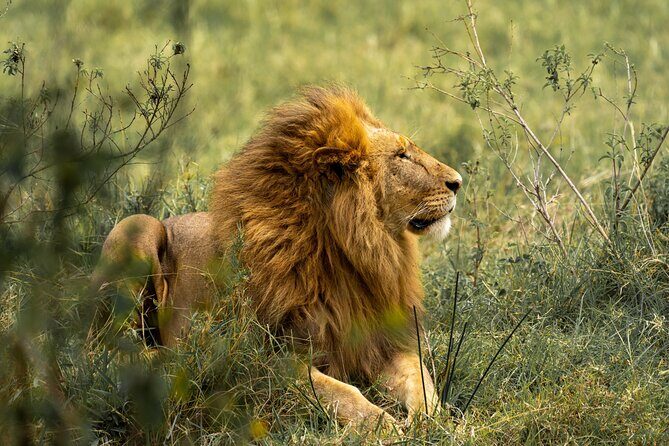
Why Ngorongoro works so well here: the crater area is famous for its enclosed, high-density viewing. The tour specifically flags black rhinos as a top target. It also calls out prides of lions, including the black-manned males. Lions aren’t guaranteed, but targeting them in Ngorongoro is smart because the habitat supports steady wildlife viewing.
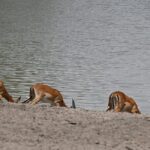
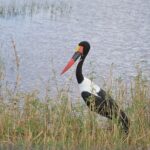
And then there’s the bird factor. Flamingoes and other water birds can appear here, which gives you a break from the usual “everything is mammal-focused” safari rhythm. If you like photography, birds add variety to your shot list without forcing you to change locations every hour.
What you’ll likely feel on this first day: the day ends with a drive to Ngorongoro Wild Camp (or similar) in the late afternoon. That timing matters. You’ll get at least one real wildlife block before your first night, instead of arriving too late and losing the best viewing window.
One consideration: Day 1 is a lot of travel plus a game drive. If you’re prone to motion sickness on winding roads, bring what you need for comfort.
Day 2: Serengeti National Park Arrival and Maasai Village Culture
After breakfast, you head toward Serengeti National Park (about 6 hours in the day’s schedule). This is the day where the safari mood shifts from crater viewing into endless-plain energy.
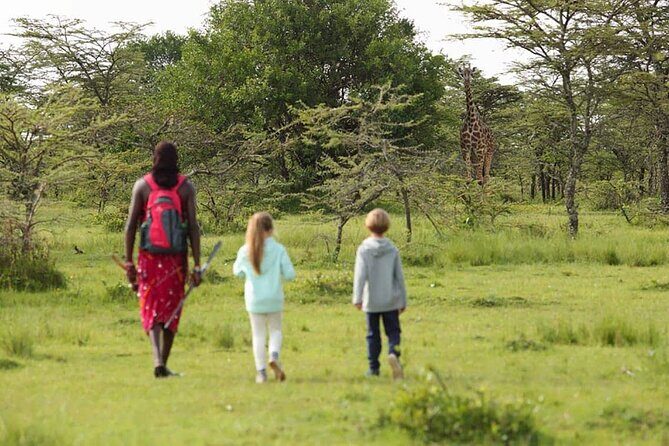
The route also includes a potential Maasai village tour. The idea here isn’t just a photo stop. The tour description makes room for exploring Maasai culture and participating in cultural activities, if available. For me, this is one of the best ways to add meaning to a wildlife trip. You see the land, then you learn how people experience it day to day.
Once in the Serengeti area, you’ll do a game drive en route to your camp. That matters because it keeps you moving through the landscapes while wildlife is still active. You arrive at Serengeti Wildebeest Camp (or similar) for dinner and overnight.
Practical note: Serengeti days often mean hot sun, bright glare, and long stretches in a vehicle. Your included unlimited drinking water helps here, and a roofed jeep helps keep you from roasting while you’re craning your neck for sightings.
Day 3: Full Day Serengeti Game Drive With Picnic Lunch
This is the day you’re paying for. The itinerary sets up a full day (about 8 hours) in the Serengeti, framed as extensive game viewing.
A picnic lunch is included, which is a big deal more than it sounds. A sit-down meal isn’t always practical once you’re out in the park, and “packed and move” usually gives you less wildlife time. With a picnic format, you can stay in the viewing zone longer and adjust your route based on what your guide is seeing.
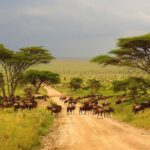
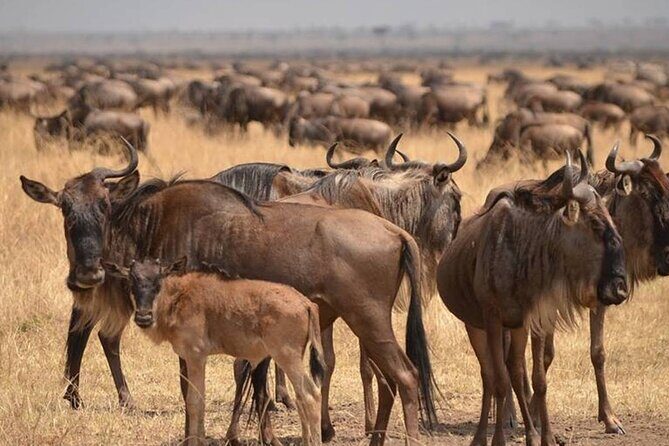
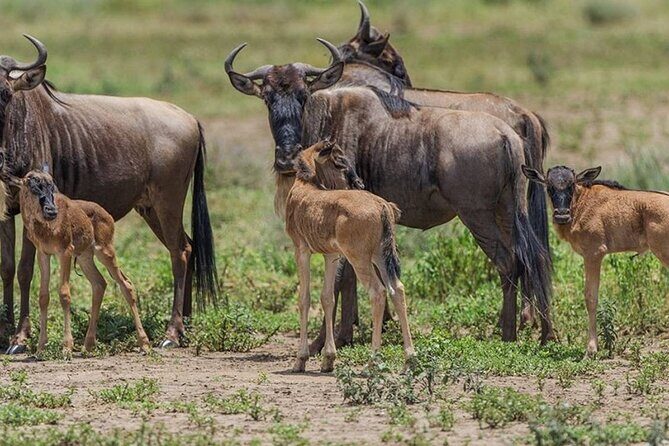
The tour description also calls the Serengeti a world heritage site and notes the world’s largest concentration of plain game roaming freely. You don’t need to memorize that line for it to be useful. What it means in real life is that you’re more likely to see herd movement, predators tracking prey, and repeatable wildlife patterns over the day.
Your day ends with returning to Serengeti Wildebeest Camp (or similar) for rest, dinner, and overnight. That’s the right rhythm: full daylight for animals, then downtime before the last morning.
If you’re planning a photography session, Day 3 is the time to treat it like a workday. Focus on lighting in the early hours, and later in the day, switch to tighter shots when you find a denser cluster of action.
Day 4: Half-Day Serengeti Drive and Head Back to Arusha or Moshi
On the last day, you get a half-day game drive (about 7 hours total including the return drive). This is a good structure for people who want a final wildlife hit without a long, exhausting repeat of Day 3.
You’ll do the morning and/or early part of the day in the park, then drive back to Arusha or Moshi in the afternoon. You still get to end with views and sightings instead of rushing straight out the moment you wake up.
A small but real benefit of the camp staying inside the action: you’re not losing the entire first and last days to check-in chaos. You start at 7:30 am on schedule, you do your drives, and you end back at the meeting point.
Where You Sleep Matters: Wildebeest Camp and Wild Camp Setup
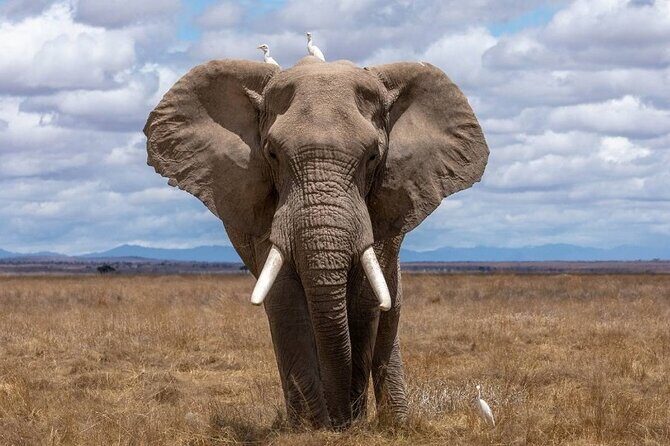
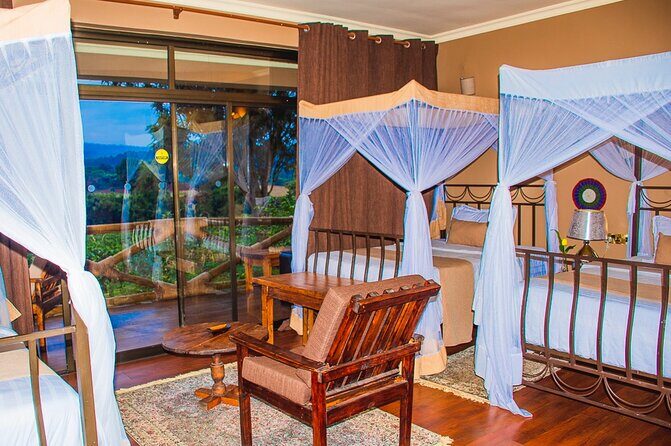
The tour specifies Serengeti Wildebeest Camp (or similar) for nights in Serengeti, and Ngorongoro Wild Camp (or similar) for the crater area. While exact room type isn’t listed here, camp-based lodging tends to mean you’re close to the safari experience rather than tucked far away.
From past guest feedback, lodging and food quality have been highlighted as strong points, with guests praising comfortable accommodations and good meals. That doesn’t mean every room will feel identical, but it does suggest the operator aims for a decent comfort level inside the safari style.
Also included: free accommodation the night before and after the safari. That’s a hidden value booster. It can help you avoid expensive, last-minute hotel decisions in Arusha and it smooths out travel days that often feel stressful.
Transport and Comfort: 4×4 With Viewing Roofs, Water, and Wi‑Fi
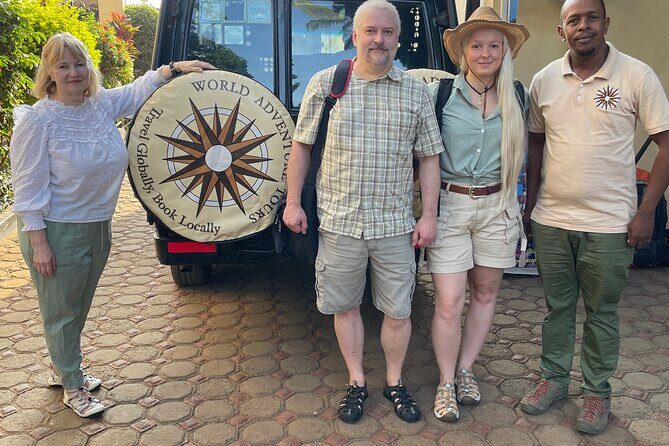
A safari isn’t just about where you go. It’s also about how you get there. This tour uses 4×4 vehicles with viewing roofs. That roof matters because you can keep your head and camera angle steady while scanning for wildlife.
You also get:
- Unlimited drinking water
- Free Wi‑Fi inside the safari jeep
- A professional English-speaking driver/guide
Wi‑Fi in a safari jeep is not something you should treat like guaranteed streaming, but it can still be useful for messaging, map basics, or keeping your devices updated during downtime.
AMREF Flying Doctors emergency rescue coverage is included. That doesn’t mean you’ll need it. It does mean the operator is thinking about real-world risk management, which I like.
Guides Make or Break the Experience (and Here They’re Named)
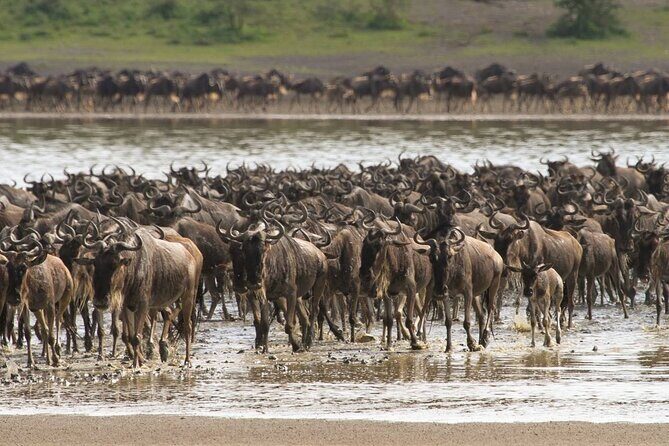
This is where your odds improve. The operator’s guides have been mentioned by name in past experiences: Moddy, Issa, Patrick, and Joseph. Guests praised their professionalism and friendly approach, and repeatedly pointed to the driver/guide knowledge as a key reason the safari felt well executed.
You should expect your guide to do the hard work that tourists can’t: reading animal movement, adjusting driving routes, and explaining what you’re seeing. On a short safari, that skill turns a bunch of drives into a connected story.
Tip for you: ask your guide what the focus is for the day before you head out. Even a simple question like what they’ll be watching for helps you stay mentally switched on.
Meals Included: Less Planning, More Safari Time
Meals are included for the full experience: breakfast (4), lunch (4), and dinner (4), plus park fees and Ngorongoro Crater entry.
In practice, this helps you avoid two common safari problems:
1) spending time hunting for food at the wrong moments
2) getting hungry at the exact time you’d like to be patient for a sighting
Because lunch is included (including the picnic lunch on the Serengeti day), you’re less likely to lose viewing hours to meal logistics.
Also included: unlimited drinking water, which is huge for comfort in warm climates and during long seated driving sessions.
Price and Value: Is $1,500 Fair for This Setup?
At $1,500 per person for about 4 days, the value comes down to what you get included, not just the sticker price. Here’s what’s covered in the tour package:
- Park fees and Ngorongoro entry
- 4×4 safari transport with viewing roofs
- English-speaking driver/guide
- Maasai village tour
- Unlimited drinking water
- Free Wi‑Fi in the safari jeep
- Meals (breakfast, lunch, dinner)
- Free accommodation the night before and after
- AMREF Flying Doctors emergency rescue coverage
Not included: tips and flights.
For a safari, meals, park fees, and transport add up quickly. So the best way to judge the price is to compare it to the cost of booking those parts separately, plus the stress of organizing them yourself. This tour is set up so you’re mainly paying for a guided, managed timeline with less friction.
One note: tips aren’t included. If you’re trying to budget, plan for that rather than assuming it’s baked in.
Who This Tour Fits Best (and Who Should Reconsider)
This safari is a strong match if you want:
- Big wildlife targets in a short time
- A mix of crater and plains ecosystems
- A cultural stop with the Maasai village tour
- A small-group feel (max 6)
It may be less ideal if you:
- Prefer totally flexible pacing and lots of free time
- Get uncomfortable with early starts and long ride days
- Want a very slow, luxury-only schedule (this is safari-first, lodge-second)
The good news is that most travelers can participate, so the baseline format is generally friendly for a wide range of people.
Should You Book This 4-Day Serengeti and Ngorongoro Safari?
If your priority list is black rhino odds at Ngorongoro, lions and big sightings in the Serengeti, plus a Maasai village culture stop, I think this is a smart booking style. The package is also thoughtfully practical: roofed 4×4 transport, unlimited water, Wi‑Fi support, meals included, and free pre/post accommodation in the Arusha area.
I’d book it if:
- You want a guided safari that runs on schedule
- You like small-group dynamics
- You want your meals and park logistics handled
I’d hesitate if:
- You need lots of downtime between drives
- You’re sensitive to long road days
- You don’t want to plan for early starts
One last helpful move: if a hot air balloon ride is on your wish list, confirm what’s possible with the operator before you commit. A past guest mentioned arranging a hot air balloon on the Serengeti, but you’ll want clarity on what’s guaranteed versus optional when you book.
FAQ
What time does the safari start?
The start time is 7:30 am.
Where is pickup available?
Pickup is offered from Moshi or Arusha.
How many people are in the group?
This tour has a maximum of 6 travelers.
What does the tour include?
Included features are park fees, 4×4 transportation with viewing roofs, an English-speaking driver/guide, a Maasai village tour, unlimited drinking water, free Wi‑Fi inside the safari jeep, AMREF Flying Doctors emergency rescue, free accommodation the night before and after, and meals (breakfast 4, lunch 4, dinner 4), plus Ngorongoro Crater entry.
Is airfare included?
No. Flights are not included.
Are tips included in the price?
No. Tips are not included.
What animals and sights does the tour target?
Ngorongoro focuses on black rhinos and lions, and also includes birdlife like flamingoes and other water birds. Serengeti days focus on broad game viewing in the park.
Is a Maasai village tour part of the trip?
Yes, a Maasai village tour is included, with time to explore Maasai culture and participate in cultural activities if available.
What if I need to cancel or change the booking?
This experience is non-refundable and cannot be changed for any reason. If you cancel or request an amendment, the amount paid is not refunded.
Final Call: Book It or Keep Looking?
For most first-timers to Tanzania who want a compact 4-day safari with the big names (Serengeti + Ngorongoro) and a cultural stop, this one is easy to take seriously. The mix of targeted wildlife, included meals, roofed 4×4 comfort, and a small group size makes it feel built for people who want the trip to run smoothly.