REVIEW · ARUSHA
Big Five Luxury 7 Days Safari Tour in Arusha
Book on Viator →Operated by Tanzania Wildlife Adventures · Bookable on Viator
Five parks, Big Five dreams, one tight circuit. This 7-day safari from Arusha is built for serious East Africa wildlife viewing, with chances to track lion, elephant, leopard, Cape buffalo, and even the black rhino at Ngorongoro. The route also strings in classic scenery stops, including Olduvai Gorge on the way into Serengeti, so the trip feels more like a journey than just a long day of driving.
I like that it’s designed for a small group (max 6). That matters out on the dirt roads, because your guide can adjust faster when animals appear, and you spend less time squeezed with a crowd. I also like the hotel approach: you’ll have a mix of calm, comfortable bases (Springlands and Highview) plus park-area lodging in Serengeti, which helps you maximize animal time and reduce wasted transfers.
One consideration: this is not a slow-and-sweet safari. You’ll have long driving days and full game-drive time slots, so it’s best if you’re comfortable with a moderate physical fitness level and early starts.
In This Review
- Key highlights worth caring about
- Arusha arrival and your first night at Springlands
- Tarangire National Park: elephant herds and game-drive momentum
- Serengeti via Olduvai Gorge: an intro to the wider story
- A full Serengeti day: Great Migration energy and predator timing
- Ngorongoro Crater: black rhino chances plus the world’s stage set
- Lake Manyara in the afternoon: a shorter hit with big contrasts
- Day 7 in Arusha: a leisure morning before your flight
- Hotels and what luxury looks like on safari
- Guides, 4×4 driving style, and why it changes everything
- Big Five sightings: how to set realistic expectations
- Price and value: what the $2,992 rate likely covers
- Safety and comfort: how to make the week easier on yourself
- Should you book this Big Five luxury safari out of Arusha?
- FAQ
- How long is the Big Five Luxury safari from Arusha?
- Where does the safari start and end?
- Which parks are included in the 7-day route?
- What meals are included?
- Are flights included in the price?
- Is pickup included?
- What is the maximum group size?
- Are park or admission tickets included?
- Is the tour suitable for people with limited mobility?
- Is cancellation free?
- What’s the mobile ticket detail?
Key highlights worth caring about
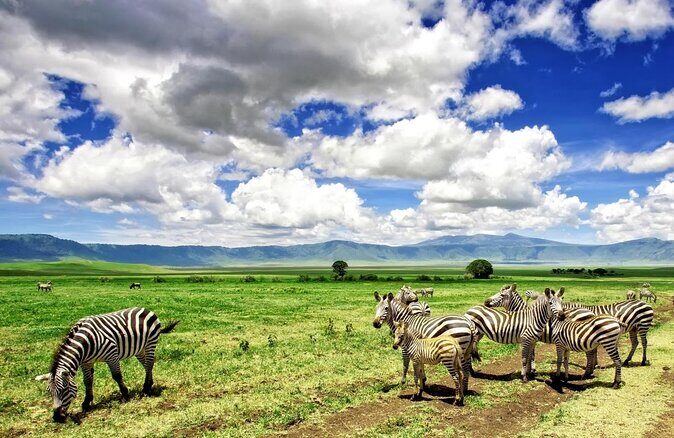
- Big Five focus across four wildlife hotspots: Tarangire, Serengeti, Ngorongoro, and Lake Manyara.
- Ngorongoro Crater details that sharpen expectations: 600m deep, 16km across, with grazing black rhinos on the crater floor.
- Small group cap (max 6) for a more flexible, guide-led safari rhythm.
- Park-area overnights in Serengeti so you’re closer to the action for morning and late-day viewing.
- Guides you’ll actually want to listen to, with names like Marck, James, Juma, Musa, Hamisi, Issa, and Nuhu showing up across past trips.
Arusha arrival and your first night at Springlands
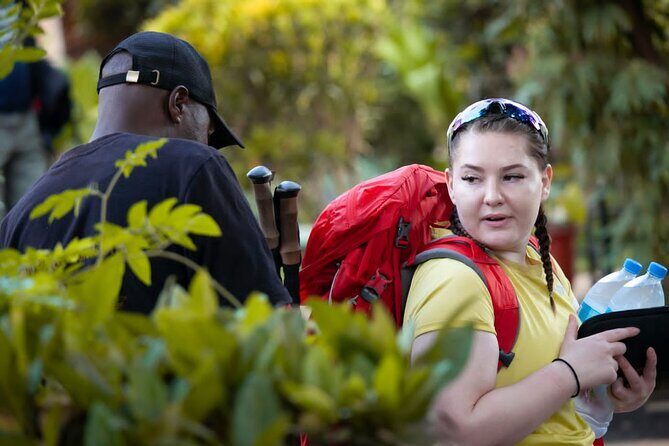
Your safari starts in Arusha right after you clear customs at JRO. You’ll look for your driver holding a sign with your name, then get transported to Springlands Hotel for an overnight with breakfast. It’s a simple setup, which is exactly what you want on arrival day—no extra layers, just get your bearings and sleep.
Springlands Hotel is positioned as your calm landing pad before the parks. The operator frames it as tranquil, and in practice that’s helpful: the next days include game drives and travel times that can feel long, even when everything runs smoothly. If you’re the kind of traveler who wants an easy start, this first-night plan supports that.
A few more Arusha tours and experiences worth a look
Tarangire National Park: elephant herds and game-drive momentum
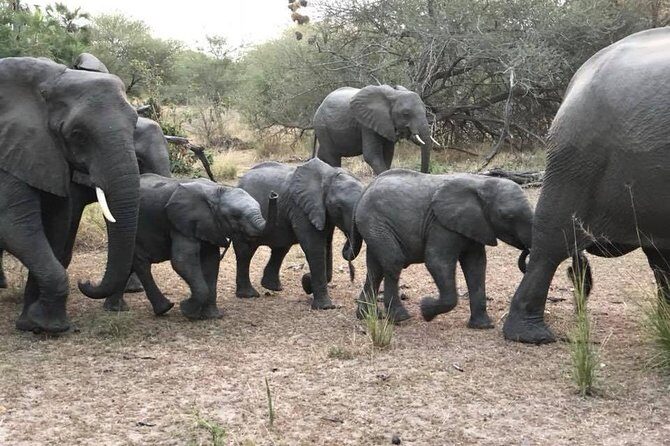
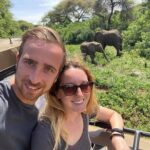
On Day 2, you depart from Springlands for Tarangire National Park and spend the day on a game drive before sleeping at Highview Hotel or similar. Tarangire is famous for concentrations of elephants, and it’s often one of the first parks where you can get big-animal momentum fast—perfect for building excitement before Serengeti.
The practical win here is timing. An early start from Arusha means you’re not burning daylight just getting into position. Also, Tarangire tends to be a great place to practice safari skills—how to scan carefully, how to read animal behavior, and how to stay patient when the best sightings come after a bit of waiting.
Potential downside: Tarangire days can feel like a lot, because once your game drive begins, you’re in wildlife mode for hours. If you need lots of downtime, you’ll want to plan on evenings at Highview being your reset button.
Serengeti via Olduvai Gorge: an intro to the wider story
Day 3 transitions you toward Serengeti, with a stop at Olduvai Gorge en-route and then a game drive on arrival. Olduvai is a meaningful stop because it gives you context for why this area is so important—then you roll straight into the living wildlife drama.
Once you reach the Serengeti, the trip shifts from “early big sightings” to “big system viewing.” This is the kind of place where predator and prey interactions are always in motion, and your guide’s ability to work the circuit becomes a huge part of your experience. Past safari stories highlight guides like James and Musa as people who know the route and animals well, and that kind of guidance matters when you’re trying to maximize sightings without rushing.
You also overnight at Serengeti Wildcamp or similar. Sleeping close to the action changes your whole mood: you’re not thinking about where you’ll be tomorrow—you’re already in the ecosystem. That can lead to better focus during evening and early-morning viewing.
A full Serengeti day: Great Migration energy and predator timing
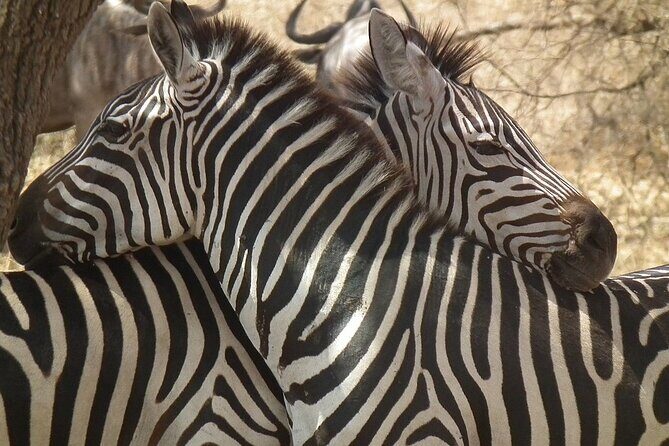
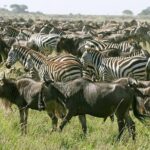
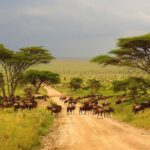
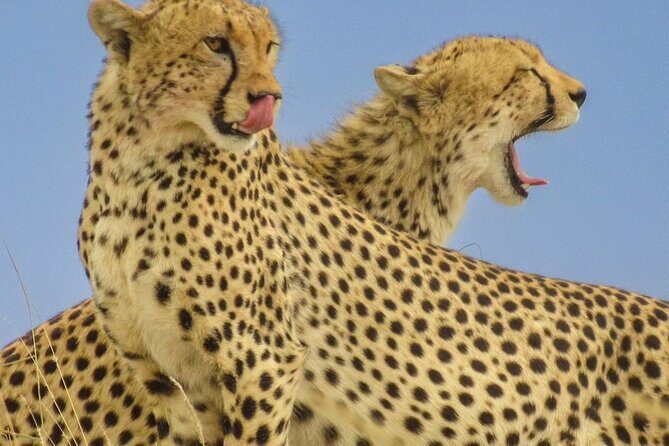
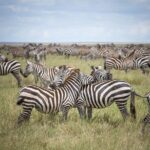
Day 4 is a full day in Serengeti, built around beauty and game viewing. The emphasis is on the Great Migration period and on the huge herds of plains game like wildebeest, zebra, and antelope, with predators moving among the kopjes—those rocky outcrops that break up the view and create natural hunting stages.
One reason this day works so well is variety of terrain. The Serengeti isn’t one flat field; the scenery shifts across the park: open grass plains in the south, savanna with acacia trees in the center, and woodland or black clay plains in the west. That variety keeps your viewing interesting even when sightings aren’t constant, because the “where animals might appear” changes as the terrain changes.
What I like in a plan like this: it doesn’t try to force too many separate stops. You stay in Serengeti long enough for your guide to find patterns. And the operator’s guide reputation shows up again in past trip comments—people describe guides as kind, accommodating, and focused on animal knowledge, which is exactly what you want when you’re spending a whole day out in the field.
Ngorongoro Crater: black rhino chances plus the world’s stage set
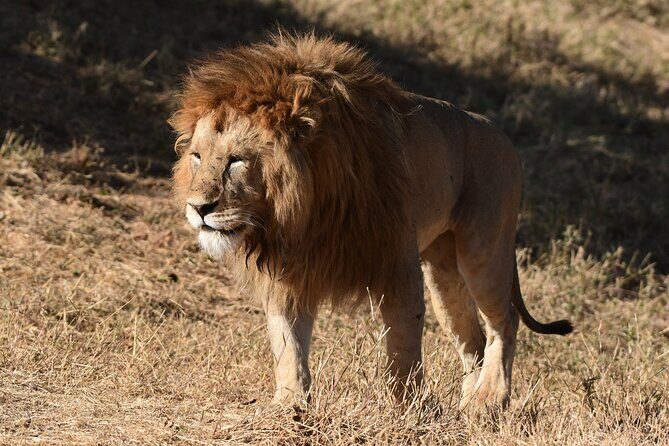
Day 5 brings you to the Ngorongoro Conservation Area and sets up the big highlight—descending into Ngorongoro Crater for game driving. The crater is described as about 600m deep, 16km across, and roughly 265 sq km in area, which helps you understand why it feels like its own world. The view from above is impressive, but what matters is what’s inside: the crater floor supports a packed food web.
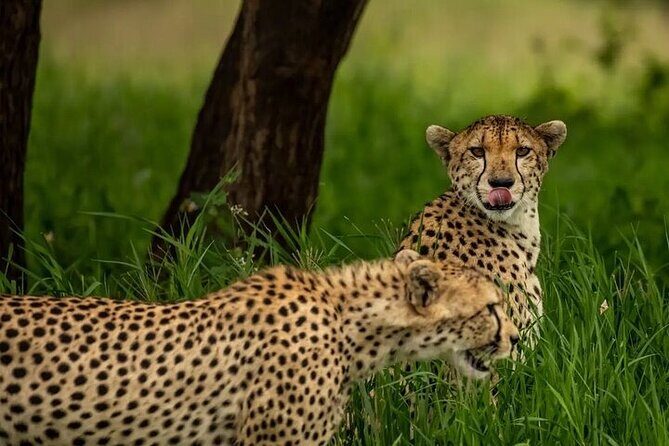
This is the best day for black rhino expectations on this route. The plan specifically notes that many of Tanzania’s last remaining black rhinos graze on the open grassland of the crater floor. You also have a shot at lion, cheetah, eland, zebra, and gazelle, plus bird action around Makat Soda Lake where flamingos can often be seen feeding.
A small but important practical point: crater driving works differently than park-wide driving. Because you’re descending and operating in a concentrated bowl, you may spot animals at shorter distances than you’d expect elsewhere. That changes how you experience the safari—less “spotting far away,” more “watching behavior.”
After the crater drive, you head to Highview Hotel for an overnight with lunch, dinner, and breakfast.
A few more Arusha tours and experiences worth a look
Lake Manyara in the afternoon: a shorter hit with big contrasts
Day 6 is Lake Manyara National Park with an afternoon game drive, plus a drive back to Springlands Hotel. Lake Manyara is often a place where you can get a different animal feel than Serengeti and Tarangire. Even in a shorter window, it gives your safari a final variety boost before the trip wraps.
The schedule here is intentionally lighter than the day before. Your game drive is listed as the afternoon, which helps you avoid ending every park day in the dark. It also gives you enough time to settle back into Arusha by evening, which can make the final day feel easier.
The trade-off is obvious: you don’t have the entire day here. If you’re a visitor who wants maximum time in every park, you might feel this day is shorter. Still, as a closing act, it’s a smart way to diversify sightings without blowing up the whole pace.
Day 7 in Arusha: a leisure morning before your flight
On Day 7 you keep things calm with a morning of leisure in Arusha, then transfer to Kilimanjaro airport for your flight home. That “buffer” morning matters more than it sounds. After multiple long days of wildlife viewing and travel time, you want a little room to pack, stretch, and breathe before heading out.
If you’re the type who hates rushing last-minute, this is the part of the itinerary that tends to feel like quality of life. It also gives you space to review photos, hydrate, and handle any little logistics that come up after a safari week.
Hotels and what luxury looks like on safari
This trip calls itself Big Five luxury, and the comfort level seems to come from the way lodging is chosen and managed rather than from adding fancy frills to the bush. Springlands and Highview are positioned as comfortable bases with attractive environments and tranquility, and Serengeti nights are handled via Wildcamp or Safari Lodge options like Serengeti Safari Lodge or Serengeti Wildebeest camp.
Also note the important detail: some stays are inside the park and some are outside it. That matters because staying closer to the action can improve your timing. More time in the field usually means more chances at the sightings people come for.
Meals are included across the trip in a structured way: breakfast is included for all 7 days, while lunch is included for 5 days and dinner for 6 days. For many safari travelers, that’s a big value point because it reduces planning friction and keeps you fueled during long drives.
Guides, 4×4 driving style, and why it changes everything
This tour leans heavily on guide quality. The operator promises good guides with enough knowledge and stamina to work for a long time, and past trip experiences strongly back that up. Names that show up include Marck, James, Juma, Musa, Hamisi, Issa, Nuhu, and Makele, with travelers describing guides as passionate, well-informed, and caring.
Why that matters: on safari, animals don’t follow a timetable. A skilled guide makes decisions in real time—where to position for light, when to slow down, what signs to watch, and how to keep the drive safe and smooth. You’ll often get better results from a guide who can read small details than from someone who simply counts on luck.
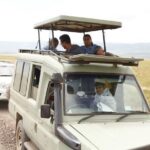
Vehicle comfort also plays a role. Past trip notes mention comfortable 4×4 Land Cruisers and private-style organization. With a small group limit of 6 travelers, you’ll generally feel more “in the same rhythm” as your guide and less like you’re part of a mass convoy.
Big Five sightings: how to set realistic expectations
This safari is built around the Big Five, but let’s keep your expectations grounded. You’re visiting four different parks with different ecosystems, and wildlife density varies by season, animal movement, and luck. What you can count on is that your route is chosen to cover the Big Five in places where they have real chances.
Here’s how the plan itself signals the focus:
- Ngorongoro Crater is highlighted for black rhino grazing.
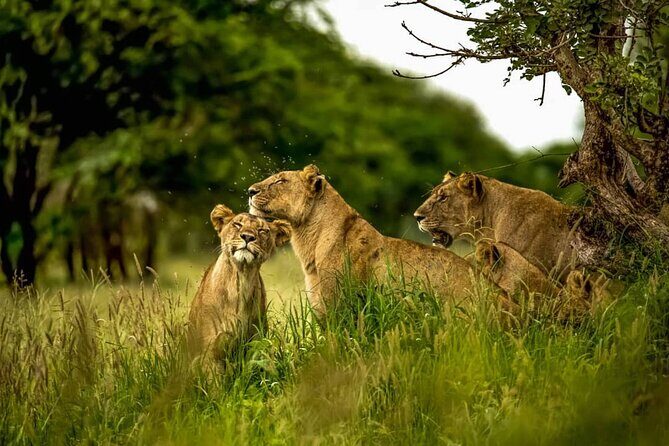
- Serengeti is built around plains game herds and the migration energy that draws predators like lion and cheetah.
- Tarangire is set up for classic big-animal viewing like elephants.
- Lake Manyara rounds out the circuit with another viewing style before you return to Arusha.
If you’re the kind of traveler who wants a strict checklist, remember that even the best safari guide can’t guarantee every animal every day. Your best strategy is to show up ready for strong sightings, then keep your eyes open and trust the guide’s call.
Price and value: what the $2,992 rate likely covers
The listed price is $2,992.00 per group (up to 1). The big value question isn’t the number—it’s what you’re getting for that number, especially since flights aren’t included.
What you do get in the provided details:
- Breakfast included (7 days), plus lunch (5 days) and dinners (6 days)
- Pickup offered (with transfers arranged around Arusha arrival and Kilimanjaro departure)
- Mobile ticket
- A max group size of 6
- Park stops across Tarangire, Serengeti, Ngorongoro, and Lake Manyara
- The plan shows Admission Ticket Free for each park stop, but you should still confirm what’s included in your final confirmation so there are no surprises
What’s not included:
- International and local flights
To judge value, I’d compare two things: your total cost after flights, and the “waste factor” of the route. This itinerary is built to reduce wasted time by moving from park to park with park-area lodging in key places. That can translate into more meaningful hours looking for animals, not just sitting in transit.
Safety and comfort: how to make the week easier on yourself
The operator states that safety is a priority. You should still plan to do your part, because wildlife safaris have their own rhythm and rules: stay seated during drives, follow your guide’s instructions instantly, and dress in a way that keeps you comfortable in sun, wind, and cool morning air.
You’ll also want to match the trip’s physical demands. The tour notes a moderate physical fitness level. That doesn’t mean you need to be an athlete, but it does mean you should expect some walking at lodging areas and time out on uneven ground while you’re game viewing and moving between stops.
If you’re sensitive to long days, build your mental stamina now. Hydrate, pack snacks when allowed, and treat the lodge nights as real recovery time.
Should you book this Big Five luxury safari out of Arusha?
I’d recommend this tour if you want a classic Big Five circuit with a guide-led setup and you care about comfort without turning safari into a theme park. The small group limit (max 6) and the guide reputation are the biggest reasons it sounds worth the money—this is the kind of trip where good guidance can seriously affect what you see.
I would think twice if you hate long days on the road or you’re planning a trip where you need lots of downtime between activities. This isn’t a slow touring schedule. It’s focused, packed, and built for wildlife.
If your goal is to hit major Tanzanian wildlife regions in one confident week—Tarangire elephants, Serengeti migration drama, Ngorongoro crater density, and a final Lake Manyara viewing window—this route fits the bill.
FAQ
How long is the Big Five Luxury safari from Arusha?
It’s listed as 7 days (approx.).
Where does the safari start and end?
It starts with arrival in Arusha (Day 1) and ends with a transfer to Kilimanjaro airport for your flight home (Day 7).
Which parks are included in the 7-day route?
Tarangire National Park, Serengeti National Park, Ngorongoro Conservation Area (including Ngorongoro Crater), and Lake Manyara National Park.
What meals are included?
Breakfast is included for 7 days, lunch is included for 5 days, and dinner is included for 6 days.
Are flights included in the price?
No. International and local flights are not included.
Is pickup included?
Pickup is offered.
What is the maximum group size?
The tour lists a maximum of 6 travelers.
Are park or admission tickets included?
The schedule shows Admission Ticket Free for each park stop, but you should confirm what your final confirmation includes.
Is the tour suitable for people with limited mobility?
The tour notes travelers should have a moderate physical fitness level. It also allows service animals.
Is cancellation free?
Free cancellation is available up to 24 hours in advance for a full refund. Less than 24 hours before start time is not refundable.
What’s the mobile ticket detail?
The tour includes a mobile ticket.