REVIEW · SERENGETI
4 Days Private Midrange Lodge Safari to Serengeti & Ngorongoro
Book on Viator →Operated by African polecat safaris · Bookable on Viator
Rhinos first, lions soon, then crater views. This private 4-day safari packs Tarangire, Serengeti, and Ngorongoro into a tight schedule with early starts and lots of time on the road for real sightings. I like the clear “day-by-day rhythm” here: sunrise drives, picnic lunches, then another game drive before the evening stop. One thing to plan for: expect long driving days and early mornings, especially on the crater day.
Two details I genuinely like are the ride setup and the food plan. You’ll travel in an air-conditioned 4×4 with a pop-up roof, plus a cooler fridge and charging ports, so you’re not stuck in heat, dust, and dead batteries all day. And meals are described as warm meals served (not dry boxes), which matters on safari when you’re out there for hours.
The third “make-or-break” part is that you’re not just doing check-the-box drives. This route keeps you moving between parks and viewpoints, including a crater viewpoint stop on the way into Serengeti and an optional Maasai boma visit for culture time. The only real drawback is cost creep: optional upgrades (like Ngorongoro Serena) and gratuities are not included, so your final tab may rise.
In This Review
- Key safari beats you’ll notice right away
- What you’re really buying with a 4-day private safari
- Day 1 in Tarangire: the “land of giants” and two chances to see them
- Day 2 in Serengeti: a crater viewpoint stop plus a sunset drive
- Day 3 in Serengeti to Ngorongoro: sunrise predators and a camping-style night
- Day 4 in Ngorongoro Crater: early descent, open-roof views, and hippo-pool lunch
- Midrange lodges, meals, and why the food plan affects your whole day
- Price and logistics: is $2,596.07 per person fair value?
- Practical tips for a smoother safari (and better photos)
- Who this safari fits best
- Should you book this 4-day safari to Serengeti and Ngorongoro?
- FAQ
- What parks are included in this 4-day safari?
- Is the safari private or shared?
- Are park fees included?
- What time do you start on the Ngorongoro Crater day?
- Are meals included?
- What vehicle will I ride in?
- Are there any optional activities or upgrades?
- What is not included in the price?
Key safari beats you’ll notice right away
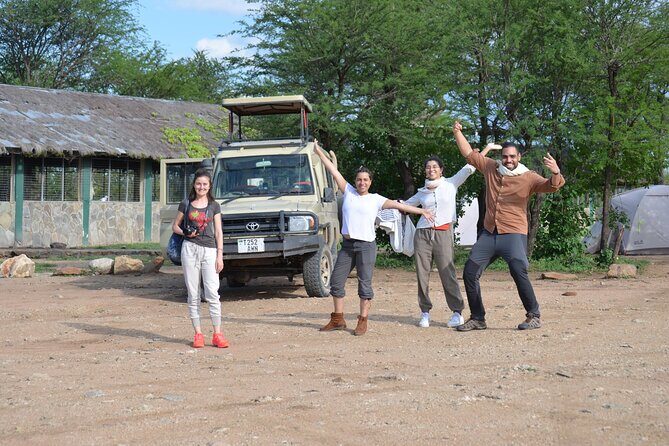
- Open-roof 4×4 time for better sightlines when animals cross close.
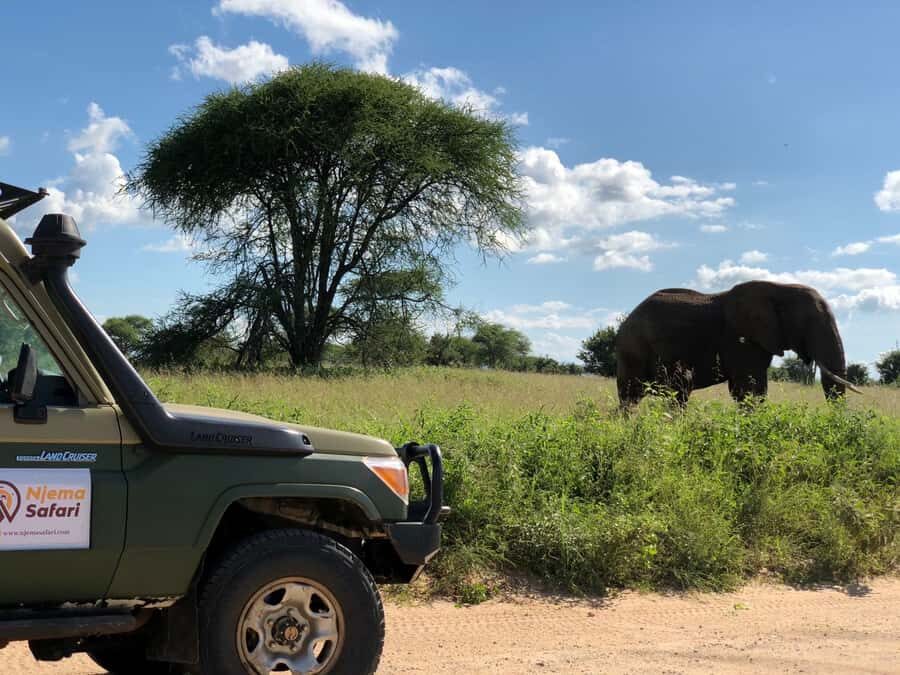
- Tarangire’s elephant country plus a picnic by the Tarangire River views.
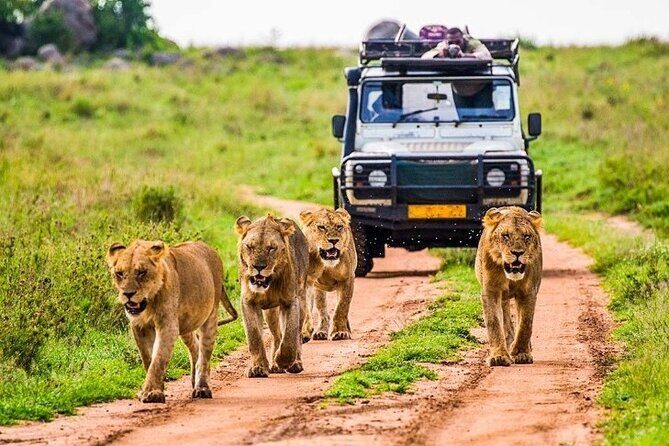
- Serengeti sunrise hunting for predators, when lions and other nocturnal hunters wrap up.
- Ngorongoro early descent for black rhino odds, when the park is quieter and animals are more active.
- Picnic lunch at the hippo pool area, turning lunch into a wildlife moment.
- Chef-and-guide team feel, with names like Bosko (driver) and Ali (chef) showing up in solid past experiences.
What you’re really buying with a 4-day private safari
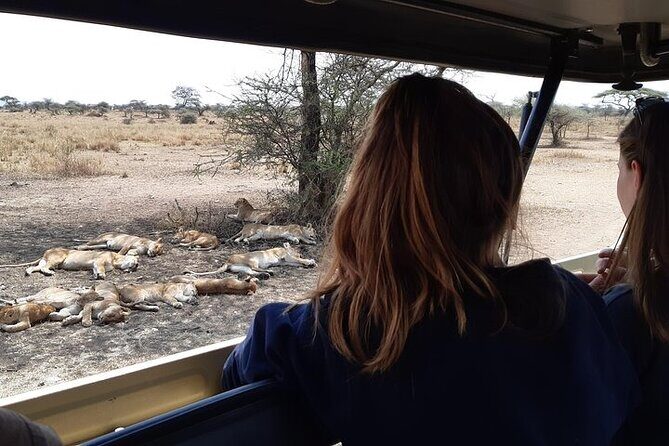
A lot of safari packages sell “wildlife.” This one sells access: access to three of Tanzania’s most famous areas, with enough time in each that you’re not rushing only at the end of the day. You’re paying for transportation, park fees, a professional driver guide, and midrange lodge nights, not just a seat in a truck.
At $2,596.07 per person, the value comes from the combination: private logistics, park fees covered, and the vehicle experience (pop-up roof plus comfort extras). If you tried to stitch this together yourself, you’d still spend money on park tickets, a guide, and internal transfers—then add the headache of timing.
This is also a private tour, meaning it’s only your group. That matters on safari, because one wrong timing decision can mean missing prime sightings. With a private setup, your driver can usually adjust pacing to what’s happening out there, within reason and park rules.
One practical note: it’s booked on average about 15 days in advance, so if you’re going during a busy season, don’t wait too long to lock in dates.
You can also read our reviews of more tours and experiences in Serengeti.
Day 1 in Tarangire: the “land of giants” and two chances to see them
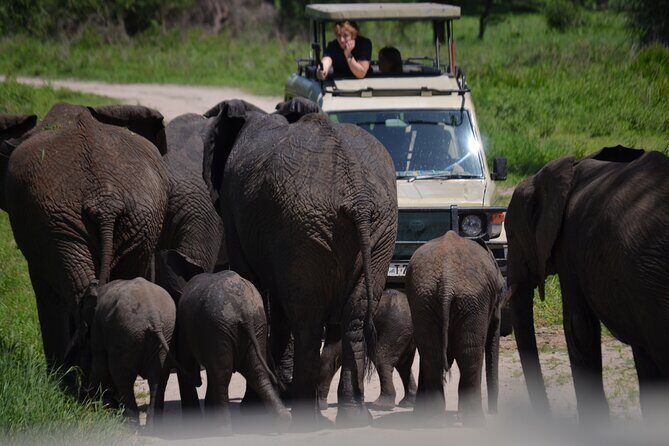
Tarangire starts early. Pickup is at 7:00 am, and you’re looking at about a 2-hour drive to get into the park after breakfast. That early departure helps you use the morning light, when animals often feel less pressured and more visible along the river system.
Once you arrive, the day is built around a game drive morning and a second drive after lunch. Tarangire is often called the land of giants for a reason, and this itinerary aims right at that reputation: you’ll be scanning for big mammals and looking out for the kinds of sightings that are common around water sources.
Lunch is a picnic-style stop near the Tarangire River views. Even if you’ve had wildlife on your mind all morning, this pause is useful. It gives you a mental reset, and it also keeps the day from feeling like a nonstop bumpy blur.
After lunch, you go deeper with another game drive. This is one of those “quietly smart” choices: morning congestion can build up in popular spots, and a later second circuit can mean more room to find wildlife behavior rather than just crowds.
Tarangire days can feel hot and dusty, so plan for shade breaks and water discipline. The itinerary doesn’t spell out water refills, but your vehicle setup includes a cooler fridge, which usually helps keep drinks reasonable during the day.
Day 2 in Serengeti: a crater viewpoint stop plus a sunset drive
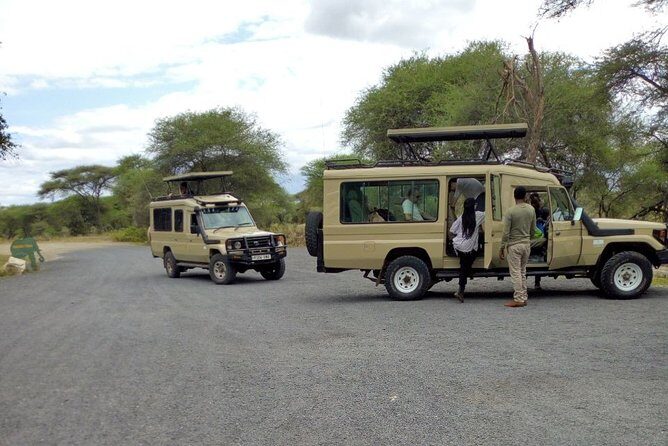
After breakfast, you head to Serengeti between 8:45 and 9:00 am. On the way, you’ll stop 15–20 minutes at the Ngorongoro Crater viewpoint. This is a nice “preview moment,” because it gives you a sense of the scale before you go down into the crater later.
You’ll arrive with time for lunch at Serengeti Nabi gate, with a short walk stretch for leg comfort. That little break matters. Safari days are physical in a sneaky way—standing up for checks, moving on and off the vehicle, then repeating it. A short leg-stretch means you’ll enjoy the afternoon drive more.
Then comes the main event: a game drive that includes a sunset component while you’re heading toward your selected accommodation for dinner and overnight inside the Serengeti plains. Sunset can be one of the best times for predators. Even when the big cats don’t show up, you often get calmer animal movement and better overall viewing.
There’s also an optional culture window: a Maasai boma visit. If you add it, think of it as context for what you’re seeing. You’re in a living region, not a wildlife movie set, and these visits can help connect people to land.
The park timing here is long, so wear clothes that can handle sun and brief coolness. You’ll be out for hours, and Serengeti light changes quickly.
Day 3 in Serengeti to Ngorongoro: sunrise predators and a camping-style night
This day starts early, with an early sunrise game drive. The itinerary specifically frames it as a chance to catch wildlife right when it’s waking up and nocturnal hunters are wrapping up their night. That logic is practical: you don’t want to start your day only after the animals have already settled into daytime patterns.
After the morning drive, you return for breakfast at your accommodation. This is one of those “simple but important” pacing choices. It reduces your fatigue enough to enjoy the afternoon instead of feeling like you’re just enduring it.
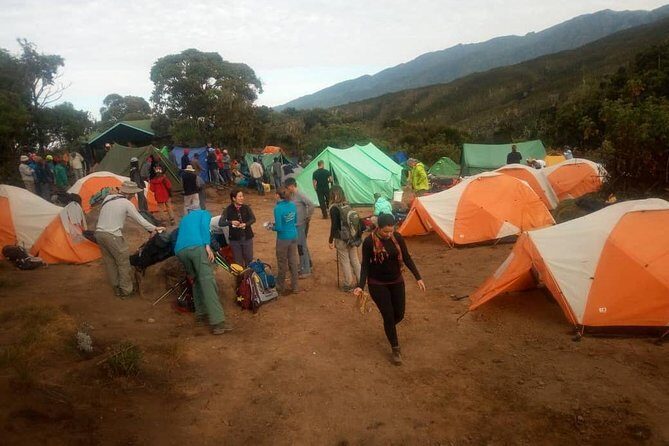
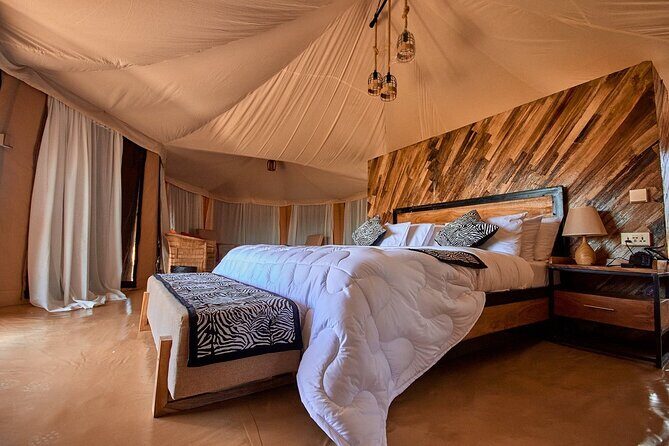
In the afternoon, you go back to Naabi Gate for lunch, then continue with transit game viewing while heading into the Ngorongoro Conservation Area for the overnight stop. You’ll arrive at the camping grounds in the early evening for dinner and sunset.
If you want a higher-comfort option, there’s an upgrade to Ngorongoro Serena hotel with extra cost. That’s a meaningful choice when you’ve got a crater day next, because a comfortable night can affect how you feel during the early morning start.
A small but useful operational detail: bathrooms are available on every gate and picnic sites around the park. That matters more than people expect when you’re dealing with long drives and timed game drives.
Day 4 in Ngorongoro Crater: early descent, open-roof views, and hippo-pool lunch
Ngorongoro is treated like the grand finale, and the timing reflects it. You’ll start between 6:30 and 7:00 am and descend into the crater early to improve odds of spotting black rhinos. Going early is not just tradition here; it’s also about cooler conditions, calmer light, and more active wildlife behavior.
You’ll be in an open-roof 4×4 land cruiser, so you can scan and photograph with the horizon line that safari vehicles allow. The crater sits about 600–650 meters high (as described), and that change in elevation is part of why it feels different from the open plains parks.
You’ll get a morning of wildlife viewing, then a picnic lunch by the famous hippo pool. That’s a big deal, because hippo pools don’t just mean you might see hippos. They usually mean constant movement, sound, and background wildlife activity while you eat.
After lunch, the day continues with more game viewing (the schedule doesn’t list every single segment time-wise, but it clearly extends the crater experience). This is the “don’t waste the light” part. By this stage, you’ll probably feel how quickly safari days can fly by, so the extra time matters.
Midrange lodges, meals, and why the food plan affects your whole day
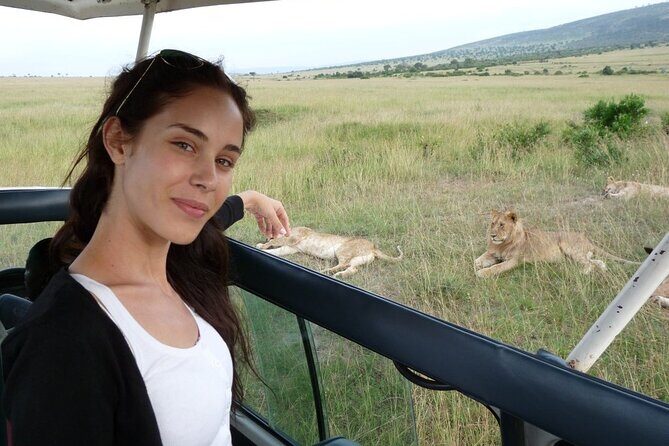
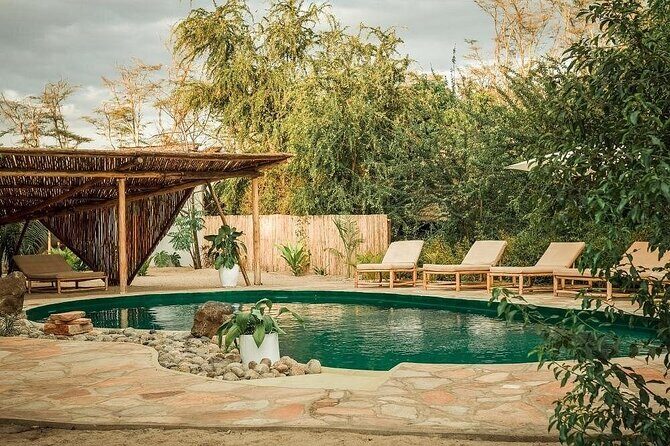
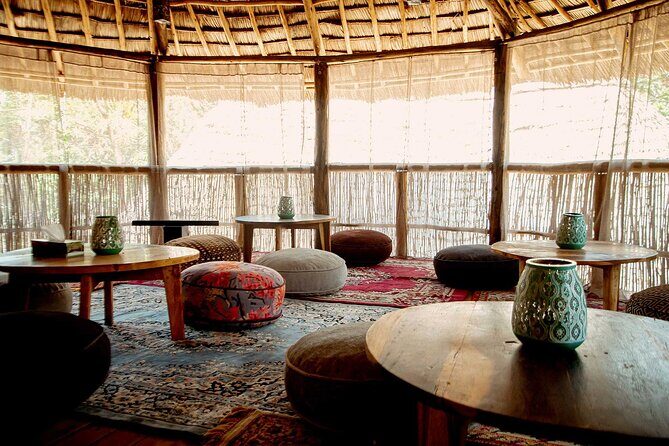
This package stays in the midrange lodge category, which is a practical sweet spot for many first-time safari visitors. You’re not going super-budget with minimal comfort, and you’re not paying for the most expensive lodge tier. It’s designed so you can rest enough to handle early drives without feeling like you’re in survival mode.
Meals are included: breakfasts (3), lunches (4), and dinners (3). The key quality point is that warm meals are served not in dry boxes. That sounds like a small wording detail, but it’s the difference between “safari fuel” and “actual food you enjoy after a long day.”
You’re also getting a vehicle setup with a cooler fridge and charging ports. That’s genuinely useful. Your phone and camera batteries drain faster on safari because of GPS use, constant photo bursts, and long hours in motion.
Chef support shows up clearly in the names provided in prior experiences. There are examples of Ali (chef) and Tito (cook) being praised for taking care of the little things, and it’s a good sign when you see multiple roles called out, not just the driver.
Price and logistics: is $2,596.07 per person fair value?
Let’s talk value, not just price.
You’re paying for a lot that people often forget to price separately:
- Park fees for the national parks (covered)
- A professional safari driver guide for the duration
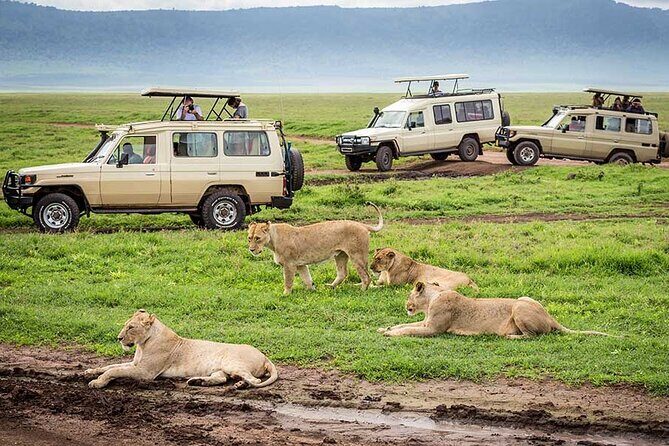
- A safari vehicle with real comfort features (air-conditioned 4×4, pop-up roof, cooler fridge, charging ports)
- Midrange lodge accommodations
- Meals: multiple breakfasts, lunches, and dinners
- Transport support, including roundtrip airport transfer and free luggage storage
So the cost is not just “four days of driving.” It’s essentially a full-service safari package with the hardest parts handled.
Two cost caveats to keep in mind. First, gratuitities and personal expenses are not included. Second, the optional add-ons (like the Maasai boma visit and the Ngorongoro Serena hotel upgrade) can raise your final spend. If you hate surprises, ask about any additional fees before you decide.
On timing: the average booking window of 15 days suggests you can plan without months of lead time, but peak dates can still sell out. If you have flexibility, that gives you options.
Practical tips for a smoother safari (and better photos)
Safari is not hard, but it is physical. A few things will help you enjoy this route more:
- Start early with your head clear. Day 3 has sunrise, and Day 4 starts around 6:30–7:00 am. Your reward is better light and more active animals.
- Dress for sun and dust. Even with air-conditioning in the vehicle, you’re still outside during sightings.
- Expect frequent use of gates and picnic areas. The itinerary notes bathrooms on every gate and picnic sites around the park, which makes the day easier.
- Bring binoculars if you have them, but expect you’re covered. Binoculars are included in the package, so you may not need your own.
- Charge gear before pickup when possible. Charging ports help, but nothing beats starting day one with a full battery.
One small comfort detail you’ll appreciate: the vehicle has a pop-up roof, and that changes everything about viewing. You’ll be more willing to stand and scan when it’s not awkward.
Who this safari fits best
This 4-day safari makes the most sense if you want a strong first-timer experience with enough structure to feel safe and organized, without going ultra-luxury. It also works well for people who don’t want to manage multiple guides, multiple transfers, and separate ticketing.
Because it’s a private tour, it’s also a good choice if your group has timing needs, different interests (wildlife first vs. a culture stop), or you just prefer less waiting around.
If you’re traveling with kids or someone who gets tired easily, the midrange lodge comfort and the clear schedule can help. The itinerary includes returns for breakfast at accommodations after the sunrise drive, which is a smart built-in reset.
Should you book this 4-day safari to Serengeti and Ngorongoro?
I’d book it if you want three major parks in one smooth package, with park fees, meals, and a real safari vehicle included. The early starts on days 3 and 4 are a big deal for seeing predators and improving black rhino odds, and the crater finale is the kind of day people remember for years.
I’d think twice if you hate early mornings or if you’re very sensitive to long driving days. This itinerary is intense by design. Also, factor in gratuities and any optional add-ons like the Maasai boma visit or the Ngorongoro Serena hotel upgrade.
If your plans are flexible, take advantage of the fact that cancellation is free up to 24 hours before the experience starts. That reduces risk if your schedule shifts.
Bottom line: for many people, this is a strong value way to experience Tarangire, Serengeti, and Ngorongoro without turning the trip into logistics homework.
FAQ
What parks are included in this 4-day safari?
Tarangire National Park, Serengeti National Park, and the Ngorongoro Crater / Ngorongoro Conservation Area are included.
Is the safari private or shared?
It’s a private tour/activity. Only your group participates.
Are park fees included?
Yes. Park fees for all national parks are included.
What time do you start on the Ngorongoro Crater day?
You start between 6:30 and 7:00 am to descend into the crater.
Are meals included?
Yes. The package includes warm meals served (not dry boxes), with breakfasts, lunches, and dinners listed as part of the included services.
What vehicle will I ride in?
You’ll use an air-conditioned 4×4 safari jeep with a pop-up roof, plus a cooler fridge and charging ports.
Are there any optional activities or upgrades?
Yes. A Maasai boma visit is optional, and you can upgrade to Ngorongoro Serena hotel for an extra cost.
What is not included in the price?
Visa, travel insurance, gratuities, and personal expenses are not included.