REVIEW · MOSHI
6 Days Safari : Manyara, Ngorongoro, Serengeti & Tarangire National Park
Book on Viator →Operated by Keys Tours · Bookable on Viator
Five parks in one nonstop rhythm. This 6-day safari route links the Northern circuit that most people dream about: Lake Manyara, Ngorongoro Conservation Area, Serengeti, and Tarangire—built around big cats and the classic herd action of the region. You’ll spend real time on game drives with an experienced team, so the days feel like hunting wildlife, not just checking boxes.
I especially like the mix of full-day game drives and included meals, which cuts down on decision fatigue when you’re out in the bush. I also like that the itinerary spotlights different habitats—Lake Manyara’s Rift Valley water and flamingo grounds, Ngorongoro’s crater bowl, Serengeti’s plains, and Tarangire’s river corridor—so you’re not stuck seeing the same scenery every day.
One consideration: it’s a long, early-start style trip, so you should be okay with long hours in the vehicle. Also, drinks, tips, and personal items are not included, so I’d plan on spending a bit more than the base price once you’re in Tanzania.
In This Review
- Key highlights that make this safari work
- The Northern circuit: why this route feels efficient
- Moshi and a 7:00 am Kilimanjaro Airport departure
- Day 1 in Lake Manyara: Rift Valley water and flamingo focus
- Day 2 Ngorongoro Crater: highlands views then a 600-meter drop
- Day 3 Serengeti National Park: migration country plus top predators
- Day 4: second Serengeti drive plus time at Embalakai Camp
- Day 5 Tarangire: dry-season water logic and Sangaiwe location
- Day 6: back toward Moshi/Arusha with one last chance
- Price and value: what your $6,610 actually buys
- Staff support and the human side of the safari
- Wildlife expectations: Big Five focus plus the other wins
- Who this safari fits best
- Should you book this 6-day Northern circuit safari?
- FAQ
- What parks does this 6-day safari include?
- Where does the safari start?
- What time does the safari start?
- Is pickup offered?
- What’s included in the price?
- What is not included?
- How much game driving will I get each day?
- Can I expect Big Five animals on this safari?
- Where do I stay during the trip?
- What’s the cancellation window?
Key highlights that make this safari work
- 7:00 am start from Kilimanjaro Airport to keep your wildlife time from slipping
- Ngorongoro crater viewpoint + 600-meter descent for that signature “wow” perspective
- Serengeti two big drive days focused on the migration country and resident predators
- Embalakai Camp by the Nyabogati River with sunset views and 13 tent set-up flexibility
- Tarangire overnight near Sangaiwe entrance in the corridor between Manyara and Tarangire
- All park fees included (plus VAT and the Crater fee), so you’re not guessing at extras mid-trip
The Northern circuit: why this route feels efficient
This safari makes smart use of Tanzania’s best-known wildlife areas by chaining them in a logical arc. You get Rift Valley lake drama one day, a crater “natural sanctuary” the next, then Serengeti’s wide plains—before switching to Tarangire’s river-driven concentration of animals.
For you, that means less backtracking and more daylight spent doing what you came for. And because each park is built around a different ecosystem, you get variety: flamingos and shoreline wildlife at Manyara, crater mammals below at Ngorongoro, migration and predator country in Serengeti, and dry-season river pull at Tarangire.
A few more Moshi tours and experiences worth a look
Moshi and a 7:00 am Kilimanjaro Airport departure
The trip is set up around a morning start time of 7:00 am with the meeting point at Kilimanjaro Airport. If you’re landing the day before, this is the kind of schedule that helps you avoid losing an entire wildlife day to travel timing.
You’ll also want to know this is a private tour/activity, meaning it’s only your group. That typically matters because wildlife drives go better when your vehicle doesn’t feel like a moving waiting room, and when schedules stay consistent.
Day 1 in Lake Manyara: Rift Valley water and flamingo focus
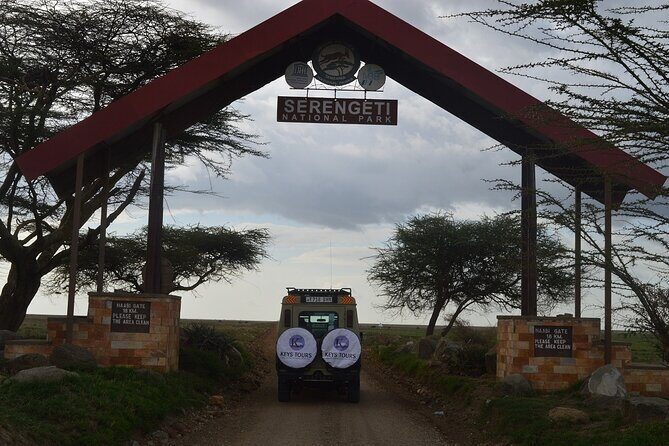
Your first park day centers on Lake Manyara National Park, reached after breakfast with lunch boxes provided for the game drive. Lake Manyara sits in the Great Rift Valley, and it’s a major wildlife water source that supports ecosystems connected to Serengeti and Ngorongoro as well as Tarangire.
What I like about starting here is that Manyara gives you an easy entry point into the region. It’s also where the flamingo story becomes real: the lake is described as Tanzania’s largest breeding ground for tens of thousands of flamingos, so even when other animals are quiet, you still have that iconic lake setting to enjoy.
A practical consideration: because it’s early and you’re driving into the park for a full game drive block, you’ll want to be ready for a long first day. Think of it as acclimation time—get your eye in for spotting behavior from your vehicle and learn how your driver communicates what’s coming next.
Day 2 Ngorongoro Crater: highlands views then a 600-meter drop
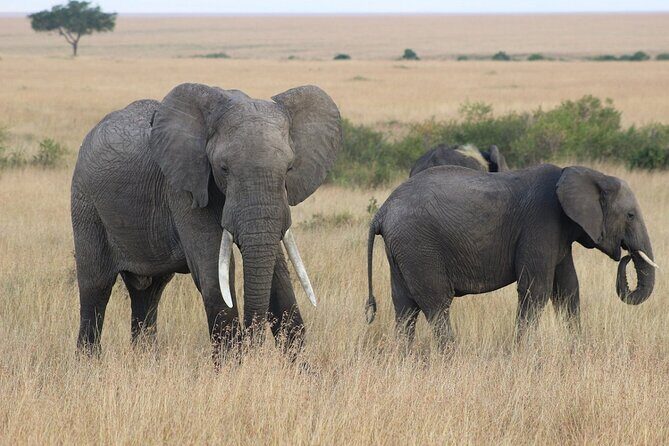
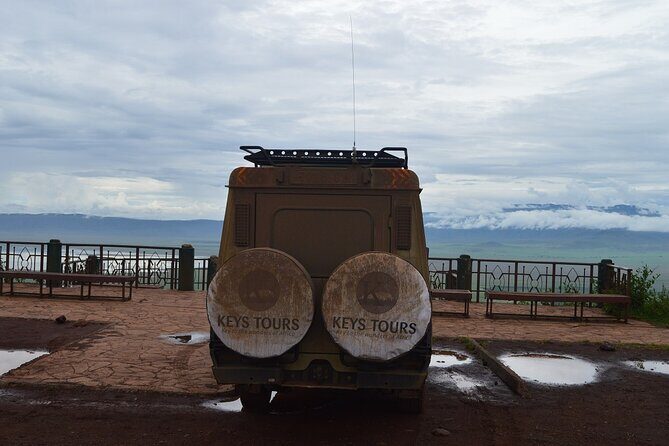
Day two is the big altitude moment: you drive up to Ngorongoro highlands, register at the gate, and then stop at a crater viewpoint for photos from above. After that, you descend 600 meters into the crater floor for a full day game drive.
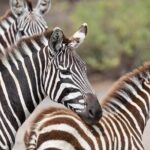
This part is the reason people talk about Ngorongoro like a natural theater. The crater is often described as Eden of Africa because of both the scenery and the wildlife density—especially for large mammals that make the crater floor their home. From your vehicle, you can expect to look for herds and plains animals like wildebeest, eland, zebra, and hippos, and the chance to see predators will always feel closer once you’re down in the bowl.
Here’s your drawback to plan for: going down into the crater is a physical and mental shift. Even if you’re not doing long hikes, you’ll be spending hours in a vehicle while temperatures and light conditions can change fast between the highlands viewpoint and the crater floor. That’s not a dealbreaker, it’s just a “dress and be ready” moment.
Day 3 Serengeti National Park: migration country plus top predators
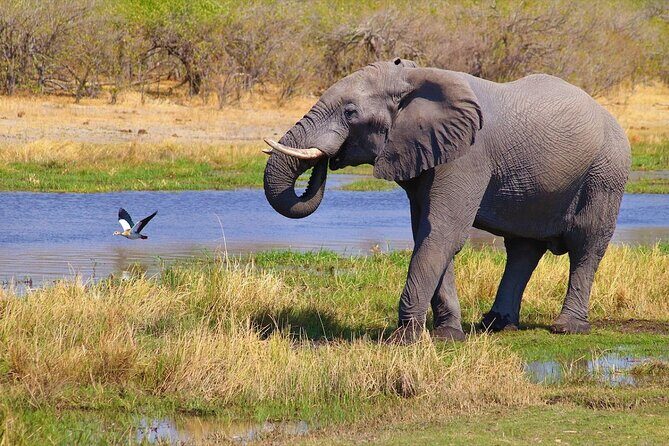
You move on to Serengeti National Park after breakfast, again with lunch boxes for a full day game drive. Serengeti was established in 1952 and is described as home to the great migration of wildebeest and zebra—the headline attraction for many people.
What helps this day feel high-value is the balance between the big migration idea and the resident animals you can look for at any time. The park description includes lion, cheetah, elephant, and giraffe, plus birds, which means you’re not relying on one moment to make the day work.
A realistic consideration: when a park is that big, you’re going to have days where the best sightings depend on where animals are moving. Your best move is to keep an open mind. When you’re in Serengeti, the “hunt” isn’t just for a specific animal—it’s for the right location at the right time, and your driver’s judgment makes a difference.
A few more Moshi tours and experiences worth a look
Day 4: second Serengeti drive plus time at Embalakai Camp
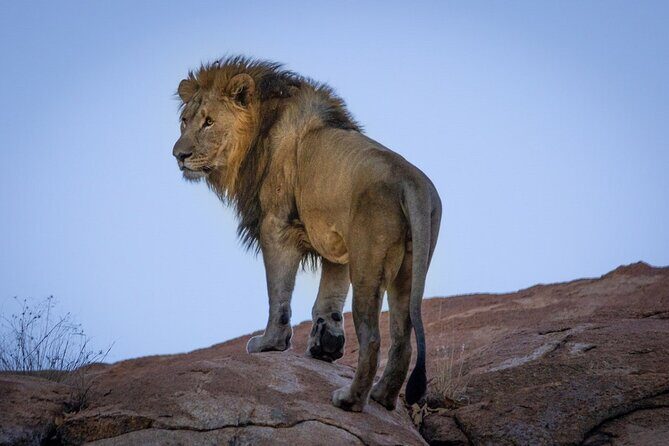
Day four keeps you in Serengeti with morning and afternoon game drives, so you’re not stuck waiting for a single prime window. The camp side of the day matters too: your stay is at Embalakai Camp, described as running alongside the Nyabogati River.
This is one of those details that can change the feel of your trip. When you’re near a river like this, wildlife and birds can be all around camp, so you’re not only experiencing the park in the vehicle. The property is also described as having acacia trees and offering sunset chances with distant hills in view.
You’ll also appreciate the camp layout: 13 spacious tents that can be set up for single, double, triple, or family occupancy. Bedding for babies is available on request with netted bedding, which is a practical inclusion if you’re traveling with little ones.
The tradeoff is timing and energy. Two drive blocks plus camp time means days can feel full. If you’re the type who needs downtime, I’d treat this as a “rest when you can” safari—when you’re out late, you’ll want to settle quickly so you’re ready for the next drive.
Day 5 Tarangire: dry-season water logic and Sangaiwe location
Your fifth day heads to Tarangire National Park, with a game drive on the way, then an overnight stay at a camp area positioned for park access. The safari’s Tarangire plan includes being strategically placed between Manyara and Tarangire, described as a corridor where the action is guaranteed.
Your camp base is Lake Burunge Tented Lodge, and it’s described as near the Sangaiwe entrance—about 10 minutes from the park entrance. That kind of proximity can matter because it can help you spend more time scanning for animals and less time commuting.
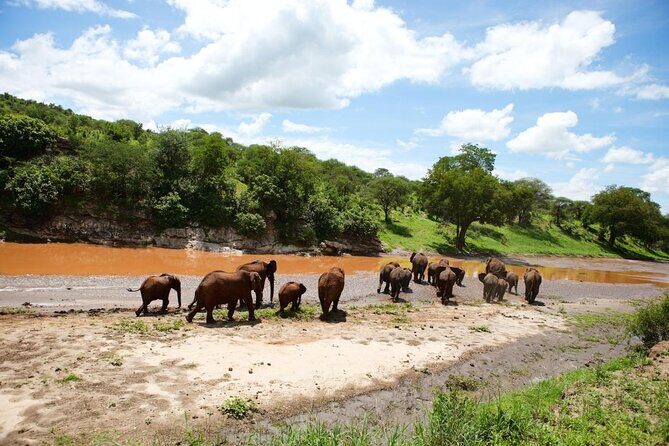
Tarangire is also sold here with a clear ecological story: the park’s name comes from the Tarangire River, and the dry season is when the river and its remaining waters become the magnet. Animals come in from surrounding areas during dry stretches, swelling resident populations of wildebeest, zebra, eland, elephant, hartebeest, buffalo, and fringe-eared Oryx. Elephants digging for underground streams in the dry riverbed is specifically mentioned, which is the kind of behavior that makes Tarangire memorable when conditions line up.
A consideration: Tarangire days can feel hot and bright, especially around midday drives. Your best strategy is simple—use shade whenever you can and plan on being exposed between sightings.
Day 6: back toward Moshi/Arusha with one last chance
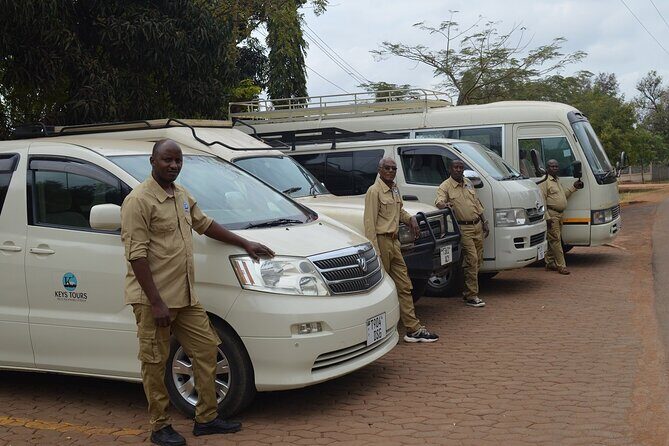
The final day is a pair of drives—morning and afternoon—followed by the return toward Moshi/Arusha. This is your last big shot to pick up any animals you missed earlier, and it can also feel like the day you appreciate the rhythm you’ve built: early start, slow scanning, and then sudden payoff.
If you’re the kind of person who gets tired of constant driving, you might find this day works because it has a built-in wrap-up. You’re still in parks, but you also know you’re on your way back afterward.
Price and value: what your $6,610 actually buys
At $6,610 per person for about 6 days, you’re not just paying for transportation. You’re paying for a bundle that includes the big cost drivers: all park fees, the tourism department levy, Crater fee, and government VAT (18%), plus a concession fee.
Meals are also included in a structured way: breakfast (5), lunch (6), and dinner (5). That matters because safari food budgets can get messy fast once you’re outside towns. If you show up ready to skip drinks and focus on the essentials, the package is more predictable than many do-it-yourself styles of safari.
What’s not included is just as important: drinks, tips, and personal items. If you tend to buy bottled water, sodas, or other extras during the day, add that into your planning. Tips are also often a meaningful part of safari budgeting, and your driver/team work is central to the experience.
My bottom line on value: this price makes the most sense if you want a route that hits Manyara + Ngorongoro + Serengeti + Tarangire in a tight window with included park costs. If your main goal is only one or two parks, you could spend less by trimming the route. But if you want the Northern circuit highlights, this structure is built for that.
Staff support and the human side of the safari
The safari experience is only partly about wildlife. It’s also about how smoothly the day runs, and how you feel when plans change with sightings or road conditions.
The support team connected with Keys Resorts and Keys Tours is highlighted by names like Trizer, Swai, Frank, Isaac, Daniel, Norda, and Nardo, repeatedly praised for warmth, kindness, and organization. That gives you a good signal about what to expect if you have questions or need help navigating a new country.
For you, this matters because safari days can get practical fast: timing, meal packs, and moving between gates and park entry points. When the team is competent and friendly, you lose less mental energy and can focus on spotting.
Wildlife expectations: Big Five focus plus the other wins
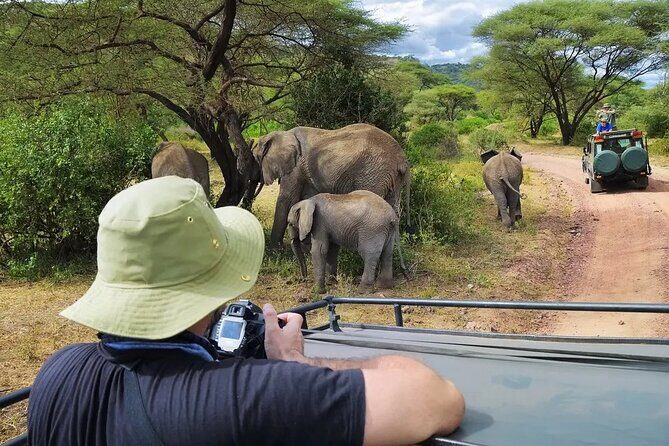
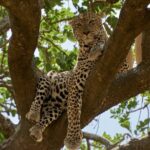
The tour’s promise includes the chance to see the Big Five game: elephants, lions, leopards, buffalo, and rhinos. Those sightings are never guaranteed—wildlife is wildlife—but the itinerary is designed to put you in the zones where those animals can be present.
Here are the other animals that the route description points to across parks:
- Lake Manyara: flamingos at scale, plus the lake’s role as a wildlife water source.
- Ngorongoro Crater: wildebeest, eland, zebra, and hippos, plus the general “large mammals and plain animals” idea.
- Serengeti: lion, cheetah, elephant, giraffe, and birds, alongside the migration headline.
- Tarangire: wildebeest, zebra, eland, elephant, hartebeest, buffalo, and fringe-eared Oryx, with dry-season concentration and behavior like elephant digging.
If you’re planning mentally, I’d treat this safari as two layers: the Big Five as your dream targets, and the rest as bonuses that often show up when the day is flowing. Sometimes the best sightings are the ones you weren’t even hunting for.
Who this safari fits best
This is a strong match if you want a classic Northern circuit safari without building your own logistics from scratch. It’s also a good fit for people who value knowledgeable drivers and a well-run schedule—because the route includes long blocks in major parks.
It can work for most people who are comfortable with a full day in a vehicle. It’s also described as private for your group, which is helpful for families or small groups who want less noise and more control over pacing.
Should you book this 6-day Northern circuit safari?
I’d book this safari if you want the four core parks of Northern Tanzania in one go: Manyara for flamingos, Ngorongoro for crater views and a full-day drive, Serengeti for migration country plus two drive days, and Tarangire for river-driven animal concentration. The biggest “yes” is the way costs are handled: park fees, Crater fee, VAT, and core meals are included, so you can budget with less stress.
I wouldn’t book it if you hate long driving days or you only want one park and don’t care about seeing different habitats. Also, if you expect drinks and soft extras to be included, you’ll want to plan for that ahead of time.
If your goal is a once-in-a-lifetime Northern circuit safari with strong organization and a team that shows up for you, this one is built for that.
FAQ
What parks does this 6-day safari include?
It includes Lake Manyara National Park, Ngorongoro Conservation Area, Serengeti National Park, and Tarangire National Park.
Where does the safari start?
The listed meeting point is Kilimanjaro Airport (Kilimanjaro National Park Tanzania).
What time does the safari start?
The start time is 7:00 am.
Is pickup offered?
Yes, pickup is offered.
What’s included in the price?
The package includes all park fees, tourism department levy, Crater fee, government tax (VAT 18%), and concession fee, plus breakfast (5), lunch (6), and dinner (5).
What is not included?
The price does not include drinks, tips, or personal items.
How much game driving will I get each day?
The schedule includes full-day game drives on key days (Manyara, Ngorongoro, Serengeti) and also morning and afternoon drives on other days (notably Serengeti on Day 4, and final-day drives before returning).
Can I expect Big Five animals on this safari?
The tour description highlights the Big Five game animals: elephants, lions, leopards, buffalo, and rhinos, plus other species mentioned across the parks like wildebeest, zebra, eland, hippos, cheetah, giraffe, hartebeest, and Oryx.
Where do I stay during the trip?
The details provided name Embalakai Camp (Serengeti) and Lake Burunge Tented Lodge (Tarangire).
What’s the cancellation window?
You can cancel up to 6 days in advance for a full refund (and other refund tiers apply if you cancel closer in).
If you tell me your travel month and group size, I can help you sanity-check whether this pace fits your energy level and what animal priorities you should set.