REVIEW · ARUSHA
6-Day Honeymoon Safari Tour Package in Tanzania
Book on Viator →Operated by Joagro Safaris Tanzania · Bookable on Viator
Six days, three parks, and real big-cat odds. What makes this safari feel special is the Tarangire-to-Serengeti-to-Ngorongoro route, built for a couple who wants wildlife days without getting stuck in travel chaos. I like how it starts with an airport meet-up in Arusha, then settles you into a smooth rhythm: briefings on arrival, long game drives, and nights timed for the next day’s sightings.
Two things I’d put near the top: the private driving plan (so you’re not squeezed into a crowd), and the way the schedule gives you both daylight exploring and a very early sunrise push for animal activity. A fair consideration: you’ll be up early more than once, and you should plan a little budget for items that are not included, like tips and travel insurance.
In This Review
- Key highlights that matter before you go
- Day 1: Arusha arrival, briefings, and getting your bearings fast
- Tarangire National Park: elephants, baobabs, and a full 8 hours of real range
- Serengeti National Park: the Seronera River area and a long wildlife day
- Day 4: sunrise chasing, then a crater-view dinner overnight
- Ngorongoro Crater: more than 600 meters down and prime mixed-species game
- What makes this honeymoon safari feel relaxed (even with long drives)
- Price and value: what you’re paying for at $1,995 per person
- Comfort and realism: clean stays, early starts, and your best prep
- Who this safari fits best (and who should consider other options)
- Should you book this 6-day honeymoon safari?
- FAQ
- How long is the safari package?
- Where does the trip start?
- Which parks are included?
- Is transportation private?
- What’s included in the price?
- What’s not included?
- Is free cancellation available?
Key highlights that matter before you go
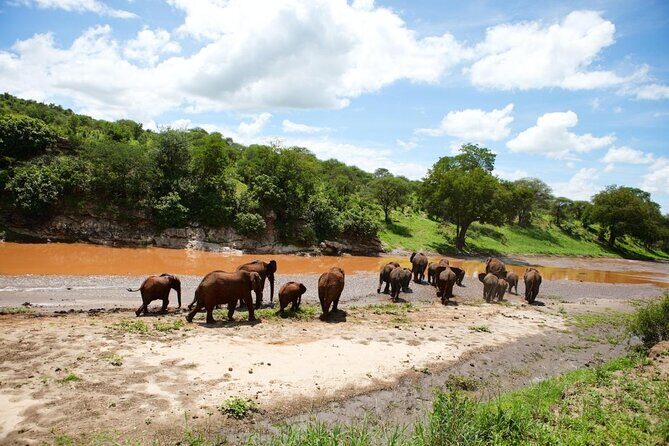
- Tarangire elephants and baobabs: big elephant numbers and the iconic tree shapes that make photos look instantly “Africa.”
- Serengeti’s Seronera area and water timing: you spend time in a part of the park tied closely to the Seronera River.
- Ngorongoro crater depth: going down more than 600 meters helps concentrate wildlife into one dramatic bowl.
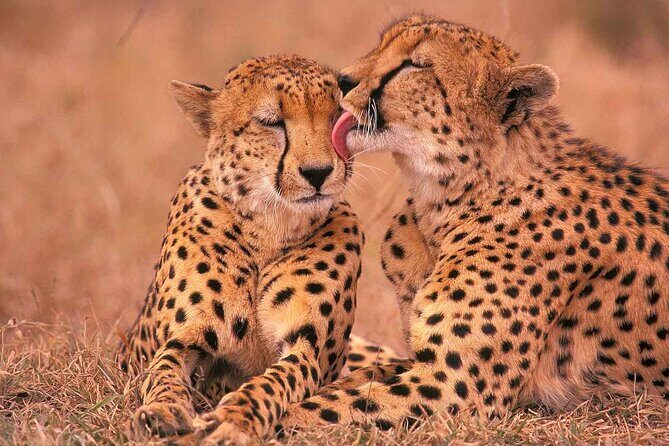
- Predator chances plus patient spotting: lions, hyenas, jackals, cheetahs, and the leopard’s occasional appearance.
- Private couple pace, not group chaos: you’re traveling as your own group with airport pickup/drop-off and WiFi on board.
- Operators who stay responsive: guides named in past trips include Jonas (manager) and drivers like Anuar/Anwar, Barnabas, Bernabas, and Fady.
Day 1: Arusha arrival, briefings, and getting your bearings fast
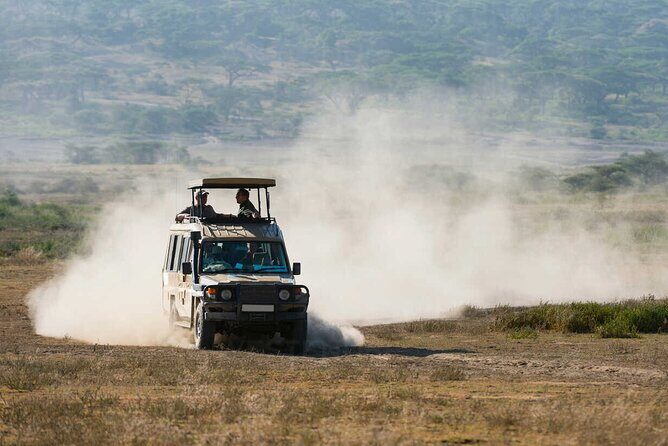
Your first contact is at Kilimanjaro International Airport, followed by a drive to a hotel in Arusha city. This day is less about wildlife and more about set-up: you’ll get safari briefings covering the overall plan, accommodations, and the exact pickup timing for the next morning.
I like this structure because it reduces stress. Instead of scrambling the same day you arrive, you start Day 2 with clarity, including when you’ll leave and what the days ahead look like.
A few more Arusha tours and experiences worth a look
Tarangire National Park: elephants, baobabs, and a full 8 hours of real range
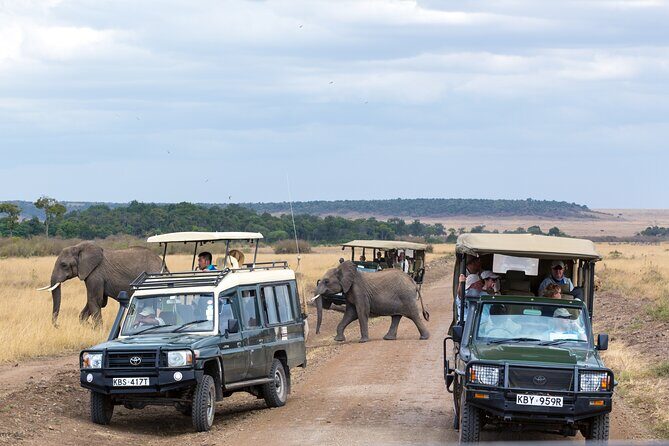
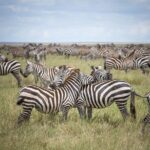
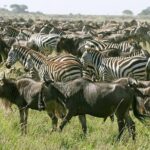
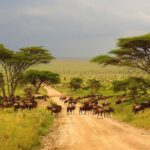
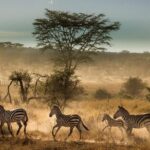
After breakfast, you head to Tarangire National Park, typically giving you a long stretch on the ground (around 8 hours). Tarangire is famous for big elephant numbers and for its dramatic mix of sparse vegetation and landmark baobab and acacia trees. It also sits in the middle of a seasonal migratory rhythm, and the park’s numbers can include up to about 3,000 elephants plus huge bands of wildebeest and zebra.
What this means for you on a practical level: you’re not just chasing a single species. The habitat is open enough that you can scan for action, but it’s still layered with trees where animals pause, drink, and move in and out of view. That combo tends to make drives feel active without turning into constant stopping-and-starting.
One small note from the route itself: there’s a check-in in Arusha Town for any last-minute purchases before the safari day gets rolling. If you need water, snacks, or simple essentials, this is the moment to handle it—don’t count on doing it later mid-drive.
Serengeti National Park: the Seronera River area and a long wildlife day
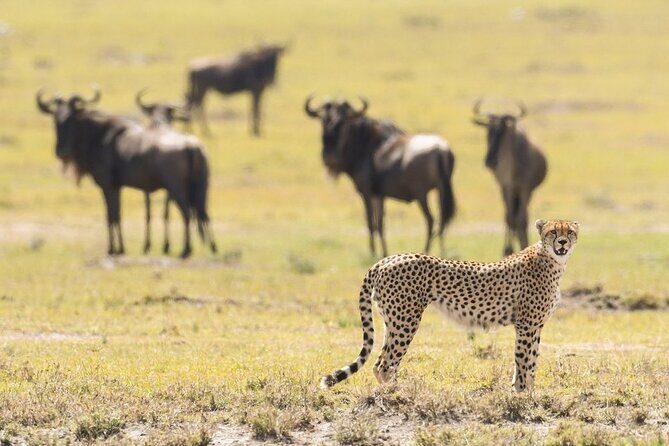
Day 3 takes you from Arusha region out toward Serengeti National Park, with the drive passing through Karatu farmland and the Ngorongoro Conservation Area. As the terrain shifts, you’ll feel the change instantly: from cultivated land to the broad, open Serengeti plains.
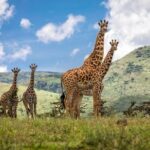
You arrive in time for lunch and spend the rest of the day in the park, particularly the Seronera area, which is tied to the Seronera River and its water supply. That matters because water draws animals, and animals draw sightings—so you’re not relying only on luck.
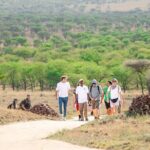
With about 10 hours on the move, this day suits couples who want to get multiple “wow” moments, not just one short highlight. The trade-off is obvious: you’ll spend a lot of time in the vehicle, so it helps to bring layers for cooler mornings and warmer afternoons and to keep your energy up with the included meals.
Day 4: sunrise chasing, then a crater-view dinner overnight
If you want the Serengeti at its most electric, this is the day. You wake up very early to catch sunrise in the Serengeti, then start chasing animals as the light changes—continuing until late evening.
Later, the drive shifts you toward Ngorongoro Crater for dinner and overnight, with time to enjoy the spectacular view of the crater valley from the top. This “top first” feeling is useful because it gives you a mental map before you go down—so the crater day feels more like stepping into a bowl than dropping into the unknown.
A key consideration: sunrise days can be tough if you’re the type who likes a slow start. But if your goal is wildlife timing, sunrise is one of the best levers you have, and the schedule here leans into that.
Ngorongoro Crater: more than 600 meters down and prime mixed-species game
On Day 5, you begin with breakfast at the lodge, then drive to Ngorongoro Crater, which is described as over 600 meters deep. Ngorongoro Conservation Area is where a lot of species show up in one place, including herds of wildebeest, zebra, buffalo, eland, warthog, hippo, and African elephants.
This is also one of the best places to hunt for predators—lions, hyenas, jackals, cheetahs, and, if you’re sharp-eyed and patient, the elusive leopard. The crater’s concentrated geography helps, but your real advantage comes from the driver’s ability to spot signs and position you for the best chance of seeing animals at the right moment.
There’s also a stop option tied to Lake Magadi, described as a massive but shallow alkaline lake in the southwestern corner. Even if wildlife isn’t right at the shoreline when you arrive, it adds variety to the day instead of keeping everything focused only on the crater floor.
Day 5 is listed at about 7 hours, which is a sensible length for a crater visit: enough time for descent experiences, animal searching, and at least one change of scenery.
A few more Arusha tours and experiences worth a look


What makes this honeymoon safari feel relaxed (even with long drives)
The itinerary may be packed with wildlife, but it’s designed to avoid the frantic feeling. You get full board while on safari, so you’re not constantly planning meals. You also travel in private transportation as your own group, which matters on safari days because you’re not waiting on strangers, rearranging seats for timing, or losing time to group logistics.
The tour also includes WiFi on board, which is not a wildlife feature, but it can make the ride feel easier, especially for sharing photos and keeping plans organized. Add in airport pickup/drop-off, and you remove one of the biggest friction points for couples who want the trip to start smoothly.
From a “honeymoon” point of view, the big win is the blend of romance and practicality. You’re not just taking photos; you’re doing the safari fundamentals—elephants at Tarangire, the wide Serengeti action, and the crater’s tight animal concentration—while your operator handles the timetable.
Price and value: what you’re paying for at $1,995 per person
At $1,995.00 per person, this isn’t a budget safari, but it also isn’t “nickel-and-dime” pricing. What you get that usually costs big money on safari planning:
- all fees and taxes
- private transportation
- airport pickup/drop-off
- parking fees and the crater fee
- full board accommodation while on safari
- lunches and dinners plus all the included breakfasts
- WiFi on board
- mobile ticket
That’s value because it reduces the number of surprise add-ons you’d otherwise manage yourself. Instead of juggling park costs, crater charges, and meal logistics while you’re traveling, you’re mostly focused on the driving time and the wildlife.
What you should budget separately:
- tips
- personal and baggage insurance, plus medical and trip cancellation insurance
- personal items like souvenirs
- visa fees (mentioned as part of personal items)
- international flights from and to home
If you like clearer cost control, this package’s “fees and crater included” approach is a plus. If you’re trying to keep everything extremely low-budget, the inclusions might feel like overkill—but most couples who go for this route prefer not to manage logistics.
Comfort and realism: clean stays, early starts, and your best prep
A detail that stands out from past experiences is how much people appreciated clean accommodations with no insect issues. That’s not flashy, but it matters. After a long day in the sun and dust, you want a bed that feels comfortable and a room that feels livable.
For your prep, focus on practical safari needs:
- Plan for early mornings (you’ll have sunrise time on the Serengeti).
- Expect lots of seated driving time, so wear layers and bring something for sun and dry air.
- If you care about spotting wildlife, consider packing basic optics like binoculars (not stated as included).
Also, remember that “private” doesn’t mean “no schedule.” You’ll still be on a tight timing map—6:30 am start time is listed for the experience—so keep your first-day energy realistic.
Who this safari fits best (and who should consider other options)
This is a great match for:
- couples on a first safari who want a classic three-park arc
- travelers who value private transportation and less group friction
- honeymooners who want a mix of daytime drives and at least one sunrise moment
It’s less ideal if you strongly dislike early starts. Day 4 is built around sunrise, and Day 5 is built around a crater timeline, so you’ll feel the mornings.
If you love wildlife photography, you’ll like the variety: elephants and trees at Tarangire, open plains and river-linked action in Serengeti, then the compressed animal world of Ngorongoro.
Should you book this 6-day honeymoon safari?
I’d book this if your priority is a smooth, couple-friendly safari that hits Tarangire + Serengeti + Ngorongoro with the bigger costs handled upfront. The private setup, full board, airport pickup, and included crater fee all point to fewer headaches and more time looking out the window.
I’d think twice if your ideal trip is slow and late. This schedule leans into animal timing, and that means early starts more than once.
If you’re prepared for that rhythm, this route has a very clear payoff: it’s built around places where wildlife density and scenery do the heavy lifting for you.
FAQ
How long is the safari package?
It runs for approximately 6 days.
Where does the trip start?
You meet the Joagro Safaris Tanzania representative at Kilimanjaro International Airport, and you then drive to a hotel in Arusha city. The experience also lists a 6:30 am start time.
Which parks are included?
The package includes Tarangire National Park, Serengeti National Park (including the Seronera area), and Ngorongoro Crater / Ngorongoro Conservation Area.
Is transportation private?
Yes. It’s a private tour/activity with private transportation, and only your group participates.
What’s included in the price?
The package includes all fees and taxes, private transportation, WiFi on board, full board accommodation while on safari, airport pick up/drop off, parking fees and the crater fee, and meals (breakfasts and lunches plus dinners as listed).
What’s not included?
Not included are personal and baggage insurance, tips, medical and trip cancellation insurance, personal items (like souvenirs), visa fees, and international flights to and from home.
Is free cancellation available?
Yes. You can cancel up to 24 hours in advance of the experience start time for a full refund.