REVIEW · ARUSHA
3-Days 2-nights Tanzania Private Budget Camping Safari
Book on Viator →Operated by Tanzania Serengeti Safaris · Bookable on Viator
A safari where you sleep under the stars is different. This 3-days 2-nights private budget camping safari is built around Tarangire National Park, Ngorongoro Crater, and Lake Manyara, so you get three classic wildlife ecosystems in one tight route. I like the practical value here: you’re not just paying for game drives, you also get park-area camping, plus a guide and support team that handle the day-to-day.
Two other things I really appreciate are the private setup (so your group can move at a comfortable pace) and the inclusion of key logistics like airport pick up/drop off and park fees/taxes. One potential drawback: camping means you should expect basic conditions and a more hands-on outdoor routine than a lodge safari.
In This Review
- Key highlights to know before you go
- A route that hits three Tanzanian wildlife moods in just 3 days
- Arusha pickup, camp setup, and what “private” changes in real life
- Day 1: Tarangire National Park—elephants, zebras, and camping under the night sky
- Day 2: Ngorongoro Conservation Area—UNESCO crater descent and tight wildlife viewing
- Day 3: Lake Manyara National Park and the return to Arusha
- Price and value: what $1,467 includes (and what you’ll still need)
- Who this safari is best for (and who should be cautious)
- Practical tips that make the camping safari smoother
- Should you book this private budget camping safari?
- FAQ
- How long is the 3-Days 2-nights Tanzania Private Budget Camping Safari?
- Where does the safari start and end?
- Which national parks and areas are included?
- Are meals included in the price?
- What’s included with transfers and fees?
- Is this a private tour?
- What’s not included in the package price?
- What should I know about confirmation and weather?
Key highlights to know before you go
- Private group experience: only your party joins, with a dedicated guide, cook, and porters.
- Camping inside the safari rhythm: you’ll spend nights at budget campsites tied to your park days.
- Tarangire first, Ngorongoro second: a smart order that helps you transition from savannah wildlife to crater views.
- Ngorongoro is UNESCO: the crater descent and the wildlife density make this the headline day.
- Meals are covered: lunch (3), dinner (2), and breakfast (2) are included.
- Arusha is your base: pickup at Arusha, then you end back at the meeting point in Arusha.
A route that hits three Tanzanian wildlife moods in just 3 days
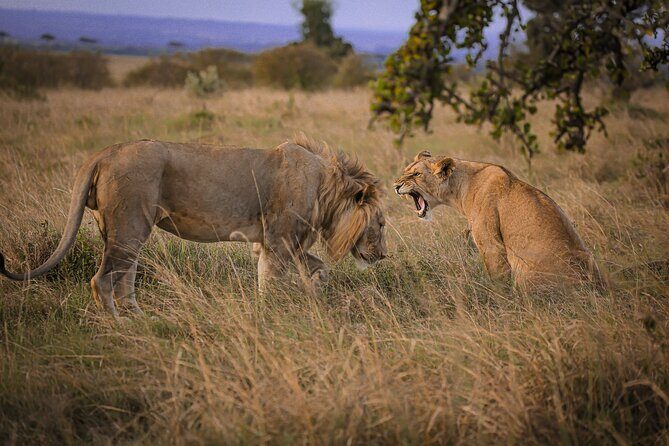
This safari is designed for people who want the big-name parks without turning the trip into a long, travel-heavy slog. In three days, you move through savannah-style action (Tarangire), one of Africa’s most dramatic geology-and-wildlife stages (Ngorongoro), and then finish with Lake Manyara’s distinctive ecology.
What I like is that the itinerary is simple and readable. You’re not bouncing every hour. Instead, you’re given full day blocks for each area and then returned to camp for the night—so the days feel connected rather than chopped up.
Because it’s labeled a private budget camping safari, the “budget” piece really matters for expectations. You’ll still be doing safaris in national-park settings, but you should plan for campground-style accommodations rather than luxury comforts.
You can also read our reviews of more private tours in Arusha
Arusha pickup, camp setup, and what “private” changes in real life
The trip starts in Arusha, and you’re told that airport pick up and drop off are part of the package. You’ll also have a guide, cook, and porters included—this is not a do-it-yourself setup. In practice, that matters for two reasons:
First, your time stays focused on wildlife and driving rather than logistics. You’re not trying to figure out meal stops or how to manage park-day timing. Second, camp nights become part of the experience instead of a chore.
Also, the tour notes that it’s private, meaning only your group participates. That can be a big deal on safari. If your group wants more time looking at animals—or you want to photograph in a certain way—you’re not stuck in the “everyone, now!” rhythm that sometimes happens in larger shared groups.
If you’re the type who likes structure, this kind of private arrangement tends to feel reassuring. If you’re the type who hates schedules, you’ll still find the pace fairly flexible, but the overall route is set by the park flow.
Day 1: Tarangire National Park—elephants, zebras, and camping under the night sky
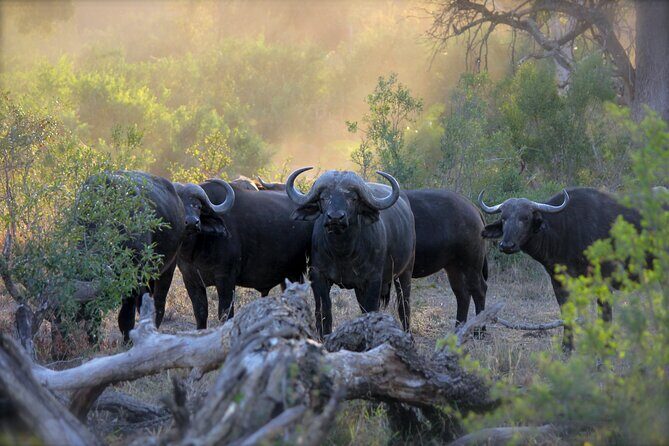
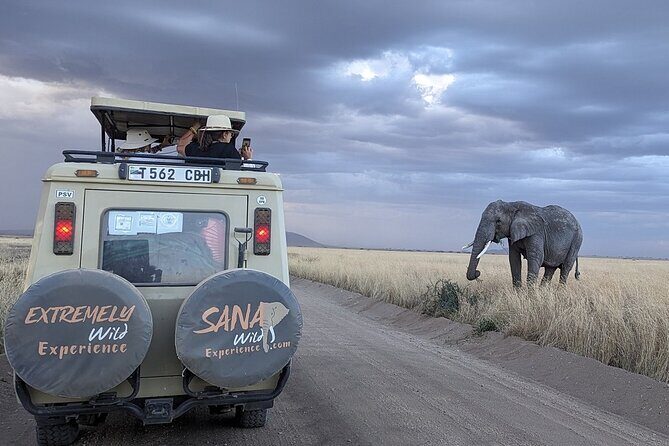
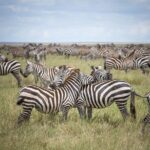
Tarangire National Park is a great first day because it tends to deliver that classic “Tanzania feeling” right away. The itinerary has you driving from the Arusha side after pickup and arriving to start your park time. Expect wildlife sightings like elephants and zebras, plus giraffes and different antelope species.
What makes Tarangire work as a first stop is how approachable it is as an opening act. You’re not immediately dealing with a crater descent or shifting eco-zone complexity. You’re on wide savannah-style terrain where animals can feel spread out, which often helps for early sightings and getting your camera settings right.
Then comes the part that makes this safari special: camping. You’ll set up at a tranquil budget campsite associated with your park day. Dinner is prepared for you by the camp team, and you’ll get that starlit, quiet-outdoors feeling that you just don’t get when you’re staying in a lodge. Listening to the African wilderness in the evening is exactly the kind of “small” moment that sticks with you longer than the number of animals you saw.
Possible consideration: you’ll be outdoors at night. Even without extreme weather details provided, you should think about basic comfort—sleeping layers, a flashlight, and whatever you personally need for night-time routine.
Day 2: Ngorongoro Conservation Area—UNESCO crater descent and tight wildlife viewing
Day two is the headline, and it’s built around Ngorongoro Conservation Area and the Ngorongoro Crater. The itinerary specifically calls out that it’s a UNESCO World Heritage Site, and the tone of the day is about that dramatic crater setting plus strong wildlife chances.
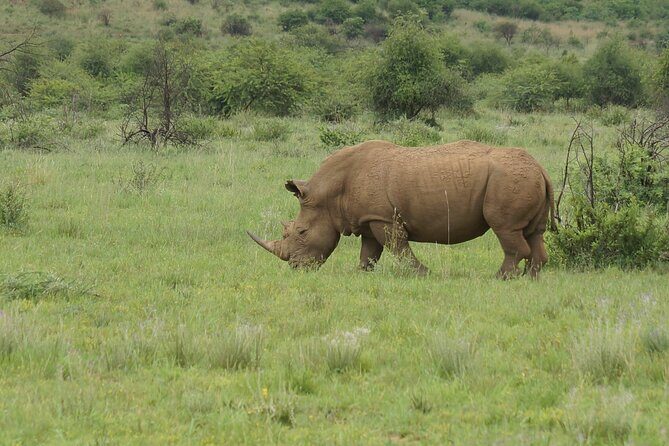
You’ll descend into the crater for game viewing. The day includes a packed lunch in the crater area, then more time for game drives, with the goal of seeing animals like lions, elephants, and rhinos (plus others depending on what’s active that day). Whether you care most about big cats, thick-horned wildlife, or just animal variety, the crater is one of those places where a single drive can feel like multiple scenes in a movie.
Here’s what I think the crater day does well for a short safari: it concentrates the experience. Instead of covering dozens of miles across different environments all day, you get repeated wildlife scanning and repeated chances to re-find the animals you spotted earlier—because the crater setting keeps the action closer.
The trade-off is time and comfort. A crater day can mean long hours on the move, and you’ll likely feel the day more physically than a lighter itinerary. If you’re sensitive to fatigue or prefer quick, low-stress days, plan for a slower evening back at camp.
After the crater day, you return to a budget campsite for rest, unwind time, and that reflective end-of-day feeling that camping makes easier to notice.
Day 3: Lake Manyara National Park and the return to Arusha
The final day brings you to Lake Manyara National Park, followed by the drive back to Arusha. You start with breakfast at the campsite, then you’ll head out for scenic driving and wildlife viewing in the park area.
Lake Manyara’s appeal in this kind of itinerary is variety at the end of a trip. By day three, you’ve already built your safari rhythm, so your brain is less stressed about what to look for and more focused on spotting animals again. Even when sightings are not guaranteed for any single species, the overall experience tends to feel complete because you’ve now seen three different “styles” of Tanzania wildlife.
Then you end with drop-off back in Arusha, either at your desired location (hotel) or at the airport.
One more practical note: since this is a 3-day trip with camping nights, your last day is often where you feel the “wrap-up” energy. I’d keep your departure timing in mind. If you’re flying out the same day, leave buffer time so you’re not rushing in the final hours.
A few more Arusha tours and experiences worth a look
Price and value: what $1,467 includes (and what you’ll still need)
At $1,467 per person, this sits in the “budget private safari” category. The best way to judge value is to look at what’s covered, then compare it to what usually costs extra on safari.
Included items that genuinely improve value:
- Gate transfer + airport pick up and drop off
- Guide, cook, and porters
- All fees and taxes
- Hotel accommodation before and after safari (noted as bookable directly by you or by the provider)
- Meals: lunch (3), dinner (2), breakfast (2)
That combination matters. Many safari budgets get squeezed because people forget how quickly costs add up for park fees, transfers, and staffing. Here, those pieces are already built in.
What’s not included:
- Domestic and international flights
- Visas
- Personal mountain trekking gear
That last bullet is interesting. The itinerary doesn’t spell out any mountain trek, but it does clearly label mountain trekking gear as not included. So plan your packing based on the camping safari needs first, and only worry about trekking gear if your guide’s plan includes it on your dates (not stated here).
Extra costs you should expect outside the package:
- Your flights and visa
- Any personal shopping and tips you choose to give
- Items not listed in the included meal plan (for example, drinks/snacks beyond what’s included, if you want extras)
If you’re coming from outside Tanzania, the biggest value question is whether the package’s transfer and before/after hotel arrangement reduces hassle. If you hate uncertainty, having those parts handled can make the price feel more fair than you might think at first glance.
Who this safari is best for (and who should be cautious)
This is a strong fit if you want:
- A private experience without the cost jump of high-end lodge safaris
- Multiple iconic parks—Tarangire, Ngorongoro, and Lake Manyara—without needing a week
- A more “on-the-ground” feel thanks to budget camping nights
- Meals handled for you by the team, with breakfast/lunch/dinner included on the specified days
It may be less ideal if:
- You expect hotel-level comfort every night
- You don’t like basic outdoor routines after long driving days
- You have strict mobility limits, because safari days often mean time in vehicles and outdoors (no specific accessibility details are provided)
The tour also notes that service animals are allowed and that most travelers can participate, which is helpful. But “most” still means you should think honestly about your own comfort with long days and camping-style sleeping.
Practical tips that make the camping safari smoother
A camping safari rewards preparation. The itinerary includes evenings around camp dinner and nighttime stargazing vibes, so pack for comfort after dark, not just for midday animal viewing.
Here are the kinds of practical items that usually matter most on a trip like this:
- A light layer and warmer clothing for evenings (even if days are hot)
- Sunscreen and a hat for daytime drives
- Comfortable walking shoes for the moments you’ll step out and stretch
- A small headlamp/flashlight for your campsite routine
- Refillable water and any personal snacks you prefer (meals are included, but you might still want personal options)
Also, make your photography plan simple. You’ll be doing game drives and crater viewing, so keep your camera gear easy to access. If you fumble for batteries every stop, you’ll lose time when animals are close.
Finally, follow your guide’s pace and instructions. The experience is built around a guide-led route and camp setup, so the best results often come when you trust the system and keep moving with it.
Should you book this private budget camping safari?
I’d book it if you want an efficient, iconic Tanzania route with private attention and real camping atmosphere, all while keeping park fees and core meals handled. The value is strongest if you’ll appreciate the included staffing (guide, cook, porters) and the “we handle the parts that usually annoy you” feeling.
I’d think twice if your idea of safari comfort is strictly lodge-style nights, or if you need a very low-energy trip. Camping changes the vibe, and crater day can feel like the longest one.
One more deciding point: this experience requires good weather. If the forecast looks shaky close to your dates, you might still be offered a different date or a full refund, but weather-driven changes can disrupt your schedule.
If you’re flexible and you genuinely want that camp-after-sunset Tanzania feeling, this is the kind of safari that can turn into a core memory fast.
FAQ
How long is the 3-Days 2-nights Tanzania Private Budget Camping Safari?
It runs for 3 days and 2 nights.
Where does the safari start and end?
It starts in Arusha, Tanzania, and ends back at the meeting point in Arusha.
Which national parks and areas are included?
You’ll visit Tarangire National Park, Ngorongoro Conservation Area (Ngorongoro Crater), and Lake Manyara National Park.
Are meals included in the price?
Yes. Lunch (3), dinner (2), and breakfast (2) are included.
What’s included with transfers and fees?
The tour includes gate transfer plus airport pick up and drop off, and it lists all fees and taxes as included.
Is this a private tour?
Yes. It’s private, and only your group participates.
What’s not included in the package price?
Domestic and international flights, visas, and personal mountain trekking gear are not included.
What should I know about confirmation and weather?
Confirmation is received at the time of booking. The experience requires good weather; if it’s canceled due to poor weather, you’ll be offered a different date or a full refund.