REVIEW · MOSHI
6 days climbing mountain Kilimanjaro, Machame route
Book on Viator →Operated by Debby Adventure · Bookable on Viator
Six days, one serious mountain. The Kilimanjaro Machame (Whiskey) route is a grind with a payoff: you get rewarding Shira Plateau lookouts as you push higher. One possible drawback is that the days are tough and altitude sits close at hand, so this isn’t a match if you have chest issues or your fitness is more casual than solid.
What makes this route especially interesting is the mix of scenery and the way the climb steps you through them: you begin at Machame Gate in the rainforest, then you’ll move toward higher, rockier zones where you’ll pass sections under the Heim and Kersten glaciers. With Debby Adventure, you’re not joining a huge crowd either; the group can be up to 12 people, and the guide team—people like Jennifer, Wilfred, Ben, and experienced leaders such as Anton—comes through as organized and safety-minded.
In This Review
- Key highlights on this Machame climb
- Why the Machame (Whiskey) Route Is the Hard, Worth-It Version
- Moshi to Machame Gate: Pickup Options and an 8:00 am Start
- Rainforest Kickoff at Machame Gate: Where Your Body Warms Up
- Shira Plateau Views Toward Mount Meru and Arusha Town
- The Southern Circuit Midway Around Kibo: Rotating Views, Tougher Feel
- Barranco Walls and the Rock Passes Under Heim and Kersten Glaciers
- Summit Approach From the East, Then Mweka Descent Back to Moshi
- Price and Value: What $3,089.75 Per Person Covers
- Guides, Group Size, and Why People Felt Safe
- Who This Machame Climb Fits (and Who Should Skip It)
- Should You Book This 6-Day Machame (Whiskey) Climb?
- FAQ
- FAQ
- Where does the Machame climb begin?
- How long is the Machame route in this experience?
- Is pickup included?
- What is included in the price?
- What is not included?
- What start time should I plan for?
- What fitness level do I need?
- Is this climb recommended for people with chest problems?
- What happens if weather is bad?
Key highlights on this Machame climb
- Machame earns its Whiskey route nickname with a tough-but-rewarding profile across 6 days
- Shira Plateau viewpoints include a distant look toward Mount Meru above Arusha town
- Southern circuit mid-route brings changing angles around Kibo, not just one long single view
- Passages near Barranco walls keep the climb feeling real, not routine
- Rock sections under Heim and Kersten glaciers add cold, dramatic altitude atmosphere
- Small group size (max 12) helps you manage slower hikers and keep the rhythm
Why the Machame (Whiskey) Route Is the Hard, Worth-It Version
Machame is often called the Whiskey route for a reason: it has a reputation for pushing you harder than many people expect when they only picture a single dramatic “up and down” trek. If you like challenges that feel earned, this route fits that mindset. You’ll be working on your stamina and breathing for days, and when the mountain finally starts giving you views back, it feels like you’ve made a deal with the climb.
At the same time, it’s not just tough for the sake of being tough. The Machame profile is designed to give you a climbing rhythm that builds you up gradually. The route can be done in as few as six days and five nights, which is perfect if your time is tight. The common caution is that many climbs are scheduled for seven days and six nights to improve altitude acclimatization. If you’re the type who wants extra breathing room—either physically or mentally—ask yourself honestly whether you’d feel better with that extra buffer.
A few more Moshi tours and experiences worth a look
Moshi to Machame Gate: Pickup Options and an 8:00 am Start
This experience is based in Moshi, Tanzania, and the start time is 8:00 am. That morning start matters. Kilimanjaro days can get busy fast, and getting moving early helps you settle into the day without rushing. If pickup is offered for your booking, it’s a simple advantage: fewer coordination headaches, less time juggling local transport.
Moshi is also convenient for logistics. The experience is listed as near public transportation, so if you arrive on your own, you won’t feel stuck waiting around for hours. You’ll want that freedom because Kilimanjaro success is partly about staying calm and getting your routine right before altitude starts taking control.
Rainforest Kickoff at Machame Gate: Where Your Body Warms Up
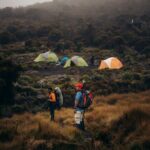
The climb begins at Machame Gate, set at the southern base of the mountain inside a lush rain-forest. This part is more than a scenic opener. Rainforest terrain tends to mean warmer conditions, more humidity, and a steady walking tempo. It’s a chance to find your footing early, test your pacing, and get your water routine settled.
This is also where you learn something important about your gear. If your boots aren’t broken in, this is when it will tell you. If you’re under-hydrating, you’ll feel it sooner. And if you’re trying to “push” too early, the mountain will notice. I like rain-forest starts because they let you build confidence before the air thins and everything turns into a slower, more deliberate effort.
Shira Plateau Views Toward Mount Meru and Arusha Town
One of the best moments on Machame is the way the route heads toward the Shira plateau and then rewards your effort with views. You’re not just walking through scenery—you’re getting a preview of the mountain’s scale and a reminder that you’re climbing something far bigger than a local hike.
A standout detail here is the possibility of seeing Mount Meru rising above Arusha town in the distance. That kind of sight does two things at once. It helps you orient yourself, and it also gives you motivation when the walking gets rhythm-heavy. When views show up like that, it’s easier to stay patient rather than chase speed.
Just keep your expectations practical. High points can bring wind and cooler air. Even when conditions look clear earlier in the day, temperatures can shift. Bring layers that you can adjust without turning the morning into a complicated outfit show.
The Southern Circuit Midway Around Kibo: Rotating Views, Tougher Feel
After Shira, the route circles along the southern circuit halfway around the mountain. This is where Machame starts to feel like a real expedition. Instead of one forward-facing climb, you’re gradually exposed to different angles of Kibo, which keeps the trek visually interesting even when you’re tired.
This stage matters for acclimatization too, even if you don’t think about it that way while you’re hiking. You’ll move steadily while the altitude influence builds. Your goal is not to win a race against other hikers. Your goal is to protect your breathing and keep your body working efficiently.
Also, don’t treat this part like a casual “scenic stroll.” The route’s reputation as the tougher Whiskey route comes from these middle days. Your muscles will start asking questions. If you’re prone to knee strain on descents and uneven rock, this is a place to pay attention to your stride and how you place your feet.
Barranco Walls and the Rock Passes Under Heim and Kersten Glaciers
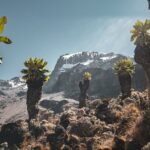
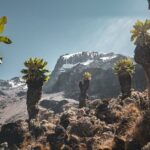
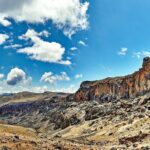
Machame isn’t all smooth trails. At the Barranco area, the route brings you past walls that divide you from the southeastern slope of Kibo. This is where the climb shifts from simple walking to more technical terrain and a more intense focus on balance.
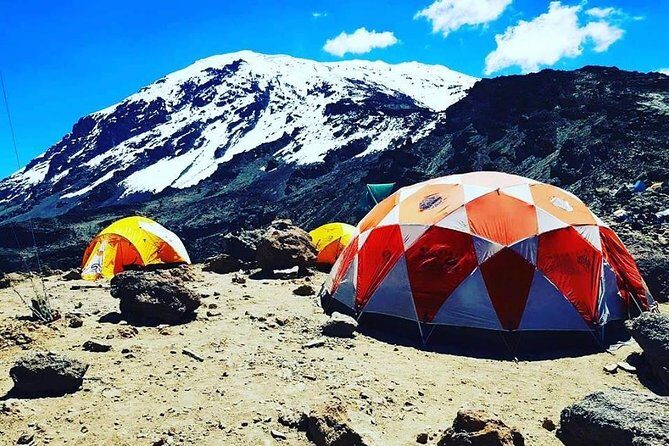
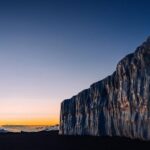
Then comes one of the most memorable details: you’ll be climbing over rock sections passing underneath the Heim and Kersten glaciers. Even if you’ve seen glacier imagery online, being near that zone changes the mood. It tends to feel colder, sharper, and more dramatic. The air can feel thinner, too, which makes every careful step feel important.
Practical advice: treat this stretch as a “movement” problem, not a “speed” problem. Keep your breathing steady, move one step at a time, and let your team’s pace guide you. If your pack straps shift or your footing gets sloppy because you’re tired, stop and reset. A quick reset can be the difference between an enjoyable climb and a rough hour.
Summit Approach From the East, Then Mweka Descent Back to Moshi
Your summit approach is made from the east, and your descent follows the Mweka trail back to Moshi. That matters because climbing and descending are different games. Even when you’re mentally focused on the top, your legs still need to be protected for the way down.
The east-side approach often means longer days where you’re steadily working into higher altitude conditions. You’ll likely feel the pace slow naturally. This isn’t weakness; it’s your body adapting to thinner air. I like climbs where the mountain forces discipline. It makes success feel earned and not guessed.
When you switch to the Mweka descent, you’re moving back toward warmth and lower altitude. That can sound easy, but it isn’t. Descents can hammer your knees and shins. Keep your steps short, stay aware on uneven ground, and use the time to recover rather than sprint. The best descent energy is calm energy.
Once you’re back in Moshi, you’ll feel the full contrast of Kilimanjaro: rainforest beginnings, hard rock segments, icy-adjacent zones, and then the return to town life. It’s the kind of finish that makes you exhale like you’ve completed something bigger than a trip.
Price and Value: What $3,089.75 Per Person Covers
At $3,089.75 per person, this isn’t a budget trek. But it isn’t only about the mountain view postcard either. You’re paying for a structured, professionally run climb that includes all fees and taxes and comes with a pickup offer (where applicable) and a mobile ticket.
That “all fees and taxes” piece is a real value point. On trips like this, people often get surprised by add-ons. Here, the headline pricing is meant to cover the official costs you’d otherwise have to hunt down. You’re also joining a setup with a maximum of 12 people, which typically means you’re not stuck waiting in a big crowd while your rhythm gets disrupted.
What’s not included is equally important: beverages at the hotel and tips. That means you should budget for drinks on the hotel side and set aside some cash for gratuities. (And if tipping makes you uncomfortable, clarify expectations with the operator before you go.)
If you’re weighing value, think about what you’re really buying: time, team support, permits/official costs coverage, and the chance to attempt a challenging route safely and with structure. For the Machame Whiskey route, that structure is part of the price.
Guides, Group Size, and Why People Felt Safe
Kilimanjaro success has a lot to do with pacing and preparation. It also has a lot to do with how you feel during the climb. In the best setups, you don’t feel alone in the hard moments. In this case, the guide team includes experienced names like Anton and Wilfred, with additional support from people such as Jennifer and Ben.
You’ll also benefit from the small size limit of up to 12 people. On a mountain trek, small group size isn’t just comfort—it’s logistics. Fewer people means less chaos when weather shifts, when someone needs an adjustment, or when the team needs to regroup.
Is this a guarantee of smooth skies and easy steps? No. Weather and your body’s response still control the pace. But the guide team’s role is to keep you moving safely, communicate clearly, and help you handle the emotional ups and downs that come with altitude.
Who This Machame Climb Fits (and Who Should Skip It)
This climb is described as requiring moderate physical fitness. That’s a good sign if you’re an active person but not an elite endurance athlete. Still, Machame is considered tough. So moderate fitness should mean you can hike for long stretches, manage steady climbs, and recover well.
It also isn’t recommended for travelers with chest problems. That one is non-negotiable. Altitude can trigger breathing difficulties even if you feel fine at sea level. If you have any heart or lung concerns, talk to your doctor before you buy anything.
One more practical factor: the experience depends on good weather. If conditions are poor, you’ll be offered a different date or a full refund. That’s important because Kilimanjaro isn’t just about desire—it’s about timing and conditions.
If you’re the type who wants a daring adventure and a sense of pride that comes from finishing something hard, Machame delivers that kind of story. It also gives you a real nature education as you move from rainforest into higher, harsher zones. You learn the mountain by living on it for days, not just looking at it.
Should You Book This 6-Day Machame (Whiskey) Climb?
I’d book this route if you want a challenging Kilimanjaro attempt on the Machame (Whiskey) route and you understand that it’s not meant to be easy. The best fit is someone who’s comfortable with hard hiking, willing to move at a pace that protects altitude acclimatization, and excited by the idea of multiple “look back” viewpoints like Shira and the distant Meru view.
Skip it or think hard before booking if you have chest problems, your fitness is low, or you know you struggle under pressure when conditions are tough. The Machame route asks a lot, and the reward depends on your ability to keep steady rather than dramatic.
If you book with Debby Adventure, the small group size and the experienced guide team (including names like Anton and Wilfred) are strong reasons to feel confident in how the climb is managed.
FAQ
FAQ
Where does the Machame climb begin?
The climb begins at Machame Gate in the southern base of Kilimanjaro, within a rainforest area.
How long is the Machame route in this experience?
The climb is listed as 6 days (about 5 nights on the mountain). It’s also noted that the route can be done in a minimum of six days.
Is pickup included?
Pickup is offered as part of the experience, and Moshi is the base location for the climb.
What is included in the price?
The price includes all fees and taxes.
What is not included?
Beverages at the hotel and tips are not included.
What start time should I plan for?
The start time is 8:00 am.
What fitness level do I need?
The experience states that travelers should have a moderate physical fitness level.
Is this climb recommended for people with chest problems?
It is not recommended for travelers with chest problems.
What happens if weather is bad?
This experience requires good weather. If it’s canceled due to poor weather, you’ll be offered a different date or a full refund.