REVIEW · ARUSHA
6 Days Tanzania Wildlife Safari Tour
Book on Viator →Operated by Martial Adventure Safaris · Bookable on Viator
Wildlife days start at dawn in Tanzania. This 6-day circuit from Arusha pulls you through Tarangire, Lake Manyara, Serengeti, and Ngorongoro with private transportation and a professional English-speaking guide, plus a plan that can be adjusted for seasons and animal movement.
I also like how your days are built around included meals (lunches and dinners) and water, so you’re not constantly thinking about logistics. One thing to consider: this is a long-distance route with 2–4 hours of non-game driving time each day, and the trip is set up for camping, which may feel tougher if you want hotel comfort.
In This Review
- Key things to know before you go
- A 6-Day Circuit Through Tanzania’s Best Wildlife Zones
- Price and Logistics: What $2,500 Covers (and What It Doesn’t)
- Starting at 7:30 am: Private Transport Meets Camping Nights
- Day 1 in Tarangire National Park (130 km): Elephants and Baobabs First
- Day 2 Lake Manyara National Park (50 km): Forest Edges and Water-Linked Wildlife
- Days 3 and 4 Serengeti National Park (145 km): When More Time Actually Helps
- Day 5 Serengeti to Ngorongoro Crater (145 km): A Different Kind of Viewing
- Day 6 Ngorongoro Crater to Arusha (210 km): Close the Loop With an Airport Exit
- The Real Advantage: Guide Support You Can Trust (Including Godson)
- Meals, Water, and What “Camping Safari” Means in Real Life
- Day-by-Day Distances: Why Driving Time Matters More Than You Think
- Who This Safari Tour Suits Best (and Who Might Want Another Option)
- Should You Book This 6 Days Tanzania Wildlife Safari Tour?
- FAQ
- What parks are included in this 6-day Tanzania safari?
- What time does the tour start?
- Is this a private tour?
- What meals and water are included?
- What is not included in the tour price?
- Can I cancel for a full refund?
Key things to know before you go
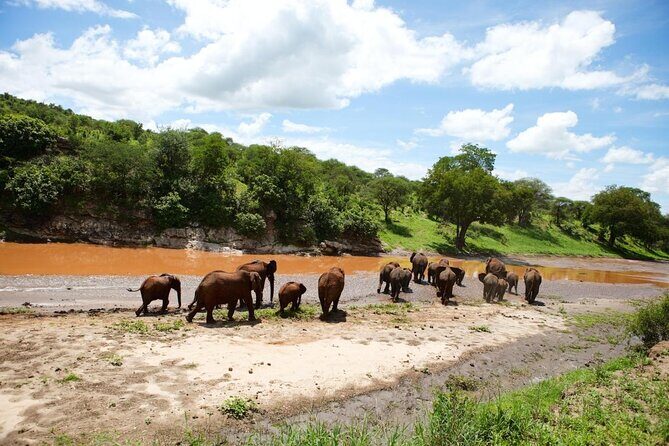
- Four park bases, one connected route: Tarangire → Lake Manyara → Serengeti (two days) → Ngorongoro Crater.
- Private, small-group feel: only your group participates, commonly for 2 people, with options to customize.
- Guide-led spotting matters: the experience places a big emphasis on finding animals well, not just driving past them.
- Camping + full meals: your itinerary includes lunch, dinner, and bed and breakfast, with bottled/mineral water.
- Long drives are part of the deal: expect daily non-game time, even on safari days.
- Clear inclusions reduce guesswork: park activities, fees, taxes, and a professional guide are included.
A 6-Day Circuit Through Tanzania’s Best Wildlife Zones
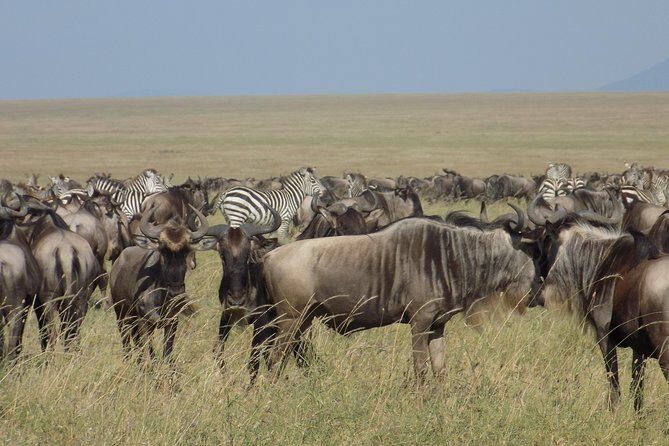
This safari is designed like a connected wildlife route, not a scattershot checklist. You’re moving between some of Tanzania’s most famous ecosystems: Tarangire for big elephants and baobab country, Lake Manyara for its mix of forest and lakeside habitat, Serengeti for the open-game-drive style of wildlife viewing, and Ngorongoro Crater for a more enclosed, high-density-feeling day.
What makes this itinerary practical is the way it balances time in the parks with realistic travel days. You’re not trying to cram every destination into one or two brief stops. Instead, you get multiple days where wildlife viewing is the focus, especially with two days in Serengeti.
A few more Arusha tours and experiences worth a look
Price and Logistics: What $2,500 Covers (and What It Doesn’t)
At $2,500 per person, the value isn’t just the parks. It’s the “how” behind the parks.
Included in your price:
- Private transportation for the itinerary
- A professional English-speaking guide
- Meals as listed (lunch, dinner, and bed and breakfast)
- Bottled water/mineral water
- All mentioned activities
- All fees and taxes
That matters because safari costs add up fast once you include things like guide time, vehicle transport, and park/entry fees. When those are already handled, you can budget more confidently for the essentials you control: tips, souvenirs, and any personal extras.
Not included (so you’ll want to plan for it):
- Flights
- Optional activities
- Alcoholic beverages and soft drinks
- Visa fees
- Travel insurance
- Tips
- Personal spending money
Tip for planning: if you’re comparing tour prices, make sure you’re comparing like-for-like on guide type, vehicle type, and whether park fees are truly covered. Here, the structure is set up so you’re paying for a full itinerary package rather than piecing it together day by day.
Starting at 7:30 am: Private Transport Meets Camping Nights
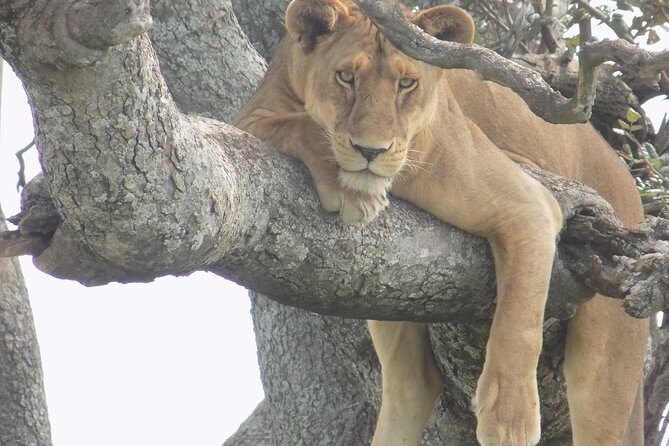
Your day starts at 7:30 am, which is a smart timing choice in safari country. Mornings tend to be when animals are active and when the roads feel easiest. You’ll also have pickup offered, so you’re not left hunting for a meeting point after you’ve already traveled.
This is a private tour/activity, meaning only your group travels. The standard setup is 2 pax per safari, but it can be customized. That private structure is one of the biggest “quality of life” upgrades on safari: you spend less time waiting on other schedules and more time working your day around wildlife spotting.
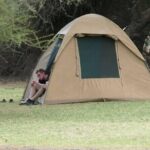
Accommodation is camping, and meals are included as part of the itinerary. Camping can be a great way to feel more connected to the rhythm of the safari, but it’s also the one element that can make this trip feel more physical than a hotel-based safari. If you like simple comfort and are okay with the outdoors, you’ll likely find it part of the charm.
Day 1 in Tarangire National Park (130 km): Elephants and Baobabs First
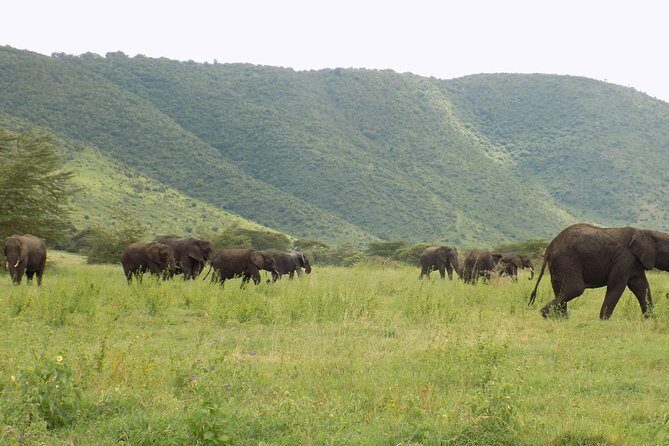
Day 1 is a direct run to Tarangire National Park, about 130 km away from your starting point in Arusha.
You’ll have around 3–4 hours of non-game time, which mostly translates to the travel portion and setup time for your first serious wildlife outing. Once you’re in Tarangire, the payoff is the kind of safari viewing that tends to feel classic: open visibility, big-animal energy, and the iconic baobab setting you associate with this region.
Why Tarangire is such a good opener:
- It’s often a strong first-day park for spotting larger mammals.
- It helps you get used to safari rhythm early—how drives work, how guides communicate, and what game viewing feels like in Tanzania.
Possible drawback: because it’s day one, you may feel the travel and adjustment more than on later days. If you can, start your trip rested.
Day 2 Lake Manyara National Park (50 km): Forest Edges and Water-Linked Wildlife
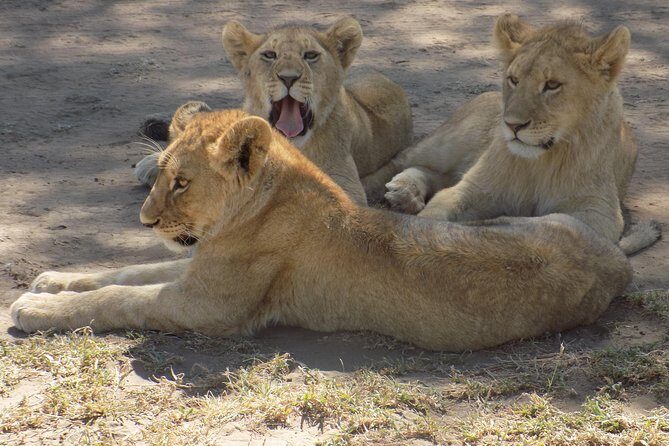
On Day 2 you head to Lake Manyara National Park, about 50 km away. The route is shorter, and you’ll have around 2–3 hours of non-game time before settling into game viewing.
Lake Manyara is worth a stop because it sits at the crossroads of different habitats. That means your day can feel varied: you’re watching for animals that prefer wooded areas and animals that use the lake-linked environment.
What I like about including Manyara on a 6-day safari:
- It breaks up the open-safari feel you’ll get later in Serengeti.
- It keeps the trip from feeling repetitive by habitat type.
Consideration: Manyara days can be weather-sensitive, and visibility can shift with conditions. The good news is that your guide is part of the planning, so you can lean on their read of where to look rather than guessing.
A few more Arusha tours and experiences worth a look

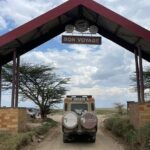

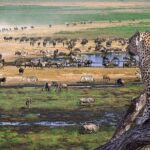
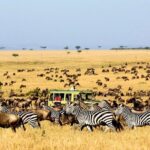
Days 3 and 4 Serengeti National Park (145 km): When More Time Actually Helps
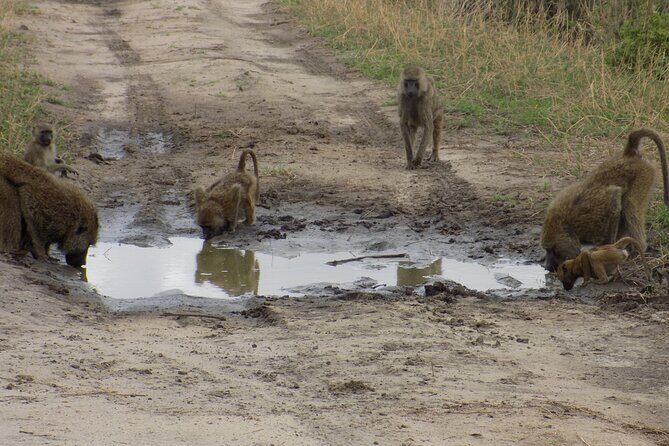
Days 3 and 4 are both in Serengeti National Park, with about 145 km between the previous stop and the move into Serengeti. Each day includes roughly 3–4 hours of non-game time.
This is one of the itinerary choices that really pays off. Two full days in Serengeti gives you more than “one decent run.” It gives your guide time to work around animal movement, light changes, and the way sightings can build over multiple drives.
What you should expect from a Serengeti section like this:
- A steady rhythm of game viewing drives rather than one short safari burst.
- More chances to connect different animal sightings across time of day.
- A better shot at seeing predator-prey interactions, since those tend to appear when conditions line up.
Possible drawback: Serengeti days can feel long, and when you’re in a vehicle for a big chunk of the day, your body will notice. If you’re the type who gets stiff easily, pack your patience and bring your best “safari posture.”
Day 5 Serengeti to Ngorongoro Crater (145 km): A Different Kind of Viewing
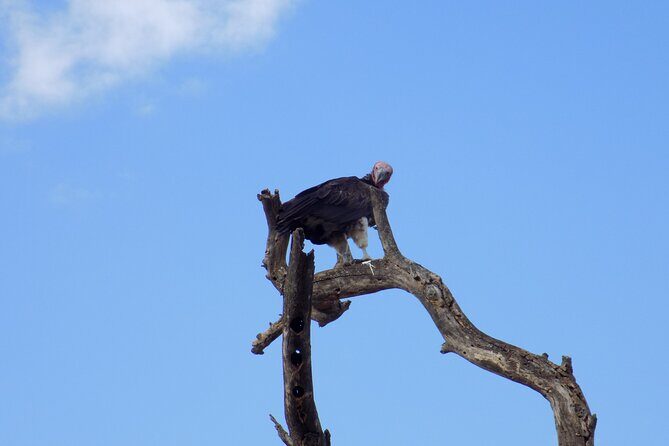
Day 5 changes gears. You’ll travel about 145 km and spend part of the day in Serengeti National Park – Ngorongoro Crater, with about 2–4 hours of non-game time.
Ngorongoro Crater can feel like a “different viewing style” compared to broad Serengeti plains. The experience is often about concentration—animals can be easier to spot when the setting funnels viewing into a more contained area. It’s also a dramatic day because you’re moving from one park context into another, and the change of scenery can reset your eyes.
Why day 5 works in this itinerary:
- You’re not ending Serengeti too abruptly; you still get a strong final wildlife day before the finish.
- It prevents your last days from being only travel and logistics. This is a safari-focused landing.
One thing to keep in mind: because this is a move-and-view day, pacing matters. If you’re hoping for constant sightings without any “travel gaps,” you may find you need to mentally accept that safari is a mix of movement and waiting.
Day 6 Ngorongoro Crater to Arusha (210 km): Close the Loop With an Airport Exit
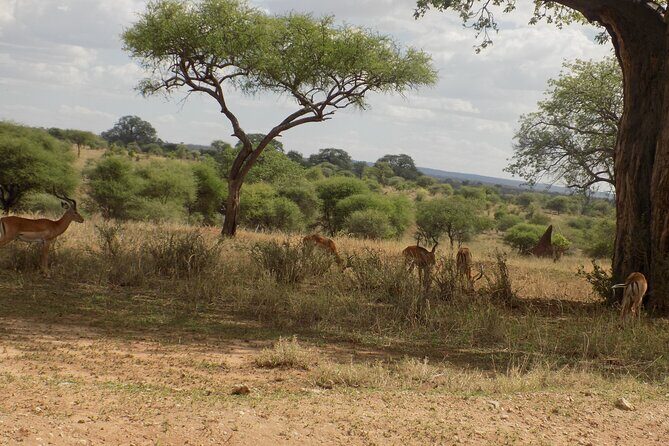
Day 6 is a long one on the road: about 210 km from Ngorongoro Crater – Arusha – Airport, with about 3–4 hours of non-game time.
This is the practical finishing day. The crater day can be the emotional peak of the trip, but your last day is where you need to stay organized. You’ll transition from wildlife viewing to heading toward the airport, and your schedule will reflect that.
About Arusha accommodation:
- Accommodation in Arusha can be included upon request at an extra cost.
So if your flight timing doesn’t line up with an airport drop, you’ll want to plan that extra night in advance.
The Real Advantage: Guide Support You Can Trust (Including Godson)
In safari travel, your guide isn’t just there to point. They’re there to make your day run smoothly and to help you find animals where they’re most likely to be.
This tour is built around a professional English-speaking guide, and the story behind the name Godson shows up in descriptions of the experience: people highlight expertise, kindness, and the feeling of being cared for through logistics and even health during the trip. That matters because safari isn’t only about spotting wildlife—it’s also about not getting flustered by timing, vehicle positioning, and basic comfort across long driving days.
If you’re anxious about traveling solo, the private-group setup plus attentive guiding is a big part of why this style of safari can feel reassuring. You’re not juggling multiple strangers or interpreting instructions in a language barrier. You’re with one team that’s focused on your group’s day.
Meals, Water, and What “Camping Safari” Means in Real Life
This itinerary includes meals according to the plan: lunch, dinner, and bed and breakfast each day in the camping-based route. Bottled water and mineral water are included, which is a comfort and health factor you’ll really appreciate on dusty, sun-heavy days.
What I like about this setup is that it removes decisions. You’re not constantly checking restaurant hours in small towns, and you’re not doing guesswork for food quality while you’re in transit.
Camping nights can be fantastic, but they’re also where expectations should match reality. You’re trading hotel comfort for direct access to the safari experience. If you pack your routine around that—water, layers, basic sleep needs—you’ll likely enjoy the nights as part of the adventure rather than an inconvenience.
Day-by-Day Distances: Why Driving Time Matters More Than You Think
The itinerary includes specific travel distances and “non-game viewing time” blocks:
- Tarangire: 130 km, 3–4 hrs non-game
- Lake Manyara: 50 km, 2–3 hrs non-game
- Serengeti: 145 km, 3–4 hrs non-game on each of the two days
- Serengeti to Ngorongoro: 145 km, 2–4 hrs non-game
- Ngorongoro to Arusha/Airport: 210 km, 3–4 hrs non-game
That’s important for two reasons. First, it helps you set expectations: the safari day doesn’t start and stop with wildlife. Second, it helps you manage your energy. If you know you get cranky after long sitting time, you can prepare mentally (and practically) before Day 3 and Day 5, when movement between zones continues.
Who This Safari Tour Suits Best (and Who Might Want Another Option)
This 6-day Tanzania wildlife safari is a strong match if you want:
- A serious wildlife route that includes Tarangire, Lake Manyara, Serengeti, and Ngorongoro Crater
- A private tour so your schedule feels controlled
- A guide-led experience where spotting is a priority
- A camping safari with included meals and water
You might want to reconsider if:
- You strongly prefer hotels over camping
- You dislike long driving days and being out of “easy comfort” for most of the trip
- You’re building your trip around minimal transit time rather than wildlife time
It’s also helpful that most travelers can participate, and that the tour can be customized (since the default is 2 pax per safari). If your group has specific preferences, it’s worth discussing them before you lock dates.
Should You Book This 6 Days Tanzania Wildlife Safari Tour?
If your goal is a connected wildlife safari through Tanzania’s major parks, this itinerary makes a lot of sense. The value comes from the package structure: private transportation, a professional English-speaking guide, meals, water, and all fees and taxes are included, so you’re not scrambling to add essentials later.
Book it if camping fits your style and you’re okay with the daily non-game driving time. The guide support—especially with a careful, kind leadership approach linked with Godson—can make a big difference in how smooth and comfortable your trip feels, including for first-time safari travelers or solo visitors.
Skip or adjust it if you want a lower-driving, more hotel-based experience. In that case, you’ll likely feel every transit hour.
FAQ
What parks are included in this 6-day Tanzania safari?
The safari itinerary includes Tarangire National Park, Lake Manyara National Park, Serengeti National Park, and Ngorongoro Crater, starting in Arusha and ending with an Arusha airport transfer.
What time does the tour start?
The tour starts at 7:30 am.
Is this a private tour?
Yes. It’s a private tour/activity, and only your group participates. The tour is commonly set for 2 pax per safari, and it can be customized.
What meals and water are included?
Meals are included according to the itinerary (lunch, dinner, and bed and breakfast). Bottled water and mineral water are also included.
What is not included in the tour price?
Not included are flights, optional activities, alcoholic beverages and soft drinks, visa fees, personal spending money, travel insurance, and tips.
Can I cancel for a full refund?
Yes. Free cancellation is available, and you can cancel up to 24 hours in advance of the experience’s start time for a full refund.