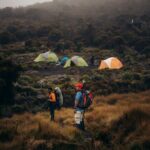
REVIEW · MOSHI
6-Day Ndutu Migration Calving Season Safari
Book on Viator →Operated by Chalema Tanzania Safaris · Bookable on Viator
Birth season makes the safari feel alive. This 6-day Northern Circuit route is timed for Ndutu calving season (December to March), so the Great Migration story is happening in front of you, not just in a wildlife documentary. I especially like the open-roof 4×4 game drives with no set mileage limit, which makes it easier to keep your eyes on the action without rushing. The trip is paced around real wildlife moments: elephants in Tarangire, newborn wildebeest in the southern Serengeti plains, then a classic Ngorongoro crater day.
One thing to think about: this itinerary is most rewarding during the December–March window, and the days are packed with long drives—so you’ll want to be comfortable spending a lot of time in transit.
In This Review
- Key Highlights
- Northern Circuit Safari Value: What Makes This Route Work
- Price and Logistics: Is $2,550 Worth It
- From Kilimanjaro (JRO) to Arusha: Day 1 Helps You Start Calm
- Tarangire National Park: Why Elephants Are the Main Character Here
- Serengeti Ndutu: Calving Season Game Drives That Feel Urgent in the Best Way
- Serengeti to Ngorongoro: How Day 5 Keeps the Safari From Getting Repetitive
- Day 6 Return: Closing the Loop Without a Last-Minute Rush
- What Type of Traveler This Tour Fits Best
- Should You Book This Northern Circuit Ndutu Calving Safari?
- FAQ
- Where does the tour start, and what time?
- What’s the best time of year to see the Ndutu calving season?
- Which national parks are included?
- What vehicle do you use for game drives?
- Are park entry fees included?
- How many meals are included during the 6 days?
- Is there a limit on how far you can drive during game drives?
- Is this a private tour?
- Is WiFi available during the safari?
- What is the cancellation policy?
Key Highlights
- Ndutu calving timing from December to March, when newborn wildebeest are often seen minutes after birth
- Open-roof Toyota Land Cruiser 4WD for game viewing during all included drives
- Tarangire’s elephant focus plus big baobabs and strong year-round animal sightings
- Serengeti days built around predators (lions, leopards, cheetahs) attracted by newborn prey
- Ngorongoro crater for Big Five variety, plus lots of birds
Northern Circuit Safari Value: What Makes This Route Work
If you’ve ever wondered why Tanzania gets called the heavyweight champion of safaris, this kind of route explains it fast. You’re not banking on one park. You’re hitting three very different habitats in a short run: Tarangire, the southern plains around Ndutu, and then the crater ecosystem of Ngorongoro Conservation Area.
The star pull is the timing. This trip is designed for December to March, when the migration shifts into the Serengeti’s southern plains and births ramp up. That matters because the Great Migration isn’t just about watching animals move. It’s about watching births, and then watching how predators react when there’s easy prey everywhere.
I like how the schedule supports that. You’re not only arriving for the “main event” on one single day. You’re spending two full days in the Ndutu region area during the calving season, plus an additional Serengeti morning before the crater transfer. That gives you a better chance to catch multiple sightings: different herds, different pacing of the day’s activity, and those moments when the plain seems to suddenly fill with life.
There’s also the practical side. The tour includes all fees and taxes, and the game drives are done using a Toyota Land Cruiser 4WD with an open roof. That open roof detail is huge on safari because it helps you see and photograph without getting blocked by vehicle windows—at the cost of feeling the sun and wind. If you burn easily, plan for it.
A few more Moshi tours and experiences worth a look
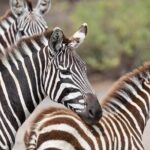
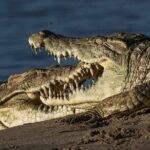
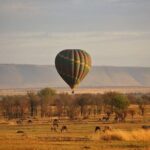
Price and Logistics: Is $2,550 Worth It
At $2,550 per person for a 6-day safari, this isn’t a budget trip. It’s in the category where you’re paying for access, effort, and the tradeoffs that come with doing a migration-season circuit well.
Here’s what you’re getting that supports the cost:
- All fees and taxes included. That reduces the annoying “surprise add-ons” feeling at the end.
- Private tour/activity with only your group. Private means you’re not sharing a vehicle with strangers, and your driver can focus on your pace.
- Game drives as per the itinerary, no km limit. Unlimited driving distance matters when you’re following wildlife, not a checklist.
- A 4×4 open-roof vehicle. You’re not riding in a smaller car or doing safari by “approximate sightings.”
- Meals included across the trip. You get 6 breakfasts, 5 lunches, and 5 dinners, which is a big deal on safari where eating out can quickly get expensive.
One small caution for your expectations: WiFi on board isn’t included. If you’re trying to live-text every moment, you’ll need a different plan. But if you’re here to actually watch animals, the lack of onboard WiFi is honestly not a huge loss.
From Kilimanjaro (JRO) to Arusha: Day 1 Helps You Start Calm
The day starts at Kilimanjaro International Airport (JRO). Your guide meets you directly there, then you head to Arusha for about three hours. Start time is listed as 7:30 am, so you’ll want to be ready for an early airport-to-safari workflow.
Arusha is a useful first stop because it’s both practical and pleasant. It’s known for colorful markets, coffee shops, and mountain views, and it also functions as a base city for the Northern Circuit. Staying at Pazuri Inn keeps things straightforward: after check-in, you can relax at the pool, stroll the gardens, or grab a local meal in town.
This matters because it’s the difference between showing up to Tanzania exhausted and showing up ready. After a flight, a built-in airport meeting plus a direct transfer usually saves a lot of stress.
In the experience set I’m drawing from, Chalema Tanzania Safaris is run through a responsive organizer named Joël, and communication is described as quick and attentive via WhatsApp. For a safari, that kind of pre-trip clarity helps you feel on track before the first game drive.
Tarangire National Park: Why Elephants Are the Main Character Here
On Day 2, you travel west from Arusha to Tarangire. The drive is about two hours, then you’re in park for an all-day experience.
Tarangire is often described as underrated in the easiest sense: people rush past it mentally because Serengeti is the headline. But Tarangire can deliver classic safari moments that feel different from the Serengeti plains. The park is especially interesting in the “green season” when the baobab trees show emerald leaves. Even in the dry season, you can still expect serious wildlife density—often including large herds of buffalo, wildebeest, and zebra.
The biggest reliable hook is the resident elephant population. That’s the part I’d center your expectations on. If you want a safari day where the wildlife feels confident and close, Tarangire has that reputation baked in.
A practical note: this park day is long, but it fits well after Day 1’s transit-and-check-in. You’re not spending your first full safari day driving in circles around a schedule. You arrive, then you get out and focus.
Serengeti Ndutu: Calving Season Game Drives That Feel Urgent in the Best Way
Day 3 is all about getting into position. You’ll head out after morning tea or coffee and drive for about four hours, with time spent passing through the wildlife-rich Ngorongoro Conservation Area en route to the Ndutu region on the southern Serengeti plains.
Then you check into Ndutu Bush Camp, where you’ll stay for the next two nights.
Why this day works: it sets you up for the migration moment, and it doesn’t treat travel as a “wasted day.” The Ndutu region is the key. This is where the migration story becomes a birth story between December and March. And when births happen that concentrated, predator behavior changes fast. You’re more likely to see lions, leopards, and cheetahs because newborn wildebeest are frequent and vulnerable.
Also, the itinerary’s design helps you avoid the “one day and done” problem. Day 4 is a full day in the Serengeti during the calving season, with a picnic lunch set right near the herds. In the feedback I’ve seen from this operator, picnics can be done with tablecloths and glasses, which is a small detail, but it makes the day feel intentional instead of like a rushed snack stop.
That “too many calves for predators to catch all at once” dynamic is important. It doesn’t mean every sighting is guaranteed. It means the plain is busy, and that busyness raises your odds.
Day 4 is also where you benefit from returning to the same camp area for two nights. It reduces constant re-packing, and it gives you a consistent “base feel” while everything changes outside.
Day 4 evening is planned for dinner back at Ndutu Bush Camp, then time to compare notes with your group around the campfire. I like that because it turns the day into a memory loop instead of just “drive, see, drive, sleep.”
A few more Moshi tours and experiences worth a look
Serengeti to Ngorongoro: How Day 5 Keeps the Safari From Getting Repetitive
On Day 5, the itinerary shifts from the open plains feel to a crater day.
You start with time in the Southern Serengeti area, and then you head toward Ngorongoro Conservation Area. The travel time is listed as about two hours to cross the scenic conservation area before you reach Ngorongoro Crater.
Then you get the crater experience: the crater formed millions of years ago after a volcanic eruption, and today it holds a dense concentration of wildlife. This is where you go hunting for variety fast—especially the Big Five, which include lion, leopard, elephant, buffalo, and black rhinoceros.
Even if you don’t catch every species in one session, Ngorongoro is still a strong day because you’re also promised a lot of other animals plus birds. That makes it a good “balance day” after two longer migration-focused Serengeti days. You don’t feel like you’re repeating the same game-drive rhythm; you’re seeing a different kind of habitat.
When you leave the crater tonight, you check into Eileen’s Tree Inn near Karatu. I like that placement because it keeps you close to where you’ll be doing morning driving, without forcing you into more long-distance transfers than necessary.
Day 6 Return: Closing the Loop Without a Last-Minute Rush
Day 6 starts with a light poolside breakfast, with birdsong and lodge garden views. Then you have roughly two hours of road time to return to Arusha.
After that, you’re brought back to Kilimanjaro International Airport for departure, with another about three hours noted for the final transfer.
That timing matters. If your flight is later, you may even end up with some buffer time in Arusha. If your flight is early, at least you know the plan is built around getting you to JRO in time.
What Type of Traveler This Tour Fits Best
This itinerary fits best if you answer yes to two questions:
- Do you care about calving-season wildlife moments, not just big animals?
- Are you okay with long days when the reward is in the sightings?
It’s also a strong match for anyone who wants a private setup with a reliable driver/guide experience. In the feedback shared with this operator, drivers like Shabani are described as kind, patient, and amazing, and Chabani is described as knowing where to look. That lines up with what you want in this kind of migration-season safari: someone who can read the day and make sensible choices.
The main drawback is also clear: if you’re traveling outside December to March, you might be paying for a route that’s built around calving-season timing. You can still see wildlife, but the “newborn moments” focus becomes less predictable.
And because there’s no WiFi on board, you’ll want your phone to be for photos and not for constant scrolling.
Should You Book This Northern Circuit Ndutu Calving Safari?
If your priority is seeing migration-era births in the Ndutu part of the Serengeti, then yes, this is the kind of route I’d put at the top of your list. The timing (December to March), the focus on Ndutu, and the way the schedule gives you multiple Serengeti days are the big reasons.
I’d also feel good about booking from Chalema Tanzania Safaris if you want a human-scale operation and clear communication. The name Joël shows up as responsive and attentive via WhatsApp in the experience notes linked to this operator, and the overall rating in this set is 5 out of 5.
Book it if:
- you want the calving-season story to be the headline
- you’re comfortable with a packed, driving-heavy plan
- you value private guiding and included meals
Skip it (or ask hard questions first) if:
- you’re traveling outside December to March and expect “births everywhere” as your guarantee
- you need a low-transit safari with minimal driving time
- onboard WiFi is a non-negotiable for your trip
FAQ
Where does the tour start, and what time?
It starts at Kilimanjaro International Airport (JRO), with a listed start time of 7:30 am.
What’s the best time of year to see the Ndutu calving season?
This itinerary is best between December and March, when wildebeest and zebra are found on the southern plains and newborn wildebeest are spotted.
Which national parks are included?
You’ll visit Tarangire National Park, Serengeti National Park (Ndutu region), and Ngorongoro Crater within the Ngorongoro Conservation Area.
What vehicle do you use for game drives?
The tour uses a Toyota Land Cruiser 4WD with an open roof for game viewing.
Are park entry fees included?
Yes. The tour includes all fees and taxes.
How many meals are included during the 6 days?
Breakfast is included 6 times, lunch 5 times, and dinner 5 times.
Is there a limit on how far you can drive during game drives?
No. The tour states there is no km limit for game drives as per the itinerary.
Is this a private tour?
Yes. It’s a private tour/activity, and only your group participates.
Is WiFi available during the safari?
No. WiFi on board is not included.
What is the cancellation policy?
You can cancel for free up to 24 hours in advance for a full refund. If you cancel less than 24 hours before the experience starts, the amount paid is not refunded.