REVIEW · MOSHI
Mt Kilimanjaro Climb – 7 days Machame
Book on Viator →Operated by Nyange Adventures. · Bookable on Viator
Kilimanjaro isn’t just a trek. This Machame route is built to help your body adjust, and I really like that meals, porters, tents, and a real safety setup (including an oxygen cylinder) are handled for you. The main catch: you’ll still need to budget for crew tips and bring your own mountain gear.
You start from Moshi, roll into rainforest hiking on day one, then gradually move from moorland to alpine desert to the big summit night. Expect early starts, cold mornings, and that focused team vibe—this is exactly the kind of trip where good guidance matters.
If you’re moderately fit and ready for long walking days plus a midnight push, this is a strong match. If you hate surprises, know that weather can be harsh above the treeline and your summit day plan depends on conditions.
In This Review
- Key things that make this Machame climb work
- Starting in Moshi: airport pickup and rainforest warm-up
- Shira Plateau moorlands: Kibo’s glacier glow and big altitude steps
- Lava Tower to Barranco Camp: acclimatize with purpose
- Barranco Wall day: hands-on scrambling, no hero moves
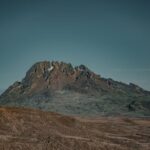
- Barafu Camp and the long wait: moonlike alpine trekking
- Midnight summit push: tea, Stella Point, and Uhuru Peak sunrise
- Mweka descent and crew farewell: back to Moshi comfort
- Price and what you’re actually paying for (and why it can be fair)
- What’s included (meals, tents, oxygen) vs what you must bring
- Team, safety, and altitude reality checks
- How hard is Machame for first-timers? Pace, fitness, and packing sense
- Should you book this 7-day Machame climb?
- FAQ
- Where does this climb start?
- How long is the Machame climb?
- What is included in the price?
- Are tips included?
- Can I eat vegetarian?
- What time does the summit day start?
- Do I need a visa before I travel?
- Is free cancellation available?
Key things that make this Machame climb work
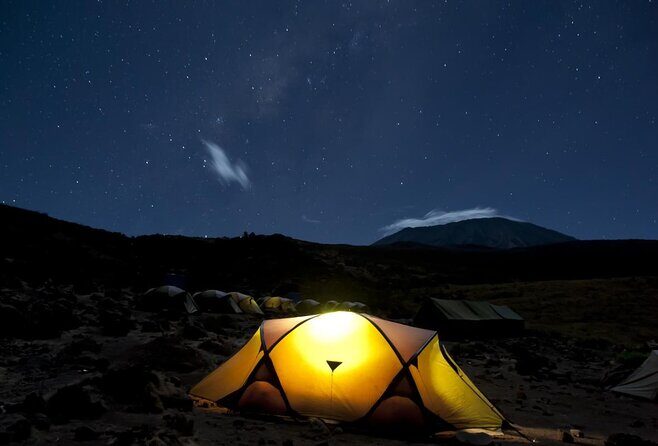
- Climb high, sleep low planning that supports altitude adjustment across the 7 days
- Oxygen cylinder and ox meter plus professional guiding for a more controlled summit effort
- All meals prepared for you (breakfast, lunch, dinner), so your energy stays on track
- Camping facilities included (tent, mattresses, mess tent) for comfort at night
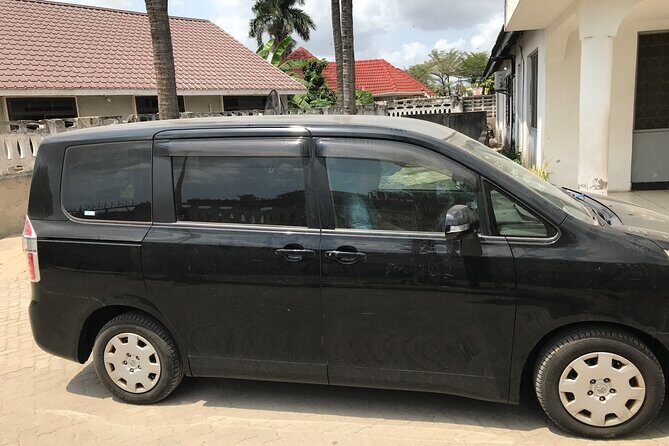
- Hotel pickup and drop-off plus return transport to the gate for less logistical stress
Starting in Moshi: airport pickup and rainforest warm-up
Day one is about getting organized fast and settling into the rhythm. After breakfast, you’ll be picked up and taken to the Kilimanjaro National Park gate area to handle formalities, then you start moving. I like this setup because you’re not wandering around on arrival day—you watch the mountain crew load supplies, see how teams get ready, and then you’re off.
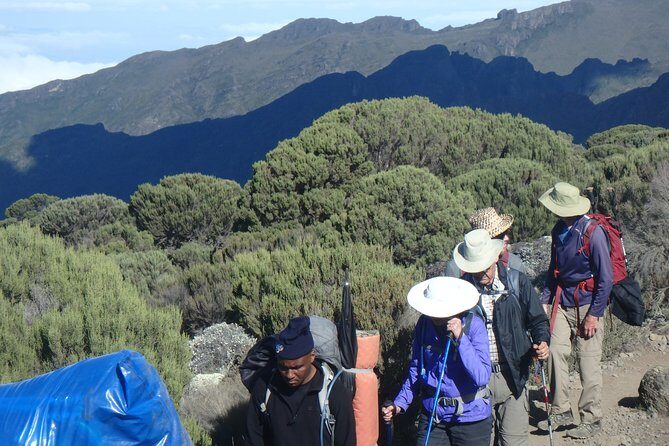
Your goal today is Machame Camp, about a 5–6 hour walk. Expect rainforest conditions: ancient trees, ferns, and liana and lichen-covered branches. It’s greener and more humid than what most people picture when they think Kilimanjaro. That contrast matters because it warms your legs and gets you into “long-day hiking mode” before the higher zones get colder.
Practical note for your mindset: rainforest days can still feel long. Pace yourself, sip water, and don’t treat it like a casual nature walk. You’re setting up your week.
A few more Moshi tours and experiences worth a look
Shira Plateau moorlands: Kibo’s glacier glow and big altitude steps
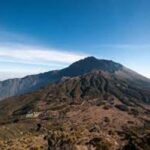
Day two shortens the trekking time, but the environment changes hard. You leave early, and you reach your campsite around mid-afternoon at Shira Plateau. This is where Kilimanjaro starts flexing its personality: the green rainforest gives way to moor and heath land.
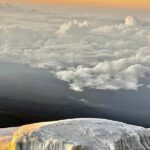
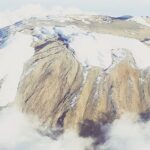
You also get one of those payoff moments—views over the mountain range, and at sunset the glacier of Kibo lights up. Campsite timing is a big deal here. Arriving with enough daylight helps you appreciate the scale and makes your first real acclimatization day feel less like a chore.
On this day, you’ll be walking about 7 hours total. The important part isn’t just the hours. It’s the gradual rise in your body’s workload. By day two, you’re already feeling the difference between “easy breathing” and “slower breathing,” even if the climb doesn’t feel brutal.
Lava Tower to Barranco Camp: acclimatize with purpose
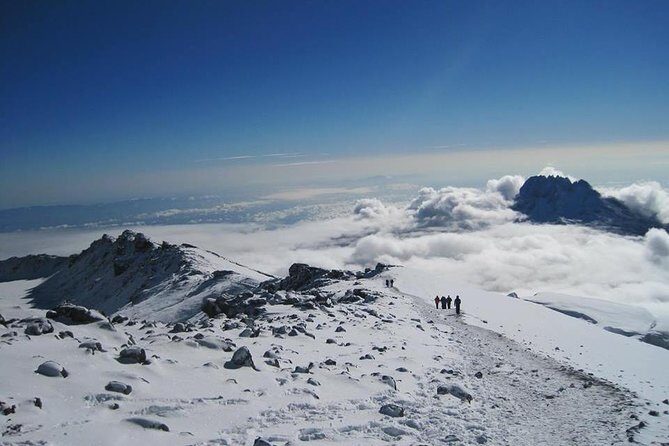
Day three is built for you to adjust without frying yourself. You climb roughly 700 m, but you sleep not much higher than the previous night. That’s the climb-high, sleep-low idea in action, and it’s a smart one for helping your body adapt over multiple days instead of one giant leap.
Today’s route takes you from Shira Plateau up to Lava Tower, around 4640 m. After a rest, you continue through the Barranco Valley and reach Barranco Camp. Trek time is about 6–7 hours.
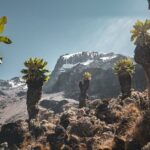
What makes this day special is the variety of terrain. You’ll move into alpine desert country, then into the Barranco Valley with small lobelia plants and giant senecio plants. It’s a different kind of trekking. Your legs work, but your brain also works—staying focused on footing and breath helps you handle altitude without rushing.
In the evening, you’ll have dinner and then rest for the next day. That early routine matters. On Kilimanjaro, you’re fighting fatigue as much as altitude.
Barranco Wall day: hands-on scrambling, no hero moves
Day four is the one most people remember, and it’s for good reason: the famous Barranco Wall. After breakfast you’ll start climbing it, and yes—you might need your hands for grip. The good news is that there aren’t climbing passages, but it still requires attention.
You’ll spend time on ascents and descents, and then you walk along a mountain ridge. The payoff is that the glacier of Kibo stays on your left for much of the route, which gives you constant orientation. When the world around you changes quickly, having that visual anchor helps.
Walking time is about 3–4 hours, but don’t treat it like a short day. The mix of going up, then down, then along the ridge can leave your quads feeling it. Listen to your guide—this is one of those places where small mistakes cost energy.
Barafu Camp and the long wait: moonlike alpine trekking
Day five moves you into “big altitude” territory fast. Barafu Camp is the destination, reached after about 3–4 hours. Most of the walking is through a moon-like alpine desert, which usually means barren ground and cold air that seems to cut quicker than you expect.
After dinner, you get an early night. That part feels boring until you remember what’s coming: a summit attempt that starts in the dark. This is when you’ll be glad your trip includes camping facilities and a mess tent—getting through the night comfortably helps you show up ready.
I’d treat this day like prep time, not sightseeing time. Eat, hydrate, and rest. The summit night rewards the people who saved their energy.
Midnight summit push: tea, Stella Point, and Uhuru Peak sunrise
Day six is the main event. The climb starts at midnight, and you’ll be woken up just before with tea and biscuits. That small detail matters because it’s not about luxury—it’s about calories and keeping your body from going flat before the hard portion begins.
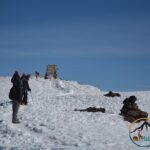
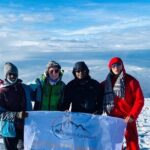
After about 5–7 hours you reach Stella Point, on the crater rim. Then it’s another 1–2 hours to Uhuru Peak at 5895 m. When you finally stand on top, the view at sunrise is the kind of moment you can’t shortcut. You’re cold, slow, tired, and then suddenly the effort makes sense.
Afterward, you descend back toward Barafu Camp, taking about 1–2 hours to get there. You’ll find the rest of the mountain team waiting with snacks and refreshment. The psychological shift is real here: summit day turns into recovery day quickly.
Also, this is where the trip’s safety kit matters most. Having oxygen equipment and a guide-led approach can help you manage stress and monitor how you’re doing during the toughest hours.
Mweka descent and crew farewell: back to Moshi comfort
Day seven is shorter and more human. After breakfast you’ll have a traditional farewell ceremony with your mountain crew. That’s not just a nice ritual—it’s a reminder that Kilimanjaro is a team sport. You’ll then walk for about 2–3 hours through rainforest to reach Mweka Gate.
After that, your driver is waiting for you for the transfer back to your hotel. You’ll get a debrief, your certificate of achievement, and then the chance to finally switch off. I like that this day is paced for recovery, not forced into long travel.
You started in rainforest, spent days moving through multiple climate zones, and end back under trees. It’s a clean full-circle ending.
Price and what you’re actually paying for (and why it can be fair)
At $2,543.59 per person, this isn’t a cheap hike. But the value isn’t just “a guide included.” You’re getting a full package: three meals a day, 6 nights accommodation with camping setup (tent, mattresses, mess tent), transport to and from the gate, drinking water, coffee and/or tea, and government taxes.
The safety-and-support side is also part of what you’re paying for. You’re supplied with an oxygen cylinder and an ox meter, and you have professional guiding across the entire week. When you’re spending days at high altitude, that kind of coverage is not a nice-to-have.
There are also costs not included, so your final budget shouldn’t end at the listed price:
- Crew tips are not included (industry guidance is listed as $12/day for the cook, $20/day for the head guide, $12–15/day for the assistant guide, and $5–8/day per porter split among everyone).
- Personal climbing gear is not included.
- Travel insurance is not included.
So yes, the ticket price is high. But it’s high in the same way guided, fully catered climbs often are: a lot of real human labor and safety planning is inside it.
What’s included (meals, tents, oxygen) vs what you must bring
Included items that make a practical difference:
- Three meals a day (breakfast, lunch, dinner), with coffee and/or tea
- Camping facilities: tent, mattresses, mess tent
- Drinking water, plus bottled water
- Professional guide and team support
- Oxygen cylinder and ox meter
- Hotel pickup and drop-off, plus transport to and from the park gate
Not included items you should plan for:
- Personal mountain climbing gear and equipment
- Alcoholic and soft drinks
- Travel insurance
- Visa processing is on you (more in the FAQ)
If you’re bringing a sleeping bag, good. If not, make sure you understand what your operator requires, since personal gear isn’t included. Also, consider your own water strategy; you’ll have water provided, but you still need to drink consistently.
If you want vegetarian meals, a vegetarian option is available if you flag it when booking.
Team, safety, and altitude reality checks
This climb is guided, and the guide role isn’t “point and laugh.” On steep moments like the Barranco Wall, you’re expected to follow instructions for safe footing. That’s important because even if you aren’t climbing like a mountaineer, one wrong step can waste energy at altitude.
On the altitude side, the trip design helps. The schedule includes days where you climb to a higher point but sleep only slightly higher, which gives your body time to respond. That’s the kind of pacing you want on Kilimanjaro.
The safety kit also stands out in a practical way. You have an oxygen cylinder and an ox meter. That doesn’t mean you won’t feel altitude. It means you’re not flying blind, and the team can respond if someone’s breathing or stress level suggests they need help.
One more detail I like from the team pattern: guide names that show up frequently include Amnaay, Antipas, Musa, Mo, Satorine, Robert, and even Kelvin Kihara. I can’t promise who you’ll get, but it suggests the operator builds around experienced leadership rather than rotating casual help.
How hard is Machame for first-timers? Pace, fitness, and packing sense
This is rated as suitable for travelers with moderate physical fitness. That doesn’t mean it’s easy. It means the structure and day-by-day pacing are set up so most people who train a bit and walk steadily can manage.
What you’ll feel across the week:
- Long walking days, often 5–7 hours
- Cold nights at camp
- A summit night that starts at midnight and can feel like pure willpower
- A few tougher sections like Barranco Wall where hands may be used for grip
My advice for packing: treat this as a cold-weather trek at altitude, even if the first day feels warm. The included camping setup helps with shelter, but your personal clothing and footwear are what keep you functional at 5895 m. Since the specific gear list isn’t provided here, you’ll want to ask your operator what they require for safety and comfort.
Should you book this 7-day Machame climb?
Book it if you want a well-structured week that mixes real altitude adjustment with strong support: meals handled, camping provided, and oxygen equipment in the background for peace of mind. It’s also a good choice if you want simpler logistics from Moshi since hotel pickup and drop-off are included.
Consider another option if you’re not ready for the summit day reality: midnight start, cold, long hours in the thin air, and the need to bring your own climbing gear. And if budget stress would ruin your trip, remember that tips and travel insurance are on you.
If you’re aiming for a meaningful Kilimanjaro experience with safety-minded guiding and a schedule that gives your body a chance, this Machame package makes a lot of sense.
FAQ
Where does this climb start?
You start at Kilimanjaro Airport, and you’ll be taken to the Kilimanjaro National Park gate to begin the climb, with hotel pickup and drop-off included.
How long is the Machame climb?
It runs for 7 days approximately.
What is included in the price?
Included are three meals a day, 6 nights accommodation, camping facilities (tents and mattresses), transport to and from the gate, drinking water, oxygen cylinder and ox meter, a professional guide, and government taxes.
Are tips included?
No. Recommended tips are listed as $12/day for the cook, $20/day for the head guide, $12–15/day for the assistant guide, and $5–8/day to each porter (divided by everyone in the climb).
Can I eat vegetarian?
Yes, a vegetarian option is available if you advise at time of booking.
What time does the summit day start?
The climb starts at midnight. You’ll be woken up just before with tea and biscuits.
Do I need a visa before I travel?
You must obtain a visa at the border or airport.
Is free cancellation available?
Yes. Free cancellation is available up to 24 hours in advance for a full refund.