REVIEW · MOSHI
5 Days Under Serengeti Skies Tour
Book on Viator →Operated by Velam Safaris · Bookable on Viator
Five days can feel like a lot.
Five days here feels perfect.
This safari strings together four top parks and pairs them with expert guidance and well-located lodges. You get full game-viewing days (around 8 hours) plus picnic lunches, and you’ll spend your evenings relaxing at places like Oliver’s camp, Four Season Safari Lodge, and Ngorongoro Crater Lodge.
What I love most is the mix: Tarangire’s calmer elephant-and-bird feel, then Serengeti’s big-migration energy, then Ngorongoro’s crater show. I also like that the trip runs at a sane pace for a 30-person max group, with pickup offered and a mobile ticket for easy entry.
One thing to consider: it’s a lot of time in a vehicle, and the experience depends on good weather, so you’ll want to pack for long days and changing skies.
In This Review
- Key Highlights That Matter on the Ground
- Moshi and Kilimanjaro: The Setup You’ll Feel Immediately
- Price and Value: What $3,528 Covers (and What It Implies)
- Day 1 at Tarangire: Elephant Country With Breathing Room
- Days 2 and 3 in Serengeti: Migration Theater and Resident Cats
- Day 4 Ngorongoro Crater: Lake Magadi and a High-Wall Game Drive
- Day 5 Lake Manyara: Birdlife, Acacia Lines, and Tree-Climbing Lions
- Group Size, Vehicle Time, and How to Not Feel Rushed
- Lodges: What the Night Stays Add to Your Safari Days
- Service and Communication: Why It Feels Like It Runs on Rails
- Should You Book This 5-Day Under Serengeti Skies Tour?
- FAQ
- How long is the 5 Days Under Serengeti Skies Tour?
- Where does the tour start and end?
- How much does the safari cost?
- Which parks are included?
- Are hotel or lodge stays included?
- Is pickup offered?
- Is a mobile ticket used?
- What is the group size limit?
- Can I bring a service animal?
- What is the cancellation policy if plans change?
Key Highlights That Matter on the Ground
- Expert guiding during every major park day helps you spot animals faster and understand what you’re seeing.
- Tarangire + Serengeti + Ngorongoro + Lake Manyara gives you variety without feeling like you’re constantly changing logistics.
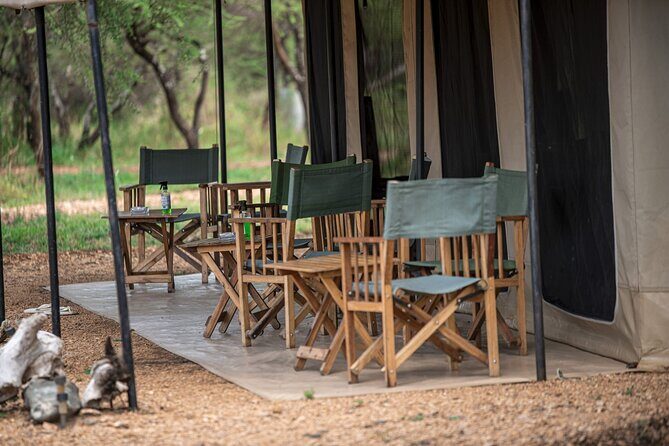
- Luxury-style lodge nights (Oliver’s camp, Four Season Safari Lodge, Ngorongoro Crater Lodge) keep your evenings comfortable after long drives.
- Full-day game viewing is built in, not an add-on, with picnic lunches to keep the day moving.
- Serengeti Seronera time focuses on classic resident wildlife alongside migration activity.
- Ngorongoro Lake Magadi stops are great for waterbirds and hippo sightings when conditions are right.
Moshi and Kilimanjaro: The Setup You’ll Feel Immediately
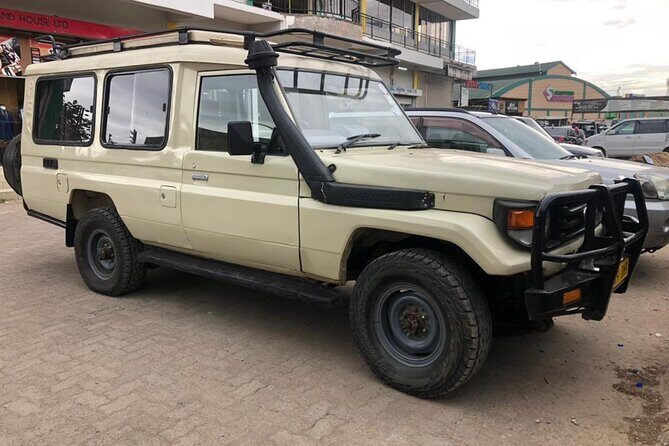
This trip is based around Moshi, with the start point listed as Kilimanjaro Airport. That matters because it reduces the awkward part of safari travel: the long scramble after you land. If pickup is offered for your timing, you’ll likely head out quickly toward the first park day rather than losing hours in town.
The final handoff is also planned. After your last safari drive at Lake Manyara, you return toward Arusha and get dropped at Kilimanjaro International Airport in time for your flight. In plain terms: you’re not stuck trying to figure out transport on your last day while still craving one more animal sighting.
Group size is capped at up to 30 travelers, so expect a shared experience. That’s a plus if you like meeting people, but it also means you’re not always guaranteed a perfectly quiet, private drive.
A few more Moshi tours and experiences worth a look
Price and Value: What $3,528 Covers (and What It Implies)
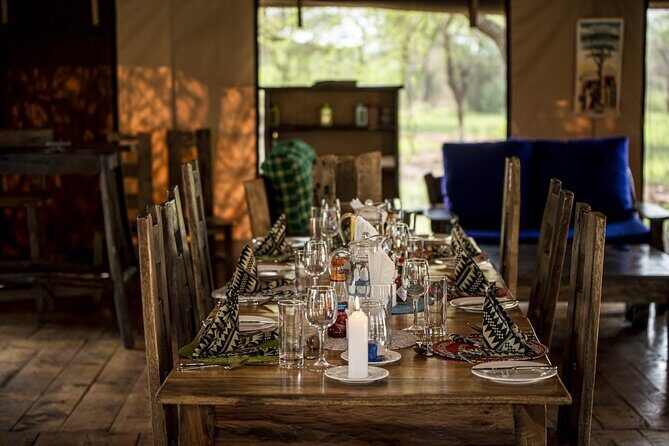
At $3,528 per person for about five days, this sits firmly in the “proper safari” category. The value isn’t just the parks. It’s the way the days are structured: long game drives built around major ecosystems, plus lodge nights at places like Four Season Safari Lodge and Ngorongoro Crater Lodge.
Another clue is how park admission is handled across the days. The tour data lists admission tickets as included for Tarangire and Ngorongoro, while Serengeti and Lake Manyara are shown as admission ticket Free. That doesn’t mean you can assume anything for every situation, but it does suggest the package is trying to reduce money surprises mid-trip.
Also, the operator is Velam Safaris. In the feedback you’ll see a consistent thread: smooth communication, expert guiding, and careful attention to how the trip runs. One specific detail that stood out is the role of Adam in organizing the trip. If you’re the kind of traveler who hates unanswered questions, this kind of setup can be a big part of your comfort level.
Day 1 at Tarangire: Elephant Country With Breathing Room
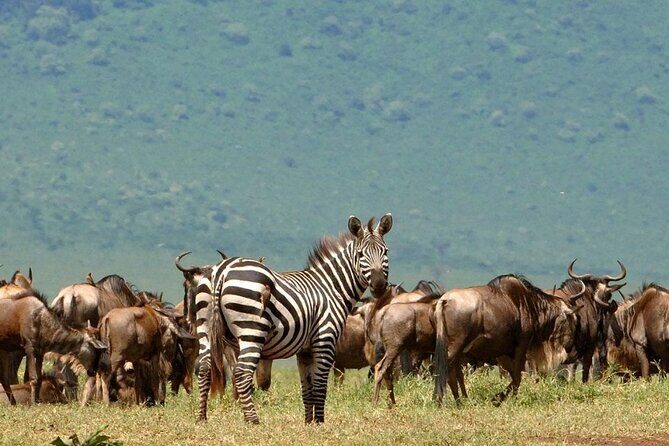
On Day 1, you drive into Tarangire National Park for a full day of game viewing. You’ll have a picnic lunch after breakfast (rather than a stop-and-start day), then continue to camp for dinner and an overnight.
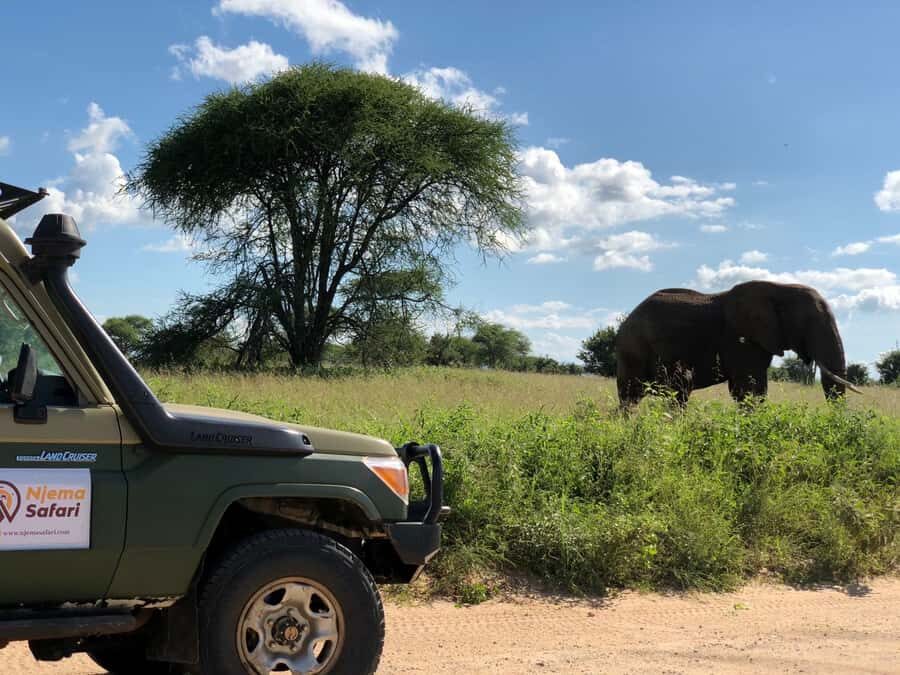
Tarangire is a smart first stop for a safari because it often feels calmer than the headline parks. You’ll hear the same theme from longtime safari fans: Tarangire sits a bit off the main route, so the park can feel more authentic and less crowded. That matters when you’re trying to settle into the rhythm of spotting wildlife.
What to expect here:
- Strong elephant viewing, including the park’s reputation for movement and migration patterns.
- Great birding, and even if you don’t count birds, the variety of species can be a satisfying reward for early scanning.
- A more relaxed “find your eyes” feel, which is useful on day one when you’re still figuring out how your guide scopes animals.
Potential drawback: because it’s a full day, you’ll want to start strong. If you’re prone to getting carsick, bring medication and sit where you feel best. The park’s tranquility is great, but it doesn’t shorten the drive time.
Days 2 and 3 in Serengeti: Migration Theater and Resident Cats
Serengeti gets the spotlight for a reason. On this trip, you spend two full days in the park. First, you head out for a day of game viewing from the area around your lodge, and the second full day includes time in the Seronera region for another major run.
The migration story is the famous one—wildebeest moving in long columns, the constant cycle of feeding, territory, and survival. Even if your exact timing doesn’t match a specific crossing event, the park’s rhythms still show. You’ll likely hear your guide connect what you’re seeing to larger migration patterns, and that context makes the animals feel less random.
What I like about splitting Serengeti into two days (instead of one) is that you’re not trying to see everything at once. You can return to patterns: where predators are hunting, where prey is holding, and where the day’s lighting makes spotting easier.
On these Serengeti days, the focus includes:
- Migration activity plus resident wildlife that’s present even outside peak movement.
- The chance for classic big-cat viewing, including lion and African leopard chances around Seronera.
- The “big five” framing your guide may use to explain why the ecosystem supports these predators.
A few numbers are part of the park’s lore shared in this experience: the ecosystem is described as supporting a large lion population, with leopards also present across the park. Even if you don’t track counts, the useful part is what it means for you: more chances to see key species, and a guide who can explain where animals tend to show up.
Accommodation note: you check into Four Season Safari Lodge at the end of your first Serengeti day (with dinner and overnight). That’s more than comfort. After a long day of scanning, you want a place where you can actually recover, recharge your camera batteries, and sleep without feeling like you’re camping in the dark.
Day 4 Ngorongoro Crater: Lake Magadi and a High-Wall Game Drive
Ngorongoro is one of those places where the geography does half the work. The crater is described as a huge volcanic caldera—about 20 km across and roughly 600 m deep—with an alkaline lake called Lake Magadi.
This day is built around a full crater game drive with a picnic lunch in the Ngorongoro Conservation Area. Afterward, you head to Ngorongoro Crater Lodge for dinner and an overnight.
Why this stop is worth it:
- You’re dealing with a “contained” environment where animals often gather and move predictably.
- Waterbirds and hippos are part of the Lake Magadi story—so when conditions are right, it’s a strong day for both mammals and birds.
- Flamingos can be a possibility in the Magadi area, and even when they don’t steal the show, the water scene itself helps you understand the ecosystem.
The practical reality: crater days can feel intense. You’ll spend lots of time watching and scanning because the payoff can be high, but the concentration is also high. If you’re the type who gets tired mentally after long drives, bring snacks and water, and don’t skip breaks for photos.
Day 5 Lake Manyara: Birdlife, Acacia Lines, and Tree-Climbing Lions
Your final safari drive is at Lake Manyara National Park. You start after breakfast, enjoy a game drive, then return toward Arusha for an airport drop.
Manyara is especially good for two reasons the trip leans into:
- Birding: it’s described as a place where you can see a huge number of species in a day, even if you’re not a hardcore birder.
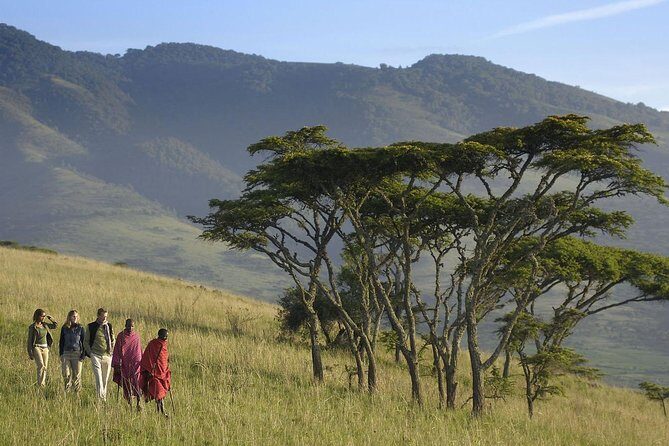
- Habitat variety: a narrow band of acacia woodland extending inland from the floodplain is where you’ll often focus.
This is also where the famous tree-climbing lion angle comes in. You might see them, and even if you don’t, you’ll still get elephants in the acacia woodland areas that the park is known for.
One more thing: Lake Manyara can feel like a “cool-down” park compared to the big Serengeti days. That doesn’t mean it’s easy or boring. It just means your eyes get to rest a bit while you still scan for movement in the trees and along the woodland edge.
Group Size, Vehicle Time, and How to Not Feel Rushed
The trip runs with a max group size of up to 30 travelers. In practice, that often means your day is shared among a few vehicles or one bus-like setup depending on the operator’s plan. Either way, you’ll want to plan for the safari reality: waiting, repositioning, and long stretches of road.
Here’s how to make it feel smoother:
- Bring a light layer. Mornings can be cool, and vehicle time changes temperature fast.
- Use a simple snack kit. You’ll have picnic lunches, but long days can still mean you want something extra between stops.
- Keep your camera strap ready. A lot of safari action is short and sudden.
Also, confirm what pickup means for your specific flight time. Since the tour starts at Kilimanjaro Airport, your biggest risk is arriving late and making day one harder. If your schedule is flexible, I’d rather land earlier than later.
Lodges: What the Night Stays Add to Your Safari Days
The lodge names in this experience are a real part of the value. Oliver’s camp and Ngorongoro Crater Lodge come up alongside Four Season Safari Lodge, which tells me you’re not just paying for wildlife—you’re paying for recovery and views.
On safari, nighttime isn’t a throwaway. It’s when you:
- download photos,
- let your body reset,
- and review what you saw with your guide the next morning.
The reviews highlight luxurious accommodations and attentive staff. Since those details aren’t guaranteed in the same way everywhere, what I take from it is the operator’s focus on comfort and consistency. That’s especially important when you’re doing multiple parks back-to-back.
Service and Communication: Why It Feels Like It Runs on Rails
Velam Safaris is the provider, and the feedback points to seamless communication and expert guiding. The name Adam appears in the stories as the organizer who answered questions and kept things tailored.
That matters more than people think. On safari, questions you might consider small—timing of pick-up, what’s included, how the day flows—turn into stress if nobody answers them. When a team responds fast and keeps the plan clear, you get to focus on the animals, not the admin.
The same feedback also mentions a commitment to sustainability. You shouldn’t expect that to mean one specific thing without details, but it does suggest the operator tries to run responsibly. In general, I find it’s a good sign when a safari company pays attention to how they operate, not just what they charge.
Should You Book This 5-Day Under Serengeti Skies Tour?
I’d book this if you want a focused wildlife circuit with a strong chance of seeing everything from elephants and birds to big cats and crater specials—all in one trip. The value makes sense because the price is tied to real time in prime parks and lodge nights that help you recover between days.
I’d think twice if you hate long vehicle days or you’re traveling during a period where weather could be rough. The tour data also notes that the experience requires good weather, and if it’s canceled due to poor weather, you’ll be offered a different date or a full refund.
Finally, if you care about having someone handle the details, this operator’s reputation for responsive organization (with Adam specifically mentioned) is a big plus.
FAQ
How long is the 5 Days Under Serengeti Skies Tour?
It runs for approximately 5 days.
Where does the tour start and end?
The start point is Kilimanjaro Airport. On the final day, you return to Arusha for drop-off at Kilimanjaro International Airport in time for your flight.
How much does the safari cost?
The price listed is $3,528.00 per person.
Which parks are included?
The trip includes Tarangire National Park, Serengeti National Park, Ngorongoro Crater (Ngorongoro Conservation Area), and Lake Manyara National Park.
Are hotel or lodge stays included?
Yes. The tour includes lodging at places listed such as Oliver’s camp, Four Season Safari Lodge, and Ngorongoro Crater Lodge.
Is pickup offered?
Pickup is offered, and the experience starts at Kilimanjaro Airport.
Is a mobile ticket used?
Yes, the tour provides a mobile ticket.
What is the group size limit?
The maximum group size is 30 travelers.
Can I bring a service animal?
Service animals are allowed.
What is the cancellation policy if plans change?
You can cancel up to 6 days in advance for a full refund. Canceling 2–6 days before the start time gives a 50% refund, and canceling less than 2 days before the start time gives no refund.