REVIEW · ARUSHA
3 Days Joined Group Safari Ngorongoro,Lake Manyara and Tarangire National Park
Book on Viator →Operated by Serengeti Safari Booking · Bookable on Viator
Three parks, packed into three days.
This joined-group safari is a great way to tackle some of Tanzania’s headline scenery—starting with the Ngorongoro Crater and wrapping in Tarangire and Lake Manyara—without you having to plan logistics. You’ll spend your days on multiple game drives from an open-aired 4×4 Jeep, and you’ll add a cultural stop with Maasai families.
I especially like how the days are structured around long wildlife-search blocks (about 6 hours of game drive each park) with a picnic lunch, so you’re not constantly bouncing from one short stop to another. The practical value is strong too: most meals are included, plus lodging, sleeping bag, bath towels, drinking water, and even wine.
The main consideration is simple: this is a full-throttle schedule. Early starts, long drives, and hours in a safari vehicle mean comfort matters—so if you hate long days, this might feel like a lot.
In This Review
- Key things I’d watch for before you book
- Price and value for a 3-day joined safari from Arusha
- Day 1: Tarangire National Park game drives and picnic lunches
- Day 2: Lake Manyara’s habitats, birds, and 6 hours of searching
- Day 3: Ngorongoro Crater conservation area and the big morning descent
- Lodging comfort: Fig Tree Lodge and Arusha Tourist Inn practicality
- Meals on safari: what’s included and why it helps your schedule
- How the Jeep drives work with a small joined group (max 6)
- Maasai village visit: culture with context (and your questions)
- Who this safari suits best
- Should you book this 3-day joined safari?
- FAQ
- What does the safari price include?
- Do I get pickup from Arusha?
- How big is the group?
- What’s the start time and how does it end?
- Are park tickets included?
- What’s not included in the tour price?
Key things I’d watch for before you book
- Max group size (6 travelers) means it stays flexible enough for a joined safari, not a huge bus situation
- Open-aired pop-up 4×4 Jeep drives give you better sightlines for photos and game viewing
- Meals plus picnic lunches make the schedule easier (you’re not scrambling for food mid-park)
- Fig Tree Lodge comfort shows up in the experience: one past guest highlighted the lodge and its swimming pool
- Maasai village visit adds culture and conversation, not just photos from the road
- Experienced local coordination: Bernard was described as organized and responsive, and Dulla handled a comfortable pickup
Price and value for a 3-day joined safari from Arusha
At $738.47 per person, this isn’t a budget “hop-on” safari—but it also isn’t just paying for drives. The value is in what’s bundled: park entry fees, all the game-drive activities, meals (breakfasts, lunches, dinners), and lodging across the safari days. You also get safari basics like camping equipment and a sleeping bag, plus bath towels and bathing amenities.
The format matters, too. This is a joined group with a maximum of 6 people, so you’re not paying for a private car, but you’re also not stuck in a large crowd. If your top priority is seeing Tarangire + Lake Manyara + Ngorongoro in a short window, the package is built exactly for that.
If you’re trying to compare prices, look past the headline number. When park fees and meals are included, your day-to-day costs inside Tanzania tend to drop, and you spend your energy where it belongs: on wildlife and the views.
A few more Arusha tours and experiences worth a look
Day 1: Tarangire National Park game drives and picnic lunches
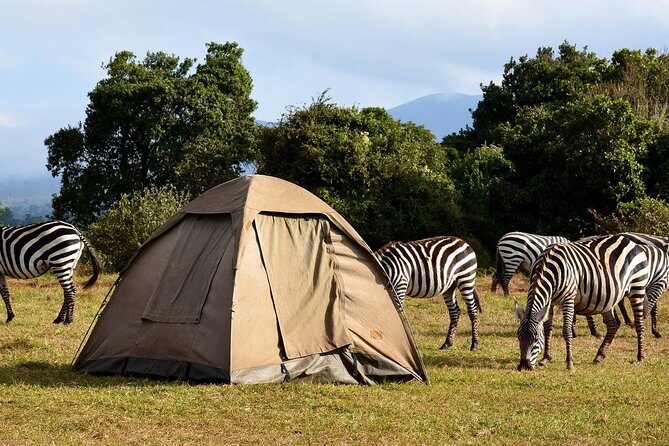
Tarangire is a favorite first stop because it has a very distinct look. Expect sparse vegetation with baobabs and acacia trees, and a reputation for concentrated wildlife outside the Serengeti ecosystem.
On this trip, you start with breakfast around 7:00 am in Arusha, then you transfer toward the park gate. Once you’re in, you get a big block of time: about 6 hours of game drive in a pop-up four-wheel safari Jeep. That “pop-up” detail isn’t just for marketing—it helps you spot animals more easily as you scan for movement and get steadier views for photos.
Lunch is planned as a picnic site meal around 1:00 pm, then you continue searching before heading to your evening stop. This pacing is handy because wildlife sightings aren’t scheduled on your calendar. The long drive + long game drive mix gives your guide time to adjust based on where animals are active.
One more practical point: Tarangire’s terrain and vegetation can mean dust in dry seasons and shade limits where trees are spaced out. An open Jeep can be awesome for photos, but you’ll want to be ready for sun and wind during the drive.
Day 2: Lake Manyara’s habitats, birds, and 6 hours of searching
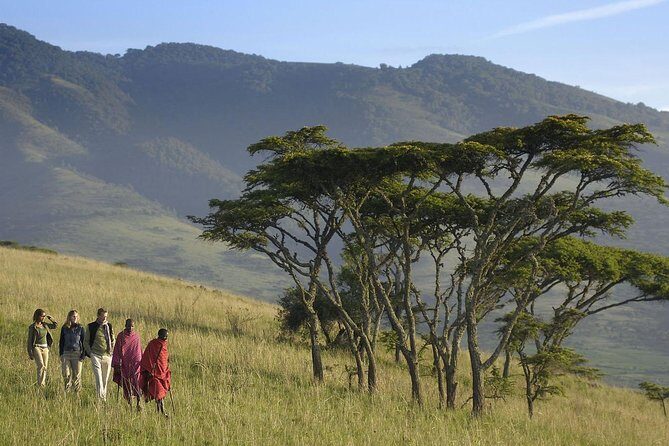
Lake Manyara feels different from Tarangire, mostly because the park includes multiple habitat types: forest areas, woodlands near the lake, swamps, grassland, and even alkaline lake edges. That variety matters for wildlife because it can shift the odds from one area to another.
You start early with breakfast, then you head toward Lake Manyara with roughly an hour of driving time. Inside the park, your game-drive block is again around 6 hours in the four-wheel pop-up safari Jeep, with lunch at the picnic site around 1:00 pm.
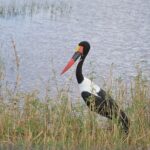
If birds are your thing, Lake Manyara is a strong match. The park is described as having over 500 bird species, and it’s also known for feeding areas that attract large numbers of flamingos. Even if flamingos aren’t your main target, a bird-rich place tends to give you more “small wins” between the big sightings: movement in the reeds, bright color near water, and repeated chances to refocus.
The bigger value of this day is pacing. Another full-day game drive means you’re not rushed through a single viewpoint. You can expect the guide to look for the kinds of zones where animals are more likely to be moving—especially in the morning and later in the day.
Day 3: Ngorongoro Crater conservation area and the big morning descent
Ngorongoro is the day with the “headline gravity.” The plan is an early game drive that includes descending into the crater area, with not less than 6 hours for wildlife searching. Since you’re going down into a caldera, you get that dramatic setting where the animal density can surprise you.
Lunch is again at a picnic site around 1:00 pm, and then you start exiting the crater around 2:00 pm and head back toward Arusha for dinner and overnight.
The crater’s setting is described as fertile volcanic soil supporting different habitats, plus there’s mention of Lake Makat, a soda lake connected to the Maasai word meaning salt. If you like natural “where you might find what” logic, this matters: soda lakes and salt areas often bring birds and feeding activity, which can stack the odds in your favor.
Ngorongoro is also described as the only Tanzanian park that can offer the Big Five in a single day, which is the kind of detail that makes people talk. You still shouldn’t treat that as a guarantee (wildlife doesn’t obey schedules), but it tells you where the emphasis lies: getting you into the terrain where those species are most likely.
Lodging comfort: Fig Tree Lodge and Arusha Tourist Inn practicality
The overnight stops are part of what makes this itinerary feel manageable. Your days end at Fig Big Tree Lodge (with dinner and overnight after Tarangire and after Lake Manyara). One past guest specifically praised the Fig Tree Lodge experience and even called out the swimming pool as a nice perk between safari days.
On the final day, dinner and overnight shift back in Arusha at Arusha Tourist Inn. That’s smart logistics: it keeps the “big crater day” from bleeding into an extra drive before you can rest.
Across the package, lodging isn’t treated like an afterthought. Bath towels and bathing amenities are included, and the tour includes drinking water and wine. Those small comforts add up when you’ve been out for hours in the sun, then you return to shower, eat, and recharge.
A few more Arusha tours and experiences worth a look

Meals on safari: what’s included and why it helps your schedule
This tour includes 3 breakfasts, 3 lunches, and 3 dinners. On a safari like this, that’s not just convenience; it protects your time. When lunch is already planned at a picnic site, you don’t lose half the day searching for food or waiting on arrangements.
The inclusion of wine is a fun touch, and it also signals the tour wants you to feel like you’re on a real trip, not just running from stop to stop. You’ll still want to pace yourself on days with early starts, but it’s nice to have a drink without paying for everything separately.
Also, dietary requirements can be handled on request. That’s important when you’re relying on a guided plan for meals.
How the Jeep drives work with a small joined group (max 6)
This is a joined safari, but the group size is capped at 6. That matters more than you’d think. With smaller groups, the guide can usually manage sightings without constant reshuffling, and you’re less likely to spend your time squeezed in a way that makes spotting harder.
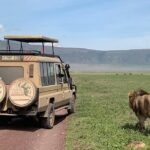
Your transport is described as modern, open-aired 4×4 Jeep with a pop-up design. From a practical standpoint, open-aired visibility is a big deal in parks where you scan long distances. You’re also not stuck behind glass, which keeps photos from coming out “washed” from glare.
The tradeoff is physical: open-air jeeps can be windy and dusty depending on conditions. The best way to enjoy it is to dress in layers, keep sun protection handy, and stay ready for quick changes from warm sun to cooler morning air.
Maasai village visit: culture with context (and your questions)
A strong safari doesn’t stop at animals. This one includes entry/admission to an Arusha Village Experience, and the highlights call out meeting local Maasai families to learn traditions and customs.
What I like here is that it’s positioned as a conversation stop, not just a photo op. When it’s done well, you learn how people interpret the landscape through their daily life, and you ask better questions than Where do I stand for a good picture?
If you do this stop, go in curious and respectful. Ask about what daily life looks like, what has changed over time, and what traditions people still practice today. You’ll get more out of the encounter that way—and it keeps things meaningful for both sides.
Who this safari suits best
This 3-day safari is a strong fit if:
- You want to hit Tarangire + Lake Manyara + Ngorongoro without juggling separate bookings
- Wildlife viewing time matters to you, because you get multiple long game-drive blocks
- You prefer a small joined group (max 6) rather than a big tour bus
- You’d like safari comfort: included meals, lodge stays, bath amenities, and a guide who can handle language needs
It may be less ideal if you want a slow pace or you hate early mornings and long hours in a vehicle. This is built for people who enjoy the rhythm of safari days.
Should you book this 3-day joined safari?
I’d book it if your goal is a time-efficient Tanzania wildlife trip that still feels well organized. The biggest reasons are the bundled value (parks, meals, lodging, and safari basics) plus the practical schedule: long game drives in three iconic places.
Before you commit, just be honest about the format. You’re choosing a tight itinerary with early starts and long days in an open Jeep. If that sounds like your kind of adventure, you’ll likely find this package hits the right balance between comfort and real wildlife time.
FAQ
What does the safari price include?
The package price includes all activities of game drive, fees and taxes, accommodation, camping equipment, a sleeping bag, bath towels, drinking water, wine, and meals (breakfasts, lunches, and dinners). It also includes entry/admission for the Arusha Village Experience, Tarangire National Park, Ngorongoro Crater National Park, and Lake Manyara National Park.
Do I get pickup from Arusha?
Yes. The tour offers airport pickup and drop-off, and pickup from the hotel is part of the day-by-day plan.
How big is the group?
This experience has a maximum of 6 travelers.
What’s the start time and how does it end?
It starts at 7:00 am in Arusha. The activity ends back at the meeting point.
Are park tickets included?
Yes. Park entry/admission fees for Tarangire, Lake Manyara, and Ngorongoro are included.
What’s not included in the tour price?
Visas, travel insurance, tips for the driver/guide and safari cook, things of personal nature, and international flights are not included.