REVIEW · MOSHI
7 Days: Great Migration Mara River Crossing(manyara, Ngorongoro And Serengeti)
Book on Viator →Operated by Seven Wonders Safaris · Bookable on Viator
Tree-climbing lions and the Mara river in one week. This Moshi-based, seven-day private safari strings together tree-climbing lions in Lake Manyara, the chance at a black rhino inside Ngorongoro Crater, and the drama of the Great Migration on the Mara River. Still, the migration depends on conditions, so the exact crossing action you picture may vary day to day.
I like how the route is built like a storyline: Manyara for a jaw-drop moment, Ngorongoro for classic crater wildlife, then Serengeti for lions and the river drama. The private-transport setup also matters, because it keeps the long drives manageable and gets you to the right game areas at the right times.
One thing to think about: you’re signing up for long wildlife days (often 8–10 hours driving and searching), and “moderate physical fitness” helps, especially if you’re doing the walking safari add-on.
In This Review
- Key Highlights to Expect
- The Big Picture: Why This 7-Day Route Works
- Day 1 in Usa River: Simple Transfer, Early Recovery
- Lake Manyara National Park: Tree-Climbing Lions and Habitat Surprises
- Ngorongoro Crater: The Black Rhino Chance and Big-Mammal Density
- Serengeti Seronera: Early Mornings for Lions, Cheetah, and Leopard
- North Serengeti Around the Mara River: Where Waiting Turns Into Action
- Walking Safari and Sundowner: The Best Way to Break Up the Big Days
- Day 7 by the Mara River: Final Crossing Checks and Flight Out
- Private Transportation and Long Drives: Comfort, Timing, and Sanity
- Price and Value: What $3,538.47 Buys You (and What It Doesn’t)
- Guides and The Human Touch: Why It Can Make or Break the Day
- Who This Safari Fits Best
- Should You Book This 7-Day Manyara–Ngorongoro–Mara Safari?
- FAQ
- How long is the safari?
- Where does this safari start?
- Is this tour private?
- Are meals included in the price?
- What’s included besides meals?
- Are tips included?
- Does the tour include a walking safari and sundowner?
- What happens if weather is poor?
Key Highlights to Expect
- Lake Manyara’s unusual lion behavior: keep your eyes up for the climbing-lion possibility.
- Ngorongoro’s early descent into the crater: more time in prime habitats means better odds of big-mammal sightings.
- Seronera morning drives in Serengeti: a strong focus on predators like lions, plus cheetah and leopard chances.
- North Serengeti built around the Mara River: multiple days increase your odds of seeing crossing action.
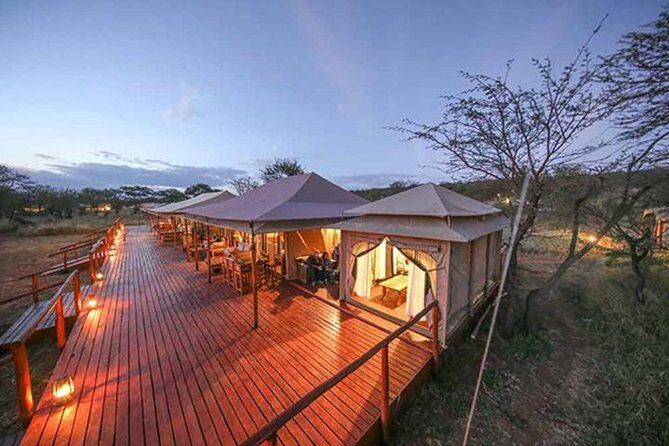
- Walking safari and sundowner add-ons: two “slower” moments that balance the big-game days.
- Private transportation and meals included: park fees, breakfast, lunch, and dinners are handled so you can focus on animals.
The Big Picture: Why This 7-Day Route Works
This tour covers four Tanzanian wildlife zones that fit together surprisingly well: Lake Manyara, Ngorongoro Crater, central Serengeti (Seronera), and north Serengeti around the Mara River. I like routes like this because they avoid the common trap of spending all week in one place and missing out on the signature experiences.
Your schedule also keeps returning themes in mind. You’re repeatedly searching for predators, then shifting into migration-focused game viewing when the action is strongest. Instead of one “migration day,” you get a multi-day run at the Mara crossing—helpful because wildlife doesn’t read itineraries.
A few more Moshi tours and experiences worth a look
Day 1 in Usa River: Simple Transfer, Early Recovery
Day 1 is a transfer from Kilimanjaro Airport to your lodge area in town (Usa River). If your flight arrives late, this first day can feel like a calm reset rather than a packed safari day—and that’s usually a win. You’ll have dinner and overnight, so you start the safari fresh instead of trying to squeeze excitement into jet lag.
This matters because the rest of the trip is timing-heavy. You’ll be up early on multiple mornings, and you’ll thank yourself for having a real first night in the right region.
Lake Manyara National Park: Tree-Climbing Lions and Habitat Surprises
Lake Manyara is famous for variety, and this tour leans into it. You’ll drive to the park for a long game viewing day, with the focus on a place that mixes acacia woodland, rift valley escarpment views, and the lake area—plus the chance for birds and mammals in contrasting habitats.
Here’s what to pay attention to during the drives. In Manyara, the best moments can come when you slow down your scanning: watch the canopy and the upper branches for the climbing-lion possibility. The overall experience is not just about seeing animals—it’s about seeing behavior in the right setting.
You can also expect a good range of sightings, depending on the day. The plan calls out animals like baboon, giraffe, buffalo, elephant, and amazing birdlife. If you enjoy photography, this is the kind of park where the background changes quickly, so your “one good shot” turns into several.
Potential drawback: if you’re obsessed with one specific animal, it helps to stay flexible. Manyara can be incredible, but wildlife is wildlife.
Ngorongoro Crater: The Black Rhino Chance and Big-Mammal Density
Ngorongoro Crater is a different kind of safari day—more concentrated, more dramatic, and usually weather-dependent on the day. You’ll do an early breakfast, then descend into the crater for game viewing across multiple habitats: forest, grassy plains, seasonal water pools, swamps, and riverine areas.
That habitat mix is a big deal. One slope can feel like one world, and a few turns of the vehicle can feel like another. The crater’s reputation comes from the way so many species use the area at once, and this itinerary is built around that reality.
The plan specifically highlights the chance to see big names: lion, rhino (including the black rhino), hyena, jackals, elephant, buffalo, and water birds. The black rhino note is especially important here because it’s the kind of sighting people remember for years. You can’t force it, but spending meaningful time inside the crater improves your odds compared with a quick pass.
After lunch, you move onward to Serengeti. That transition day structure is smart: you get the crater experience fully, then start resetting for the plains and kopjes rhythm of Serengeti.
Serengeti Seronera: Early Mornings for Lions, Cheetah, and Leopard
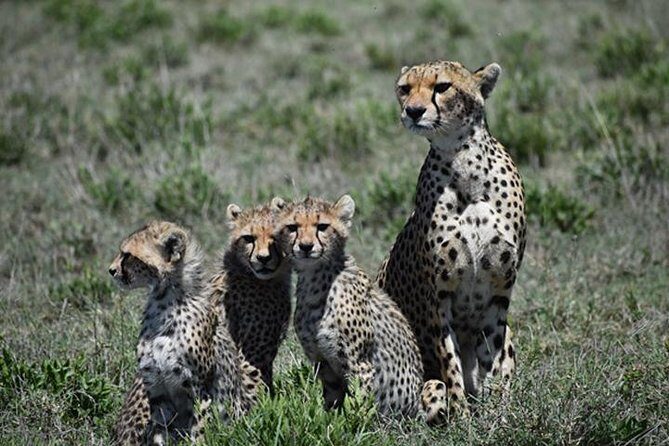
Serengeti is huge, so your success often comes down to where you are at sunrise. On Day 4, you’ll do an early game drive in the Seronera valley, which is presented as one of the best areas for seeing lions. It also calls out cheetah and leopard chances, which is a nice reminder that Serengeti isn’t only about wildebeest.
The terrain here is classic Serengeti: plains, kopjes (those rocky outcrops), and riverine stretches, often with acacia trees dotting the view. This combination helps predators because it gives both cover and sightlines. If you like watching hunting strategies—where they pause, how they position, when they change direction—this is the kind of environment that supports it.
After lunch at camp, you head onward toward north Serengeti. That sets you up for the main act: the Mara River area, where the migration storyline becomes much more intense.
North Serengeti Around the Mara River: Where Waiting Turns Into Action
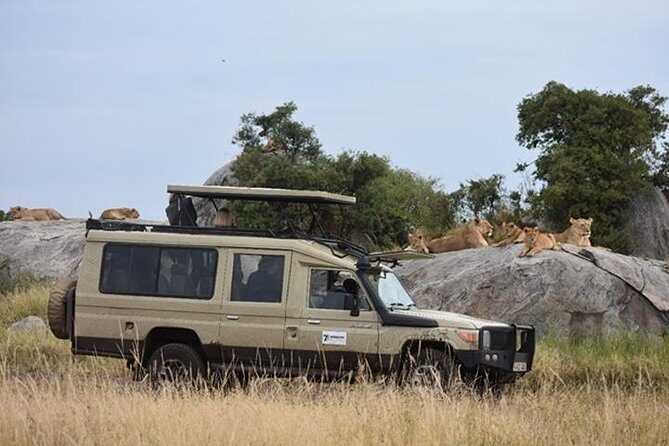
Days 5 and 6 are structured around the Mara River crossing and crocodile drama. The plan repeats the same core idea on purpose: you’re giving yourself more than one shot at the best moments. When migration viewing is limited by timing or water conditions, having a second day in the same region can be the difference between a “nice day” and a “that’s the one.”
Expect long game viewing sessions here—listed around 9–10 hours—with the habitat described as rolling hills, kopjes, plains, and riverine areas. That matters because crossings often look different depending on where the animals are gathering and which river edges hold the most activity.
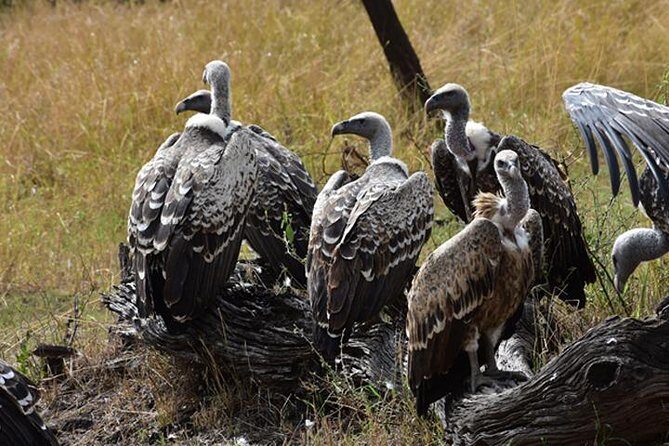
You’re also told to look for predators alongside the herbivore movement: lion, cheetah, leopard, and other possible sightings like rhino, hippo, rock hyrax, giraffe, and reed bucks. This is key for value. Even on days when the crossing action is quiet, the ecosystem still produces plenty of other scenes.
Small note on expectations: one of the realities of the Great Migration is that it’s not always a cinematic wall-to-wall event. Conditions change. If the crossing is delayed or less active, you still want your safari to feel complete—which is why the itinerary includes multiple days and keeps predator viewing in the loop.
Walking Safari and Sundowner: The Best Way to Break Up the Big Days
On Days 5 and 6, you get value-added activities: a walking safari and a sundowner. These are exactly the kinds of extras I recommend, because they interrupt the usual “sit and scan” routine of vehicle-based game drives.
Walking is different. You’re forced to pay attention to sounds, tracks, and smaller movement patterns. Even when you’re not seeing something large instantly, you’ll notice how the ecosystem feels. That also makes later vehicle sightings more satisfying, because you’ve already started “reading” the area.
The sundowner typically pairs well with predator timing too, since many animals shift behavior as the light changes. It’s one of those “stop rushing” moments that keeps the trip from feeling like a checklist.
Day 7 by the Mara River: Final Crossing Checks and Flight Out
Day 7 starts with a morning game drive around the Mara River, again looking for crossing activity. After that, you’ll head to the airstrip for your flight to town. Then you’ll be taken to your hotel for day room use before you connect your flight home.
This is a smart finish for two reasons. First, it gives one last chance at fresh migration movement. Second, it protects your departure day from feeling chaotic—no last-minute scrambling right after long game drives.
If you’re the type who wants one “final look” before leaving the Serengeti region, this works well. It’s not just transport—it’s one more morning to see what the river decides to do.
Private Transportation and Long Drives: Comfort, Timing, and Sanity
This is a private tour/activity, so it’s only your group participating. That matters in safari country because you get less wasted time negotiating viewpoints with other vehicles. You also tend to move at a pace that your guide controls, which helps when wildlife behavior shifts quickly.
Private transportation also supports the itinerary’s day structure. You’ll be doing long game viewing blocks and multiple park changes. That is not a “quick hop” trip. It’s more like seven days of being driven through prime habitat and being guided through decisions about where to look next.
The itinerary also includes pickup from Kilimanjaro Airport, and it mentions a mobile ticket. In practice, I’d treat that as a sign the basics are handled—confirm your pickup details and your arrival time so Day 1 can run smoothly.
Price and Value: What $3,538.47 Buys You (and What It Doesn’t)
At $3,538.47 per person, this safari sits in the premium range. The value comes from the structure: private transportation, park fees and taxes handled, and all meals included (breakfast 6 times, lunch 6 times, dinner 6 times).
That’s not a small thing. Safari costs can add up quickly once you factor in entrance fees and daily transport. Here, the tour packages those core costs so you can budget for tips and personal spending without surprises.
Another value point: the itinerary repeatedly targets high-interest zones rather than treating Serengeti as one big generic area. Many safaris claim they cover “the migration,” but this one spreads migration-focused time across multiple days and adds extras like walking safari and sundowner.
What’s not included is tips. That’s normal for Tanzania tours, and you should plan for it. Your other likely out-of-pocket costs are personal items and drinks, since the data only lists meals and included fees.
Possible downside at this price: you’re paying for a lot of driving time and a lot of game viewing effort. If your ideal safari is short and relaxed, this schedule might feel like hard work. If your ideal safari is time on the ground chasing the right scenes, you’ll likely feel the money was spent in the right places.
Guides and The Human Touch: Why It Can Make or Break the Day
The plan is clearly guide-led, and the name Jose shows up as an example of the kind of guide who can change your day. The highlight was spotting animals from extremely far distances and having strong knowledge about wildlife. There’s also an emphasis on listening to what you want each day.
That’s a big deal with game viewing. Two vehicles can cover the same area and get very different results. A sharp guide helps you read animal behavior and decide when to stay put versus reposition.
I also liked the mention of Evelyn in how the safari was organized and communicated. It suggests responsive planning, which matters when you’re coordinating flights, transfers, and early starts.
Who This Safari Fits Best
This tour is best for you if:
- You want multiple regions (Manyara, Ngorongoro, and Serengeti) rather than one area.
- You’re serious about the Great Migration and want more than one day trying for the Mara River crossing.
- You like a mix of vehicle game drives plus at least one slower moment with the walking safari and a sundowner.
It may not be your best choice if:
- You hate long days on the road (8–10 hours is common here).
- You need a guaranteed migration spectacle. The Mara crossing can vary based on conditions, and one missed highlight can feel frustrating in a premium-priced trip.
Should You Book This 7-Day Manyara–Ngorongoro–Mara Safari?
If your top goal is a classic Tanzania sampler with real “big moment” hunting, I think this is a strong booking option. The combination of tree-climbing lions, the black rhino chance, and a multi-day Mara River strategy gives you more chances to hit the highlights than a short, single-day migration gamble.
If you do book, set expectations for wildlife honestly: you’re buying time, expertise, and positioning—not a guaranteed river show. If the weather affects travel or game viewing, the tour notes a backup plan of offering another date or a full refund, which is reassuring.
My final advice: book this style of safari if you want effort and payoff. Skip it only if you’re looking for a light, flexible vacation schedule with minimal driving.
FAQ
How long is the safari?
The experience runs for 7 days.
Where does this safari start?
It starts at Kilimanjaro Airport, Tanzania, with pickup offered, and it’s based around Moshi/Usa River for the lodge transfer.
Is this tour private?
Yes. It’s a private tour/activity, so only your group participates.
Are meals included in the price?
Yes. Breakfast (6), Lunch (6), and Dinner (6) are included.
What’s included besides meals?
The price includes all fees and taxes, private transportation, and admissions as listed in the itinerary.
Are tips included?
No. Tips are not included.
Does the tour include a walking safari and sundowner?
Yes. Walking safari and sundowner are listed as value-added activities on the Serengeti Mara River days.
What happens if weather is poor?
If the experience is canceled due to poor weather, you’ll be offered a different date or a full refund.