Flamingos and crater rhinos in five days. This 5-day Big Five lodge safari links three Northern Circuit stops from Moshi, giving you a tight loop of lakeside birds, Serengeti plains, and a wildlife-heavy crater.
I especially love the small group size (up to 2 people) and the way your guide can keep the pace practical and flexible, something I saw praised with guides like Antony and Michael. I also like how the schedule builds in real viewing time—open-roof drives early and late—rather than rushing past the good stuff. One drawback to plan for: you’re not guaranteed to spot every Big Five animal, even on a well-run itinerary.
In This Review
- Key Things That Make This Safari Work
- Moshi Pickup, Mobile Ticket, and the Small-Group Advantage
- Lake Manyara National Park: Flamingos, Baboon Troops, and Tree-Climbing Lions
- Serengeti After the Early Drive: Plains Views and Migration-Season Logic
- A Full Serengeti Game Drive Day: Following the Rain-Cycle
- Ngorongoro Conservation Area: Caldera Views and Predator Chances
- Ngorongoro Crater Descent: Big Five Odds and a One-Floor Wildlife Day
- Price and What You’re Actually Paying For
- Lodges, Comfort, and the Authentic Feel People Notice
- Why the Guide’s Style Matters (Antony and Michael as Examples)
- Who This Safari Suits Best
- Should You Book the 5-Day Big Five Lodge Safari With Bujo Tours?
- FAQ
- What parks are included in this safari?
- Does the tour include pickup from Moshi?
- Is a mobile ticket provided?
- How long is the safari?
- What meals are included?
- Are park admission tickets included?
- What should I budget for that is not included?
- What is the maximum group size?
Key Things That Make This Safari Work
- Three parks, one flow: Lake Manyara, Serengeti, then Ngorongoro, with driving time built into the rhythm.
- Open-roof game viewing: You’re set up for better spotting and photos without glass between you and the action.
- A full Serengeti day: Not just a drive-through; you get an actual game-drive block to search for predators and herds.
- Ngorongoro rim sunset potential: Your lodge stay may be on/near the crater rim, setting you up for a strong view.
- Big Five focus at Ngorongoro: The crater is where you’re most likely to connect multiple animals in one concentrated area.
Moshi Pickup, Mobile Ticket, and the Small-Group Advantage
This tour starts at 9:00am and uses pickup from your hotel in Moshi, which matters because early departures are when wildlife is most active. You’ll also get a mobile ticket, which keeps things simple once you arrive.
The biggest practical win is that it’s limited to 2 travelers. That changes the feel of the trip. You’re not competing for window seats, and the guide can adjust where you spend time without a big group crowding the route. In safari terms, it’s the difference between “watching” and “working the sightings.”
A few more Moshi tours and experiences worth a look

Lake Manyara National Park: Flamingos, Baboon Troops, and Tree-Climbing Lions
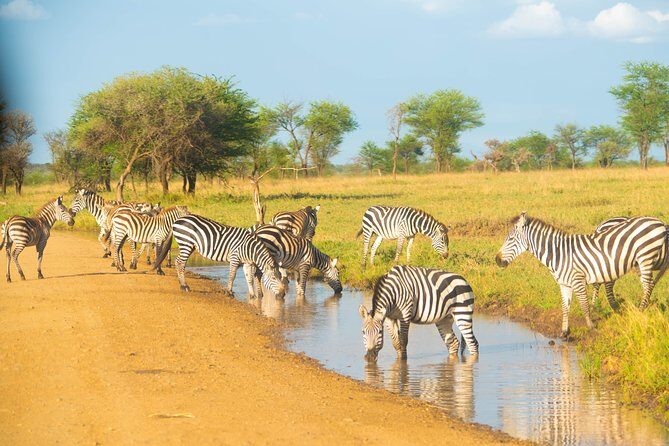
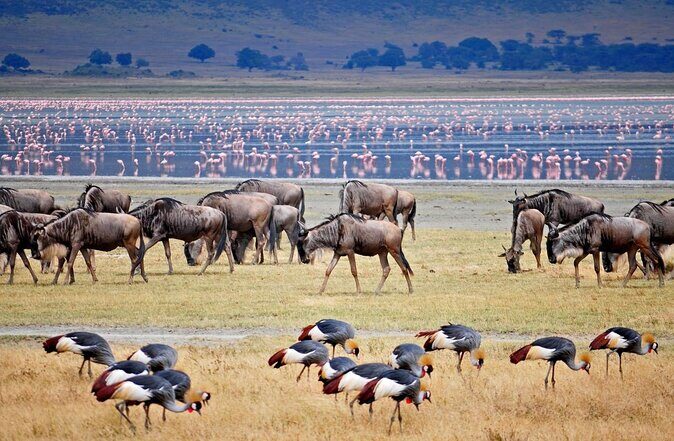
Day 1 takes you to Lake Manyara National Park, a smaller park where the habitats stack up in a way that’s fun to watch from the vehicle. You’ll roll out in the morning and learn why this place is famous for birds: a shallow alkaline lake that draws in serious waterfowl numbers, including hundreds of flamingos at times.
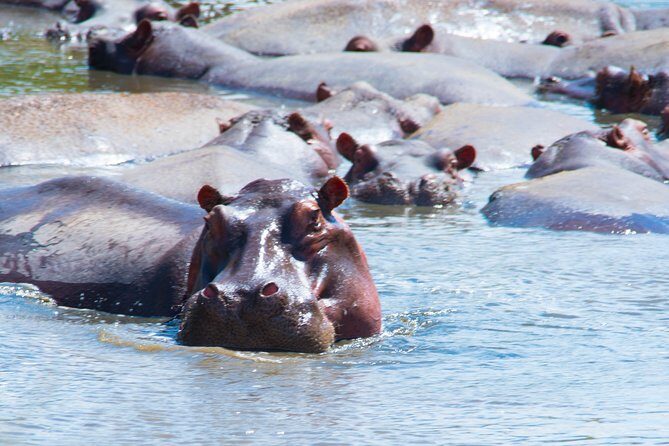
What I’d aim to notice here is the mix of behaviors. You can see elephants, large troops of baboons and monkeys, and even the famous tree-climbing lions if conditions and luck line up. The park also offers “easy spotting” animals like giraffes and warthogs, plus hippos and buffaloes if you’re scanning wetlands and edges.
Timing note: Lake Manyara’s best sightings often come when you’re moving early and staying alert. This day is built for that, and the use of an open-roof safari vehicle helps you keep eyes up and ears on.
Serengeti After the Early Drive: Plains Views and Migration-Season Logic
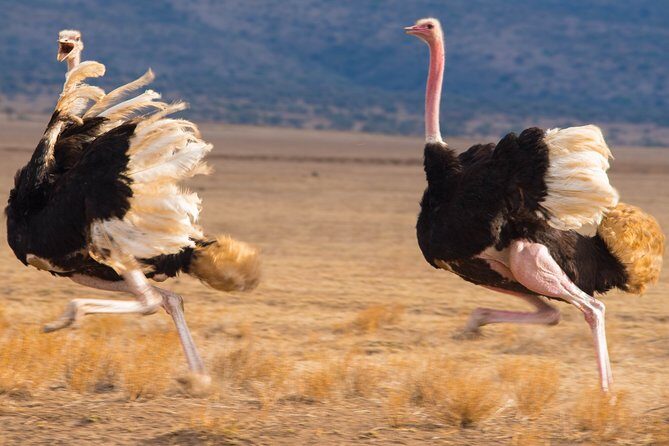
On Day 2, you head toward the Serengeti after breakfast. The drive includes crop-country scenery—wheat, corn, and coffee fields—and you’ll also hear the meaning behind the word Serengeti (linked to the Masai language for plains).
Once you reach the park, you’re in a huge world of different surfaces: short-grass plains, thick bush, swamps, lakes, and more. This is the key point for you: the Serengeti isn’t one “look.” It’s a set of habitats, and your guide’s job is to match your drive route to what animals are doing that day.
The itinerary also highlights something useful for planning: migration timing shifts with rainfall. During the short rainy season (November and December), herds move north to south. During the longer rainy season (April to June), they move back up north. That doesn’t guarantee a specific herd on your exact day, but it does mean your guide isn’t just guessing—they’re responding to seasonal movement patterns.
A Full Serengeti Game Drive Day: Following the Rain-Cycle
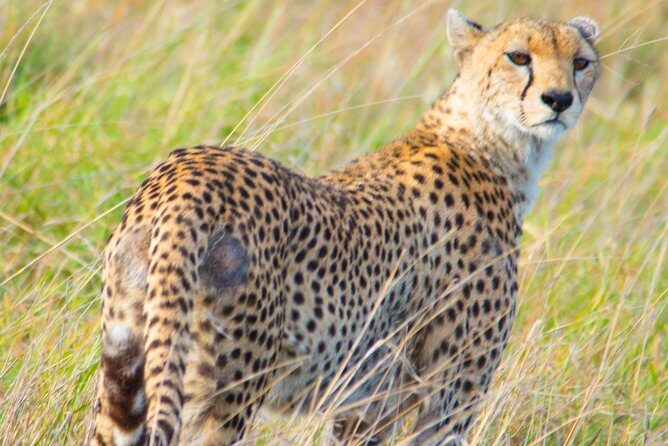
Day 3 is a full game-drive day in the Serengeti. This is where the safari stops being a “highlight tour” and becomes a real search. The idea is simple: during rainy seasons, the herds shift, and predators often track them. Your guide’s knowledge (and their willingness to look around) can make a big difference in what you see.
The tour also mentions the Serengeti Visitor Centre as a possible stop. Even if you don’t linger, it’s a nice way to add context for what you’re watching—history of the park and research work connected to the Frankfurter Zoological Society. If you like understanding why the ecosystem behaves the way it does, this is worth the pause.
This day also tends to feel long in the best way. You’ll spend a full block out in the park, then return to the lodge for another night, letting your body reset before the crater day.
Ngorongoro Conservation Area: Caldera Views and Predator Chances
Day 4 shifts you toward the Ngorongoro Conservation Area. After lunch at a picnic spot, you slowly drive in the direction of the Ngorongoro Crater and build anticipation as the caldera comes into view.
The crater’s setting matters. This UNESCO World Heritage area holds over 20,000 animals, so you’re not just going to a “viewpoint.” You’re heading into a wildlife system that works like a bowl—animals gather, spread out, and return to predictable places over time.
The tour points out that during the dry season, animals often gather around waters, which can improve your odds for predator activity. You might see hunts or stalking moments if timing lines up. Even if you don’t, you’ll still get the drama of the caldera itself—one of those places where the scenery is tied directly to animal behavior, not just photos.
Your lodge stay on this night may be on or near the crater rim, and that’s a practical advantage. You save time the next morning, and you can catch that sunset light over the crater without an extra scramble.
A few more Moshi tours and experiences worth a look

Ngorongoro Crater Descent: Big Five Odds and a One-Floor Wildlife Day
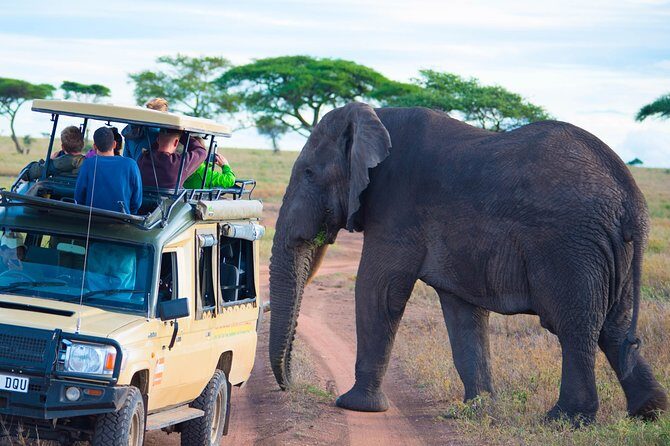
Day 5 is the money day: rise early, breakfast, then drive down into Ngorongoro Crater via a steep descent. The crater is described as the largest, unbroken caldera in the world, and the wildlife concentration is the point.
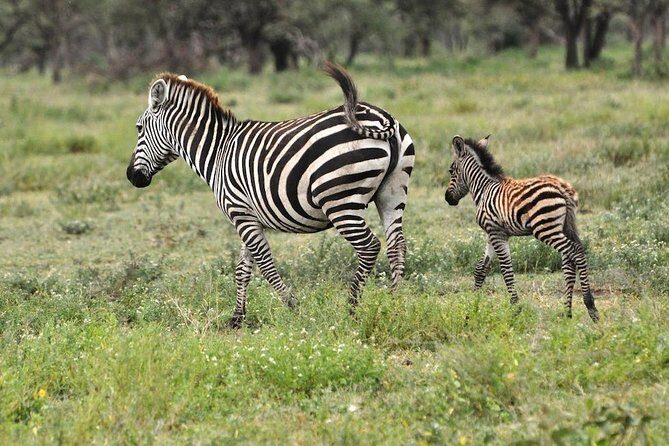
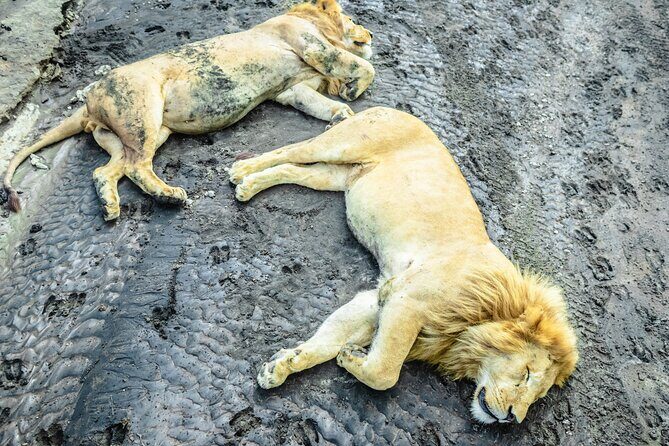
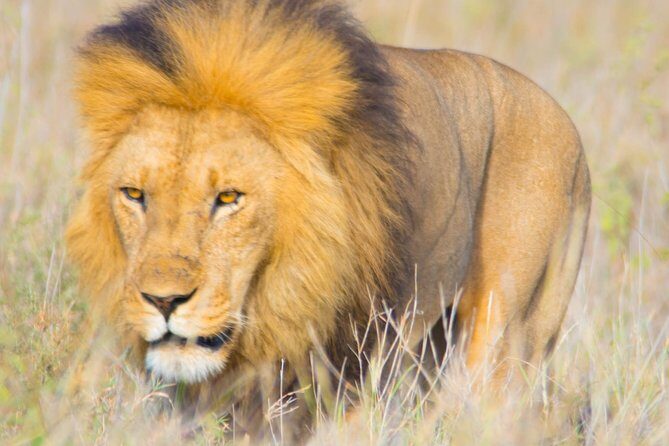
This is where the “Big Five” focus gets real. The itinerary calls out zebras, the rare black rhino, and the Big Five animals (lion, elephant, buffalo, rhino, leopard). You’ll also see hyenas, waterbucks, bushbucks, eland, and more than 500 bird species—so even if your Big Five list isn’t perfectly checked, the day stays packed.
One practical tip: don’t treat the crater day like a checklist race. Treat it like a scanning day. In a place this concentrated, the best viewing moments often come when you wait for animals to move toward you or when they shift position. Your guide can help with where to look, but your eyes still do the final work.
After a long drive and picnic lunch, you leave the crater in the early afternoon and head back toward Moshi/Arusha, arriving in the early evening.
Price and What You’re Actually Paying For
At $2,309.54 per person, this isn’t a budget safari. You’re paying for a five-day, three-park itinerary with guided game drives, park access for the days noted as included/free, and a lodge-based overnight plan.
What makes it feel like better value is that the core wildlife time is protected. You don’t just “get a transfer.” You get repeated time on the ground in Serengeti and an intense crater day. Also, the small group limit (max 2) can lower the social friction you get on larger trips and improves the odds of a responsive guide.
The meals included help too: the tour lists breakfast on four mornings, lunch on five days, and dinner on four nights. That matters because safari days are long, and food costs add up fast when you’re on the move.
What you should budget for separately is also clear: tips, personal expenses, visa fees, flights, and alcoholic and soft drinks. The tour also recommends having the right immunization documentation for visa processing on arrival, with yellow fever called out.
Lodges, Comfort, and the Authentic Feel People Notice
The itinerary uses the phrase “lodge” for every overnight, and one part that stands out is that the Ngorongoro night may be on/near the crater rim. That’s the kind of detail that can change your day. It reduces morning travel time and gives you a better shot at enjoying the crater at light that makes animal viewing easier.
In the feedback I saw, people also liked the accommodations as both great and authentic. I’d take that as a sign that you’re not being warehoused in a standard tourist hotel. Instead, you’re sleeping where the safari day makes sense—close to where you need to be for game drives.
Why the Guide’s Style Matters (Antony and Michael as Examples)
This itinerary lives or dies with guiding. The tour leans on your driver/guide to track animal movement and get you into position. In feedback, guides like Antony and Michael were praised for being on time, answering questions, and keeping the driving flexible.
One neat detail: one review specifically said the driver could foresee animals’ movements, which is exactly what you want. Animal spotting isn’t only about being lucky. It’s about knowing where animals usually travel, how they react when vehicles arrive, and when to adjust the route to match what you’re seeing.
So if you book, pay attention to how your guide plans the day. Ask quick questions before each game drive: where they expect activity, what they’re watching for, and whether there are any areas they want to try based on the time of day.
Who This Safari Suits Best
This tour fits best if you want a classic Northern Circuit rhythm without feeling rushed. It’s a great match for:
- You if you care about multiple park types: lake wetlands, open plains, and crater concentration.
- You if you like having real time in the Serengeti, not just one short drive.
- You if you prefer a quieter group setup (max 2 travelers).
If you’re chasing a specific Big Five combination, you should still book with flexible expectations. Even strong schedules can’t force rhinos to appear on cue. The crater can be extremely productive, but nature stays nature.
Should You Book the 5-Day Big Five Lodge Safari With Bujo Tours?
I think you should book if your priority is animal time and park variety, with a guide who can adjust to what the day offers. The value isn’t just the parks—it’s the way the days are structured: morning viewing, full Serengeti coverage, and a concentrated Ngorongoro crater day.
I’d hesitate only if you’re trying to guarantee sighting of every Big Five species. This kind of safari is more about connecting with what’s active today than hitting a perfect checklist. If that sounds like your style, this is a strong, well-paced way to experience Tanzania from Moshi.
FAQ
What parks are included in this safari?
You’ll visit Lake Manyara National Park, Serengeti National Park, and the Ngorongoro Conservation Area / Ngorongoro Crater.
Does the tour include pickup from Moshi?
Yes. Pickup is offered, and you’re picked up from your hotel to start the safari days.
Is a mobile ticket provided?
Yes, the tour includes a mobile ticket.
How long is the safari?
It runs for 5 days (approx.).
What meals are included?
The tour lists breakfast (4), lunch (5), and dinner (4) as included.
Are park admission tickets included?
Admission tickets are listed as free for Day 1 through Day 4, and the Day 5 admission ticket is included.
What should I budget for that is not included?
The tour notes that tips, personal expenses, visa fees, flights, and alcoholic and soft drinks are not included. It also mentions immunization documents for visa processing on arrival, with yellow fever recommended.
What is the maximum group size?
This activity has a maximum of 2 travelers.