REVIEW · MOSHI
4 Days Tanzania Safari
Book on Viator →Operated by Wildgem Expeditions · Bookable on Viator
Four days, three iconic parks, one wild rhythm. From Moshi, this safari route strings together Tarangire elephant country, Serengeti predator territory, and the dramatic Ngorongoro Crater for a tight wildlife punch. You get picked up at Kilimanjaro Airport, spend your days on game drives, and return to your lodge each night without needing to plan park logistics.
Two things I really like: first, the itinerary is built around real animal concentrations, not just driving past scenery. Tarangire’s river-and-swamp pull, Serengeti’s predator chances in places like Seronera Valley, and Ngorongoro’s dense crater wildlife give you multiple angles for sightings. Second, the price structure looks practical because it includes accommodation, park entrance fees, and most meals—so you’re not doing surprise math while you’re in the bush.
One possible drawback to consider: this is a compact 4-day plan, so the pace can feel full-on. Also, sightings depend on conditions, and the tour notes it requires good weather, so you’ll want flexibility in your expectations.
In This Review
- Key highlights at a glance
- Moshi base and Kilimanjaro Airport pickup: you start planning with time in mind
- The real value of this 4-day safari price
- Tarangire National Park: elephants, baobabs, and river wildlife magnets
- Serengeti arrival: using the Rift Escarpment crossing for big-sky atmosphere
- Serengeti game drives: sunrise scanning and the predator chances around Seronera Valley
- Ngorongoro Crater: the 600m descent and a picnic lunch with hippos
- Lodging and meals: built for energy, not comfort surprises
- Group discounts, private focus, and what that changes for your day
- Who this safari is best for
- Should you book this 4 Days Tanzania Safari from Moshi?
- FAQ
- Where does the safari start?
- Is pickup offered?
- What is included in the tour price?
- Are park entrance fees included?
- How many meals are included?
- Is this a private safari?
- Does the tour depend on weather?
- What is the cancellation window?
Key highlights at a glance
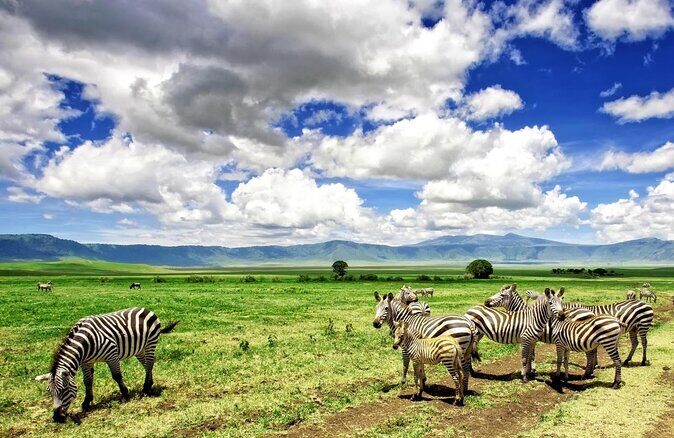
- Tarangire’s elephant herds along the Tarangire River and swamps, plus rare species like Greater Kudu and Fringed-eared Oryx
- Serengeti game drives twice a day, including a morning pre-breakfast sunrise drive
- Seronera Valley as a predator-focused zone, where lions, leopards, cheetahs, and hyenas are commonly targeted
- Ngorongoro’s 600m descent for crater wildlife, including black rhinos
- Picnic lunch at Ngoitokitok springs, with hippos coming and going near the small spring lake
- A professional team setup reported as skilled and service-oriented, including named support staff Marcus, Junior, and Lina
Moshi base and Kilimanjaro Airport pickup: you start planning with time in mind
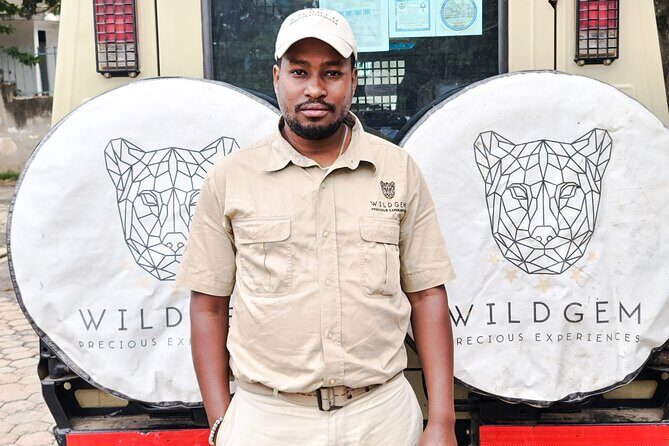
This safari is organized around Moshi, and your starting point is Kilimanjaro Airport. That matters because it reduces the need for complicated transfers on your first day, and it also helps you land, meet your team, and begin the safari rhythm without delay.
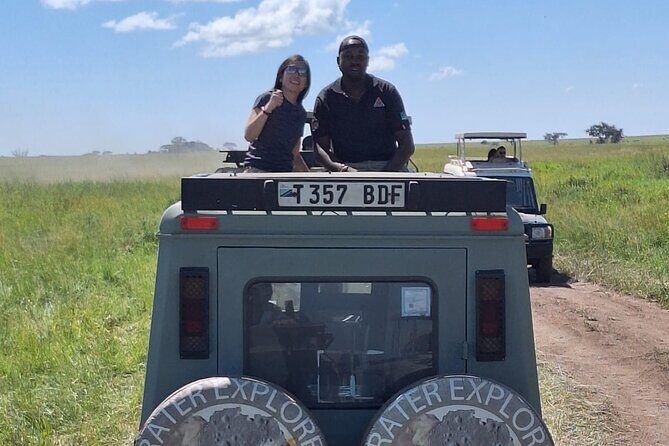
You’re also not stuck in an open-to-everyone group scenario. The tour is described as private for your group, so the schedule and experience typically feel more controlled than a big bus-style tour. If you’re traveling with friends or family and want to move as one unit, this format usually feels easier.
One small practical note: because the itinerary keeps driving days long enough to reach multiple parks, you’ll want to pack light, keep essentials handy in your day bag, and accept that you’re trading “free time” for animal time.
A few more Moshi tours and experiences worth a look

The real value of this 4-day safari price
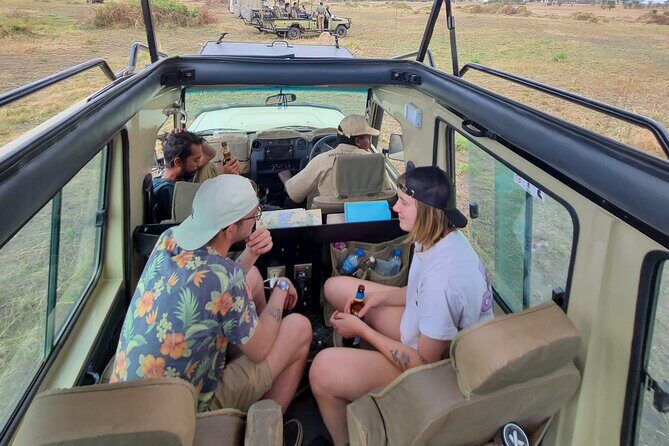
At about $2,750.30 per person, this isn’t a budget safari. But it isn’t just a bare-bones ticket price either. What I like about the value is what’s included: accommodation, all park entrance fees, four breakfasts, three dinners, and four lunches.
That’s the part that usually gets you on safari budgeting. Park fees and driving logistics can add up quickly once you piece things together yourself, especially across multiple destinations. Here, those costs are bundled, and that typically lets you focus on enjoying the drives instead of constantly checking what’s still unpaid.
Also, tips for the driver guide and cook are listed as not included. That’s normal in Tanzania, but it means you should plan a little extra cash for gratitude and good service.
If you care about the most authentic experience—animals first, admin second—this kind of packaged setup tends to be the right match.
Tarangire National Park: elephants, baobabs, and river wildlife magnets
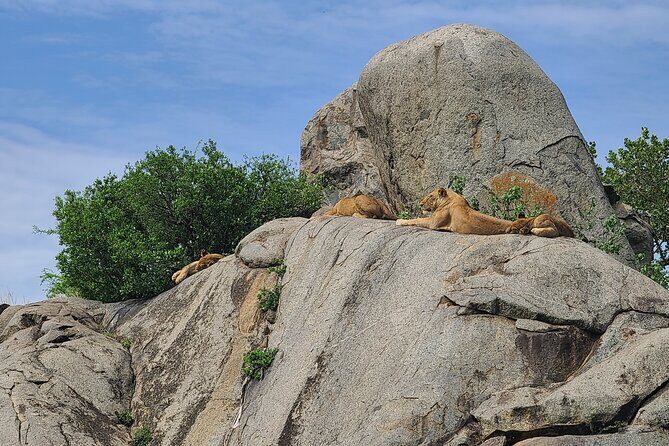
Day 1 is built for Tarangire National Park, a park strongly shaped by water. It runs along the Tarangire River and includes low-lying hills on the Rift Valley floor, plus acacia woodland, giant baobabs, and swamp areas.
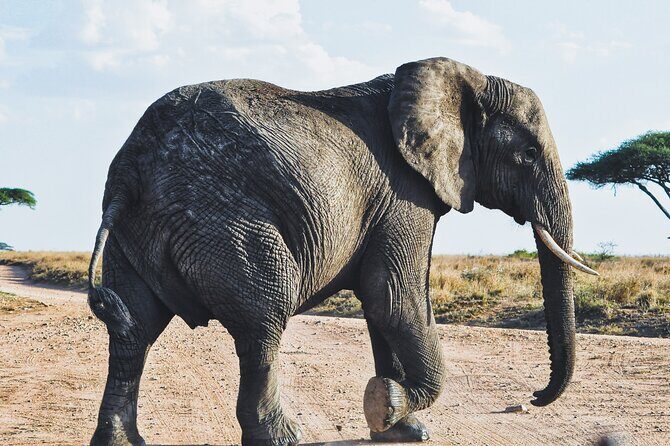
Why this matters for you: in Tanzania’s dry season, the river and swamps act like a magnet for wildlife. That’s when elephants often show up in bigger numbers, and the park is reputed for some of the largest elephant herds in Africa.
After breakfast, you depart with lunch boxes, then enjoy an afternoon game drive before heading to your lodge for the night. That structure is smart. You don’t waste Day 1 trying to do everything in one go; you reach the park, then you start scanning for wildlife when the light and animal activity are often favorable.
Tarangire also has a reputation for rare or less-common species. The route specifically calls out Greater Kudu and Fringed-eared Oryx, plus Ashy Starlings. Even if you’re mainly chasing big mammals, those names hint that your guide will likely be looking beyond the easiest targets.
Potential drawback: Tarangire can be fantastic, but it’s also popular with safari traffic. Your best defense is a patient guide and a willingness to scan longer. If you go in with the attitude that great sightings aren’t instant, you usually do better.
Serengeti arrival: using the Rift Escarpment crossing for big-sky atmosphere
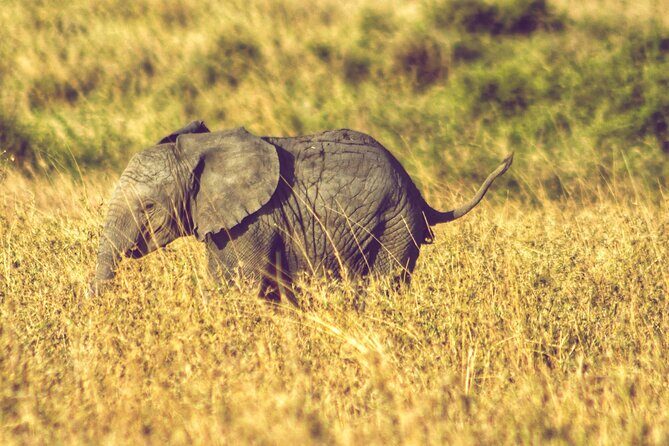
On Day 2, you move from Tarangire toward Serengeti, starting shortly after breakfast. The drive includes a scenic route up the Rift Valley escarpment, and it also notes crossing through the Ngorongoro Conservation Area Authority en route.
Even without “extra stops,” that kind of geography change often affects the whole feeling of your safari. You go from one ecosystem’s rhythm to another, and Serengeti tends to feel open and far-reaching—perfect for spotting animals at distance and letting your mind relax into the scale of the place.
You’ll reach Serengeti for dinner and overnight at your lodge, so Day 2 is more about the transition than about stacking long game-drive hours. If you want a safari that isn’t completely exhausting from the first morning, this is a good pacing choice.
Serengeti game drives: sunrise scanning and the predator chances around Seronera Valley
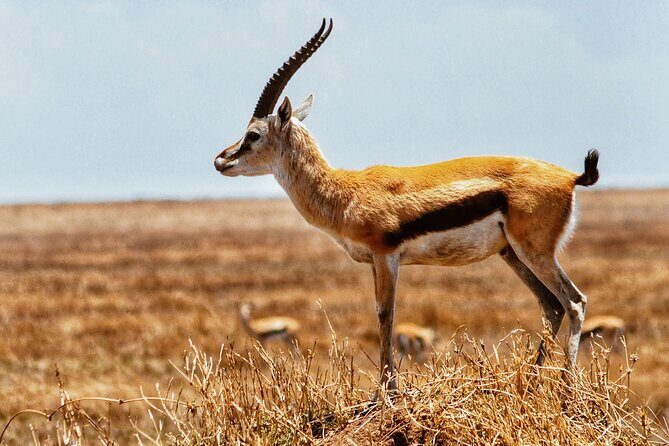
Day 3 is where Serengeti really turns the volume up. You get two game drives: a sunrise game drive before breakfast (around 1–2 hours), then breakfast, packed lunch boxes, and an afternoon and evening drive across the plains.
That sunrise timing is key. You’ll often get better light for spotting fur and movement, and animals can be more active when the day is still cool. Then the afternoon/evening drive helps extend your chances for predators, which can shift hunting patterns as temperatures change.
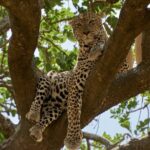
The route specifically highlights Seronera Valley as a strong area for spotting large predators like lions, leopards, cheetahs, and hyenas. You won’t control where animals are, but you can control whether your guide has a strategy. Having a targeted predator zone in your plan usually improves your odds of meaningful sightings.
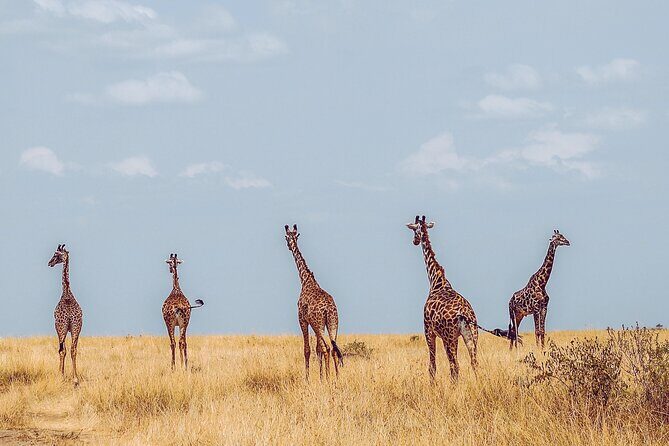
And it’s not only predators. Serengeti is described as having elephants, zebras, giraffes, and wildebeest on any given day. That range matters because you’re not “locked” into only one type of sighting. Even if the big cats are quiet in a specific moment, you can still build a full safari day with different species and behaviors.
One consideration: Serengeti is immense. That’s thrilling, but it also means your experience depends on where you drive each day and what animals are doing. Go in expecting some hours to be lots of scanning, not instant reward.
A few more Moshi tours and experiences worth a look
Ngorongoro Crater: the 600m descent and a picnic lunch with hippos
Day 4 centers on Ngorongoro Crater, starting with breakfast and then a descent of about 600 meters into the crater. That drop is not just dramatic for photos—it puts you in a compact, bowl-shaped habitat where wildlife density can be incredibly high.
The route estimates around 30,000 wild animals in the crater and calls out some of Tanzania’s last remaining black rhinos. It also notes dense predator populations, including lion, cheetah, and leopard.
You’ll enjoy a morning half-day game drive, which is often a smart time window for Ngorongoro. Animals can be easier to spot as they move through cooler conditions, and the terrain gives you consistent viewing opportunities from vehicle pull-offs.
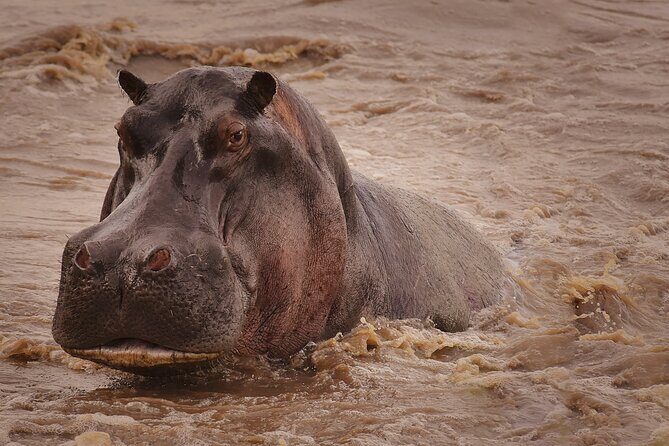
For lunch, you’ll have a picnic at Ngoitokitok springs, watching hippos in and out of the small spring lake inside the crater. That detail is the kind that makes this stop feel different from the surrounding parks. You’re not just chasing sightings; you’re watching animals do their everyday routines in a very specific spot.
After lunch, you’ll have an afternoon game drive, then ascend out of the crater and return to Moshi for drop-off. That final timing is helpful because you don’t end the safari with a chaotic late-night drive right into an airport day.
Lodging and meals: built for energy, not comfort surprises
Accommodation is included according to the itinerary, and it’s one of the areas where the feedback trend is positive. People describe the lodge spots as excellent, and that lines up with what I’d want from a safari that’s about animals first.
Meals are also handled: four breakfasts, three dinners, and four lunches are listed as included. On safari, that’s more important than it sounds. Eating well keeps you alert during long drives and reduces the chance you end up hunting for snacks in unfamiliar places.
You’ll also carry lunch boxes on park days, so you can stay on schedule. And the Day 4 picnic lunch at Ngoitokitok springs adds a memorable change of pace from standard boxed meals.
If you’re someone who hates last-minute planning, this “food and lodging are arranged” setup should feel like a relief.
Group discounts, private focus, and what that changes for your day
The tour notes group discounts and also says the activity is private for your group. That combination usually means the provider still builds pricing as a packaged experience, but your actual time on the road is tailored to your group.
Private doesn’t mean luxury. It means fewer distractions, and typically better communication with the driver guide during the drive. It also means you can ask more focused questions and adjust your preferences—like where you want extra time—if conditions allow.
The mobile ticket feature can also simplify things for you before you arrive. Just make sure you keep your confirmation details accessible on your phone and/or printed.
Who this safari is best for
This 4-day Tanzania safari suits you if you want the classic wildlife hits without spending a week doing only one park at a time. You get Tarangire for elephants and unique species, Serengeti for big-cat chances and wide-open viewing, and Ngorongoro for crater density and black rhinos.
It’s especially good for:
- First-timers who want a strong introduction to northern Tanzania wildlife circuits
- People who like structured days with game drives and meals handled
- Small groups who prefer a private setup over a large shared group
It might be less ideal if you want a super-relaxed pace or if you’re deeply focused on one specific species. A tight itinerary means trade-offs.
Should you book this 4 Days Tanzania Safari from Moshi?
I think it’s a solid book for the right traveler. If you want a 4-day route that hits Tarangire, Serengeti, and Ngorongoro with a schedule that protects your game-drive time, this plan makes sense. The included park fees and most meals are also a real value point at this price, because those are the costs that often balloon when you plan your own circuit.
I’d only hesitate if you hate driving days, know you’re sensitive to packed schedules, or you need guaranteed sightings. Wildlife is never guaranteed, and the tour explicitly depends on good weather.
If you can handle a fast pace and you’re going for animal time over downtime, this is the kind of safari that can leave you talking about lion tracks, elephant herds, and that crater moment for a long time.
FAQ
Where does the safari start?
The meeting point is Kilimanjaro Airport in the Kilimanjaro National Park area.
Is pickup offered?
Yes. Pickup is offered, and the start point is Kilimanjaro Airport.
What is included in the tour price?
The tour includes all accommodation according to the itinerary, all park entrance fees, four lunches, three dinners, and four breakfasts.
Are park entrance fees included?
Yes. All park entrance fees are included.
How many meals are included?
You’ll receive four lunches, three dinners, and four breakfasts during the 4 days.
Is this a private safari?
Yes. It’s listed as private, meaning only your group participates.
Does the tour depend on weather?
Yes. The experience requires good weather, and if it’s canceled due to poor weather, you’ll be offered a different date or a full refund.
What is the cancellation window?
You can cancel for a full refund up to 24 hours before the experience’s start time. If you cancel less than 24 hours before, the amount you paid is not refunded.