REVIEW · ARUSHA
05 Days Tarangire, Serengeti, Ngorongoro and Lake Manyara
Book on Viator →Operated by Crater explorer tours and safaris · Bookable on Viator
Five days across Tanzania’s big cat country. This safari lines up sunrise and sunset game drives across Tarangire, Serengeti, Ngorongoro, and Lake Manyara, with smart driving between areas so you spend more time watching wildlife than sitting around.
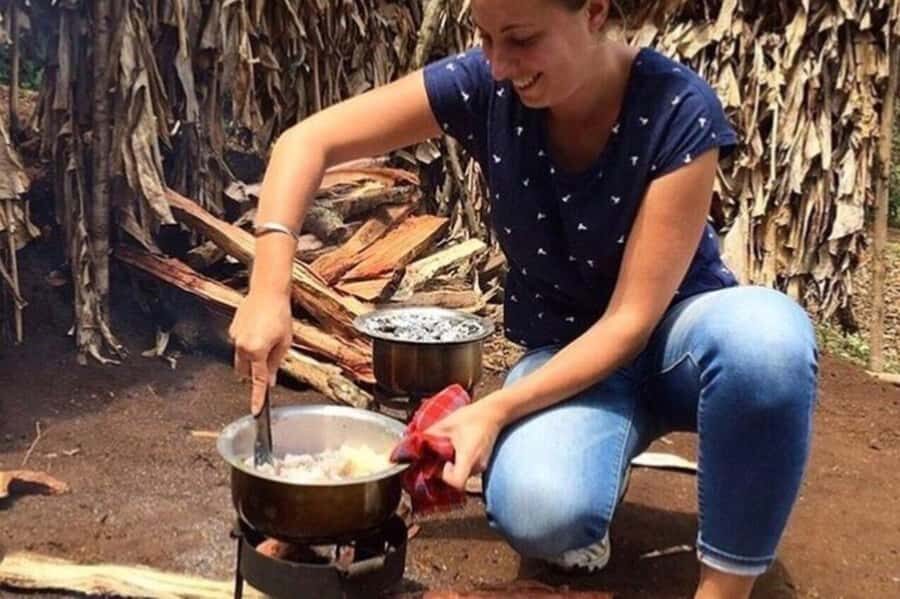
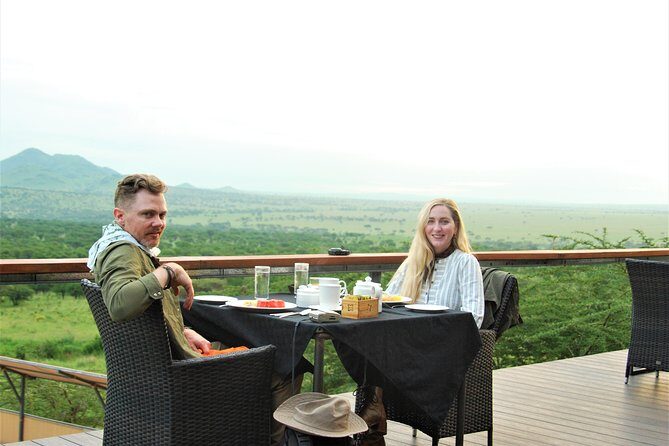
I especially like the way the trip takes care of your day rhythm. Chef Emanuel and the team handle meals with breakfast each morning, picnic-style lunch boxes, and dinners—so you’re not hunting for food after long drives.
One consideration: the schedule is full. You’re up early, you’ll do long stretches in the vehicle, and you’ll often overnight at a campsite outside the parks—great for access, but not for anyone craving slow, lazy mornings.
In This Review
- Key highlights to look for
- Five Parks, One Practical Route: What This Safari Really Delivers
- Price and Value: Is $1,180 Fair for What You Get?
- Getting Going From Kilimanjaro Airport: Timing and How the Trip Moves
- Day 1 in Tarangire: Full Game Drive and a Campsite Outside the Park
- Day 2 into Serengeti: Ngorongoro Conservation Area to Naabi Hills Gate
- Day 3: Sunrise Predators in Ngorongoro Conservation Area, Then Back Toward Serengeti
- Day 4: Ngorongoro Crater Descent for a Focused 6-Hour Safari
- Day 5: Lake Manyara Full-Day Viewing, Then Back to Arusha by 5 pm
- Your People Matter: Drivers, Emmanuel, and the Food Factor
- What to Pack (So These Days Feel Easier)
- Who This Safari Fits Best (And Who Might Prefer Something Else)
- Should You Book This 5-Day Tarangire, Serengeti, Ngorongoro & Lake Manyara Safari?
- FAQ
- What is the total duration of the safari?
- How much does the safari cost per person?
- Where does the safari start and what time?
- Is this a private tour?
- Are park admission tickets included?
- Can I cancel and get a full refund?
Key highlights to look for
- Sunrise game drives in the Ngorongoro Conservation Area, timed for predator chances
- Serengeti sunset viewing after a day that includes a stop at Naabi Hills gate for lunch
- Crater day logistics planned around a morning descent for a focused crater safari
- Picnic lunch boxes included, collected on the move so you don’t lose game-drive time
- Admission ticket coverage listed as free for most days, with the Ngorongoro Crater admission marked included
- Private tour feel with pickup offered and only your group participating
Five Parks, One Practical Route: What This Safari Really Delivers
This is the kind of safari you do for momentum. In five days, you cover four major wildlife zones plus the famous crater area, so you get a mix of scenery and animal behavior instead of repeating the same type of drive.
What makes this route feel efficient is the way the timing is built around animal activity. Days include early starts and late-afternoon positioning, which matters because animals tend to move more at cooler hours and you’ll want to be in the right place when that happens.
You also get a “camp-to-game-drive” flow. The plan repeatedly returns you to a campsite outside the park for meals and sleep, so you’re not scrambling for logistics at the end of each day. For me, that’s one of the biggest forms of value: fewer headaches while you’re on the road.
You can also read our reviews of more tours and experiences in Arusha.



Price and Value: Is $1,180 Fair for What You Get?
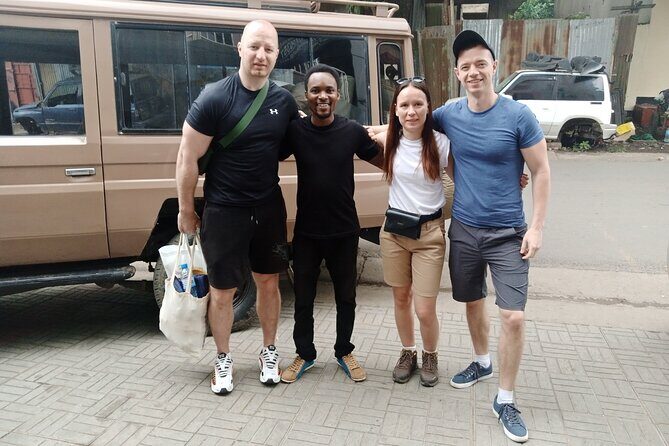
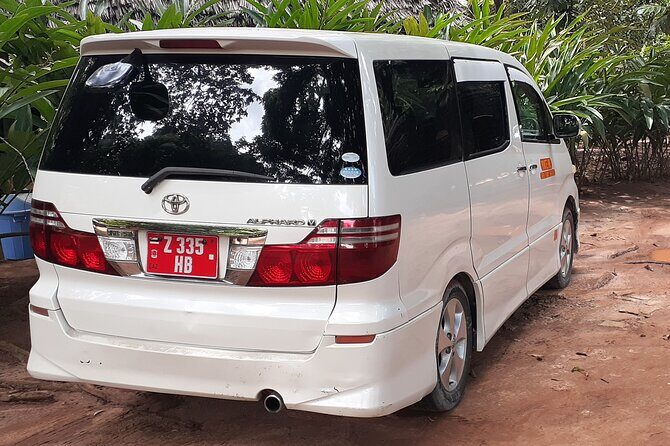
At $1,180 per person, the value comes less from the headline cost and more from how much is wrapped into the day. The trip includes private transportation, parking fees, and meals across the itinerary (breakfast is listed for 5 days, lunch for 5 days, and dinner for 4 days).
You should also notice the admission-ticket notes. The plan lists admission as free for several days, while Ngorongoro Crater admission is marked included. That mix can be a big deal for budgeting because park fees add up fast on safari.
One more value point: this is a private tour. Even though it runs as a route many people book, you’re not sharing the vehicle with strangers. That tends to make communication simpler and makes it easier for the driver to adjust pacing for sightings.
What I can’t promise from the info here is the exact accommodation style (camping vs. lodge). The plan mentions campsites outside the parks, and reviews highlight excellent stays, so you’re likely to be well taken care of—but always confirm accommodation details with the operator before you pay.
Getting Going From Kilimanjaro Airport: Timing and How the Trip Moves
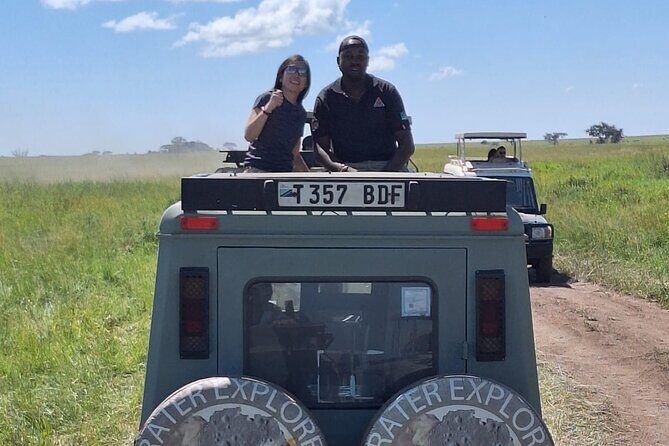
The start is set at 8:00 am with pickup from Kilimanjaro Airport. If you’re flying in, this is helpful because it gives you a clear target day-one plan and reduces the uncertainty of waiting around Arusha.
The tour also lists mobile tickets, which usually means less paperwork stress on arrival. I always like systems like that, especially when safari days start early and you don’t want admin delays eating into morning game-drive time.
Driving is part of the deal here. Your days include long stretches and transfers between Tarangire, Serengeti, Ngorongoro, and Lake Manyara. If you get car sick, plan ahead with whatever helps you most, because this itinerary prioritizes being out in the field at the right hours.
Day 1 in Tarangire: Full Game Drive and a Campsite Outside the Park
Your day begins with an early breakfast, then a drive into Tarangire National Park for a full game drive. Tarangire is known for its dry-season feel and its classic look, especially around large trees and open visibility—conditions that can make it easier to spot animals as they move.
This day is structured to keep you focused. You get a game drive, and you’ll have included picnic lunch boxes time at picnic (the itinerary language suggests planned breaks during the drive). Afterward, you return to a campsite outside Tarangire for dinner and overnight.
The benefit of staying just outside the park is practical. You get access to early starts without sacrificing the nighttime routine, and the logistics stay manageable. The tradeoff is you’re not inside the park property overnight, so if you’re hoping to hear the night sounds from within the reserve boundaries, you might miss that.
Day 2 into Serengeti: Ngorongoro Conservation Area to Naabi Hills Gate
On day two, you head from breakfast toward Serengeti National Park, routing via the Ngorongoro Conservation Area. That means the day isn’t only about Serengeti—it’s also about the journey, with game viewing along the way until late afternoon.
A highlight here is the stop at Naabi Hills gate for launch/lunch. It’s a good moment to reset, refuel, and get ready for the main wildlife window. Then the plan moves into late-day positioning, starting in the late afternoon and continuing until sunset down.
This is the day for that classic Serengeti light. The cooler hours can change animal behavior, and drivers usually want you in the right zone as visibility shifts. If you love photographing silhouettes and motion as the sun drops, this is where your camera time should get serious.
One practical note: day two includes a longer “field-to-camp” rhythm. You’ll end at Seronera campsite for dinner and overnight, so pack layers. It can be comfortable during the day and cooler later, especially when you’re waiting for the last light.



Day 3: Sunrise Predators in Ngorongoro Conservation Area, Then Back Toward Serengeti
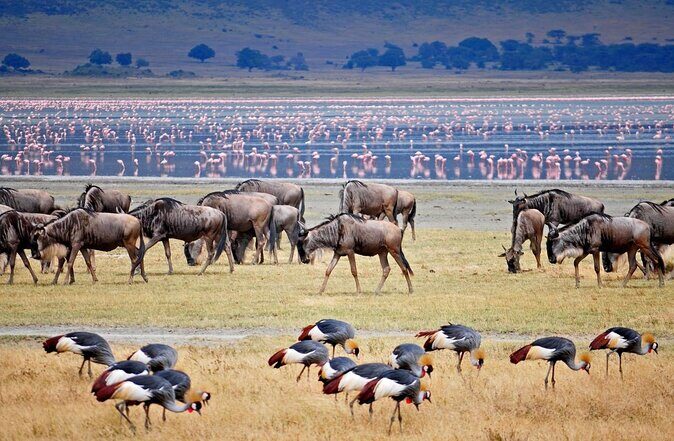
Day three brings another early wake-up for a sunrise game drive in the Ngorongoro Conservation Area. This is when you’re hunting the “big moments”—the animals that move first when the day is fresh, and predator activity when conditions are right.
After that first drive, the plan has you back at camp for lunch and a continued game-driving route. Then you “find the way back” toward the Ngorongoro Simba campsite for dinner and overnight.
That back-and-forth routing is smart for wildlife variety. Instead of staying locked into one small region all day, you’re moving based on where the sightings might be. The tradeoff is you’ll be in the car more than you would on a park-only itinerary.
If you get tired easily, plan for the rhythm shift. Take your breaks, hydrate, and let the driver do the navigation. This route works best when you treat the vehicle time as part of the safari—not downtime you try to fight.
Day 4: Ngorongoro Crater Descent for a Focused 6-Hour Safari
This is the signature day. After an early breakfast, you descend to Ngorongoro Crater for a 6-hour game drive with a picnic lunch during the drive.
Why this is such a big deal is simple: the crater changes visibility and animal density compared to the surrounding highlands. Even without inventing expectations, the crater’s layout is built for concentrated wildlife viewing, and a dedicated day inside lets you slow down and look carefully.
The plan also notes you’ll return to a campsite outside the park more than 30 minutes for dinner and overnight. That extra distance is something I like knowing ahead of time, because it helps you set expectations for when you’ll be back at rest.
This is also the day where you should dress for temperature differences. Down in the crater can feel cooler or foggier depending on the time of year. I recommend layers you can add or remove without a struggle while you’re on a long drive.
Day 5: Lake Manyara Full-Day Viewing, Then Back to Arusha by 5 pm
Your final day starts early again with breakfast, and you collect picnic lunches from your cook before heading to Lake Manyara National Park for a full day of game viewing.
Lake Manyara is a great way to wrap the safari because it brings a different ecosystem vibe than the classic Serengeti plains. Even when animals aren’t everywhere at once, the park’s structure and visibility can create opportunities for varied sightings across the day.
In the afternoon, you drive back to Arusha and you should be in Arusha around 5:00 pm. That timing is very practical. It gives you a decent buffer for dinner and a normal evening if you’re staying in town after the safari.
If you’re heading to another appointment or flight soon after, confirm timing carefully. You’ll be departing game areas in the afternoon, so any delays from wildlife encounters or road conditions can push the return later.
Your People Matter: Drivers, Emmanuel, and the Food Factor
This safari’s reputation isn’t just about parks. It’s about people doing the job with calm organization.
You’ll coordinate with Crater explorer tours and safaris, and the team includes Emmanuel in key roles. In the real world of safari planning, that human piece matters: someone is watching your schedule, handling the flow between parks, and keeping meals timed to your drives.
Guides can vary, and the information you provided includes names like Charles, Samuel, David, Jackson, and Tuma. If your guide is one of these, you can expect strong handling of what to do next—where to position, when to move, and how to manage the day so you stay focused on wildlife rather than logistics.
Chef work is a standout point in the supplied information. Chef Emanuel is specifically mentioned, and multiple comments emphasize the food quality. For you, that means fewer off-hours meals hunting in towns and fewer “we’ll eat later” moments during a packed safari schedule.
One more practical note: you may travel with more than one driver on some days or trips, based on the crew setup. Even if you only meet one driver daily, the system is built so driving is covered without big gaps.
What to Pack (So These Days Feel Easier)
You can’t control weather or road conditions, but you can control how comfortable you are. This itinerary has early mornings, long drives, and time outdoors between game viewing.
Bring:
- Layers for morning and afternoon temperature swings
- A small day bag for your lunch and water
- A light rain layer, just in case
- Binoculars or a camera with a lens you’re comfortable carrying
Also, be ready for the routine: mornings start early, lunches are picnic-style, and evenings end at your campsite. That rhythm is part of the value because you’re not scrambling, but it does mean you should plan to be flexible.
Who This Safari Fits Best (And Who Might Prefer Something Else)
This is a great fit if you want a classic Tanzania sampler—Tarangire plus Serengeti plus Ngorongoro crater plus Lake Manyara—without booking separate one-parks or adding extra travel days.
It’s also ideal if you like structured timing. Sunrise and sunset drives are built into the plan, which is perfect if you care about being out when animals are most active.
It may feel like a lot if you’re the type who wants long lodge hang time, late breakfast, and lots of unstructured downtime. The itinerary is designed for movement, and the parks are reached with transfers that eat up hours.
Lastly, it fits well for people who want private comfort. Since only your group participates, you can have a more consistent experience with your guide and driver throughout the trip.
Should You Book This 5-Day Tarangire, Serengeti, Ngorongoro & Lake Manyara Safari?
If your goal is to hit the big wildlife names in five days with a clear schedule, I think this is a solid booking. The value is strengthened by private transportation, meals included, and the admission ticket notes that show at least part of the park cost is covered as you go.
I’d book it if you:
- Want sunrise and sunset game drives built into the plan
- Care about getting multiple ecosystems (Tarangire, Serengeti, crater, Lake Manyara)
- Appreciate a crew that handles meals and daily flow well
I’d slow down and confirm details if:
- You want very specific accommodation style (the plan mentions campsites outside parks, while comments mention excellent stays)
- You’re sensitive to long driving days and early mornings
If you want a safari that’s organized, wildlife-focused, and easy on your planning brain, this one makes sense.
FAQ
What is the total duration of the safari?
The tour is listed as 5 days (approx.).
How much does the safari cost per person?
The price is $1,180.00 per person.
Where does the safari start and what time?
Pickup is from Kilimanjaro Airport with a start time of 8:00 am.
Is this a private tour?
Yes. This is listed as a private tour/activity, and only your group participates.
Are park admission tickets included?
Admission is listed as free for several days, and Ngorongoro Crater admission is included on day 4.
Can I cancel and get a full refund?
Yes. You can cancel up to 24 hours in advance for a full refund. If you cancel less than 24 hours before the start time, the amount paid will not be refunded.