REVIEW · ARUSHA
2 Days Wildlife game drives Through Tarangire and Ngorongoro Crater
Book on Viator →Operated by Face of Africa Adventures · Bookable on Viator
Wildlife odds get serious fast here. This 2-day safari links Tarangire National Park and the Ngorongoro Crater for long game drives in top-viewing 4x4s, plus a camping night setup that keeps the schedule realistic.
I especially like the way this trip is built around prime sighting areas: Tarangire’s elephant country and Ngorongoro’s “Noah’s ark” crater bowl. I also like the small-group feel and the viewing comfort—pop-up roof 4x4s, wide windows, and window seats make a difference when you’re trying to spot motion in tall grass.
One thing to consider: you’re sleeping in a campsite with tents and mattresses, but a sleeping bag isn’t included, so you’ll want to plan for cooler early mornings.
In This Review
- Key Highlights You’ll Actually Care About
- Why Tarangire + Ngorongoro Works So Well in Two Days
- Entering Tarangire National Park: Elephants, Baobabs, and Calm Morning Energy
- What to watch for while you’re in the vehicle
- Lunch Inside the Park: Why It’s a Smart Timing Choice
- The Camping Night at Fanaka Campsite: What Included Means for Your Comfort
- Ngorongoro Crater: The 8th Wonder Feel (and Why Dawn Counts)
- What you may see on the crater drive
- A practical tip for spotting in the crater
- The Guides and the Driver Setup That Make or Break Sightings
- Transportation, Timing, and Group Size: The Hidden Value
- Price and Value: What $560 Buys You Here
- Who This Safari Is Best For (and When to Rethink It)
- Quick Practical Advice Before You Go
- Should You Book This 2-Day Safari?
- FAQ
- What parks are included in this 2-day safari?
- Is pickup offered, and where does the tour start?
- How long is the safari?
- How many people are in a group?
- What meals and camping gear are included?
- Are park admission fees included?
Key Highlights You’ll Actually Care About
- Small group size (maximum 6 travelers) means easier spotting and a more flexible pace on game drives.
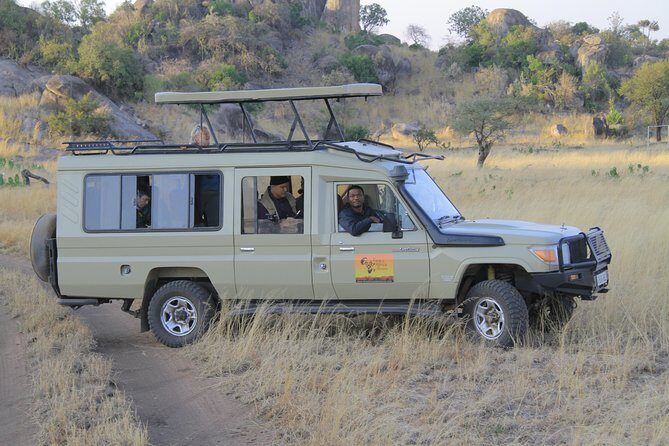
- Pop-up roof Land Cruisers with window seats help you see lions, hyenas, and birds without contorting.
- Tarangire’s baobabs and elephant density set up great photo opportunities and strong morning wildlife energy.
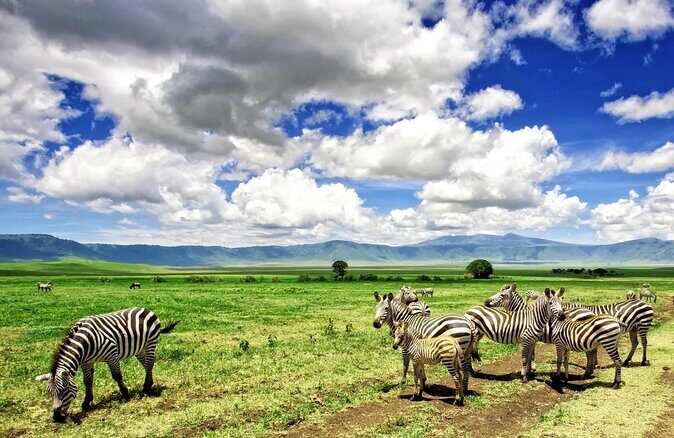
- Ngorongoro’s crater walls and dawn timing give you the best shot at the full range of animals, including black rhinos.
- Picnic lunches inside the parks cut down on back-and-forth driving and keep you in the action.
- Camping gear included (tents + mattresses) keeps the basic overnight logistics simple, even though you still need your own sleeping bag.
Why Tarangire + Ngorongoro Works So Well in Two Days
This is the kind of route that makes sense for first-time safari planners. In a short window, you get two very different wildlife settings: Tarangire’s open park life with famous baobabs and heavy elephant presence, then Ngorongoro’s crater ecology where animals are packed into a contained landscape.
The timing also matters. Day 1 starts in the morning after hotel breakfast, and Day 2 starts early again. You’re not wasting time rolling in late when wildlife activity has already peaked.
And because the group is kept to a maximum of 6, you’re less likely to feel like one more body in a long line. That can translate to better spotting—especially when animals appear briefly near a bend.
A few more Arusha tours and experiences worth a look


Entering Tarangire National Park: Elephants, Baobabs, and Calm Morning Energy
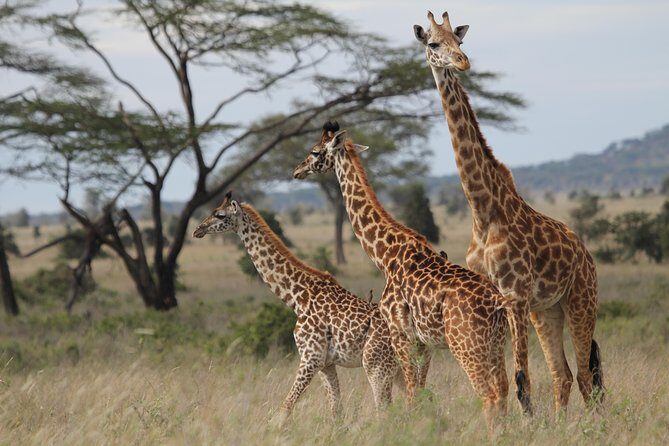
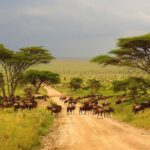
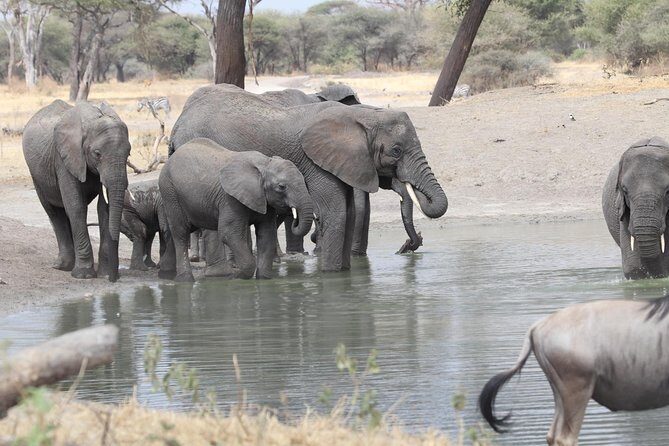
Tarangire is Tanzania’s third-largest national park and it’s known for two big visual signatures: elephants and baobab trees. The baobabs here are so large that they dwarf the animals feeding around them. It’s not just scenic—it also helps you understand the terrain. When you know the structure of the habitat, spotting becomes faster.
On your Day 1 drive, you’ll be picked up in Arusha around 8:00 AM after breakfast, then head into the park for game viewing. The itinerary expects several hours of driving and scanning, with a realistic rhythm of stops for sightings and photos.
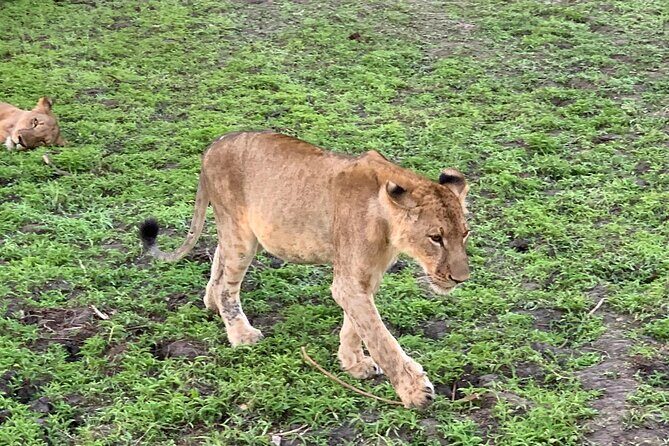
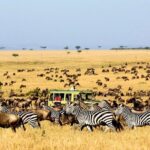
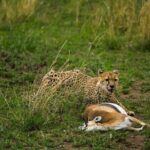
What you might see includes lions, giraffes, wildebeest, zebras, and elephants, with plenty of other species that show up based on the day’s movement. In a park like Tarangire, the big reward is variety—one moment you’re tracking a cluster of grazers, and the next you’re watching elephants move calmly between feeding zones.
What to watch for while you’re in the vehicle
Game drives move at the speed of animal behavior, not at the speed of your impatience. Keep an eye out for:
- Tracks and fresh dung (they often point to where herds were recently)
- Dust lines from large groups moving together
- Quiet stillness—predators often appear after the grazing noise settles
Also, since the vehicle has wide windows and a pop-up roof, you can keep eyes up without fighting your seat position. Small comfort wins matter over a long morning.
Lunch Inside the Park: Why It’s a Smart Timing Choice
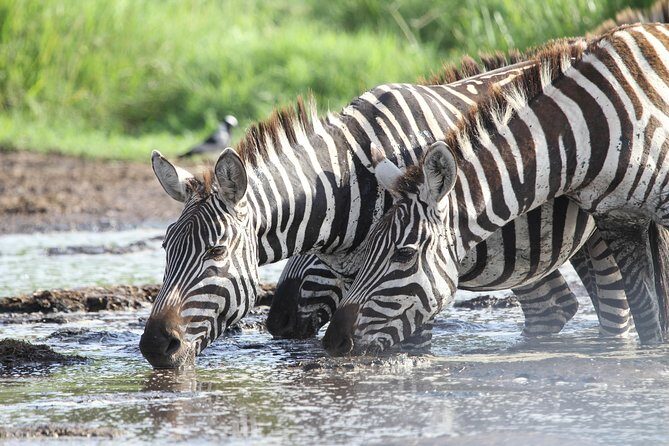
Instead of racing back to a lodge for lunch, this trip serves lunchboxes at a picnic site inside the park. That choice is practical. It keeps you in wildlife territory longer, and it reduces time lost to driving.
You’ll get a chance to rest before continuing game drives later in the day. That matters because Tarangire wildlife viewing can be intense—when you’re scanning for movement and listening to guide calls, your focus can fade. A break resets you for the second push.
The Camping Night at Fanaka Campsite: What Included Means for Your Comfort
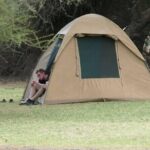
After leaving Tarangire, you’ll drive to Fanaka Campsite for dinner and overnight. This is a camping experience, and the details here are important for setting expectations.
Included with the trip: tents, mattresses, and camping gears, plus dinner and bottled water. The good news is that you don’t need to bring a whole base camp setup. The less obvious point is how camping affects your morning energy. You’ll likely feel the early start, so plan to keep your packing organized and your sleep priorities real.
Also note what isn’t included: a sleeping bag. Even if it doesn’t feel cold when you set up, mornings can cool quickly in savanna environments. If you skip a sleeping bag, you may end up trading “wildlife adventure” for “restless night.”
If you want a smoother night, pack a warm layer and keep it easy to grab. You don’t want to dig through your bag at 6:00 AM.
A few more Arusha tours and experiences worth a look
Ngorongoro Crater: The 8th Wonder Feel (and Why Dawn Counts)
Day 2 is the crater day. You’ll leave the campsite early after breakfast with packed lunches, then head into Ngorongoro for game drives.
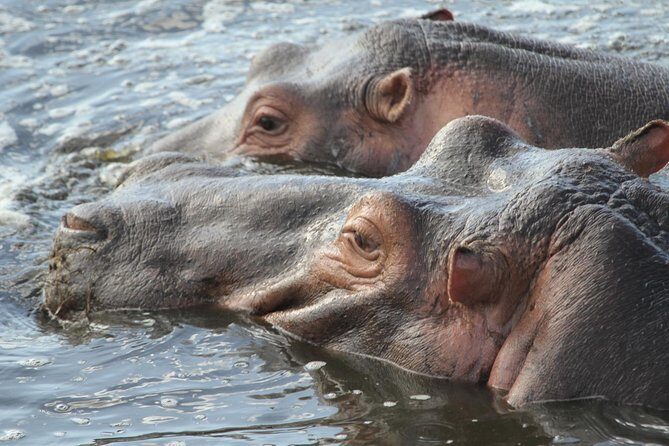
Ngorongoro is described as spreading over 102 square miles with around 2,000 feet of walls. That “bowl” effect is why you can get so much wildlife in one place. It creates a contained habitat where many animals can be found within the same general area.
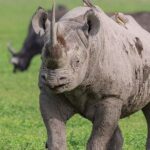
The big star everyone hopes for is the black rhino. This is rare and endangered, and Ngorongoro is one of the places where the odds are best within East Africa. You should still know a blunt truth: spotting wildlife is never guaranteed. But with an early start and experienced guidance, your chances improve.
What you may see on the crater drive
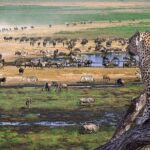
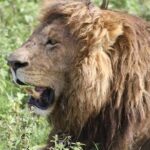
Expect a wide range of species such as elands, lions, waterbucks, wildebeests, hyenas, jackals, African elephants, and buffaloes. The crater is also mentioned as home to secretive leopard—so if your guide calls out a distant shape, take the moment seriously. Sometimes the best-looking animals are the hardest to confirm.
A practical tip for spotting in the crater
In the crater, conditions can shift quickly—light changes, animals move, and distances feel deceptive. Use the vehicle’s strengths:
- Stay ready to look up from the roof
- Scan the edges of open areas, not just the center
- Listen for guide instructions about where to focus next
When the guide is on their game, you’ll see how fast you can upgrade from random looking to targeted scanning.
The Guides and the Driver Setup That Make or Break Sightings
This tour uses licensed safari guides and drives in 4×4 Land Cruisers with pop-up roofs, wide windows, and comfortable seating for viewing. That’s more than a comfort perk. It’s how you maintain eyes-on-game without losing time adjusting.
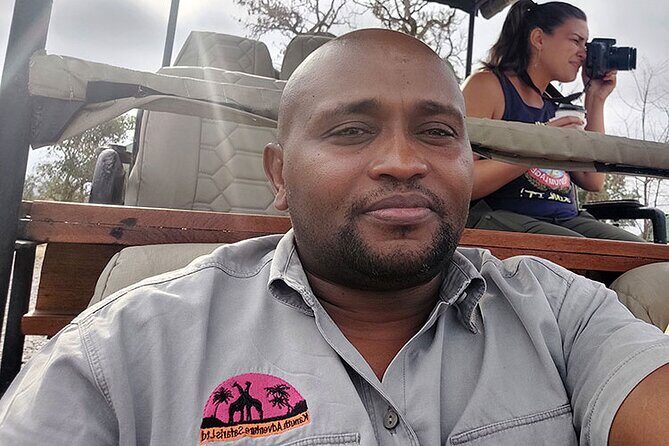
In the operator’s experience, guides like Hamadi and Shaffie have been praised for being welcoming and organized, with explanations that help you understand what you’re seeing. When you know whether an animal is feeding, stalking, or simply pausing, the entire drive becomes more enjoyable instead of just hoping something appears.
Also, the trip includes a chef and strong food support. That matters in a safari setting. If meals are reliable and well handled, you don’t spend your brain worrying about logistics during animal prime time.
Transportation, Timing, and Group Size: The Hidden Value
Let’s talk logistics without making it boring. This is a 2-day safari with a Day 1 game drive block of about 6 hours and Day 2 about 7 hours. Those numbers help you understand that you’ll be in the vehicle for a good chunk of time each day.
The upside is that long drives are normal for wildlife. The drawback is that you should bring comfort-minded clothing and keep water accessible. Bottled water is included, which helps.
Group size is capped at 6 travelers, so you’re not competing for space in the viewing areas. Smaller groups also make it easier for guides to adjust when sightings pop up suddenly.
Your start point in Arusha is listed as Shoppers Supermarket, and the trip ends back at the same meeting point. Pickup is offered, so if you’re staying elsewhere in town, ask where the driver will collect you so your morning isn’t a scramble.
Price and Value: What $560 Buys You Here
At $560 per person, this is not a budget “ride-along” safari. But it also isn’t priced like a private lodge-only expedition. The value comes from what’s packaged together.
Included:
- 4×4 safari Land Cruiser with pop-up roof
- Bottled water
- Breakfast and dinner, plus lunch (2)
- Parking fees
- Camping gears (tents and mattresses)
- Pickup offered
- Admission details: Tarangire shows as admission ticket free in the summary, and Ngorongoro shows admission included
Not included:
- Accommodation in Arusha before and after safari
- Airport pickup and drop-off
- Sleeping bag
- Personal items
That all means you’re paying for time, vehicles, guiding, and the basic overnight setup—not just for an attraction ticket. When you compare 2 days of park time plus camping logistics, the price starts to look more reasonable for people who want to see serious wildlife without the cost of a longer or higher-end itinerary.
Who This Safari Is Best For (and When to Rethink It)
This fits best if you:
- Want two major wildlife areas without spending a whole week
- Prefer a small group with better maneuvering during sightings
- Are okay with camping as the overnight style
- Like the idea of learning what you’re seeing from a licensed guide
You might rethink it if you:
- Are unwilling to sleep in a campsite setup and plan carefully for temperature (no sleeping bag included)
- Need guaranteed transfers from the airport
- Want a hotel-style overnight in Arusha as part of the price
If you’re planning your own Arusha hotel before and after, just remember that’s not bundled here.
Quick Practical Advice Before You Go
A couple of small choices can make the safari feel smoother:
- Pack a warm layer for early mornings in camp.
- Bring any comfort items you consider personal (the trip lists personal items as not included).
- Keep camera settings simple and ready; wildlife moments don’t wait.
And if you’re hoping for the full “crater drama” effect—lions, rhinos, hyenas—know that timing and guidance matter. Early starts plus a well-run route help you maximize your chances.
Should You Book This 2-Day Safari?
I’d say book it if you want a tight, high-sighting route that keeps you moving through two of Tanzania’s best wildlife spaces: Tarangire for elephants and baobabs, and Ngorongoro for crater wildlife density and black rhino odds.
Skip or shop for alternatives if camping logistics aren’t your thing or if you need a fully hotel-based package in Arusha. Also, if you require airport transfers, you’ll need to arrange that separately.
For most people looking at value, this one hits a nice balance: strong wildlife focus, small-group handling, and practical inclusion of meals and camping gear. When the goal is seeing animals without getting buried in logistics, it’s a solid choice.
FAQ
What parks are included in this 2-day safari?
You’ll visit Tarangire National Park on Day 1 and Ngorongoro Crater on Day 2 for game drives and game viewing.
Is pickup offered, and where does the tour start?
Pickup is offered. The meeting point is listed as Shoppers Supermarket, Arusha, and the tour ends back at the same meeting point.
How long is the safari?
It’s a 2-day experience. Day 1 is listed at about 6 hours, and Day 2 about 7 hours.
How many people are in a group?
The safari has a maximum group size of 6 travelers.
What meals and camping gear are included?
You get breakfast, dinner, and lunch (2). Camping gears are included, including tents and mattresses, plus bottled water.
Are park admission fees included?
Tarangire is shown as Admission Ticket Free, and Ngorongoro Crater is shown as Admission Ticket Included.