REVIEW · ARUSHA
6 Day Tanzania Wildlife Mid range Safari
Book on Viator →Operated by Serengeti African Tours · Bookable on Viator
Three parks, one wild week.
This 6-day Tanzania wildlife safari strings together Tarangire, Serengeti, and the Ngorongoro Crater in a way that feels practical, not rushed. You get 4×4 game drives, a professional English-speaking guide, and overnight stays in safari lodges or tented camps, plus meals planned for full days out in the bush.
What I like most is how much you get for the money: park fees, meals, and transport are included, so you can focus on the sightings. I also like the guide emphasis, with past guests specifically praising guides like Kelvin and Aboh for spotting animals and explaining what you’re seeing.
One thing to consider: this is a full-on safari circuit. Expect early starts for drives and crater time, so if you want sleepy mornings and late brunch, this may feel too active.
In This Review
- Key things I’d watch for before you book
- The Tanzania route that actually makes sense for 6 days
- Tarangire National Park: elephants, baobabs, and that classic dust-and-gold light
- Lake Manyara: where baboons steal the show and lions like trees
- Serengeti: two days near Seronera for migration-country chances
- Day 4: a full Serengeti day aimed at the migration
- Olduvai Gorge on Day 5: not just animals, but human origins
- Ngorongoro Crater: the 600-meter drop where predators feel close
- Lodges, meals, and the small comforts that stop a safari from becoming a chore
- Transportation, timing, and why the group size matters
- Price and value: what you’re paying for (and what to budget)
- Who this safari suits best (and who might want a different style)
- Should you book this 6-day Tanzania wildlife safari?
- FAQ
- What parks are visited on this safari?
- Is pickup included?
- How do park fees and meals work?
- What kind of vehicle is used?
- How big is the group?
- Are guides English-speaking?
- What’s not included in the price?
- Can I cancel and get a full refund?
Key things I’d watch for before you book
- Small group limit (max 6 travelers) for a more flexible safari feel
- 4×4 safari vehicle plus mineral water, so you’re set for long drives
- Guides highlighted by name like Kelvin, Godfrey, David, James, and Aboh for animal-spotting and explanations
- Comfort-focused mid-range lodges/camps, described as clean and very comfortable
- Full wildlife spread across Tarangire elephants, Manyara baboons, Serengeti migration country, and Ngorongoro predators
- Olduvai Gorge + Ngorongoro for a rare mix of wildlife viewing and deep-world heritage stops
The Tanzania route that actually makes sense for 6 days
A good safari route is about tradeoffs. You’re deciding how many ecosystems to hit, and how much time you spend actually in the parks versus on the road.
This one works because it hits four big wildlife stops that each play a different role:
- Tarangire: elephant country and baobab trees.
- Lake Manyara: thick bird and primate life, plus the chance of unusual behaviors like tree-climbing lions.
- Serengeti (Seronera): classic open-plains safari with strong wildlife density.
- Ngorongoro Crater: a compact “wildlife theater,” where you can see predators and large herbivores in one dramatic setting.
Then there’s the extra culture/heritage angle with a stop at Olduvai Gorge, where early human-fossil discoveries (including skulls linked to Nutcracker Man and Handy Man) are part of the day’s story.
If you want a safari that gives you variety without needing a long trip, this is a strong match.
A few more Arusha tours and experiences worth a look
Tarangire National Park: elephants, baobabs, and that classic dust-and-gold light
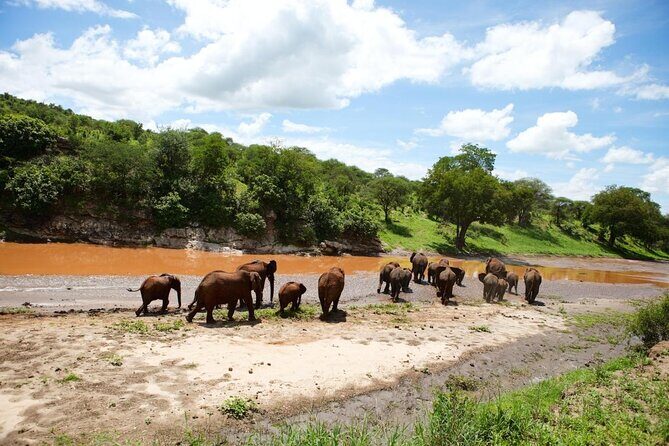
Day 1 is built around Tarangire National Park, and it’s a smart first move. You start with a game drive plus a picnic lunch inside the park, which helps you lose less time and start living in safari mode right away.
Tarangire’s reputation is mostly elephant-heavy, and the details are part of the appeal: the park sits in an annual migratory cycle that can include huge numbers of elephants, wildebeest, and zebra. Even if the exact numbers you see aren’t the day’s headline, you’re in the kind of place where elephant groups are a normal expectation, not a lucky surprise.
What to look for in practical terms:
- Baobab trees scattered across the reserve make great landmarks for spotting and photographing animals at different distances.
- Elephant sightings often mean more walking-looking moments too—trunks, social contact, and relaxed feeding behavior.
You’ll also be doing this early enough that the light is often friendly for photos. If you like crisp shots of animals near the trees, Tarangire is a good bet to start your week.
Overnight on Day 1 is at Farm of dream Lodge (as listed in the itinerary). Mid-range doesn’t mean boring here. Past feedback includes praise for accommodations being clean, comfortable, and set up so you’re not miserable after long drives.
Lake Manyara: where baboons steal the show and lions like trees
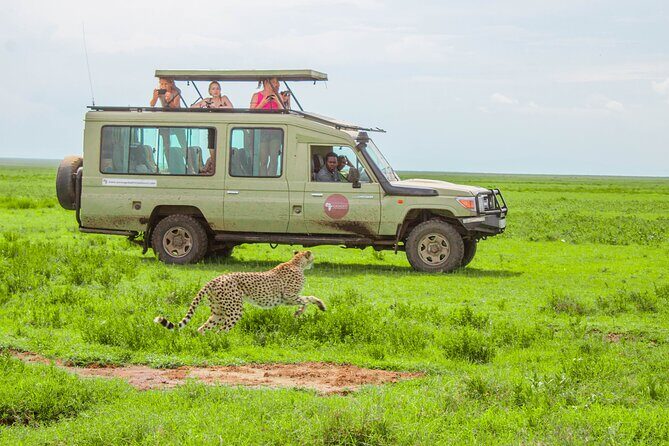
Day 2 shifts to Lake Manyara National Park, which feels different from Tarangire fast. Instead of the focus being elephants and baobabs, Manyara is about variety in habitat and animal behavior.
The park’s mix is spelled out clearly: acacia woodlands, water forests, baobab-strewn cliffs, hot springs, swamps, and the lake itself. That variety matters because it supports a big range of species in a smaller space than you might expect.
Two highlights to keep in mind:
- Baboons: the area has the largest concentration anywhere in the world, so you’re not just hoping to spot them.
- Tree-climbing lions: these lions are well known for climbing, which means you might see something more unusual than the usual open-ground lion photos.
After your game drive and dinner, you sleep at Eileen’s tree lodge. A tree lodge sounds like a gimmick until you realize the payoff: you’re more likely to feel connected to the sights and sounds of the area. Past guests have described lodges as comfortable and well kept, which is exactly what you want when you’re moving every day.
Serengeti: two days near Seronera for migration-country chances
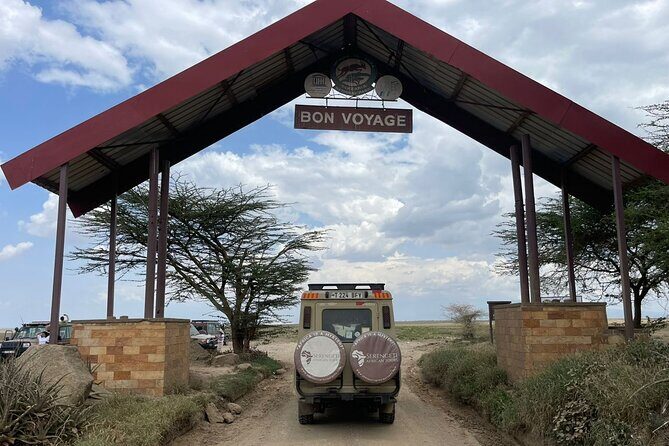
Then you do the “classic safari move”: heading from the highlands down into Serengeti National Park. The route passes through Karatu and the Ngorongoro Conservation Area, and it’s one of those transitions you feel in your bones. The air changes, the vegetation changes, and suddenly the open-plains vibe takes over.
You arrive in time for lunch and an afternoon game drive in the Seronera area, which is described as one of the richest wildlife habitats in the park. The key detail here is water: the Seronera River provides a steady water source that draws wildlife.
Day 3 is built around that afternoon drive plus your arrival day timing. You’re not spending the whole day on a bus, which is how you keep your energy for actual sightings.
Day 4: a full Serengeti day aimed at the migration
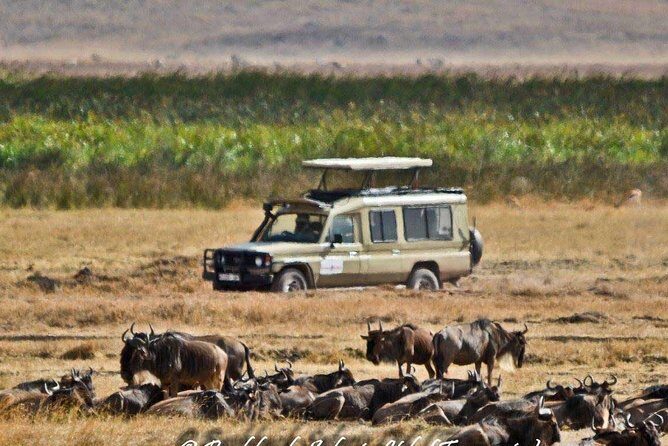
Day 4 is the longer, deeper wildlife day: a full day game drive including following the wildebeest migration.
Here’s the reality check I’d give you upfront: in Serengeti, you’re not choosing a fixed “viewpoint.” You’re tracking movement. That means your guide’s decision-making matters. If you’re with someone who knows where to look and how to read the land, your day can feel wildly alive.
Past guests have praised guides for exactly that kind of animal-spotting skill and for staying positive through the long hours. Names that came up include Kelvin, Godfrey, David, James, and Aboh. If your guide is one of those styles—focused, calm, and good at explaining—you’ll get more out of each sighting than just the photo.
You sleep at Domel wilderness camp on both Day 3 and Day 4.
A few more Arusha tours and experiences worth a look

Olduvai Gorge on Day 5: not just animals, but human origins
Day 5 adds a different kind of morning. You start with an early morning game drive, then transfer toward the Ngorongoro Conservation Area, including a stop at Olduvai Gorge.
This is a great break from pure wildlife time because it gives your safari meaning beyond the postcard. Olduvai Gorge is presented in the itinerary with specific discoveries by Drs. Lois and Mary Leakey, including skulls linked to Nutcracker Man and Handy Man—important pieces in the chain of human evolution.
Even if you’re not a “history person,” I’d still treat this as a value add. Safari days can blur together, and a stop like this anchors the trip with a story you won’t get anywhere else on your route.
Late afternoon you transfer to Ngorongoro Wildlife Lodge for dinner and overnight.
Ngorongoro Crater: the 600-meter drop where predators feel close
Day 6 is all about the crater.
After an early breakfast, you descend about 600 meters into Ngorongoro Crater to view wildlife. That drop is part of why this place is so different from the other parks. The crater creates a kind of enclosed stage where water and fodder can support year-round animals.
The itinerary lists a wide range of species, including:
- wildebeest and zebra
- buffalo
- eland and warthog
- hippo
- and even giant African elephants
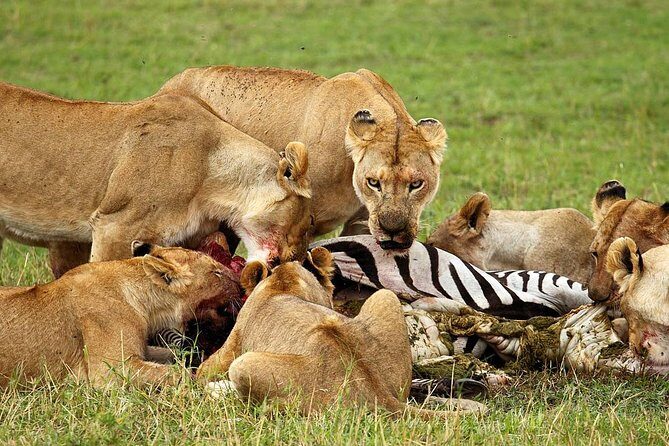
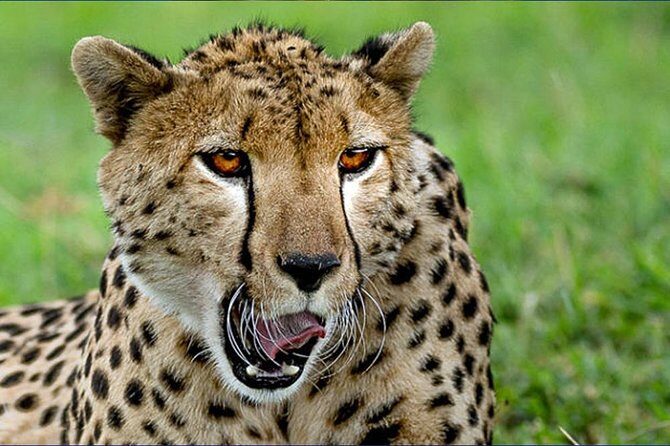
It also calls out predator density, including lions, hyenas, jackals, cheetahs, and the elusive leopard. In other words, your day isn’t only about herbivores. You’re set up to watch for hunting behavior and “stillness that turns into action.”
You’ll also visit Lake Magadi, described as a large, shallow alkaline lake in the southwestern corner of the crater. That detail matters because water features in the crater shape animal movement, and that in turn shapes your sightings.
If you’re after the “Big Five” style brag photo, Ngorongoro is where that dream gets most realistic—at least in terms of how concentrated the animal life can feel.
Lodges, meals, and the small comforts that stop a safari from becoming a chore
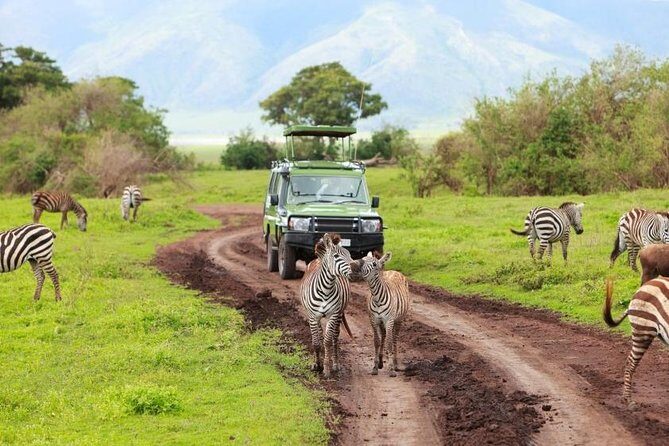
A mid-range safari lives or dies on comfort. You’re out early, you’re in the vehicle a lot, and you need sleep that actually helps.
This tour includes overnight stays in safari lodges or tented camps. The specific places listed include Farm of dream Lodge, Eileen’s tree lodge, Domel wilderness camp, and Ngorongoro Wildlife Lodge.
What stands out from the feedback you shared is not just “nice places.” It’s the way people describe them:
- lodges described as spotless and comfortable
- food described as delicious, local, and fresh
- staff described as helpful and friendly
- good vegan options mentioned by guests who needed them
Meals are part of your included package too: breakfast, lunch, and dinner are covered, and you also get mineral water. That matters because on safari, hunger is a mood-killer. Having meals already planned lets you treat lunch and dinner as fuel, not a scavenger hunt.
One more practical point: you’re doing a picnic lunch at Tarangire, which can be a real win. Picnic lunches feel more like safari than like a hotel stop.
Transportation, timing, and why the group size matters
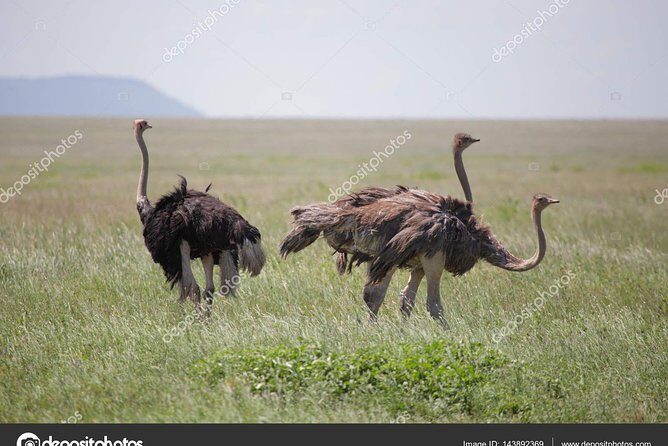
You’ll travel in a 4×4 safari vehicle, and the tour caps at a maximum of 6 travelers. That small group size is more than a nice-to-have. It affects how smoothly game drives run, because you’re not managing a long chain of strangers with different stamina levels.
Pickup is also offered, and past guests mention being picked up and dropped at hotels/camps on time. That reduces stress, especially when you’re moving between different park areas.
The itinerary calls for early starts on key wildlife days. You’ll do an early drive in Serengeti and a crater descent on Day 6. If you don’t love early mornings, you’ll still get used to them fast. Safari time is early time. It’s a rule, not a suggestion.
One note to keep your planning clean: the tour’s listed start time is 12:00 am. That looks like a system entry, not a practical pickup hour. I’d confirm the real pickup time you’ll be given at booking so you can sleep like a normal person.
Price and value: what you’re paying for (and what to budget)
The listed price is $2,500 per person for about 6 days.
What you get for that price is fairly substantial:
- 4×4 transport
- an English-speaking professional guide
- all national park fees
- breakfast, lunch, dinner
- mineral water
- overnight stays in listed lodges/tented camps
That’s why this can feel like good value compared with “pay-as-you-go” safaris. You’re not doing the math every time you want to enter a park or add a meal. You can budget once, then focus on the experience.
What to budget separately:
- visa fees
- tips
- personal spending for souvenirs and extra drinks/snacks
If you’re the type who hates surprise charges, this package structure helps.
Who this safari suits best (and who might want a different style)
This tour is a strong fit if you:
- want a 6-day sampler of multiple Tanzanian wildlife regions
- care about getting real game drive time rather than only doing short drives
- like the idea of mid-range lodges with comfortable sleep
- want a guide who can explain behavior and point things out early (guides like Kelvin, Godfrey, David, James, and Aboh have been praised for that)
If you prefer a vacation with lots of free time on your own, this won’t match that vibe. You’ll be on the move most days, and the driving blocks time for spontaneous detours.
Also, if you have special dietary needs, ask ahead. One guest specifically noted vegan options, which is a good sign, but details aren’t spelled out in the itinerary text.
Should you book this 6-day Tanzania wildlife safari?
If you want a safari that balances variety and value, I’d say yes—especially if your priority is Tarangire + Serengeti + Ngorongoro in a single, organized week.
Book it if:
- you’re okay with early mornings and full days
- you want all park fees and most logistics handled
- you like the idea of seeing both the classic plains action and predator-heavy crater wildlife
- you want comfortable mid-range lodges after long drives
Pass or compare options if:
- you want slower pacing, heavy downtime, or lots of independent wandering
- you’re sensitive to long days in a vehicle
FAQ
What parks are visited on this safari?
You visit Tarangire National Park, Lake Manyara National Park, Serengeti National Park, and Ngorongoro Crater (with a stop at Olduvai Gorge on the way to Ngorongoro).
Is pickup included?
Yes, pickup is offered.
How do park fees and meals work?
All national park fees are included, along with breakfast, lunch, and dinner throughout the trip. Mineral water is also included.
What kind of vehicle is used?
You travel in a 4×4 safari vehicle.
How big is the group?
The tour has a maximum of 6 travelers.
Are guides English-speaking?
Yes, the tour includes a professional English-speaking guide.
What’s not included in the price?
Visa fees, tips, and personal spending money for souvenirs or extras are not included.
Can I cancel and get a full refund?
Yes. You can cancel up to 24 hours in advance for a full refund. If you cancel less than 24 hours before the start time, the amount paid is not refunded.
If you want, tell me your travel month and whether you’re aiming for Big Five specifically. I can help you sanity-check timing for each park and set expectations for predator vs. herbivore-heavy days.