REVIEW · MOSHI
10-Day Wildebeest Migration Calving Safari -All Inclusive
Book on Viator →Operated by Gosheni Safaris (T) Limited · Bookable on Viator
The wildebeest show up with babies. That’s why this 10-day Serengeti migration safari in Tanzania is so compelling: you time your trip for the December–March calving season and base in Ndutu, where the grass and the herds line up.
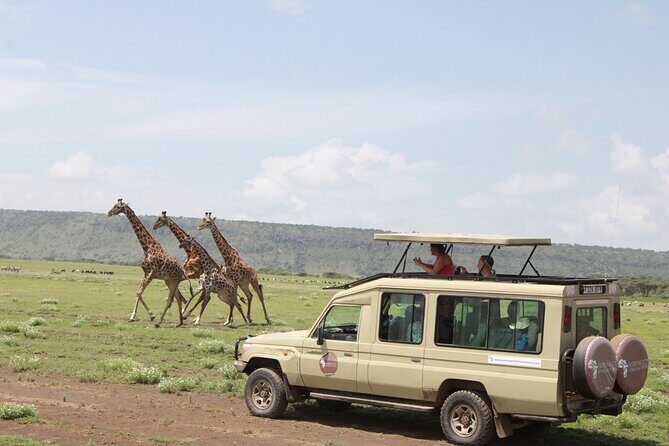
I also like how the days are built around real wildlife country, not just road time. You’ll get guided game drives in Tarangire, Manyara, Ngorongoro, and the Serengeti, plus a hot air balloon safari with champagne and a special breakfast afterward.
One possible drawback: the wildebeest movement depends on rain, so even with a smart plan, you can’t guarantee the exact moment of peak calving on every day. And if balloon weather turns, schedules can shift.
In This Review
- Key things to know before you go
- Moshi start to Arusha base: arriving near Kilimanjaro without stress
- Tarangire full day: elephants, birds, and a ranger-led walking safari
- Day 3 adds the walking safari edge
- Manyara National Park: bird life, tree-climbing lions, and a calmer pace
- Ngorongoro crater day: the volcanic wow-factor (and why you should go early)
- Ndutu calving base: where timing meets rain and grass
- Day 6: first Ndutu day in the right habitat mix
- Day 7: the calving hunt day
- Serengeti central big cats: shifting from calving chaos to predator strategy
- Hot air balloon at dawn plus sundowner picnic: the two most memorable mood swings
- After the balloon: game drive and the sundowner moment
- Last morning near Seronera: closing the loop with one more drive
- Price and value: what $9,718 buys (and what to budget separately)
- Guides and on-the-ground service: the human factor that changes everything
- Who should book this calving safari, and who should think twice
- Should you book the 10-Day Wildebeest Migration Calving Safari?
- FAQ
- Where does this safari start?
- What’s the total duration?
- What’s included in the price?
- Are international flights included?
- Is the balloon safari included, and what if weather is bad?
- Is this a private tour?
- Do I need to pay tips?
- Are park fees covered?
- What’s the cancellation policy?
Key things to know before you go
- Ndutu focus in December–March: this is your best shot at seeing calving underway during the migration’s southern swing.
- A true walking safari day in Tarangire with an armed ranger, not just another drive-and-scan.
- Ngorongoro crater game drive: dramatic topography with a big dose of wildlife in a compact area.
- Balloon at dawn over the Serengeti: champagne celebration and breakfast after landing.
- All-inclusive meals and picnic lunches: hot food prepared on the go, often with wine, tea, and coffee.
Moshi start to Arusha base: arriving near Kilimanjaro without stress
Your trip starts at Kilimanjaro Airport, where you get a meet-and-greet and help if anything comes up with visas or passport control. From there, you transfer to Arusha for dinner and an overnight at a hotel, which is a smart way to absorb the first day without rushing straight into long drives.
If you’re coming from far away, this kind of setup matters. It gives you time to get your bearings, handle documents calmly, and sleep before safari days begin. You’ll also be using a mobile ticket, so the admin side is usually simpler than paper-only trips.
A few more Moshi tours and experiences worth a look
Tarangire full day: elephants, birds, and a ranger-led walking safari
Tarangire is a quiet choice with a big animal payoff. It’s known for elephant activity and bird life, and it sits a bit off the main safari route, so parts of it feel less crowded than the more famous circuits.
You’ll spend a full day on safari here, including an afternoon lunch that’s cooked and served for you in the field. The day is described as a traditional “car-shade” picnic style, with a hot meal plus soup, bread rolls, main dish, and fruits salad, then wine, tea, and coffee.
Day 3 adds the walking safari edge
The next morning is more than just another game drive. You’ll do a walking safari with an armed ranger, which puts you closer to the small stuff: tracks, sounds, and behavior you miss from a vehicle.
Later, you return to game drives in Tarangire. The park is also where the species mix can surprise you, including dry-country antelope such as fringe-eared oryx and gerenuk, plus the chance to see predators move through a predator-friendly buffet. If you’re the kind of person who likes animal behavior, this is one of the most satisfying days on the route.
Manyara National Park: bird life, tree-climbing lions, and a calmer pace
Manyara is a classic “intro day” to Tanzania’s nature variety. It’s especially strong for birding, with more than 400 species recorded, and even a first-time visitor might expect to spot a large chunk of that in one day.
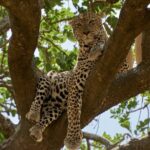
You’ll drive through areas that highlight the park’s mix: acacia woodland and floodplain edges. Manyara is also tied to the legendary tree-climbing lions, so you’re not just looking for birds—you’re scanning for big-cat behavior in unusual places.
Lunchtime follows the same hot picnic approach you saw in Tarangire, with the driver setting up meals during a break. In the afternoon you keep going until late afternoon, then head back to your lodge for dinner and overnight.
Ngorongoro crater day: the volcanic wow-factor (and why you should go early)
Ngorongoro Crater is one of those places you understand immediately when you see it. It’s described as a deep volcanic caldera about 20 km across, roughly 600 meters deep, and around 300 sq km in area—an enormous natural bowl that traps scenery, animals, and atmosphere.
You’ll have a game drive inside the crater in the afternoon. That timing can be good, because you’re not starting your day with the long crater descent if you’d rather ease into it. Still, plan for the fact that crater days often feel faster than you expect; wildlife density can make time disappear.
You’ll also visit Lake Magadi, a large but shallow alkaline lake in the south. It’s a great detail because it gives the day a little extra variety beyond just spotting mammals from the road.
Ndutu calving base: where timing meets rain and grass
This is the main event. In the Ndutu area of southern Serengeti, the safari is built around the calving season from December to March. The key idea is that you’re aiming for a window when wildebeest come looking for the right food, and mothers give birth when conditions line up.
The itinerary also makes a practical point: you can plan where wildebeest should be, but rain drives the final answers. When it rains, grass changes; when grass changes, herds move. So the plan stays flexible enough to chase greener patches.
Day 6: first Ndutu day in the right habitat mix
On your first Ndutu day, you’ll have a full day game drive. You’ll be exploring habitats that include swamps, woodland, soda lakes, and the short grass plains that funnel migration behavior.
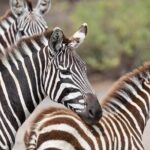
You’re looking for large herds of wildebeest and zebra, and for predator activity that tends to follow those herds. Since this is a calving season itinerary, you’ll also be scanning for the smaller signs: new movement patterns around the herd and increased focus where births might be happening.
Day 7: the calving hunt day
The second Ndutu day is the one that feels most purpose-built. You’ll track massed wildebeest and zebra across plains and woodlands, with the explicit goal of witnessing birth of calves and then watching predators like lion, cheetah, and hyena on the hunt.
This is the day that can stay with you long after the photos. Even if calving numbers are lower than your dreams, you’ll still be in the right ecosystem for watching herd dynamics—how they cluster, where they feed, and how predators test the edges.
Serengeti central big cats: shifting from calving chaos to predator strategy
After Ndutu, you move north into Serengeti National Park for big-cat searching. This is where the safari broadens from calving-focused drama into classic Serengeti behavior: stalking, chasing, and group hunting.
On the day described as central Serengeti, the plan is to search for big cats / big five. That wording matters. It signals you’re not only chasing one species; your guide is aiming for a spread of sightings across predators and larger animals.
Lunch remains the same field-picnic style, again with a hot meal and the driver preparing it in shaded stops. Then you keep driving in the afternoon and move toward your lodge for dinner and overnight.
Hot air balloon at dawn plus sundowner picnic: the two most memorable mood swings
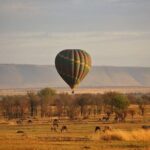
Day 9 starts with a hot air balloon safari in the early morning. After landing, you’ll have a celebration with champagne, then breakfast. That’s a serious upgrade over the usual “up early and stare at the sky” balloon routine.
One important practical note: balloon operations depend on weather. So if winds or storms roll in, your schedule can change. You should treat this as a highlight, but not something you can fully control.
After the balloon: game drive and the sundowner moment
Once you’re back from the air, you shift into more game driving in central Serengeti, continuing the search for big cats and major wildlife. In the afternoon you’re still tracking, then later you get a sundowner picnic with drinks and snacks before heading back to camp.
That sundowner stop matters because it gives you a break from constant driving. You can slow down, compare what you saw from the balloon with what you saw on the ground, and settle into the Serengeti rhythms.
Last morning near Seronera: closing the loop with one more drive
Your final day includes a morning game drive in Serengeti en route to Seronera Airstrip for the flight back to Arusha. When you land, you transfer to Arusha Coffee Lodge for a day room and lunch.
Then you head to Kilimanjaro International Airport for your flight home. This “last day cushion” can be a lifesaver if your flight isn’t until evening. It also helps you avoid the scramble of rushing from the bush straight to an airport with no downtime.
Price and value: what $9,718 buys (and what to budget separately)
This safari is priced at $9,718 per person for roughly 10 days, and it’s not “cheap”—but it’s also not just a basic vehicle rental with a guide. The value comes from the big-ticket inclusions.
Here’s what you’re paying for, in practical terms:
- Hot air balloon safari is included, including the celebration and post-landing breakfast.
- Park fees (for non-residents) are included.
- All flights during the tour are included, which reduces long driving days between regions.
- Meals are included for 9 breakfasts, 9 lunches, and 9 dinners, with hot picnic-style lunches during drives.
- You’re getting a professional driver/guide, plus all transportation unless something is labeled optional.
- It’s a private tour, meaning it’s only your group, not a mixed crowd with random pacing.
What’s not included is also important:
- International flights to and from Tanzania.
- Tips. The guideline provided is US$10 per person per day.
- Personal items, plus any visa fees and travel insurance.
If you’re comparing options, don’t just look at sticker price. Compare how much of the safari is “all inclusive” versus billed separately once you’re already on the ground.
Guides and on-the-ground service: the human factor that changes everything
The biggest “quality lever” in safaris is the guide. The names that show up again and again in operator feedback include Juma, Michael, Zadock, Samir, Bariki, Ombeni, William, and even drivers like George and Albert. Across those examples, the common thread is clear: people emphasize professionalism, patience, and finding strong sightings.
That shows up in small ways you’ll care about:
- When roads get rough after rains, you need a confident driver.
- When you’re trying to time wildebeest behavior, you need someone who reads the land, not just a checklist.
- When you have kids or teenagers in the group, patience and communication keep the day fun, not stressful.
So if you book, you’re not just buying access to animals. You’re buying a team that can turn a good route into a great day.
Who should book this calving safari, and who should think twice
This tour fits best if you’re:
- Traveling between December and March and want wildebeest calving as a core goal.
- Comfortable with a safari schedule built around where grass and herds happen to be at the time.
- Interested in more than “just the big cats,” since Tarangire walking safari and Manyara birding are part of the arc.
- Happy paying for a plan that includes balloon, park fees (for non-residents), and flights within Tanzania.
You might think twice if you:
- Expect a fixed, perfectly predictable calving-day timeline. Migration timing shifts with rainfall.
- Prefer a more laid-back pace with less game driving. Days include full game-drive blocks and long viewing time windows.
Should you book the 10-Day Wildebeest Migration Calving Safari?
Yes, if calving-season timing is your top priority. This itinerary puts you in the Ndutu zone during the exact months when you have the best odds, then follows with classic Serengeti wildlife searching, a Ngorongoro crater stop, and the wow-factor balloon day.
Book with extra confidence if you know you’ll enjoy early mornings, hot picnic lunches in the field, and the kind of safari where you’re always scanning for small clues (movement, herd clustering, predator behavior). If that sounds like your idea of fun, you’ll likely leave Tanzania with more than photos—you’ll have stories.
FAQ
Where does this safari start?
It starts at Kilimanjaro Airport. You’ll meet the airport office representative after arrival.
What’s the total duration?
The safari runs for 10 days (approximately).
What’s included in the price?
The listed inclusions include a hot air balloon safari, park fees for non-residents, a professional driver/guide, all transportation (unless labeled optional), all flights during the tour, and meals (9 breakfasts, 9 lunches, 9 dinners).
Are international flights included?
No. International flights from and to your home are not included.
Is the balloon safari included, and what if weather is bad?
Yes, the hot air balloon safari is included. The experience requires good weather; if it’s canceled due to poor weather, you’ll be offered a different date or a full refund.
Is this a private tour?
Yes. It’s described as a private tour/activity, so only your group participates.
Do I need to pay tips?
Tips are not included. The provided guideline is US$10.00 per person per day.
Are park fees covered?
Park fees are included for non-residents.
What’s the cancellation policy?
Free cancellation is offered up to 24 hours in advance of the experience start time for a full refund.